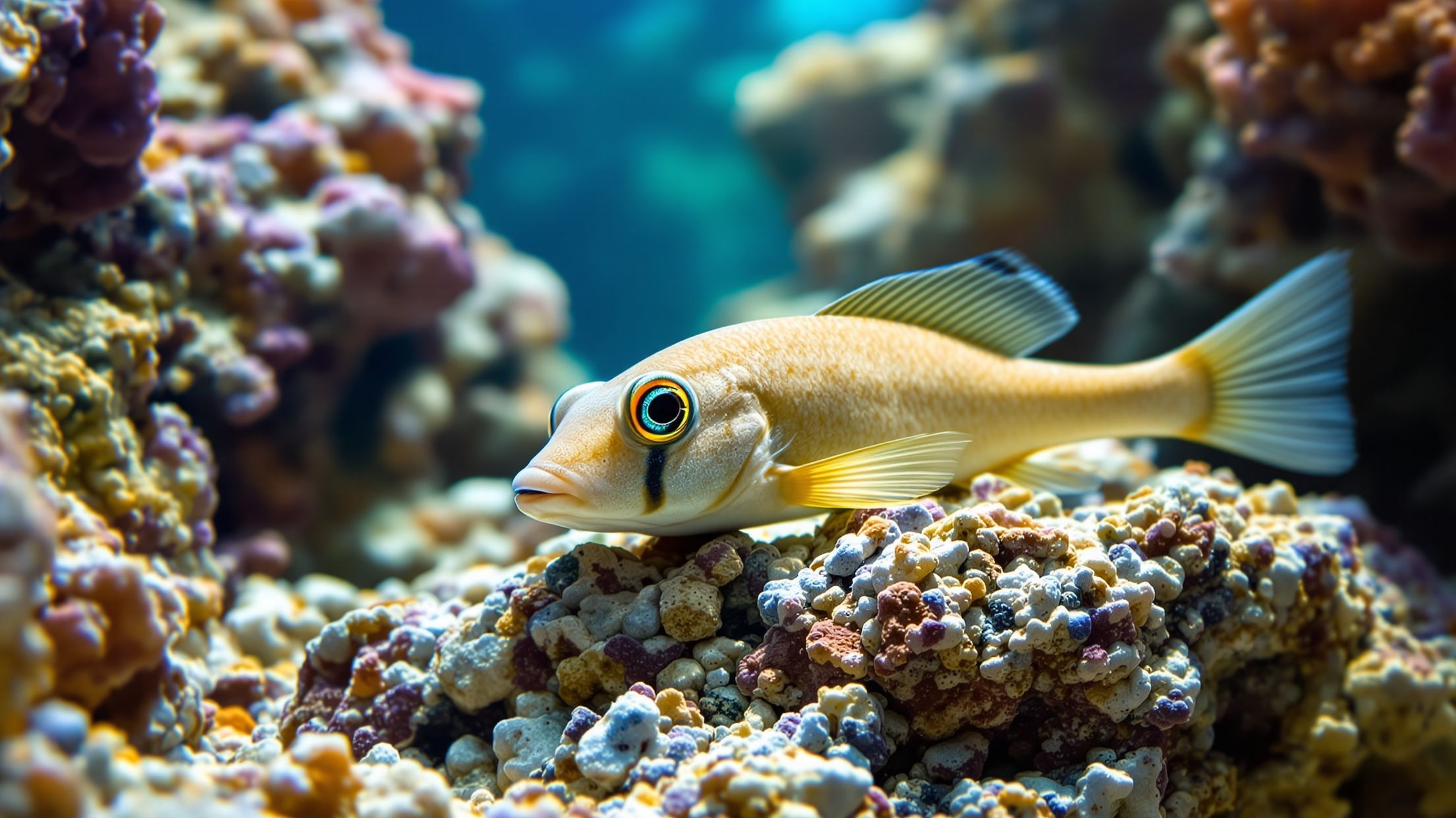
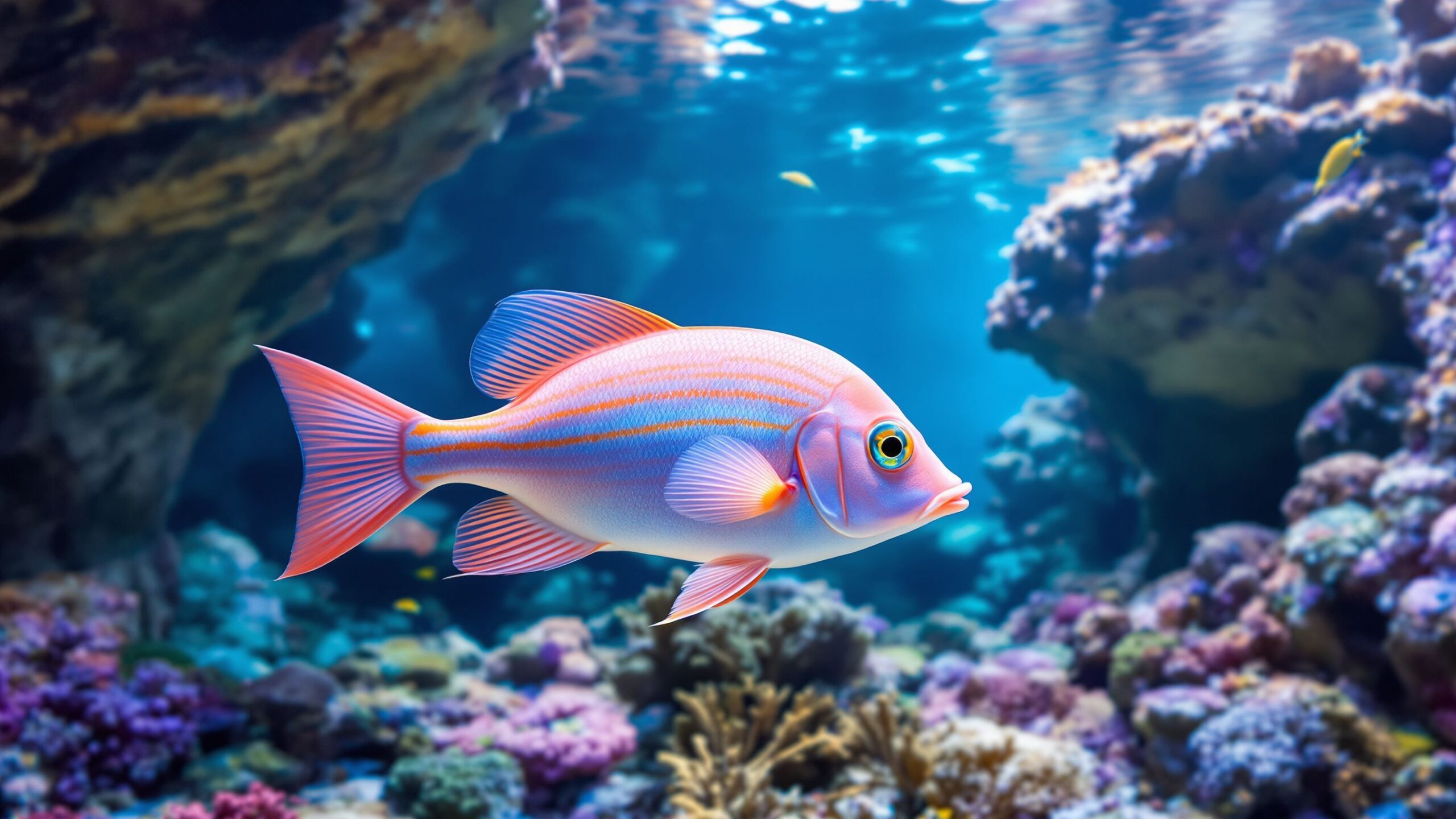
Bristlenose Plecos, scientifically belonging to the Ancistrus genus, are among the most beloved bottom-dwelling fish in the aquarium hobby. With their quirky facial bristles, armored bodies, peaceful nature, and legendary algae-eating abilities, they bring both personality and practicality to any freshwater setup. Unlike the massive Common Pleco that often outgrows home aquariums, the Bristlenose remains a manageable size and thrives in planted tanks, community aquariums, and specialized biotope environments. They are hardy, adaptable, and endlessly fascinating, offering aquarists a perfect blend of utility and charm. Whether you’re new to fishkeeping or a long-time enthusiast looking to deepen your knowledge, Bristlenose Plecos are among the most rewarding and endearing species you can keep. This full guide explores everything that makes them exceptional—from their origins and anatomy to care, diet, behavior, and breeding.
A: A 20-gallon tank is a good minimum for one adult, with larger tanks needed for multiple plecos or heavy stocking.
A: Yes, they are excellent algae grazers, but they still require supplemental foods like wafers and vegetables.
A: Driftwood is highly recommended, providing natural grazing surfaces and beneficial fiber.
A: Yes, in a suitably large tank with multiple hiding spots, though adult males may be territorial.
A: Generally yes. They usually do not damage healthy plants and may even help keep leaves clean.
A: They enjoy algae wafers, sinking pellets, and blanched vegetables like zucchini, peas, and spinach.
A: They are mostly active at night, but in a comfortable tank they may be seen grazing during low-light periods.
A: They prefer stable, clean water with moderate softness and a temperature around the mid-70s°F.
A: With good care, many bristlenose plecos live between 5–10 years in home aquariums.
A: Yes, provided the tank is properly cycled and they receive the right diet and hiding places, they are excellent beginner-friendly plecos.
Origins of the Bristlenose Pleco: Leaf-Litter Specialists of the Amazon Basin
Bristlenose Plecos originate from South America, particularly the Amazon Basin and its countless tributaries. They inhabit shallow, shaded, slow-moving waters with dense leaf litter, submerged wood, and tangled root systems. These environments are warm, rich in biofilm, and filled with natural hiding places created by fallen logs and decaying foliage. The water is often tea-colored from tannins, slightly acidic, and low in dissolved minerals.
In these wild habitats, Bristlenose Plecos spend much of their life attached to submerged wood or rocks, grazing continuously on algae, biofilm, and microorganisms. Their ecological role is crucial—they act as natural recyclers, helping break down organic matter and maintaining ecosystem balance. Their evolution in these environments shaped their specialized mouthparts, armored bodies, and bristle-covered faces. Understanding their natural habitat helps aquarists recreate environments where Bristlenose Plecos can thrive, display natural behaviors, and remain healthy long-term.
The Science Behind Their Signature Bristles: Purpose, Signaling, and Social Dynamics
The defining feature of Bristlenose Plecos is the cluster of fleshy hair-like structures—called tentacles or odontodes—on their snout. These bristles are most prominent in males, though some females display smaller versions. Scientists believe the bristles serve several important functions in the wild.
First, they act as visual signals during breeding. Males with large, healthy bristles appear more dominant and attractive to females, who associate bristle size with strength, territorial capability, and parental competence. Second, the bristles may mimic small fry. Some researchers believe this resemblance encourages females to spawn with males guarding what appears to be a successful nest. Finally, bristles play a sensory role, helping Plecos navigate tight, dark spaces and detect subtle environmental cues.
The presence of bristles not only makes Bristlenose Plecos uniquely adorable but also offers a glimpse into their complex evolutionary communication system.
Bristlenose Pleco Behavior: Peaceful, Diligent, and Surprisingly Expressive
Despite their armored appearance and prehistoric charm, Bristlenose Plecos are peaceful and gentle fish. They spend most of their time foraging across surfaces, attaching themselves to driftwood, filter intakes, glass, or leaves as they graze. Their methodical grazing behavior helps control algae growth and reduces biofilm accumulation without damaging plants or disrupting tankmates.
While primarily nocturnal or crepuscular, Bristlenose Plecos also adapt to daytime activity in well-established aquariums. They show surprising awareness of their environment, reacting to familiar feeding routines and exploring new décor. They are also territorial, especially males. In tanks with multiple Bristlenoses, males will establish preferred caves or hiding spots and defend them with non-damaging displays that involve fin flaring, posturing, or pushing.
Their gentle nature makes them excellent additions to community aquariums, adding a layer of personality and activity to the bottom level without ever causing aggression or disruption.
Varieties of Bristlenose Plecos: Color Morphs and Aquatic Beauty
Although the classic Bristlenose Pleco displays a mottled pattern of browns, tans, and blacks, selective breeding has produced stunning color variations. These morphs offer aquarists greater aesthetic flexibility while retaining all the species’ signature traits.
The Albino Bristlenose Pleco displays pale golden or rosy tones with bright red eyes. They stand out beautifully in dark substrates and lush green plants. The Super Red Bristlenose Pleco showcases vivid orange-red coloration across the entire body, making it one of the most striking morphs available. Longfin Bristlenose Plecos, available in multiple colors, feature flowing, veil-like fins that add elegance to their armored appearance. The Calico Bristlenose Pleco offers a blend of black, orange, and cream patches that resemble marbled stone.
Regardless of morph, all Bristlenose Plecos offer the same hardy nature, helpful algae control, and endearing personality that define the species.
Creating the Ideal Bristlenose Pleco Aquarium: Wood, Plants, and Plenty of Hiding Places
Bristlenose Plecos thrive in aquariums that replicate their natural habitat. A tank size of at least 20 to 30 gallons provides enough space for one adult, especially if housed with other bottom dwellers. Larger tanks are ideal for multiple Bristlenoses or community setups.
Substrates should be smooth to protect their delicate underside. Sand or fine gravel works well. The most essential piece of décor is driftwood—specifically natural varieties such as Malaysian driftwood or spiderwood. Bristlenose Plecos require driftwood not only for grazing but for digestion. The cellulose helps regulate their gut health and supports natural feeding behavior.
Live plants provide shade and structure. Species like anubias, java fern, amazon swords, and crypts thrive in pleco-friendly setups. Spread hiding places throughout the tank using caves, clay tubes, coconut shells, or stacked rocks. Bristlenose Plecos appreciate multiple refuges, especially during daylight hours.
Gentle water flow, soft to moderately hard water, and temperatures between 72°F and 82°F suit them well. Low lighting benefits both plant growth and pleco comfort.
Water Quality and Stability: A Clean, Oxygen-Rich Environment for Healthy Plecos
Bristlenose Plecos are hardy but still require stable, high-quality water. They produce a moderate bioload due to their constant grazing, so efficient filtration is essential. They prefer slightly acidic to neutral pH (6.2 to 7.6), though they are adaptable across a broad range when acclimated slowly.
Ammonia and nitrite must remain at zero, as Plecos are sensitive to poor water quality. Nitrate should be controlled through regular water changes to maintain long-term health. Good aeration and water movement help replicate oxygen-rich Amazon environments.
Because Bristlenose Plecos often feed on algae and detritus, a clean but not sterile tank encourages natural behavior. Leaving some biofilm on wood and stones creates an ideal grazing surface.
Feeding Bristlenose Plecos: A Diet for Health, Digestive Balance, and Color
Despite their reputation as algae eaters, Bristlenose Plecos require a balanced diet to stay healthy. In the wild, they consume algae, biofilm, decaying plant matter, fruits, and small invertebrates. In captivity, a mixed diet ensures proper nutrition and long-term health.
High-quality sinking algae wafers or pleco tablets form the backbone of their diet. Supplement these with blanched vegetables such as zucchini, spinach, green beans, peas, or cucumber. Plecos relish soft plant matter and cellulose-rich foods. For protein, offer frozen or live foods such as bloodworms, brine shrimp, or repashy gel foods designed for plecos.
Feeding at night aligns with their natural behavior, although they quickly learn daytime feeding routines. A well-nourished Bristlenose Pleco displays strong coloration, healthy bristles, active grazing behavior, and long lifespan.
Tankmates and Compatibility: Peaceful Additions to Community Aquariums
Bristlenose Plecos are ideal tankmates for nearly all peaceful freshwater fish. Their passive nature and substrate-focused lifestyle make them compatible with tetras, rasboras, gouramis, barbs, danios, corydoras, livebearers, small cichlids, shrimp, and snails.
Avoid housing them with large or aggressive species such as Oscar cichlids or large predatory fish. While Bristlenose Plecos have protective armor, they cannot defend effectively against sustained aggression.
Housing multiple Bristlenoses requires space and careful cave placement. Males can become territorial, so ensuring each has its own cave prevents disputes.
Breeding Bristlenose Plecos: Nature’s Cave-Dwelling Caretakers
Breeding Bristlenose Plecos is one of the most rewarding experiences for aquarists. They are cave spawners, with males taking the lead in egg protection and fry care. A suitable breeding setup includes multiple caves—ceramic tubes, pleco caves, or coconut husks work well.
When ready to spawn, the female deposits eggs inside a cave, and the male fertilizes them before taking on full parental duties. He fans the eggs, aerates them, cleans the cave, and guards the brood diligently. Eggs hatch within four to ten days depending on temperature. Once fry become free-swimming, they feed on biofilm, algae, and crushed vegetable foods.
Bristlenose fry grow steadily and often keep their parents’ coloration and patterns. Because breeding is relatively straightforward, many aquarists enjoy cultivating multiple generations.
Common Health Concerns: Prevention Through Stability and Proper Diet
Bristlenose Plecos are hardy but can experience issues when kept in poor conditions. One of the most common problems is malnutrition from improper diets. Feeding only algae leads to deficiencies, reduced lifespan, and weakened immune systems.
Barbel erosion may occur due to sharp substrates, poor water quality, or bacterial infections. Choosing smooth sand or fine gravel and maintaining cleanliness prevents this. Ich and fungal infections are possible but treatable with proper medication—while avoiding copper-based treatments, which are toxic to Plecos.
With excellent care, Bristlenose Plecos often live 5 to 10 years, with some individuals exceeding a decade.
Environmental Enrichment: Encouraging Natural Behavior and Well-Being
Bristlenose Plecos thrive when their environment encourages natural behaviors such as grazing, hiding, and exploring. Driftwood, plant roots, caves, and varied textures give them an enriched landscape. Soft lighting replicates their preference for dim habitats. Regular introduction of new hiding places or wood gradually stimulates curiosity without causing stress.
Substrate-level enrichment—such as leaf litter or stone piles—adds realism and encourages natural cleaning behavior. A dynamic, naturalistic aquarium brings out their calm, confident personality.
Why Bristlenose Plecos Remain One of the Hobby’s Most Beloved Fish
Bristlenose Plecos blend personality, utility, and beauty in a way few freshwater species can match. They offer unmatched algae control, require minimal maintenance, and coexist harmoniously with almost any peaceful fish. Their bristled faces, wide eyes, and gentle temperament make them captivating pets. Their resilience and ease of breeding make them perfect for both beginners and advanced aquarists.
Whether resting on driftwood, grazing calmly across the glass, or emerging from their cave at feeding time, Bristlenose Plecos bring charm, character, and ecological balance to aquariums across the world.
Pet Product Reviews
Explore Duffy Street’s Pet Product Reviews! Sniff out the top-rated toys, treats, gear, and gadgets for your pets with our fun, easy-to-read comparisons. We’ve done the digging so you can find the perfect products for your pet friends!