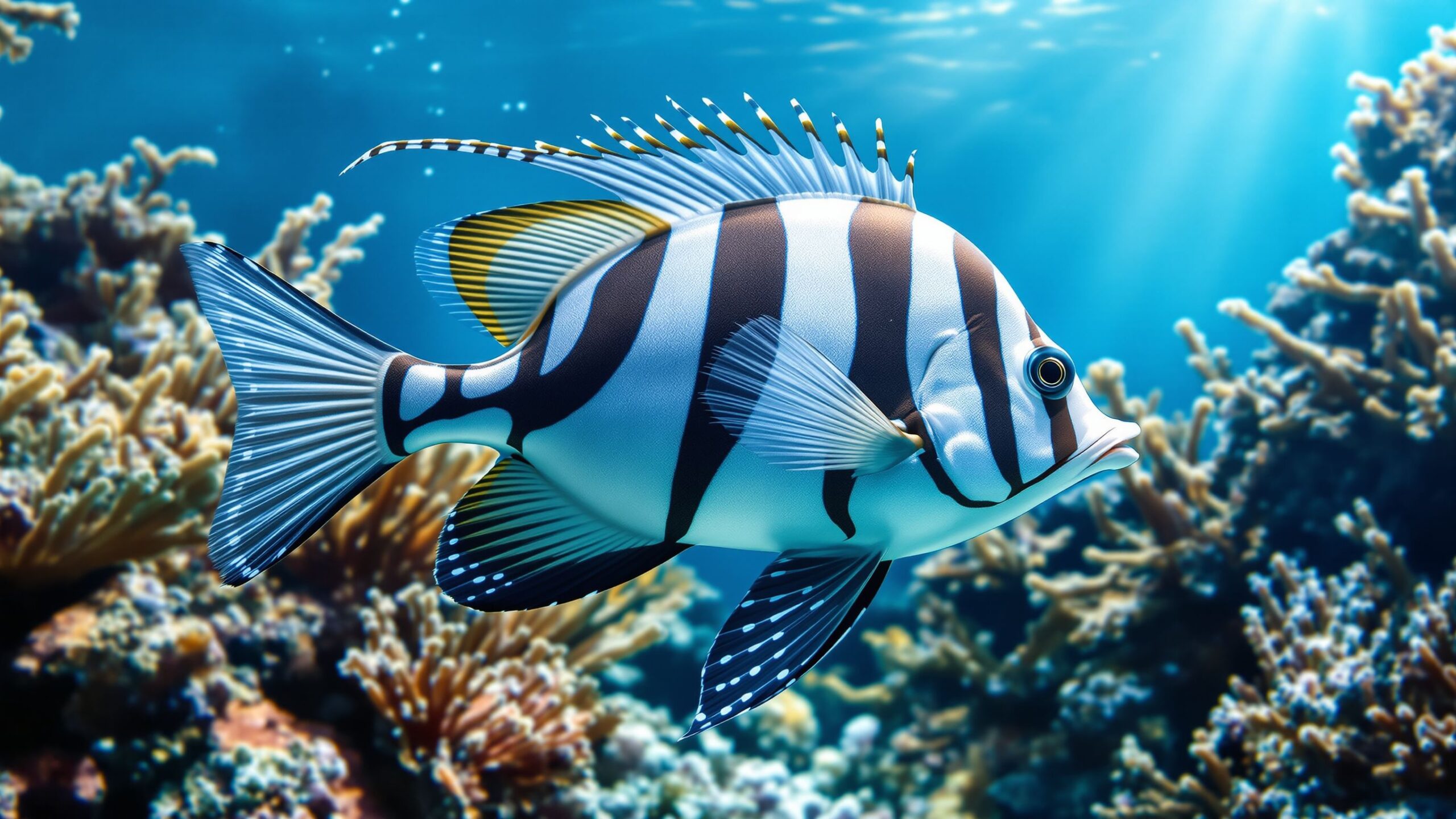
Cherry Barbs, scientifically known as Puntius titteya, are widely celebrated for their glowing colors, gentle personalities, and lively yet peaceful schooling behavior. With males turning a deep ruby-red and females glowing with warm copper tones, they bring elegance and vibrance to any freshwater aquarium. Cherry Barbs are hardy, adaptable, and endlessly rewarding to keep, making them perfect for beginners while still being beloved by advanced aquarists. Their schooling nature, subtle social communication, and ability to thrive in planted tanks make them a standout species in the aquarium world. Beyond their beauty, Cherry Barbs possess fascinating evolutionary adaptations, rich natural history, and a unique charm that has captivated fishkeepers for decades. This comprehensive guide explores their origins, biology, behavior, habitat design, feeding, breeding, and everything that makes Cherry Barbs one of the most desirable freshwater fish.
A: A group of at least 6–8 is recommended so they can school naturally and feel secure.
A: A 15–20 gallon tank is a good starting point, with larger tanks offering more room for schooling and tankmates.
A: They are generally peaceful, though males may engage in light displays and chasing without serious harm if the group is large enough.
A: They are much less nippy than many other barb species and usually behave well with slow, long-finned fish when not overcrowded.
A: They like clean, stable water around 73–80°F with a slightly acidic to neutral pH.
A: They eat high-quality flakes or micro-pellets, along with frozen or live foods such as daphnia, brine shrimp, and small insect larvae.
A: Yes, they thrive in planted tanks and often look their best against lush greenery and shaded areas.
A: Adult cherry barbs usually coexist with larger shrimp, but very small shrimp or baby shrimp may be seen as food.
A: With good care, cherry barbs typically live around 4–6 years in home aquariums.
A: Yes, they are hardy and forgiving, making them an excellent choice for beginners who maintain good water quality and proper group sizes.
Origins of the Cherry Barb: Hidden Jewels of Sri Lanka’s Forest Streams
Cherry Barbs originate from the freshwater streams and shaded forest waterways of Sri Lanka. These environments are warm, rich in vegetation, and naturally dim with filtered light passing through layers of forest canopy. Their habitats range from calm, shallow streams to slow-moving tributaries running over fine sand, leaf litter, and tangled roots. Seasonal rain cycles swell these waterways, infusing them with organic tannins and creating soft, slightly acidic conditions that shape the Cherry Barb’s preferences today.
In the wild, Cherry Barbs inhabit large groups, using the cover of plants, roots, and submerged foliage as both shelter and hunting grounds. Their natural coloration helps them blend into this environment—females remain subtle to avoid predators, while males intensify their colors during breeding season to display health and strength. These subtle ecological pressures explain why Cherry Barbs feel at home in planted aquariums with gentle lighting and natural décor.
The Science Behind Their Brilliant Red Color: Evolution, Biology, and Behavior
The vivid red coloration of male Cherry Barbs is not just for show—it’s deeply tied to their biology and breeding strategy. Their intense ruby shade comes from carotenoids and specialized pigment cells that reflect and absorb light differently depending on mood, health, and social conditions. When males feel confident and comfortable, their red coloration deepens. During courtship and territorial displays, their colors peak, creating an electric, glowing appearance that seems to light up planted tanks.
Females, meanwhile, exhibit softer amber and copper tones that help them remain camouflaged while foraging or caring for eggs. Scientists believe this sexual dimorphism evolved to help males attract mates while females retain protective coloration. Diet also plays a major role in maximizing color intensity, with carotenoid-rich foods enhancing the red hues dramatically. Observing Cherry Barbs’ color fluctuations offers insights into their health, emotions, and social hierarchy.
Cherry Barb Behavior: Peaceful, Playful, and Perfect for Community Tanks
Cherry Barbs are peaceful, active swimmers that bring harmony, movement, and color to aquariums. Unlike some barb species known for fin-nipping, Cherry Barbs are gentle and non-aggressive. They thrive in groups of six or more, where their natural schooling behavior emerges. In larger groups, they display synchronized swimming, playful chases, and a calming rhythm as they glide through plants and open water.
Their interactions are subtle and fascinating. Males display small dominance rituals through fin flaring and color intensification, but these displays rarely escalate into aggression. Females swim confidently among the group, and the entire school maintains a peaceful, balanced dynamic. Cherry Barbs spend much of their day exploring plants, searching for micro-foods, and interacting with one another. Their activity level brings life and motion to planted tanks, while their temperament ensures none of that energy becomes disruptive.
Cherry Barb Varieties: Natural Beauty and Selective Breeding
While the classic Cherry Barb remains the most popular, selective breeding has produced several striking variants. The true Cherry Barb features deep red males and golden-copper females. The Neon Cherry Barb has enhanced iridescence with shimmering silver-blue highlights running along the body. Albino Cherry Barbs display a pale peach or creamy white body with red eyes and a subtler version of the classic red coloration.
Each variety retains the species’ signature peaceful nature and active schooling behavior. Their visual variations allow aquarists to curate planted aquascapes that highlight specific colors or complement natural décor. Regardless of their type, Cherry Barbs remain some of the most visually appealing and beginner-friendly barbs ever introduced into the hobby.
Creating the Perfect Cherry Barb Aquarium: Plants, Space, and Gentle Lighting
Cherry Barbs thrive in well-planted aquariums that mirror their natural forest streams. A tank of at least 20 gallons is recommended for a comfortable, active school. Plants such as java fern, anubias, vallisneria, hornwort, water sprite, and cryptocorynes provide shelter, foraging areas, and natural aesthetic appeal. Leaf litter or driftwood adds tannins that soften the water and create the warm, natural glow Cherry Barbs love.
Lighting should be moderate rather than intense. Soft, diffused lighting brings out their colors and reduces stress. Floating plants such as frogbit or water lettuce help break up direct light and create the shaded ambiance that Cherry Barbs recognize instinctively.
A dark substrate—sand or fine gravel—enhances their red coloration and makes them feel at home. Gentle water flow mimics the calm currents of Sri Lankan streams without overwhelming their delicate, streamlined bodies.
Water Quality and Stability: Soft, Clean Conditions for Vibrant Color and Health
Cherry Barbs are adaptable but thrive best in clean, soft, slightly acidic to neutral water. A pH range of 6.2 to 7.5 suits them well, and temperatures between 74°F and 80°F provide ideal comfort. Regular water changes help maintain clarity and support their high energy levels.
Cherry Barbs prefer stable conditions, so avoiding sudden shifts in temperature or pH keeps them stress-free. Their vibrant coloration is a strong indicator of water quality—bright, confident red tones signal excellent conditions, while dull or pale colors suggest stress or environmental imbalance. When kept in stable water with plenty of plants, Cherry Barbs display full vibrancy, relaxed behavior, and long-term health.
Feeding Cherry Barbs: A Balanced Diet for Color and Energy
Cherry Barbs are omnivores with a strong appetite for both plant and animal matter. In the wild, they graze on algae, small insects, larvae, and organic debris. In aquariums, a balanced diet includes high-quality flakes, small pellets, and plant-based foods. To maximize coloration, offer carotenoid-rich foods such as spirulina, daphnia, and brine shrimp.
Live and frozen foods—like bloodworms, mosquito larvae, and baby brine shrimp—enhance both color and activity levels. Feeding small portions once or twice daily mirrors their natural grazing habits, keeping them lively without polluting the tank. Cherry Barbs are enthusiastic feeders, often gathering in tight groups and creating dazzling flashes of color as they dart for food.
Tankmates and Compatibility: A Perfect Addition to Peaceful Community Aquariums
Cherry Barbs are exceptionally peaceful and compatible with many popular freshwater species. Ideal tankmates include neon tetras, rasboras, zebra danios, guppies, mollies, platies, corydoras, otocinclus, and peaceful dwarf gouramis. Shrimp and snails also coexist well with them.
Avoid housing Cherry Barbs with aggressive or fin-nipping fish such as tiger barbs or large cichlids. Cherry Barbs enjoy mid-level swimming space and appreciate tankmates that occupy different zones, creating a well-balanced, visually appealing community tank full of activity and color.
Breeding Cherry Barbs: A Rewarding Experience for Aquarists
Breeding Cherry Barbs is both achievable and rewarding. They are egg scatterers, meaning females release eggs while males fertilize them in open water or among plants. A heavily planted tank or the addition of spawning mops increases egg survival.
During breeding season, male Cherry Barbs intensify their red coloration dramatically, creating a stunning spectacle. Separating parents from eggs after spawning is recommended, as adults may eat the eggs. Eggs hatch in 24 to 48 hours, and fry become free-swimming shortly thereafter.
Fry thrive on infusoria at first, transitioning to powdered fry food or baby brine shrimp as they grow. Watching tiny Cherry Barbs develop their color over time is an exciting journey for any aquarist.
Common Health Concerns: Prevention Through Clean Water and Proper Care
Cherry Barbs are hardy but can experience stress if kept in overcrowded tanks or poor water conditions. Ich is the most common issue but responds well to early treatment. Maintaining clean water prevents fin rot and bacterial infections. Stress-related color fading often resolves once environmental issues are corrected.
Their peaceful nature and strong schooling instincts make stable group sizes essential for long-term health. When kept in groups of six or more, Cherry Barbs exhibit confident swimming, vivid coloration, and natural social behavior.
Environmental Enrichment: Encouraging Exploration and Natural Behavior
Cherry Barbs flourish in enriched environments filled with plants, driftwood, and varied textures. They enjoy darting through plant clusters, exploring roots, and schooling across open spaces. Adding new décor or rearranging plants periodically can spark curiosity and encourage healthy movement.
Gentle currents stimulate their natural behavior without causing stress. Soft, shaded areas allow them to rest comfortably, enhancing both coloration and vitality. A thoughtfully arranged aquarium brings out their full personality and aesthetic appeal.
Why Cherry Barbs Remain a Timeless Favorite in the Aquarium Hobby
Cherry Barbs offer everything aquarists love: peaceful temperament, brilliant color, hardy nature, and captivating schooling behavior. They bring warmth, charm, and natural beauty to planted aquariums. Their vibrant males contrast beautifully with their soft-toned females, creating a living gradient of warm colors. Beginners adore them for their hardiness, while experts appreciate their elegance and social intelligence.
Whether admired for their glowing red hues, their calm energy, or their gentle, coordinated movements, Cherry Barbs remain a top choice for anyone seeking color, personality, and harmony in a community tank.
Pet Product Reviews
Explore Duffy Street’s Pet Product Reviews! Sniff out the top-rated toys, treats, gear, and gadgets for your pets with our fun, easy-to-read comparisons. We’ve done the digging so you can find the perfect products for your pet friends!