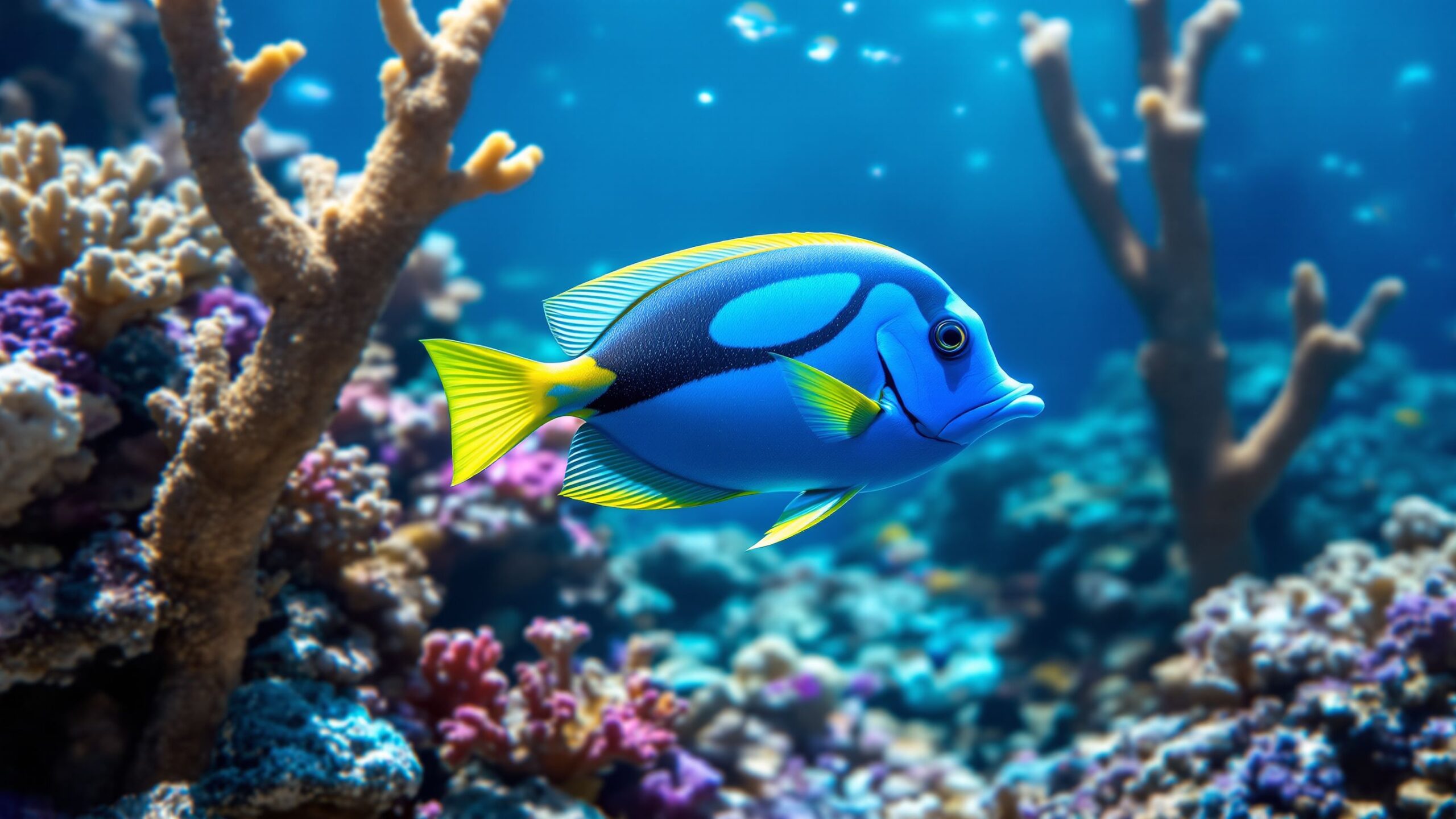
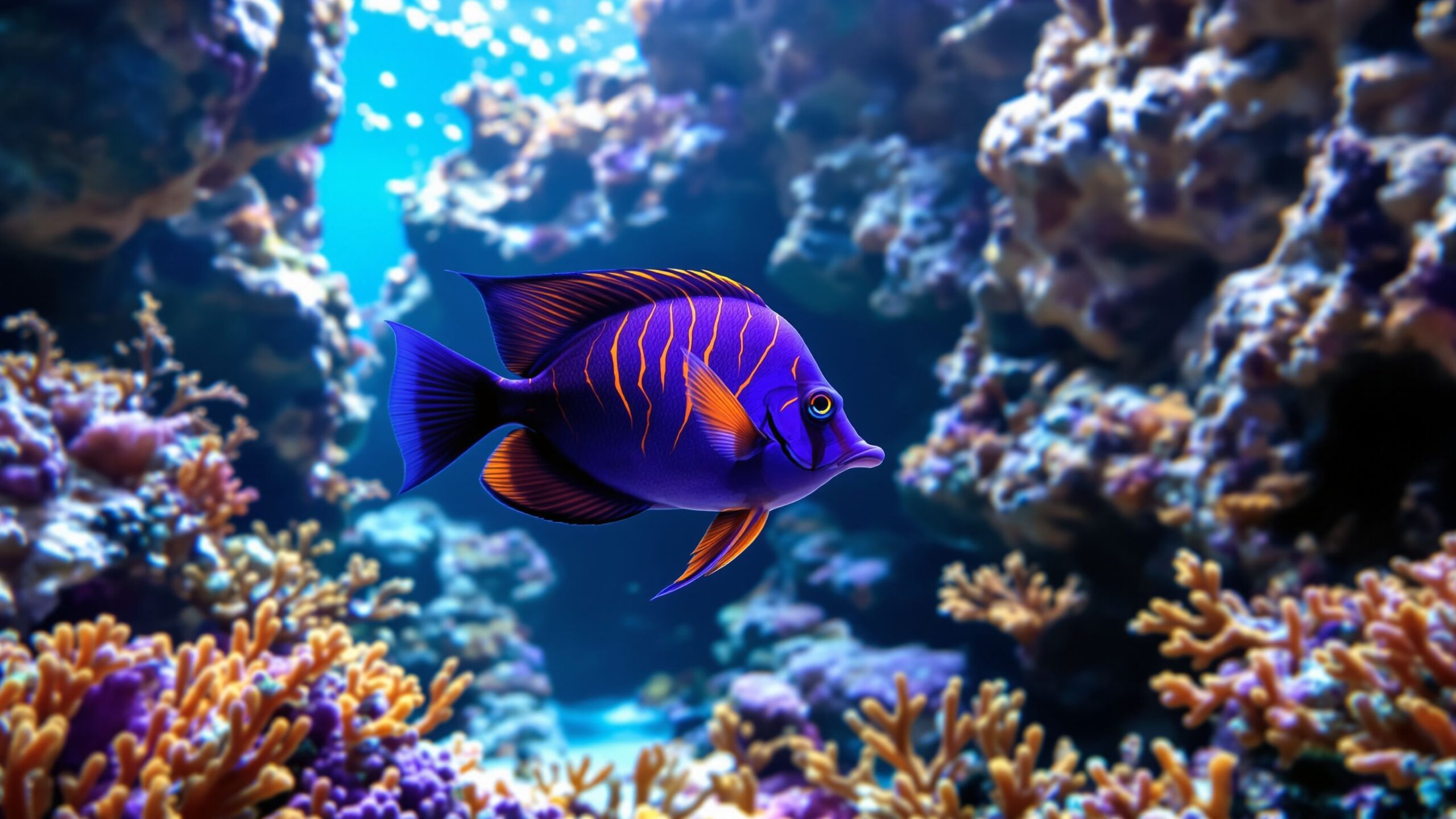
Betta fish, scientifically known as Betta splendens, are among the most instantly recognizable and widely adored freshwater fish on the planet, celebrated for their dazzling colors, flowing fins, curious intelligence, and fierce personalities. Originating from the shallow rice paddies, canals, and floodplains of Southeast Asia, Bettas have made an extraordinary journey from wild labyrinth-fish survivors to global aquarium royalty. Their beauty may be what draws new hobbyists to them, but it’s their behavior, adaptability, and surprisingly complex needs that make them endlessly fascinating companions. Whether you’re a new aquarist hoping to understand how to properly care for one of these stunning fish or a long-time Betta fan eager to deepen your knowledge, this guide walks you through everything that makes Betta fish remarkable, approachable, and truly worthy of their legendary status.
A: No, males will almost always fight. Each male betta should have his own separate tank.
A: They can survive, but it is not ideal. Filtered, heated tanks with more space provide far better health and quality of life.
A: Yes, in most homes they do. Bettas are tropical fish and prefer warm, stable water temperatures.
A: Typically 1–2 small meals per day, only as much as they can eat in a couple of minutes to avoid overfeeding.
A: In filtered tanks, partial water changes weekly are common. In smaller, unfiltered setups, changes must be more frequent.
A: Sometimes. Peaceful, non-nippy tankmates may work in a larger tank, but compatibility depends on the individual betta.
A: Stress, illness, poor water quality, or age can cause fading. Check tank conditions and watch for other symptoms.
A: A cluster of bubbles at the surface built by males, often when they are healthy, comfortable, and sometimes ready to breed.
A: Bettas do not require companions, but they do benefit from interaction, enrichment, and an engaging environment.
A: With good care, many bettas live 3–5 years, and some can exceed this in well-maintained aquariums.
The Wild Origins and Evolution of the Betta
Long before Bettas became household names, they were rugged fighters living in the shallow, murky waters across Thailand, Cambodia, Vietnam, and Laos. Wild Bettas look strikingly different from the long-finned, vibrantly colored varieties seen in modern aquariums. Their ancestors were smaller, earth-toned, and equipped with shorter fins that allowed them to dart through reeds and survive fast-changing environments. For centuries, humans have selectively bred Bettas for specific traits, leading to the rainbow spectrum of colors and dramatic fin shapes we know today. Yet the wild Betta spirit is still very much a part of the modern fish—resilient, territorial, adaptive, and intensely aware of its surroundings. One of their evolutionary superpowers is the labyrinth organ, a specialized respiratory structure that allows Bettas to breathe surface air. This adaptation helped them survive in warm, oxygen-poor water and remains a defining characteristic today.
The Betta Personality: Bold, Curious, and Expressive
Part of what makes Bettas irresistible is their vivid and expressive personality. They are known for interacting with their environment, watching people through the glass, and even recognizing routine patterns like feeding times or the appearance of a favorite object. Bettas flare their fins and gill covers when asserting dominance, defending space, or simply displaying their confidence. They also explore constantly, moving through plants, weaving around décor, and examining anything new added to their tank. Many keepers report that Bettas learn to follow fingers, respond when their owner approaches, or even perform simple tricks like swimming through hoops. Their intelligence and awareness make them feel less like “pet fish” and more like small, aquatic characters that add energy and personality to any room.
Types and Varieties: A World of Color and Shape
One of the most compelling aspects of Betta fish is the astonishing diversity created through selective breeding. Bettas come in nearly every color imaginable, from sapphire blues and neon greens to deep reds, rich purples, metallic pastels, and dramatic black and white patterns. Many also display bicolors, marbling, koi-style splashes, or iridescent overlays that shimmer under aquarium lighting. Just as diverse are their fin types. The most famous variety is the Halfmoon Betta, with its elegant semicircular 180-degree tail spread. The Crowntail Betta features spiky fin rays that give it a dramatic starburst silhouette. Veiltail Bettas display long, flowing fins that trail behind them like silken banners, while Plakat Bettas more closely resemble their wild ancestors with short, powerful fins designed for speed. Dumbo Bettas have enlarged pectoral fins that resemble ears, and Rosetail Bettas exhibit voluminous fins with lush ruffling. Each type brings its own sense of flair and personality, and many aquarists enjoy learning the subtle differences that define each variety.
Aquarium Setup: Building the Ideal Betta Habitat
Despite their reputation for surviving in small containers, Bettas thrive best in warm, filtered aquariums with enough space to explore. The ideal tank size for a single Betta is a minimum of five gallons, though larger is always better for maintaining water stability and supporting varied décor. Water temperature should be kept between 76°F and 82°F to match their tropical origins, and a reliable heater is essential unless your home remains consistently warm. A gentle filter improves water quality, but the flow should be soft enough not to push the Betta around, as heavy currents can stress their delicate fins. Bettas appreciate an environment rich in hiding spots, plants, and soft décor. Live or silk plants give them comfortable resting places, and broad leaves allow them to lounge near the surface—one of their favorite pastimes. Smooth caves, driftwood, and rock structures add complexity without risking fin tears. Providing enough coverage and structure helps Bettas feel secure and reduces stress, making them more active and confident.
Water Quality: The Foundation of Betta Health
Clean, stable water is one of the most important factors in keeping a Betta healthy. These fish may be hardy, but they are not invincible, and poor water quality can quickly lead to illness. Regular water changes help regulate ammonia, nitrite, and nitrate levels, all of which can become harmful in a small tank. Using a water conditioner ensures tap water is safe by neutralizing chlorine and chloramines. A properly cycled aquarium with established beneficial bacteria further supports long-term water stability. Bettas prefer a neutral to slightly acidic pH, typically between 6.5 and 7.5, though they can tolerate a range if changes are gradual. Monitoring water parameters with an aquarium test kit ensures the environment remains safe and consistent, and making small, frequent adjustments is always better than large, abrupt changes. Stable water keeps colors vibrant, fins strong, and immune systems robust, forming the backbone of a well-maintained Betta tank.
Feeding Your Betta: A Diet for Vibrant Color and Health
In the wild, Bettas are insectivores that thrive on a diet of small insects and larvae, and their aquarium diet should reflect this protein-rich preference. High-quality Betta pellets formulated with fish and insect proteins make an excellent staple food. Supplementary treats like freeze-dried or frozen bloodworms, daphnia, and brine shrimp offer variety and enrichment. Feeding should be done in small amounts once or twice daily, as Bettas can easily overeat or develop digestive issues like bloat. Many keepers find success with “portioning” by giving only what the fish can consume in a few minutes. A healthy diet has a direct impact on coloration, energy, and overall vitality, and mixing in occasional live foods can activate natural hunting instincts. Bettas are enthusiastic eaters and often display joyful bursts of energy during feeding time, adding a lively and interactive component to their care routine.
Social Behavior: Understanding Compatibility and Territory
Although Bettas are famous for their aggression, the reality is more nuanced. Male Bettas are highly territorial and should be kept individually, as housing two males together results in intense fighting. Females, however, can sometimes coexist in carefully managed groups known as sororities, though this arrangement requires experience, ample space, and close monitoring. Bettas can also be kept with certain peaceful tankmates under the right conditions. Fish that move slowly, do not nip fins, and do not resemble other Bettas make the best companions. Shrimp and small snails can also coexist in many setups, though individual Betta temperaments vary widely. Some tolerate tankmates beautifully, while others prefer solitude. Observing their behavior is essential, as Bettas use body language—such as flaring, darting, or hiding—to communicate comfort or discomfort. Respecting their need for space, personal territory, and predictable surroundings helps maintain harmony and reduces stress for all inhabitants.
The Labyrinth Organ: The Betta’s Signature Adaptation
One of the Betta’s most extraordinary features is the labyrinth organ, an evolutionary adaptation allowing them to breathe atmospheric oxygen. This organ acts like a primitive lung, enabling Bettas to survive in warm, stagnant rice paddies where oxygen levels fluctuate dramatically. Even in a clean, filtered aquarium, Bettas continue to surface regularly for air. Their ability to gulp air is not just a survival trait but a defining aspect of their physiology. This means their tanks must always allow easy access to the water’s surface, with no tight lids or thick layers of floating plants blocking their path. Understanding the labyrinth organ helps keepers appreciate why Bettas are different from most freshwater fish and reveals the fascinating biology behind their resilience.
Betta Breeding: A Fascinating Display of Instinct and Care
Breeding Bettas is a captivating process but one that requires preparation and understanding. Male Bettas build bubble nests at the surface, creating a floating cradle made of tiny air pockets coated with saliva. When a receptive female approaches, the pair engages in a circling courtship dance, culminating in the male wrapping his body around the female in what’s known as the “embrace.” Eggs released during this process are carefully collected by the male and placed into the bubble nest. Once spawning is complete, the male takes full responsibility for guarding the eggs and tending the nest, repairing it as needed and retrieving any eggs that fall. While the breeding ritual is elegant and deeply instinctual, raising Betta fry involves delicate care, controlled conditions, and a diet of microscopic foods. Although fascinating, breeding is recommended only for knowledgeable hobbyists ready to commit to the specialized needs of both parents and fry.
Common Betta Health Concerns and How to Prevent Them
Bettas are generally hardy, but they can be susceptible to several health issues if their environment or diet is poor. Fin rot is among the most common problems and usually stems from bacterial infections triggered by dirty water or fin damage. Maintaining clean water, removing sharp décor, and addressing infections early help Bettas recover quickly. Swim bladder disease, often caused by overfeeding or constipation, results in difficulty swimming or floating. Feeding high-fiber foods like daphnia and offering occasional fasting days can help regulate digestion. Ich, a parasitic infection presenting as small white spots, occurs when water conditions fluctuate or stress levels rise. Bettas also experience stress from overcrowded tanks, cold water, or improper handling. Preventing health problems begins with stable tank conditions, a clean habitat, and a balanced diet. Bettas that live in attentive, well-maintained environments often display vibrant colors, active swimming patterns, and long, flowing fins.
Enrichment: Making Life More Engaging for Your Betta
Bettas are curious by nature and thrive when given an enriched environment. Adding a variety of plants, hideaways, and structures encourages exploration and exercise. Some keepers introduce floating leaves or lily pads that mimic natural resting spots, while others use gentle water flow adjustments to create interesting micro-currents. Toys like ping pong balls or floating rings can stimulate their inquisitive instincts. Many Bettas enjoy interacting with their keepers through training, learning to swim through hoops, follow objects, or even “jump” for food. Changes should be introduced gradually to avoid stress, but thoughtful enrichment can greatly improve their quality of life. Bettas that experience regular mental stimulation often appear more alert, more colorful, and more interactive than those kept in sparse environments.
Myths and Misconceptions About Bettas
Despite their popularity, Bettas are surrounded by myths that can lead to poor care. One of the most persistent misconceptions is that Bettas “prefer” small containers or thrive in bowls without heaters. While they may survive in such environments, they will not reach their full potential without warm, filtered water and sufficient space. Another misconception is that Bettas are “easy” or low-maintenance pets. In reality, they need clean water, stable temperatures, and attentive care to stay healthy. Some believe Bettas are lazy because they rest often, but this behavior is normal and even healthy when coupled with periods of activity. Bettas also do not thrive on plant roots alone, contrary to the myth of keeping them in vases. Clearing up these misconceptions helps promote more responsible keeping and leads to happier, healthier fish.
Lifespan and Long-Term Care: Building a Lasting Bond
With proper care, Bettas commonly live three to five years, and many exceed this range when provided with clean water, stable temperatures, and a nutritious diet. Their long-term well-being benefits from regular attention to water quality, consistent feeding routines, and ongoing environmental enrichment. A thriving Betta will continue to explore, interact, and display vibrant colors throughout its life. Over time, keepers often develop a quiet bond with their Bettas, observing subtle changes in their behavior and personality. These small interactions—approaching the glass, responding to motion, or simply floating calmly nearby—create a unique and soothing companionship. Bettas reward attentive, knowledgeable care with years of beauty, personality, and captivating presence.
Why Betta Fish Continue to Captivate the World
Betta fish have earned their place as one of the most beloved freshwater species thanks to their unmatched combination of color, personality, and resilience. They are living works of art that shimmer with movement, intelligence, and individuality. Bettas invite aquarists into a world where biology meets beauty, where evolution has produced champions of survival and expressive behavior. Their care is accessible to beginners, yet deep enough to challenge seasoned hobbyists. Whether admired for their visual splendor, their interactive charm, or their fascinating biology, Betta fish continue to inspire passion and curiosity across the globe.
Pet Product Reviews
Explore Duffy Street’s Pet Product Reviews! Sniff out the top-rated toys, treats, gear, and gadgets for your pets with our fun, easy-to-read comparisons. We’ve done the digging so you can find the perfect products for your pet friends!