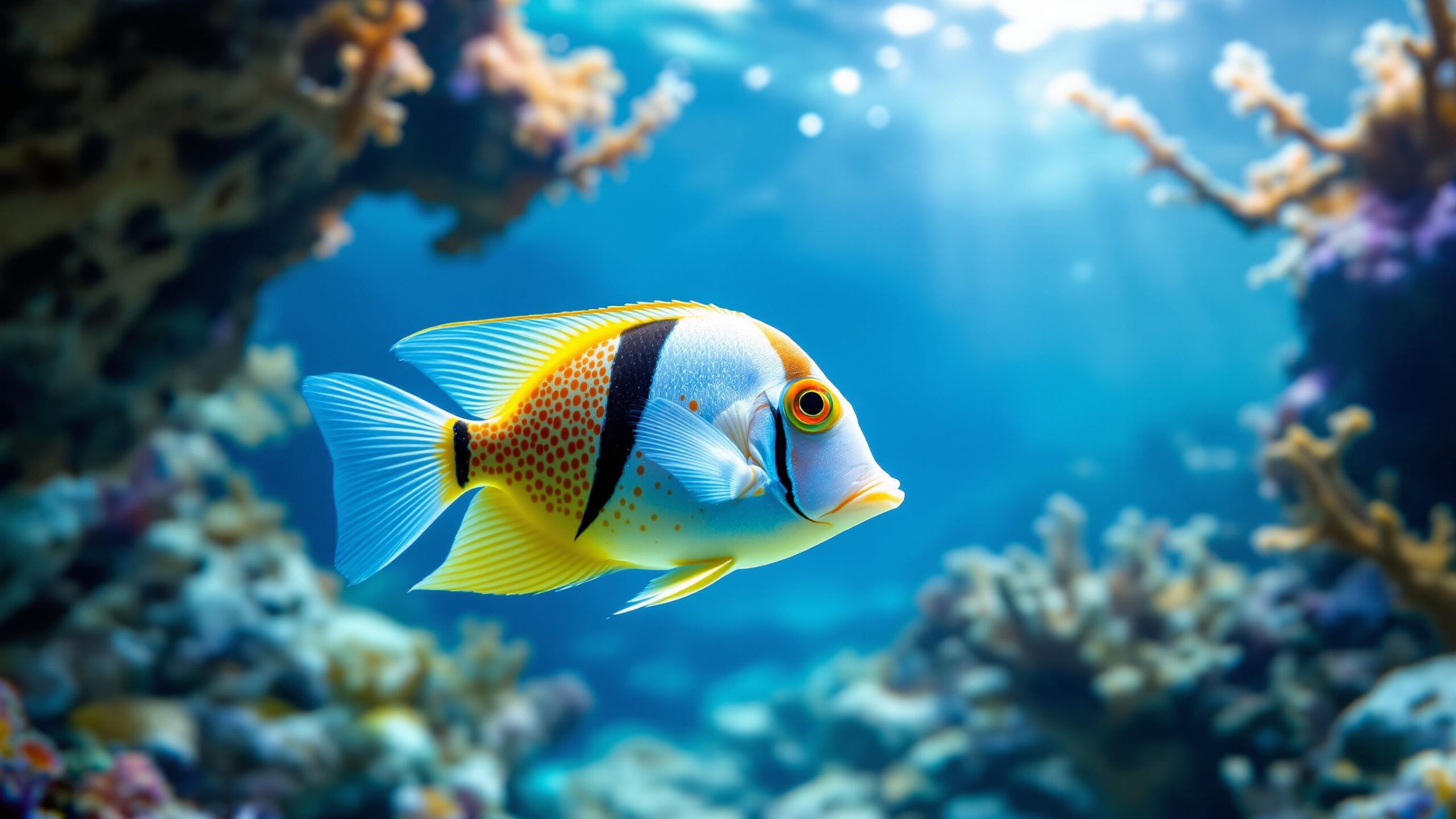
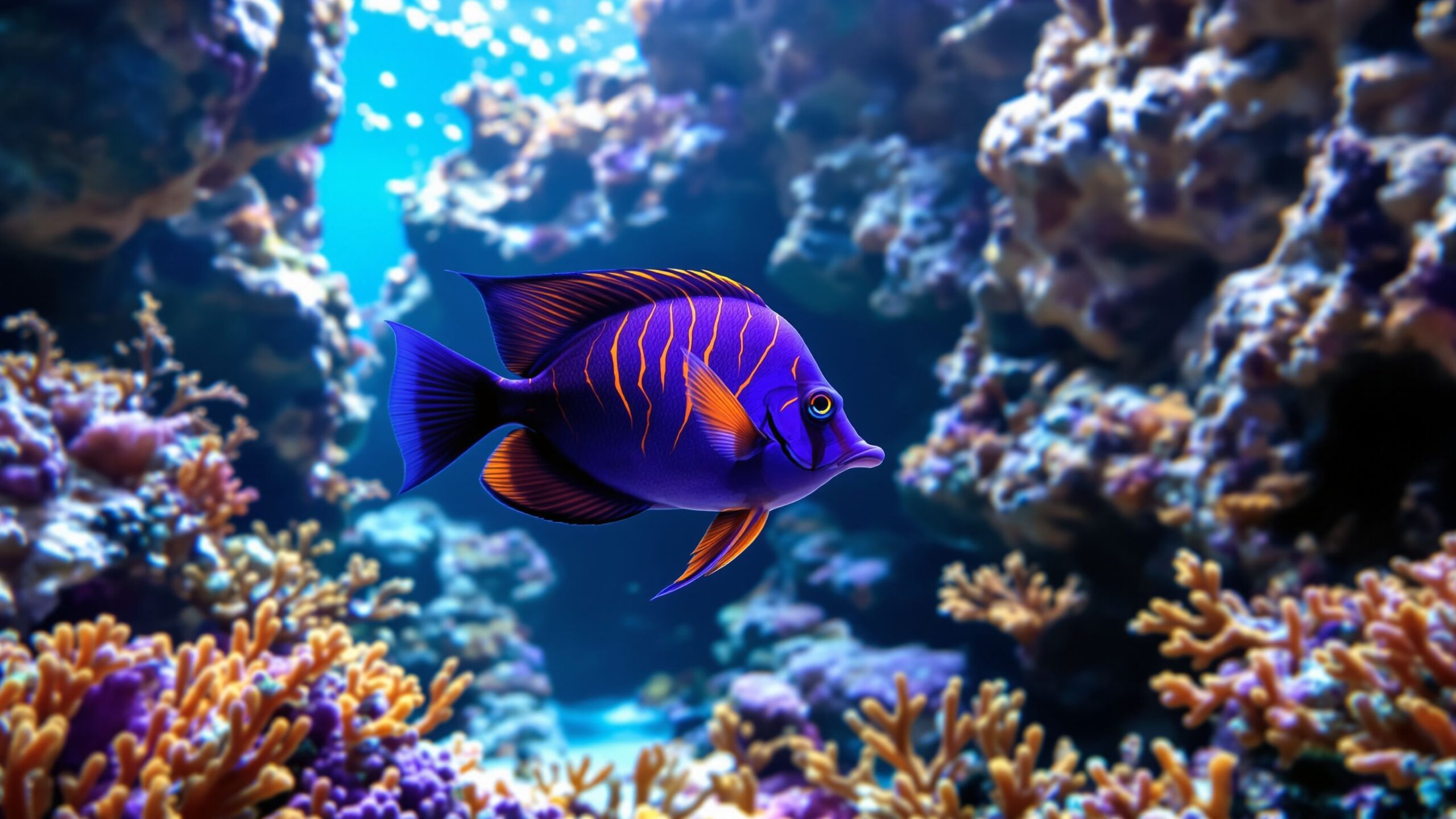
Platies, scientifically known as Xiphophorus maculatus, are beloved freshwater fish celebrated for their radiant colors, peaceful temperament, and exceptional adaptability. Often recommended for beginners yet adored by experienced aquarists, Platies bring effortless beauty and constant movement to any community tank. Their playful interactions, wide range of color varieties, and ability to thrive under diverse conditions make them one of the most versatile livebearers in the aquarium world. From fiery reds and glowing oranges to sunset gradients, calico patterns, and shimmering metallic strains, Platies are living jewels that enrich any aquatic environment. But behind their charm lies fascinating biology, a colorful evolutionary history, and a lively social nature that makes them endlessly enjoyable to observe. This detailed guide dives deep into the origins, behavior, care, breeding, and scientific wonders of these delightful fish.
A: A small group of at least 3–5 platies is recommended, with larger groups doing well in suitably sized tanks.
A: Aim for one male to two or three females to reduce stress on females from constant chasing and courting.
A: In most homes, yes. They are tropical fish and thrive in warm, stable water temperatures.
A: They often will. Dense plants or separate nursery setups improve fry survival if you want to raise them.
A: Yes. They are generally peaceful and compatible with other small, calm species that share similar water needs.
A: Feed small portions 1–2 times per day, only as much as they can finish in a few minutes.
A: Live plants are not required, but they greatly improve water quality, provide shelter, and create a more natural environment.
A: It may indicate low oxygen, poor water quality, or illness; test your water and ensure good filtration and aeration.
A: Yes, as long as the tank is properly cycled and maintained, platies are among the best choices for new fishkeepers.
A: With good care, many platies live around 3–5 years, enjoying a full, active life in the aquarium.
Origins of the Platy: Quiet Streams, Warm Waters, and Hidden Diversity
Platies originate from the warm, slow-moving streams, ponds, and canals of Mexico, Belize, and Guatemala. Their natural habitats are rich in vegetation, sunlight, and warm, mineral-filled waters—traits that shaped their unique adaptability and hardy nature. Wild Platies typically display more subdued colors such as olive, gold, and spotted brown patterns that help them blend with dense plants and dappled light. However, their genetics harbor remarkable color potential. Over thousands of years, females developed visual preferences for males with brighter coloration, nudging the species toward more vibrant patterns even before humans began breeding them. When aquarists discovered this genetic potential in the early 20th century, selective breeding transformed Platies into the rainbow of vivid varieties found in aquariums today.
The Science Behind Platy Coloration: A Masterpiece of Genetics and Selective Breeding
Platies are among the most diverse aquarium fish thanks to their rich genetic palette. Their coloration comes from a combination of pigment cells and reflective cells, including melanophores (black), erythrophores (red), xanthophores (yellow), and iridophores (metallic reflection). Breeders have spent decades refining these traits to create nearly limitless color combinations.
Red Platies owe their richness to dense erythrophores, while Sunset Platies feature a gradient from deep orange to radiant yellow. Calico strains display splashes of black and orange in marble-like arrangements. Wagtail Platies exhibit bold black fins paired with bright body colors. Tuxedo Platies feature dramatic two-tone designs, while Metallic Platies shimmer with iridescent highlights from reflective cell layers. Some strains even incorporate blue and green undertones—rare hues among livebearers. The sheer variety means no two Platies look exactly alike, making them a favorite for hobbyists who love visual diversity.
Platy Personality: Peaceful, Playful, and Endlessly Curious
Platies are natural socializers that thrive in groups. They aren’t schooling fish in the strictest sense, but they enjoy associating with one another and often swim together in relaxed clusters. Their personalities are vibrant and expressive—they explore plants, interact with tankmates, graze on algae, and investigate every corner of the aquarium. Males display lively courtship behaviors, fluttering their fins and swimming energetically around females. Despite this activity, Platies are known for being extremely peaceful, rarely causing conflict even in busy community tanks. Their gentle nature and constant motion create an uplifting, calming atmosphere that makes them a joy to watch for both new aquarists and seasoned enthusiasts.
Platy Varieties: A Spectrum of Patterns, Fins, and Colors
Platies are among the most visually diverse aquarium fish, offering an array of shapes, colors, and distinctive trait combinations.
Swordtail Platies, often confused with actual swordtails, feature subtle fin extensions but remain true Platies genetically. Wagtail Platies have sleek black fins that contrast dramatically with orange, yellow, or red bodies. Mickey Mouse Platies display unique tail-spot patterns unintentionally resembling the iconic silhouette. Sunset and Gold Platies glow like molten fire, lighting up aquariums with warm radiance. Tuxedo Platies showcase a bold front-to-back color split, adding contrast and personality. Calico Platies blend splatters of black, orange, and red into artistic patterns. Hi-Fin Platies sport tall, elegant dorsal fins, creating a graceful silhouette as they swim. Every tank of Platies becomes an ever-moving art display filled with vibrant diversity.
Creating the Perfect Platy Aquarium: Warm, Spacious, and Plant-Rich
Platies thrive in well-planted environments with open swimming areas and stable, warm water conditions. A tank of at least 15 to 20 gallons is recommended for a group, though larger tanks allow for more stable water chemistry and a broader expression of natural behavior. They prefer temperatures between 72°F and 80°F, making a reliable heater essential in cooler climates.
Live plants significantly enhance Platy health and happiness. Species like hornwort, water sprite, bacopa, vallisneria, and java fern offer shelter, grazing areas, and natural water filtration. Floating plants such as Amazon frogbit create dappled lighting, mimicking their natural habitat and reducing stress. Smooth rocks, driftwood, and root structures offer subtle shelter and exploration zones. Gentle filtration ensures clean water without excessive current, which Platies prefer to avoid. With enough plants and open space, Platies display their full range of color and personality.
Water Conditions and Hardiness: Why Platies Are So Resilient
Platies are famously hardy livebearers, thriving in a wide range of conditions as long as stability is maintained. They prefer slightly alkaline water with moderate to high mineral content, making them ideal for regions with naturally hard water. A pH between 7.0 and 8.2 is generally ideal, though they can handle slight variations. Their metabolism benefits from water with calcium and magnesium, supporting healthy bone development and proper muscle function.
Ammonia and nitrite must remain at zero, while nitrate should be kept under 20 to 40 ppm through regular water changes. Because Platies are active swimmers and frequent feeders, a well-established filtration system helps maintain long-term stability. Their adaptability and tolerance for fluctuations make them perfect beginners’ fish—but they still reward advanced aquarists with vibrant colors and energetic behavior when given optimal care.
Feeding Platies: A Healthy, Varied Diet for Color and Energy
Platies are omnivores with a strong appetite for plant-based foods. In the wild, they graze on algae, decaying plant matter, and tiny invertebrates. In aquariums, their ideal diet includes high-quality flakes or pellets formulated for omnivores, supplemented with vegetable matter. Spirulina flakes, algae wafers, blanched zucchini, and spinach provide essential nutrients and fiber.
Protein-rich foods like brine shrimp, bloodworms, daphnia, and micro-pellets boost color intensity, energy, and breeding readiness. Feeding small portions once or twice daily keeps them active without polluting the tank. Their enthusiastic feeding behavior brings lively energy to the aquarium, and they quickly learn to recognize their keeper’s approach.
Tankmates and Compatibility: Peaceful Community Living
Platies are excellent community tank fish thanks to their calm temperament. They flourish alongside other peaceful species such as guppies, mollies, swordtails, rasboras, dwarf gouramis, neon tetras, bristlenose plecos, snails, and shrimp. Their activity level and size make them good companions for bottom dwellers like corydoras and kuhli loaches. Avoid placing them with large, aggressive, or fin-nipping species like tiger barbs or larger cichlids. A balanced mix of mid-level swimmers, bottom feeders, and peaceful livebearers creates a harmonious, lively aquarium environment that highlights Platies’ cheerful behavior.
Breeding Platies: Livebearing Wonders with Colorful Offspring
Platies are prolific livebearers that reproduce readily when males and females are kept together. Females give birth to fully formed, free-swimming fry roughly every 28 to 35 days. One of the most fascinating aspects of Platy reproduction is their ability to store sperm, allowing multiple batches of offspring from a single mating. This adaptation ensures survival in dynamic environments and leads to genetic diversity among fry.
A heavily planted tank significantly increases fry survival, as adults may snack on babies but thicker cover offers excellent hiding spaces. While serious breeders often use separate nursery tanks, casual aquarists can simply allow nature to take its course in a well-planted environment. Watching fry grow, develop patterns, and gradually show hints of brilliant colors provides a rewarding, educational experience for any fishkeeper.
Common Health Concerns: Prevention Through Stability and Good Nutrition
Platies are generally hardy, but like all fish, they can experience health problems when water conditions decline. Ich, a common parasitic infection, shows as tiny white spots and typically arises from stress. Early treatment and stable temperatures help ensure quick recovery. Fin rot, caused by bacteria thriving in dirty water, is also preventable through regular maintenance. Internal parasites can occasionally affect wild-caught Platies or poorly sourced stock. Ensuring a balanced diet with adequate vegetable content prevents bloating and digestive issues. When kept in clean, stable conditions with proper filtration and warm temperatures, Platies often live three to five years, with some reaching even longer lifespans.
Environmental Enrichment: Building a Dynamic, Engaging Habitat
Because Platies are active, curious explorers, they benefit immensely from enriched habitats. Dense plant clusters, open swimming zones, driftwood, rock structures, and natural lighting variations stimulate their natural instincts. Gentle water movement creates interesting microcurrents without overwhelming their swimming. Regular changes, such as adding new plants or rearranging décor, spark exploration and reduce boredom. The more dynamic and natural the habitat, the more expressive and vibrant Platies become.
Why Platies Remain a Timeless Favorite in Aquariums Worldwide
Platies combine everything aquarists love: brilliant colors, peaceful personalities, hardiness, and captivating social behavior. Their diverse varieties offer endless customization, allowing aquarists to create stunning color-themed or mixed displays. Their love for plants enhances natural aquascapes, while their playful interactions bring constant life and energy to community tanks. Whether you’re a beginner learning the basics or an experienced keeper refining a planted showcase, Platies provide joy, beauty, and fascination at every moment. They are living proof that simplicity and elegance can coexist—and that even the smallest fish can carry enormous charm.
Pet Product Reviews
Explore Duffy Street’s Pet Product Reviews! Sniff out the top-rated toys, treats, gear, and gadgets for your pets with our fun, easy-to-read comparisons. We’ve done the digging so you can find the perfect products for your pet friends!