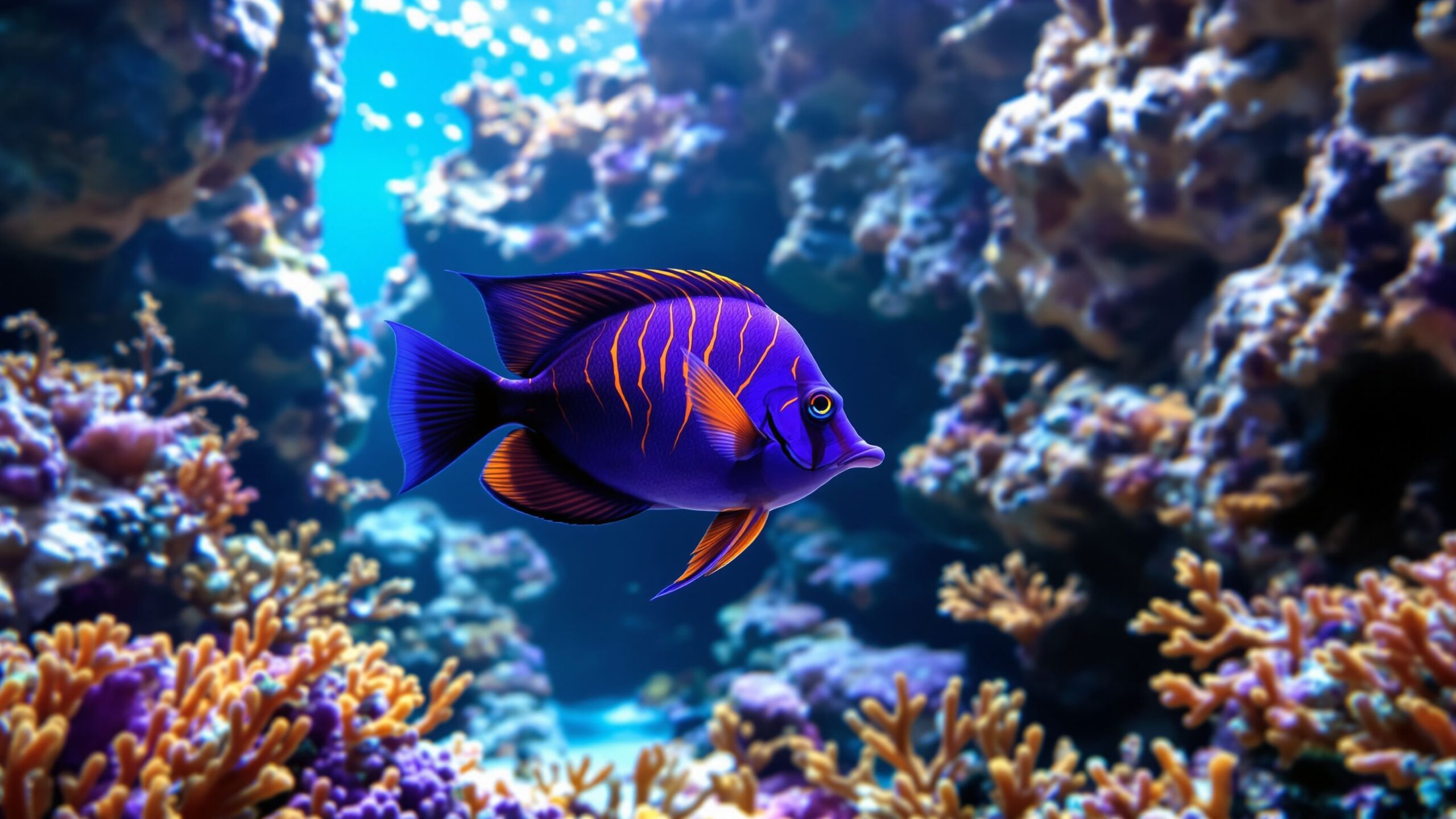
Mollies, scientifically known as Poecilia sphenops, stand among the most versatile, resilient, and captivating freshwater fish ever kept in home aquariums. Their vibrant colors, active personalities, and remarkable adaptability have earned them a place in nearly every aquarist’s heart. From the velvety depths of the Black Molly to the brilliant gold of the Sunburst Molly, the marbled patterns of the Dalmatian Molly, and the dramatic dorsal fin of the Sailfin Molly, this species offers endless variety and visual excitement. But Mollies aren’t just pretty—they’re ecological marvels capable of thriving in freshwater, brackish, and even marine environments. Their lively interactions, peaceful community nature, and fascinating livebearing reproduction make them an endlessly rewarding species for both new and experienced aquarists. This guide explores every aspect of these dynamic fish: their origins, behavior, care, breeding, and the evolutionary brilliance that shaped them.
A: A small group of at least 3–4 is recommended, with larger groups doing even better in suitably sized tanks.
A: Aim for one male to two or three females to reduce stress on females from constant courting.
A: Yes, in most homes. They are tropical fish and prefer warm, stable temperatures maintained by a heater.
A: They are often kept in freshwater, but can adapt to brackish and even full saltwater when acclimated slowly and carefully.
A: Feed small amounts 1–2 times per day, only as much as they can eat in a few minutes to prevent overfeeding.
A: Yes, adults may eat fry. Dense plants or separate nursery setups improve fry survival if you want to raise them.
A: Generally yes, with other peaceful species of similar size and compatible water parameter needs.
A: Not required, but live plants improve water quality, provide hiding spots, and give fry places to shelter.
A: It may indicate low oxygen, poor water quality, or illness; test your water and check equipment immediately.
A: Many mollies live around 3–5 years with good care, clean water, and a balanced diet.
Origins of the Molly: Coastal Explorers with a Wild Spirit
Unlike many popular freshwater fish that evolved deep within jungle rivers, Mollies trace their origins to the warm coastal waters and slow-moving streams of Central and South America. They inhabit areas where fresh and saltwater blend, such as estuaries, coastal marshes, mangroves, and brackish lagoons. This environment is constantly changing—water levels rise and fall, salinity fluctuates, and temperatures shift with tidal cycles. To survive in such dynamic conditions, Mollies developed a suite of adaptations that allow them to thrive across a remarkably wide range of water chemistry and environments. Their ancestors moved through dense vegetation, shallow pools, and sunlit shallows, feeding on algae, small invertebrates, and organic matter drifting through warm currents. This ecological origin explains their love for plant-rich aquariums, warm temperatures, and water rich in minerals.
The Science of Molly Coloration: Genetics, Evolution, and Human Creativity
Mollies come in an astonishing range of colors and shapes, largely thanks to selective breeding across decades. But their natural coloration, often silvery or olive with subtle iridescence, played an evolutionary role long before humans became involved. In the wild, subtle greens and browns help them blend into vegetation where predators lurk. Over time, females developed preferences for brighter, more vibrant males, pushing evolution toward stronger hues and larger fins. When aquarists began selectively breeding Mollies, these natural variations were amplified into the spectacular strains seen today.
Black Mollies display rich, velvety pigmentation produced by dense clusters of melanophores that absorb light across the visible spectrum. Gold and Orange Mollies owe their coloration to layers of carotenoid-based cells and xanthophores. Dalmatian Mollies feature a mosaic of black patches caused by irregular melanophore distribution. Meanwhile, Sailfin Mollies possess enlarged dorsal fins with patterns resembling tiny brushstrokes of metallic green and blue reflective cells. Every variation is a blend of evolutionary history and human artistry, producing one of the most diverse species in the freshwater hobby.
Molly Behavior: Energetic, Social, and Naturally Curious
Mollies are continuously active swimmers. They glide, dart, explore, and graze throughout the tank, creating an upbeat and lively atmosphere. While peaceful, they are naturally curious and often interact playfully with tankmates, plants, and objects in their environment. Males frequently perform courtship displays to captivate females, spreading their fins and shimmering their colors. Larger groups enhance natural behavior, especially when multiple females balance the males’ enthusiasm. Molly social structure tends to be relaxed, with peaceful grouping and minimal aggression when kept in appropriate numbers. They forage constantly, nibbling at algae, drifting particles, and even surfaces of plants and décor. Their grazing behavior is not only fascinating to watch but also contributes to a cleaner, more balanced aquarium ecosystem.
Molly Varieties: A Kaleidoscope of Shapes, Colors, and Patterns
Aquarists adore Mollies because no other popular community fish offers such a wide range of variations. Each Molly type has its own charm and distinctive flair.
Black Mollies are sleek, dramatic, and velvety, reflecting deep shades that pop beautifully against green plants and natural décor. Dalmatian Mollies sport irregular black spotting on a pale body, creating a playful, marbled appearance. Gold and Sunburst Mollies shimmer with warm tones of orange, yellow, and red that brighten any aquarium. Lyretail Mollies feature elongated, elegant extensions on their tail fins that trail behind them like delicate ribbons. Meanwhile, Sailfin Mollies represent the grandeur of the species—males carry large, fan-like dorsal fins with intricate patterns and stunning surface area, making them resemble miniature aquatic banners as they swim. Even within a single strain, subtle variations in pattern and color make every Molly unique.
Building the Perfect Molly Aquarium: Space, Warmth, and Plant Life
While Mollies are adaptable, they thrive best in spacious, warm, well-planted aquariums with mineral-rich water. A tank of at least 20 gallons is ideal, especially for active varieties like Sailfins that appreciate room to stretch their fins. They prefer temperatures between 75°F and 82°F, resembling the tropical warmth of their native habitats. A reliable heater and gentle filtration ensure water remains stable and oxygen-rich. Mollies particularly appreciate tanks with live plants—species like vallisneria, java fern, hornwort, and water sprite mimic their natural environment and offer grazing opportunities. Floating plants soften the light and reduce stress. Since Mollies tend to nibble, robust plants with thicker leaves and fast growth do best. They also benefit from hard or moderately hard water with a slightly alkaline pH, which enhances their metabolic health and strengthens their skeletal system.
Water Quality and Salinity: Understanding the Molly’s Adaptability
Mollies are one of the few aquarium fish capable of thriving in freshwater, brackish, or even full marine setups. While they do not require salt to survive, small amounts of marine salt can mimic their natural estuary conditions and may improve overall vitality. Their gill structures and osmoregulatory system evolved to handle fluctuating salinity, giving them extraordinary flexibility. However, stability remains crucial—sudden changes in pH, temperature, or salinity can stress them. Because Mollies are active grazers and prolific breeders, they produce a significant bioload. This makes regular water changes and efficient filtration essential. Maintaining ammonia and nitrite at zero and keeping nitrate levels low ensures long-term health. Clean, mineral-rich water brings out vibrant coloration and encourages natural behavior. When water is stable, Mollies thrive with remarkable resilience and energy.
Feeding Mollies: A Diet for Growth, Color, and Constant Activity
Mollies are omnivorous with a strong preference for plant-based foods. In the wild, they feed on algae, biofilm, small crustaceans, and organic debris. In the aquarium, a varied diet replicates their natural food sources and enhances their coloration and health. High-quality flakes or pellets with vegetable content form the backbone of their diet. Supplementing with spirulina, algae wafers, and blanched vegetables like zucchini or spinach supports digestive health. Live or frozen foods such as brine shrimp, daphnia, and bloodworms add protein that encourages growth and breeding. Because Mollies are frequent grazers, offering small, frequent meals mimics their natural behavior. A balanced diet results in brighter colors, stronger immune systems, and more active, expressive behavior.
Tankmates and Compatibility: Building a Peaceful Community
Mollies are social, peaceful fish that coexist wonderfully with many community species. They thrive alongside other gentle, active fish that prefer similar water conditions. Ideal tankmates include platies, swordtails, guppies, rasboras, corydoras, rainbowfish, and peaceful livebearers. Snails and shrimp can also live peacefully with Mollies, though tiny shrimp may occasionally become snacks. Avoid aggressive or fin-nipping fish such as barbs, large cichlids, or bettas, as these can stress or injure Mollies. Sailfin Mollies in particular are best kept with tankmates that won’t nip their impressive dorsal fins. A harmonious community tank enhances Molly behavior, creating constant motion, calm energy, and a dynamic aquatic landscape.
Breeding Mollies: Nature’s Livebearing Marvels
Mollies are prolific livebearers known for giving birth to free-swimming fry rather than laying eggs. Female Mollies can produce new fry every 28 to 40 days, and like other livebearers, they can store sperm, allowing multiple births from a single mating. This reproductive strategy gives them a significant survival advantage in the wild, where environmental conditions can change rapidly. During gestation, females develop a rounded abdomen and a noticeable gravid spot. When birth approaches, they often seek secluded areas among plants. A heavily planted tank allows fry to hide from adults, dramatically increasing survival rates. Because adult Mollies may eat some fry, aquarists seeking high survival rates often use breeding boxes or separate nursery tanks. Fry grow quickly on nutrient-dense foods like crushed flakes, baby brine shrimp, or specialized fry powder. Watching tiny Mollies develop their colors over time is one of the most rewarding experiences in freshwater fishkeeping.
Common Health Concerns: Prevention, Awareness, and Long-Term Care
While resilient, Mollies are susceptible to several health concerns when kept in poor conditions. Poor water quality can lead to fin rot, fungal infections, or stress-related diseases. Mollies are also prone to “shimmies,” a condition often caused by cold temperatures, soft water, or sudden environmental changes. Maintaining warm, stable, mineral-rich water helps prevent this issue. Like many tropical fish, they can contract parasites such as Ich, which appears as tiny white dots on their bodies. Early treatment usually provides a quick recovery. Ensuring a balanced diet with sufficient vegetable content prevents constipation and bloating. When kept in clean, stable lagoons of warm water, Mollies frequently live three to five years, with some individuals reaching even longer lifespans.
Environmental Enrichment: Enhancing Behavior and Natural Exploration
Mollies thrive in enriched environments that encourage their natural curiosity and active behavior. Providing plants, driftwood, rocks, and open swimming spaces creates a landscape similar to their wild habitats. Gentle water movement from a filter outflow or air stone stimulates natural swimming patterns without overwhelming them. Floating plants diffuse light and make Mollies feel secure. Occasional rearrangement of décor can stimulate exploration and reduce boredom. The richer the environment, the more vibrant and expressive Mollies become. Their strong personalities emerge in tanks designed with both open spaces and cozy nooks, creating a visually stunning aquatic world filled with motion and life.
Why Mollies Remain Timeless Favorites in the Aquarium Hobby
Mollies have remained beloved for decades because they offer everything aquarists love in a freshwater species. They are colorful, lively, peaceful, and incredibly adaptable. Their livebearing reproduction adds excitement and discovery. Their endless varieties—from velvety blacks to marbled whites to sunset golds—offer limitless aesthetic possibilities. They bring movement and charm to community tanks, light up planted aquariums with their constant activity, and reward attentive aquarists with expressive behavior and long-term companionship. Mollies embody the perfect balance of beauty, personality, resilience, and wonder—making them one of the most treasured species in aquariums around the world.
Pet Product Reviews
Explore Duffy Street’s Pet Product Reviews! Sniff out the top-rated toys, treats, gear, and gadgets for your pets with our fun, easy-to-read comparisons. We’ve done the digging so you can find the perfect products for your pet friends!