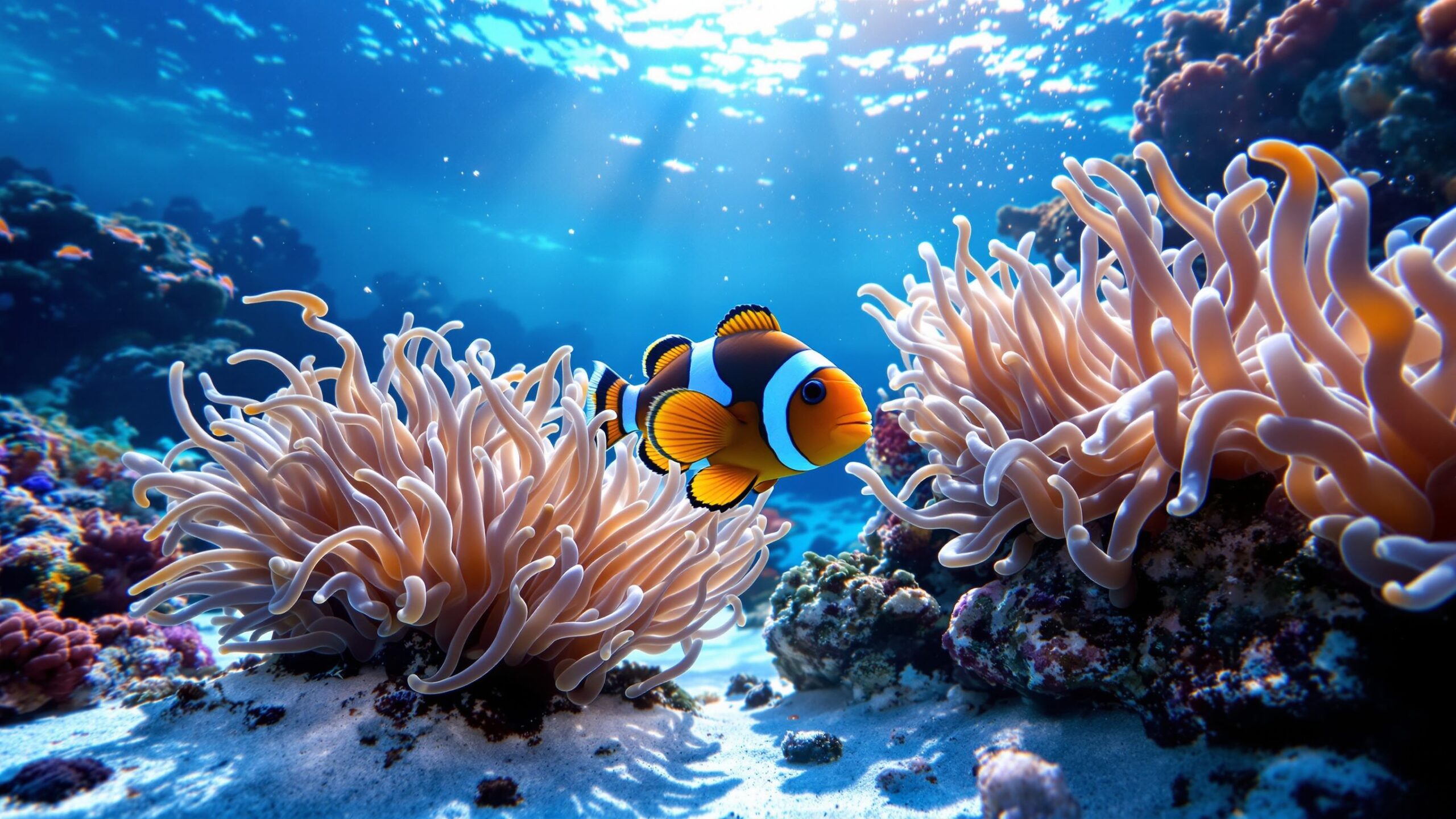
Neon Tetras, scientifically known as Paracheirodon innesi, have long been one of the most iconic and mesmerizing freshwater fish in the aquarium world. With their brilliant blue iridescent stripe and vibrant red tail, they shimmer like tiny living jewels, bringing color, rhythm, and life to any tank they inhabit. These small but enchanting fish originate from the lush blackwater streams of the Amazon River Basin, where filtered sunlight, rich vegetation, and dark tannin-stained waters create a magical environment that helped shape their dazzling appearance. Despite their small size, Neon Tetras carry immense personality and charm, forming tight-knit schools that glide together in fluid harmony, displaying a beauty that has captivated aquarists for nearly a century. Whether you’re a beginner drawn to their glowing colors or an experienced enthusiast refining the perfect community tank, Neon Tetras offer endless fascination, tranquility, and natural wonder
A: A minimum of 6 is recommended, but groups of 10 or more create a more natural, confident school.
A: A 10-gallon tank can house a small school, with larger tanks allowing more stable water and bigger groups.
A: Sometimes, in larger tanks with calm bettas, but temperament varies; close monitoring and plenty of space are essential.
A: They like soft, slightly acidic to neutral water with stable temperatures in the mid-70s°F and low ammonia and nitrite.
A: Small amounts 1–2 times per day is usually enough, only what they can eat in a couple of minutes.
A: Stress, poor water quality, illness, or nighttime rest can cause fading; test the water and watch for other symptoms.
A: Yes, as long as the tank is fully cycled and water parameters are kept stable with regular maintenance.
A: In most homes, yes. They are tropical fish and do best with a reliable heater maintaining a consistent temperature.
A: Many live 3–5 years with proper care, good diet, and low-stress, well-maintained aquariums.
A: They should not be kept singly; neon tetras are schooling fish and rely on their group for comfort and natural behavior.
Origins of the Neon Tetra: The Jewel of the Amazon Basin
The story of the Neon Tetra begins in the deep, shaded waters of the Amazon rainforest, where millions of years of evolution crafted a fish perfectly adapted to an environment unlike any other. Their natural habitat stretches across Peru, Brazil, and Colombia, where streams wind through dense rainforest canopies. Here, decaying plant matter releases tannins, turning the water a tea-like color that blocks sunlight, creating soft, dimly lit aquatic landscapes. In these subdued light conditions, the Neon Tetra’s iridescent blue stripe evolved as a survival tool. When light hits the stripe at specific angles, it flashes brightly, allowing members of a school to locate one another instantly in the dark waters. Their red tail acts as a complementary visual signal, further enhancing group cohesion. These striking adaptations are not merely decorative but essential elements of their natural communication and safety strategies.
The Science Behind Their Glow: Nature’s Optical Illusion
One of the most captivating features of Neon Tetras is the vibrant neon-blue stripe that seems to glow from within. Unlike pigment-based coloration, this blue hue comes from iridophores—specialized cells that reflect light rather than absorb it. In essence, Neon Tetras don’t “have” blue pigment. Instead, microscopic crystal-like plates inside their skin refract light, creating a dynamic, shimmering effect that changes depending on viewing angle and lighting conditions. This means their brightness varies throughout the day, especially if kept in a tank with naturalistic lighting. Under subdued or blackwater conditions, the blue stripe intensifies dramatically, mimicking their wild environment. At night, the stripe dims significantly, allowing the school to remain less visible to predators. This natural light-reactive coloration is part beauty, part camouflage, and part communication system—an extraordinary evolutionary masterpiece.
Neon Tetra Behavior: Schooling, Social Intelligence, and Natural Harmony
More than just beautiful, Neon Tetras are deeply social creatures. Their behavior becomes most extraordinary when kept in groups of at least six to ten, with larger schools creating even more natural and engaging displays. In the wild, Neon Tetras form massive shoals that move together in coordinated patterns, a strategy that confuses predators and ensures group survival. In the aquarium, this schooling behavior creates mesmerizing “waves” of movement as the fish dart, glide, and turn in unison. They communicate using subtle body language, positioning, and color intensity, forming a silent but highly organized social hierarchy. When kept alone or in too-small groups, Neon Tetras can become stressed, timid, or inactive, but when surrounded by their own kind, they flourish—exploring confidently, displaying bold colors, and interacting dynamically with the environment.
Neon Tetra Varieties: Exploring a Rainbow of Micro-Jewels
Although the classic Neon Tetra remains the most popular, several unique variants have emerged through selective breeding. The most common variation is the Long-Fin Neon Tetra, which features extended, flowing fins that add elegance to their movement without compromising their classic colors. The Diamond Head Neon Tetra boasts an additional reflective patch on the forehead, creating a brilliant flash of silver-blue when light hits at just the right angle. Meanwhile, the Albino Neon Tetra displays a softer pinkish glow where the typical blue stripe would be, producing a pastel, ethereal appearance that stands out in planted tanks. Selective breeding has also produced golden and sparkled variations, each with subtle differences in hue and brightness. Despite these diverse appearances, all Neon Tetras maintain the same peaceful temperament, making them excellent community tank residents.
Creating the Perfect Aquarium: Building a Natural Neon Tetra Habitat
To bring out the full beauty and health of Neon Tetras, it helps to recreate elements of their Amazonian origin. A tank of at least 10 gallons is ideal for a small school, though larger tanks allow for more natural movement and stability. Neon Tetras thrive in soft, slightly acidic water with a pH between 6.0 and 7.0. Water temperature should remain stable between 72°F and 78°F, though slightly warmer conditions are often appreciated. The most stunning displays come from tanks featuring dense live plants, driftwood, and dim, natural-style lighting. Floating plants, such as Amazon frogbit or water lettuce, create patches of shade reminiscent of the forest canopy, helping the fish feel secure. Substrates such as dark sand or fine gravel enhance their colors by providing subtle contrast. Including tannins through Indian almond leaves or natural driftwood can produce an authentic blackwater effect, deepening their blue and red hues dramatically.
Water Conditions and Stability: The Key to Neon Tetra Health
Although Neon Tetras are hardy once established, they are sensitive to sudden changes in water parameters. Stability is their greatest ally. Maintaining a healthy biological filtration system ensures that ammonia and nitrite levels remain at zero, while nitrates are kept low through regular water changes. Slow, gentle acclimation is essential when introducing Neon Tetras to a new aquarium, as rapid shifts in temperature or chemistry can result in stress or shock. Many aquarists consider Neon Tetras indicators of water quality, as their behavior and coloration often reflect the overall health of the aquarium ecosystem. Bright colors, active schooling, and smooth swimming patterns usually indicate excellent conditions, while fading coloration or sluggish movement suggests stress. Keeping water changes small and frequent helps preserve the delicate balance they enjoy.
Feeding Neon Tetras: A Diet for Color, Energy, and Longevity
Neon Tetras are omnivores with a preference for small, micro-sized foods. In the wild, they feed on tiny insects, crustaceans, plant matter, and organic debris drifting through blackwater streams. In the aquarium, a varied diet enhances their color, energy levels, and long-term vitality. High-quality micro-pellets or flake foods form a solid foundation, but supplementing with live or frozen foods such as daphnia, brine shrimp, or micro-worms unlocks their full potential. Many keepers notice an immediate improvement in brightness and interaction after offering high-protein treats. Neon Tetras should be fed small amounts, once or twice daily, giving them only what they can consume in a couple of minutes. Their small stomachs digest food quickly, and frequent small meals mirror their natural feeding habits better than infrequent large ones.
Tankmates and Compatibility: Peaceful Community Living
Neon Tetras are widely loved for their peaceful nature, making them excellent additions to community aquariums. Their small size and gentle temperament suit them well with other non-aggressive fish. Ideal tankmates include peaceful species such as rasboras, corydoras, guppies, dwarf gouramis, otocinclus catfish, and smaller livebearers. They also pair beautifully with shrimp and snails, as their small mouths prevent them from harming most tank mates. However, larger or more aggressive fish—such as angelfish, large cichlids, or fin-nipping barbs—can stress or prey upon them. When selecting tankmates, the general rule is simple: choose peaceful species of similar size that thrive in similar water conditions. A harmonious community tank not only ensures safety but also encourages Neon Tetras to display their most natural and vibrant schooling behavior.
Breeding Neon Tetras: A Delicate Dance in Dim Waters
Breeding Neon Tetras is one of the most fascinating challenges in freshwater aquariums, requiring patience, preparation, and carefully controlled conditions. In the wild, breeding occurs during rainy seasons when water levels rise and conditions soften. To simulate this environment, aquarists often use a separate breeding tank with soft, acidic water, dim lighting, and abundant fine-leaved plants or spawning mops. A conditioned pair or small group will scatter eggs during early morning hours, allowing them to settle among the foliage. Neon Tetra eggs are light-sensitive, so darkness is essential for successful development. After spawning, adults must be removed promptly to prevent them from eating the eggs. Fry begin hatching within 24 hours and require microscopic foods such as infusoria before transitioning to powdered fry foods. Although the process is delicate and complex, successful breeding is deeply rewarding and offers insight into the remarkable life cycle of this fish.
Common Health Concerns: Prevention, Awareness, and Early Care
Neon Tetras are hardy, but they can be vulnerable to stress-related illnesses when kept in unstable or unsuitable conditions. One of the most well-known illnesses is Neon Tetra Disease, which weakens muscles and affects coloration. While rare in well-maintained tanks, it highlights the importance of quarantining new fish. Stress, often caused by sudden water changes or aggressive tankmates, can weaken their immune systems, making them more susceptible to infection. Maintaining high water quality, stable parameters, and appropriate tankmates significantly reduces health risks. Another common issue is Ich, a parasitic infection that appears as small white dots. Fortunately, Ich responds well to early treatment. Ensuring that their diet is varied and nutrient-rich further strengthens their immune system. In a well-maintained aquarium, Neon Tetras can live several years, offering long-term beauty and enjoyment.
Enrichment and Tank Design: Creating a Captivating, Natural Environment
Neon Tetras may be small, but they respond strongly to environmental enrichment. A thoughtfully designed tank allows them to express their natural instincts, from schooling to exploring shaded areas and weaving between plants. Providing varying levels of plant density, open swimming space, and gentle current mimics their wild habitat and creates opportunities for natural behavior. Floating plants dim the light and make shy fish feel more secure, while leaf litter and natural décor replicate the texture and feel of Amazonian streams. Subtle changes to the environment, such as new driftwood or additional plants, stimulate curiosity without causing stress. An enriched tank not only benefits the Tetras but also creates a visually stunning aquascape that enhances the overall aquarium experience.
Why Neon Tetras Remain Timeless Favorites
Neon Tetras have captured the hearts of aquarists for decades, and their popularity shows no signs of slowing. Their brilliant colors, peaceful personalities, and hypnotic schooling behavior bring unmatched beauty to any tank. They are accessible to beginners yet endlessly intriguing to experts, offering depth, elegance, and scientific wonder in equal measure. Their history in the Amazon, their evolutionary adaptations, and their delicate social dynamics combine to make them one of the most fascinating species in freshwater aquaria. Whether you admire them individually or in large schools, Neon Tetras offer a sense of magic and tranquility that enriches any aquarium.
Pet Product Reviews
Explore Duffy Street’s Pet Product Reviews! Sniff out the top-rated toys, treats, gear, and gadgets for your pets with our fun, easy-to-read comparisons. We’ve done the digging so you can find the perfect products for your pet friends!