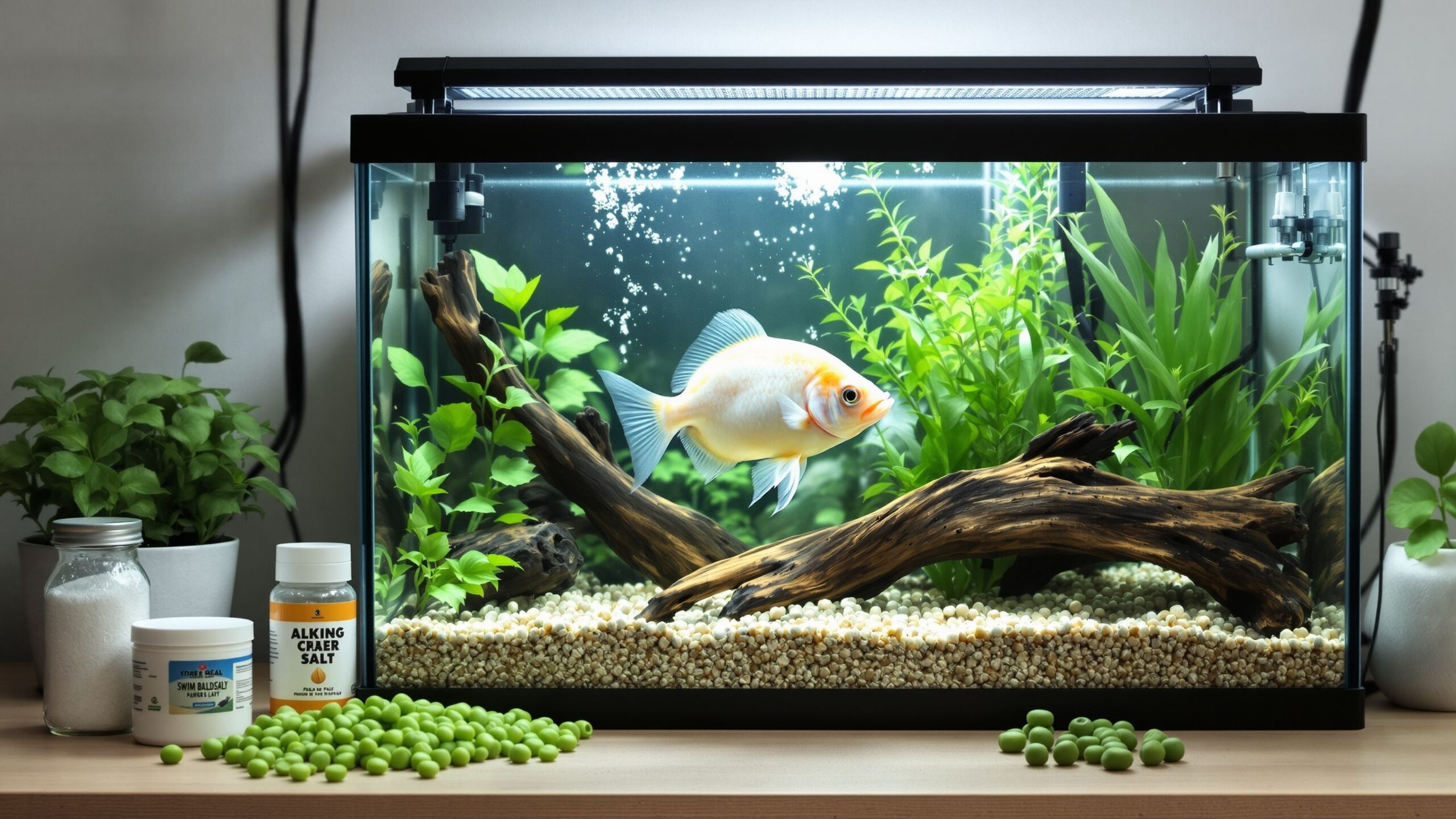
In the world of fishkeeping, even the most experienced aquarists face unexpected emergencies. A sudden illness, injury, or toxic water spike can threaten an entire tank in hours. Just like humans have first-aid kits for emergencies, aquarium owners need one too. Having essential supplies on hand can mean the difference between losing a fish and saving it. Whether you keep a handful of guppies or a community of exotic species, an aquarium first-aid kit is your best defense against the unpredictable.
A: Test water, boost aeration, and isolate in hospital if symptoms persist.
A: Avoid it; meds can harm biofilters and inverts. Treat in QT whenever possible.
A: Measure true water volume and use syringes/grad cups for precision.
A: No—verify species tolerance; start with conservative concentrations and durations.
A: Typically 10–14 days symptom-free before reintroduction.
A: Offer frozen/live options, reduce stressors, and reassess the diagnosis.
A: Optional helper for pathogen load reduction; not a standalone cure.
A: If toxins are present or fish are gasping; split into two measured changes to avoid shock.
A: Keep QT and display gear separate; disinfect between uses to prevent cross-contamination.
A: Rapid decline, massive outbreaks, or unclear diagnosis despite basics corrected.
Why Every Aquarist Needs a First-Aid Kit
Fish live in a closed ecosystem that relies on precise balance. When something goes wrong—like a broken heater, ammonia surge, or parasitic infection—time is your greatest enemy. You can’t rush to a store every time trouble hits. The right tools and treatments at home allow immediate action. Water problems, injuries, and diseases escalate fast, and waiting even a few hours can worsen the outcome. A well-stocked kit isn’t just for emergencies—it’s also a maintenance ally that helps prevent small problems from becoming disasters. Having what you need when you need it ensures you’re always ready to protect your aquatic community.
Essential Water Treatment Supplies
Clean water is the foundation of fish health, and any first-aid kit should begin with products that stabilize and purify it. A high-quality dechlorinator or water conditioner is non-negotiable. It removes chlorine, chloramine, and heavy metals, making tap water safe for fish. Keep a bacterial supplement to restore beneficial bacteria after filter cleaning or medication treatments. A pH stabilizer helps correct dangerous fluctuations that stress fish. Always have ammonia neutralizer on hand to detoxify spikes caused by overfeeding, decay, or equipment failure. For immediate water emergencies, activated carbon is indispensable—it absorbs residual toxins, medications, and odors from the tank quickly. These core supplies give you the ability to fix water problems on the spot.
Diagnostic and Testing Tools
You can’t fix what you can’t measure. Every aquarist’s first-aid kit must include a comprehensive water testing kit that measures ammonia, nitrites, nitrates, pH, and hardness. Liquid test kits are more accurate than strips, though strips are faster for quick checks. Keep a digital thermometer for monitoring temperature fluctuations, as even a few degrees can stress fish. A magnifying glass or jeweler’s loupe helps identify external parasites, fin rot, or subtle lesions that are hard to see with the naked eye. Record all results in a notebook—patterns over time can reveal issues long before they become visible. Monitoring, not guessing, keeps your aquarium stable and your fish safe.
Hospital Tank and Quarantine Essentials
No first-aid kit is complete without a quarantine or hospital tank setup. This small, bare tank isolates sick or injured fish from the main aquarium, preventing the spread of disease and allowing focused treatment. Keep a spare heater, sponge filter, and air stone dedicated to this setup. A plastic tub can temporarily serve as a hospital tank in emergencies if properly heated and aerated. Never share equipment between tanks without sterilizing—it’s one of the fastest ways diseases spread. Having a quarantine tank ready to go ensures any new or sick fish can be treated safely without jeopardizing your healthy stock.
Medications for Common Diseases
While not every illness requires medication, having the right treatments available can save lives. Your first-aid kit should include a broad-spectrum antibacterial for fin rot, mouth fungus, and ulcers. Keep antifungal treatments for cotton-like growths on fins or body, and antiparasitic medications for ich, velvet, and flukes. Salt is another versatile remedy—aquarium salt can aid healing, reduce stress, and assist with mild external infections. For internal parasites, have a medicated food or internal antiparasitic on hand. Always read labels carefully and never mix medications unless recommended. These treatments give you control when infections strike suddenly and help prevent spread to healthy fish.
Tools for Handling and Observation
Gentle handling is vital during treatment. Include a soft mesh net to catch fish without tearing fins and a breeder box or isolation container for temporarily holding individuals during observation. A small flashlight or clip-on lamp helps examine fish closely under bright, directional light. Keep aquarium-safe gloves for handling chemicals, sick fish, or tank maintenance. For detailed observation, use a white examination bowl—it makes color changes, spots, and parasites easier to spot. Clean and dry all tools after every use to avoid contamination. The right handling tools protect both fish and owner during delicate procedures.
Nutritional and Immune Support Items
Fish health begins with nutrition, and your first-aid kit should reflect that. Keep high-quality, nutrient-rich food designed for your species. In times of stress or recovery, fortified diets rich in vitamins C and E help boost immunity. Garlic extract or vitamin supplements can be added to food to improve resistance against infection. Having a small container of frozen or live food such as brine shrimp or bloodworms encourages eating in sick or stressed fish who refuse dry pellets. Good nutrition helps the immune system fight disease naturally and accelerates recovery after treatment.
Emergency Equipment Backup
Sometimes, the greatest threat to your aquarium isn’t disease—it’s equipment failure. Power outages, heater malfunctions, or clogged filters can destabilize water quality in minutes. Include a battery-powered air pump in your first-aid kit to maintain oxygenation during blackouts. Keep a spare heater and filter sponge ready for replacement or hospital tank use. A siphon hose for quick water changes and a clean bucket labeled for aquarium use only are vital. Redundancy in equipment is one of the smartest safety measures a fishkeeper can take—it ensures your fish survive the unexpected.
Cleaning and Disinfection Supplies
Cross-contamination is one of the most common ways diseases spread between tanks. Always include aquarium-safe disinfectants such as diluted bleach (used correctly and rinsed thoroughly) or specialized cleaning solutions for equipment sterilization. A separate set of maintenance tools—like nets, scrapers, and buckets—should be designated solely for sick tanks. Keep paper towels, tongs, and pipettes for precise handling of small items or samples. Sterilization isn’t glamorous, but it’s crucial for preventing recurring outbreaks and maintaining a truly healthy environment.
Labeling and Storage
Organization is what turns a box of supplies into a true first-aid kit. Use clear, labeled containers for each category—water treatment, medications, tools, and test kits. Store your kit in a cool, dry area away from direct sunlight. Check expiration dates regularly and replace expired medications or test reagents. Create a quick-reference card listing dosage instructions and emergency contact numbers for local fish stores or aquatic veterinarians. In an emergency, you won’t have time to search for instructions; proper labeling saves precious minutes.
When and How to Use the Kit
Your aquarium first-aid kit is most effective when paired with calm, informed decision-making. At the first sign of distress—such as gasping, discoloration, or erratic swimming—test water immediately, isolate affected fish, and diagnose the problem based on symptoms. Treat methodically: fix environmental issues first, then apply medication only if necessary. After treatment, restore balance through partial water changes and probiotic bacterial boosters. The goal is not just to save a sick fish, but to return the entire aquarium to a state of stability and health.
Building Your Own vs. Buying Pre-Made Kits
While some companies sell ready-made aquarium first-aid kits, most aquarists find that building a customized kit is better. Every tank is different—freshwater, saltwater, planted, or reef systems each have unique needs. Pre-made kits may lack critical medications or contain items unnecessary for your setup. Assembling your own kit lets you choose trusted brands and tailor contents for your species. It also ensures familiarity—you’ll know exactly where everything is and how to use it when time matters most.
Preventive Power: The Role of Maintenance
The best first-aid kit is one you rarely need. Preventive care—regular testing, consistent water changes, and stress reduction—keeps disease at bay. Record maintenance routines in a journal to spot trends before they escalate. Inspect equipment weekly and replace parts before they fail. Feed balanced diets, quarantine all newcomers, and avoid overcrowding. Prevention doesn’t eliminate emergencies entirely, but it dramatically reduces their frequency and severity. Preparedness and prevention together form the cornerstone of a truly healthy aquarium.
The Calm Within Crisis
When emergencies strike, panic is the enemy. The purpose of your aquarium first-aid kit is not just to treat symptoms but to restore calm—to give you confidence and control. Knowing you’re equipped and knowledgeable allows you to act decisively and protect your aquatic community. Over time, your experience and observation will turn quick reactions into informed responses. Fishkeeping, after all, is about harmony—between water, life, and care. With the right tools at your side, you ensure that harmony endures, no matter what challenges ripple through your tank.
Pet Product Reviews
Explore Duffy Street’s Pet Product Reviews! Sniff out the top-rated toys, treats, gear, and gadgets for your pets with our fun, easy-to-read comparisons. We’ve done the digging so you can find the perfect products for your pet friends!