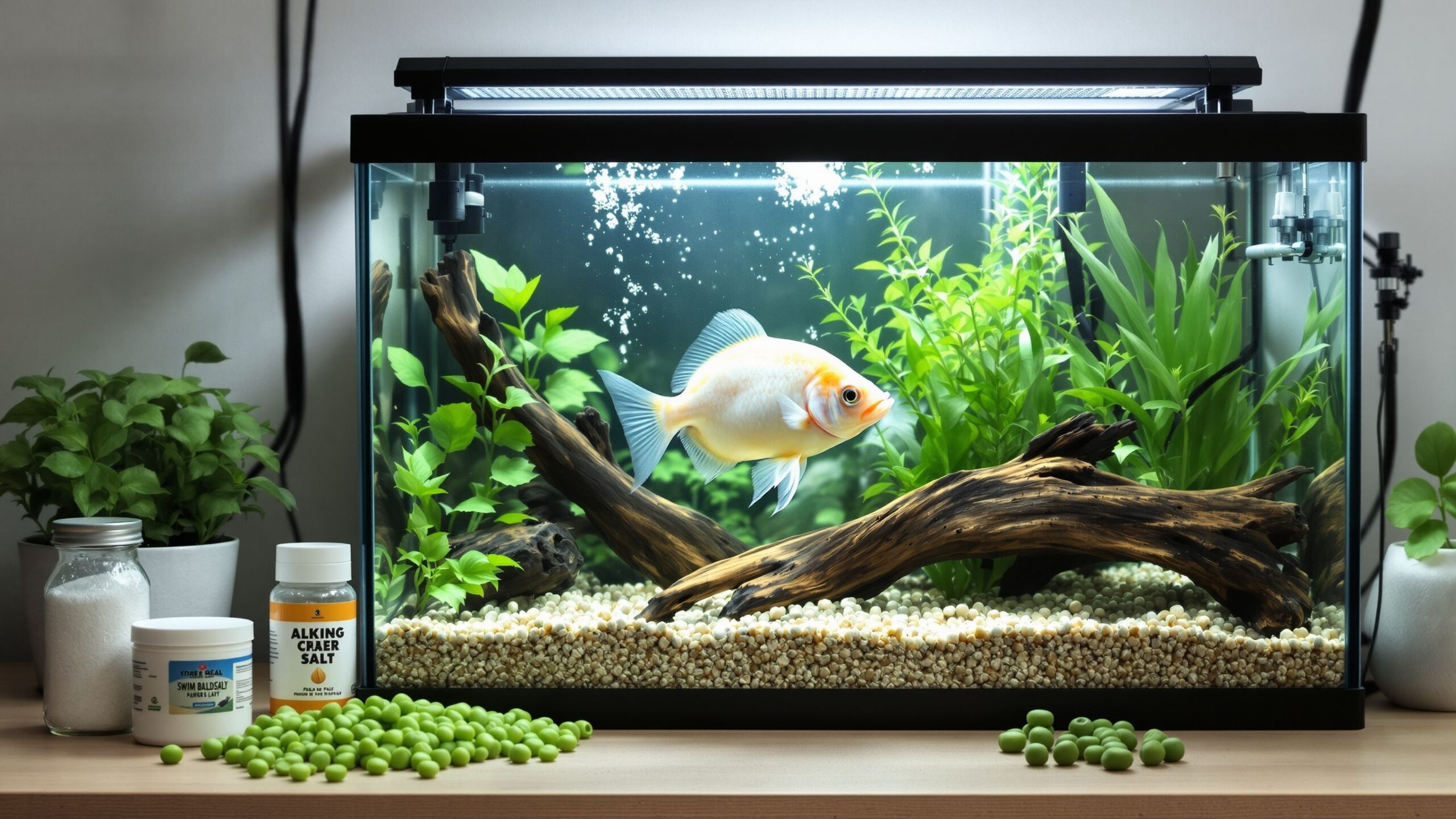
Fish may live behind glass, but they experience stress just like any other animal. While they can’t cry out or display obvious emotions, their behavior and health reveal everything. Stress in fish is more than temporary discomfort—it weakens immunity, disrupts digestion, and opens the door to deadly infections. Many aquarists mistake early signs of stress for minor quirks, only realizing the truth when sickness spreads. Understanding the causes, recognizing the symptoms, and applying proven solutions can transform your tank from a tense environment into a peaceful aquatic world.
A: Test water, boost aeration, dim lights, and add cover; correct any parameter drift before changing diet.
A: Rehome aggressor, increase school size, rearrange scape, and add sight breaks to reset territories.
A: Lower temp gradually, maximize surface agitation, and consider a temporary air stone.
A: Add background, reduce room glare, and soften flow; verify ammonia/nitrite at zero.
A: Common post-move; keep lights low, feed lightly, and maintain pristine parameters.
A: They support recovery but the cure is removing the cause (water, aggression, temperature).
A: Slowly, in small batches with quarantine; let bacteria catch up to new bioload.
A: Biological capacity helps, but too much current can exhaust delicate species—balance it.
A: Yes; consistent photoperiods lower stress and algae chaos.
A: Rapid decline, mass symptoms, or unclear diagnosis despite stable parameters—consult an aquatic vet or specialist.
Understanding What Stress Really Means for Fish
Stress in fish occurs when external conditions push their bodies beyond normal limits. In nature, fish respond to threats by fleeing or hiding. In captivity, they cannot escape, so stress becomes chronic. This long-term strain triggers a surge of cortisol, the stress hormone, which suppresses immune response and slows growth. Chronic stress doesn’t kill instantly, but it chips away at vitality until disease or organ failure follows. Every aquarist’s goal should be prevention—creating conditions where fish feel secure, not merely alive.
Common Causes of Stress in Aquarium Fish
Stress has many faces, and it often builds from multiple small issues rather than one large event. Poor water quality is the leading cause. Elevated ammonia, nitrite, or nitrate levels irritate gills and skin, forcing fish to expend energy detoxifying instead of thriving. Temperature swings are another major trigger, especially for tropical species sensitive to fluctuations. Overcrowding increases territorial disputes and competition for food, while aggressive tank mates cause constant anxiety. Even external factors—loud noises, bright lights, or constant movement near the glass—can create environmental stress. Each variable matters; together, they determine whether your aquarium feels like a sanctuary or a battlefield.
Poor Water Quality: The Invisible Enemy
When it comes to fish stress, bad water is the silent assassin. Elevated toxins, unstable pH, or low oxygen quickly overwhelm a fish’s ability to adapt. Ammonia burns delicate gills, making breathing painful. Nitrite disrupts oxygen transport in the blood, leading to sluggish movement and gasping. Nitrate buildup over time weakens immunity, leaving fish vulnerable to bacterial infections. These problems rarely appear overnight—they creep in through neglected maintenance, overfeeding, or filter failure. Weekly testing, partial water changes, and maintaining strong biological filtration are the simplest yet most powerful ways to eliminate water-related stress.
Temperature Fluctuations and Oxygen Imbalance
Fish thrive within narrow thermal ranges, and temperature shifts as small as two degrees can cause discomfort. Rapid cooling slows metabolism; sudden heating depletes oxygen. A malfunctioning heater, open windows, or direct sunlight can all alter temperature quickly. The link between heat and oxygen is critical—warm water holds less oxygen, making aeration even more important. A reliable heater and digital thermometer keep your environment stable, while gentle surface movement or air stones ensure steady oxygen exchange. Stability, not intensity, keeps fish relaxed and energetic.
Aggression and Overcrowding
Social structure plays a major role in fish stress. Overcrowded tanks force species into constant contact, leading to territorial fights and dominance struggles. Aggressive species like cichlids or bettas attack weaker tank mates, leaving injuries that can quickly become infected. Even non-aggressive fish grow restless when space is limited. The rule of thumb is simple: give every fish room to swim, hide, and retreat. Add plants, driftwood, and rocks to break sightlines and create safe zones. Understanding compatibility before stocking prevents conflict and promotes long-term harmony.
Improper Tank Setup and Lighting
A poorly designed tank layout can unintentionally stress fish. Bright, unshaded lighting with no hiding spots leaves shy species exposed. Constant exposure to light without a natural day-night cycle also confuses biological rhythms. Similarly, loud filters, tapping on glass, or frequent rearranging of decor unsettle fish that depend on familiarity. Mimic nature—provide cover with plants, caves, and subdued lighting. Choose bulbs with natural color temperatures and set timers to simulate sunrise and sunset cycles. The more predictable and comfortable your tank feels, the less stress your fish experience.
Poor Diet and Feeding Habits
Nutrition directly influences a fish’s ability to handle stress. Overfeeding fouls water, while underfeeding weakens energy reserves. A diet lacking in vitamins, minerals, and essential fatty acids leads to dull coloration, lethargy, and poor immune function. Feed a varied diet that includes high-quality flakes, pellets, and occasional frozen or live food. Avoid feeding in the dark or when fish are resting—predictable routines lower anxiety. Clean up uneaten food immediately, as decaying leftovers cause both pollution and unease.
Signs and Symptoms of Stress in Fish
Recognizing stress early prevents irreversible damage. The most common behavioral signs include erratic swimming, darting, hiding excessively, or hovering near the surface. Physical symptoms range from faded color and clamped fins to loss of appetite or visible lesions. Stressed fish often isolate themselves from the group or gasp at the surface. Some develop rapid gill movement or scrape against decor to relieve irritation. Over time, chronic stress leads to weight loss, fin rot, or parasitic infections. If your fish suddenly act “off,” it’s rarely random—stress is often the root cause.
Color Fading and Clamped Fins
Color fading is one of the clearest indicators of stress. When cortisol levels rise, pigment cells contract, dulling once-vibrant hues. Clamped fins, held tight against the body, show discomfort or fear. These subtle signs often appear before illness becomes visible. Observe your fish daily under consistent lighting; quick recognition allows you to address stressors before they escalate. Restoring calm can bring color and fin posture back within days.
Rapid Breathing and Gasping
Fish breathe through gills that extract oxygen from water. When stressed, they breathe faster or swim to the surface gasping for air. This may result from low oxygen, ammonia irritation, or overheating. Rapid gill movement indicates your fish are fighting for air. Check aeration, test ammonia levels, and perform a partial water change immediately. Once oxygen balance is restored, breathing usually normalizes quickly.
Loss of Appetite and Lethargy
A healthy fish is always eager to eat. When stress strikes, appetite disappears. Lethargy, sluggish movement, or resting at the bottom are telltale signs. Reduced activity may also result from temperature shock or internal infection. Address environmental factors first—check temperature, water parameters, and tank mates—before assuming disease. Once the environment stabilizes, appetite and energy typically return.
Proven Solutions for Reducing Stress
The path to calm begins with restoring balance. Start by stabilizing water conditions—perform partial changes, clean filters, and test parameters regularly. Ensure steady temperature and adequate oxygenation. Reorganize tank decor to create secure hiding places, reducing aggression and visual tension. Adjust lighting schedules to mimic natural rhythms and avoid sudden bright flashes. Feed nutritious, varied meals at consistent times. Above all, limit sudden changes; stability is the antidote to stress. Fish thrive on routine and familiarity.
Using Aquarium Salt and Stress-Coat Treatments
Certain additives can help fish recover from mild stress. Aquarium salt, used in correct doses, improves gill function and reduces osmotic stress. It also acts as a mild antiseptic, aiding healing from minor injuries. Stress-coat conditioners with aloe vera form a protective slime layer that soothes damaged skin and scales. These treatments should complement—not replace—good water quality. Always follow dosage guidelines and use cautiously with sensitive species like catfish or scaleless fish.
The Power of Quarantine and Observation
Whenever a fish shows severe signs of stress or illness, isolation in a quarantine tank provides relief. A smaller, controlled environment with gentle aeration, stable temperature, and clean water allows for rest and recovery. Quarantine tanks are also essential when introducing new fish, preventing unseen parasites or bacteria from spreading. Observe isolated fish closely for improvement or new symptoms before returning them to the main aquarium. Quarantine isn’t punishment—it’s a sanctuary for healing.
Long-Term Strategies for Stress-Free Aquariums
Consistency and observation are the pillars of lasting peace. Establish a stable routine: regular water testing, scheduled feedings, and predictable light cycles. Avoid overcrowding and match species compatibility carefully. Keep equipment well-maintained and replace failing parts before they cause crises. Introduce new fish gradually and quarantine them first. Finally, spend time simply watching your aquarium. The more you learn each fish’s normal behavior, the faster you’ll spot when something’s wrong. Prevention through attentiveness is far more effective than rescue after disaster.
The Connection Between You and Your Fish
Fish may not wag their tails or purr, but they respond to your presence. Over time, they learn your feeding patterns and recognize movement near the tank. Calm, deliberate actions reassure them; sudden movements cause panic. Building trust reduces stress for both you and your aquatic pets. A peaceful tank reflects the calm energy you bring to it. When fish glide effortlessly through clear, balanced water, they’re not just surviving—they’re thriving because you’ve built a world where they feel safe.
Peace Beneath the Surface
Stress is invisible until it’s too late—but with awareness and care, it’s entirely preventable. Every ripple in your aquarium tells a story of balance or imbalance. By maintaining stable water, harmony among species, and consistency in care, you give your fish the environment they deserve. A stress-free tank isn’t about perfection—it’s about predictability, safety, and serenity. In that still, shimmering world beneath the surface, calm water means happy fish—and happy fish mean a thriving aquarium.
Pet Product Reviews
Explore Duffy Street’s Pet Product Reviews! Sniff out the top-rated toys, treats, gear, and gadgets for your pets with our fun, easy-to-read comparisons. We’ve done the digging so you can find the perfect products for your pet friends!