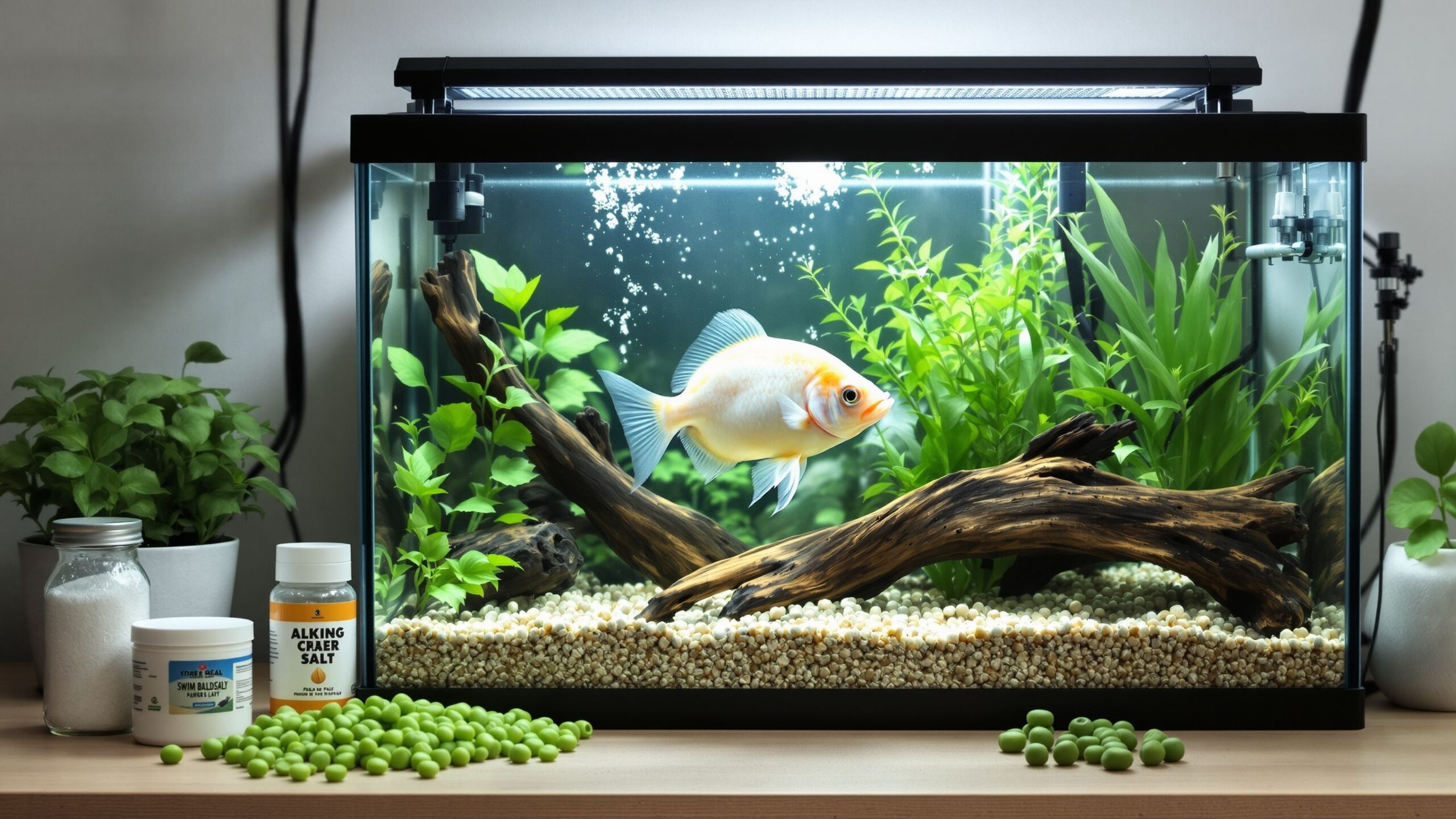
A vibrant aquarium filled with colorful, active fish is one of the most peaceful sights in any home. But even the most carefully maintained tanks can harbor hidden dangers. Fish often mask illness until it becomes severe, so early detection is crucial. Recognizing subtle warning signs can prevent a minor problem from turning into a tank-wide outbreak. This guide explores the key symptoms, underlying causes, and preventive measures to help you catch disease early and keep your aquatic world healthy and thriving.
A: Test water, raise aeration, consider gradual temp increase (FW Ich), and move fish to quarantine for targeted treatment.
A: For some FW external parasites and mild osmotic relief—research species tolerance first.
A: Avoid when possible; meds can damage biofilters and inverts—use a hospital tank.
A: Rapid onset with flashing/spots suggests parasites; ulcers/cloudy eyes often point bacterial—identify before dosing.
A: Offer frozen/live options, reduce stressors, and correct water quality; persistent refusal requires quarantine.
A: Not mandatory, but it can reduce free-floating pathogens and aid clarity.
A: Typically 10–14 days symptom-free post-treatment before reintroduction.
A: They can support appetite/immunity but aren’t cures—pair with husbandry and correct meds.
A: Quarantine all new arrivals, keep parameters stable, avoid overstocking, and maintain varied nutrition.
A: Rapid decline, widespread symptoms, or uncertain diagnosis—consult an aquatic vet or experienced retailer.
Understanding Why Early Detection Matters
Fish have evolved to conceal weakness—a survival instinct that protects them from predators in the wild. In an aquarium, however, this instinct can make it difficult for owners to notice when something is wrong. By the time visible symptoms appear, the disease may already have progressed. Early detection allows you to intervene before infection spreads to other fish, protecting both individual health and overall tank stability. Observing your fish daily isn’t just a hobby—it’s your best defense. Paying attention to their movements, color, appetite, and interaction patterns helps you spot subtle shifts that signal trouble. Healthy fish are active, curious, and alert; any deviation deserves investigation.
Loss of Appetite or Refusal to Eat
The first sign of trouble is often at feeding time. When fish suddenly stop eating or show less interest in food, it usually indicates stress, illness, or poor water quality. A loss of appetite can result from internal parasites, bacterial infections, or even high ammonia or nitrite levels in the water. Observe feeding behavior closely. If only one fish avoids food while others eat normally, isolate it for observation. If multiple fish show disinterest, test your water immediately. Appetite changes can precede visible symptoms, making this an early red flag you should never overlook.
Faded or Dull Coloration
Healthy fish display rich, vibrant colors that reflect good nutrition and stable water chemistry. When those colors fade or appear patchy, it can indicate stress, malnutrition, or the onset of disease. Fading is often a symptom of poor water quality or an imbalance in temperature or pH levels. Certain infections, like velvet disease or bacterial infections, also cause dull or discolored patches on the body or fins. A quick check of water parameters and observation of other symptoms—such as clamped fins or lethargy—can help determine the underlying issue.
Erratic or Unusual Swimming Behavior
Fish that suddenly swim in jerky motions, dart erratically, spin, or struggle to maintain balance are likely in distress. Such behavior can be a sign of swim bladder disorder, parasitic irritation, or neurological issues. Gasping at the surface or rubbing against tank decorations (known as “flashing”) often points to external parasites like ich or flukes. Always investigate sudden behavioral shifts. Observe whether the problem affects multiple fish or just one, and note whether the behavior worsens after feeding or water changes. These clues help narrow down the cause—environmental, parasitic, or mechanical injury.
Clamped or Torn Fins
Fish communicate a great deal through their fins. When fins appear clamped tightly against the body, it often indicates discomfort or illness. Torn, ragged, or frayed fins suggest fin rot or aggression from tank mates. Clamped fins, on the other hand, may signal bacterial infection or poor water quality causing irritation. Act quickly if you notice these changes. Test ammonia and nitrite levels, check for sharp decor that could injure fins, and observe interactions between fish. Fin issues, though seemingly minor, are often the first visible symptom of something more serious.
Lethargy or Unusual Stillness
Healthy fish are active, constantly swimming, exploring, and interacting with their surroundings. A lethargic fish that lingers at the bottom of the tank or hides excessively may be fighting infection, struggling with oxygen deprivation, or reacting to stress. Prolonged stillness—especially if accompanied by clamped fins or rapid gill movement—is an immediate red flag. Ensure adequate oxygen levels by checking aeration and filtration. Stagnant water or high temperatures can reduce oxygen, making breathing difficult. If water quality checks out, isolate the affected fish for closer monitoring.
Gasping at the Surface or Rapid Gill Movement
One of the most alarming sights for any aquarist is seeing fish repeatedly swim to the surface to gulp air. This behavior suggests oxygen deficiency, ammonia poisoning, or gill parasites. Rapid gill movement (labored breathing) indicates stress or irritation of the gills. In such cases, test your water immediately. Elevated ammonia or nitrite levels often damage gill tissue, making breathing painful. Alternatively, parasites like gill flukes or ich can obstruct oxygen exchange. Swift action—water change, aeration boost, and possible medication—is critical to prevent suffocation.
White Spots, Fuzzy Patches, or Mucus
Visible changes on the skin or fins are clear signs of disease. White salt-like grains typically indicate ich (Ichthyophthirius multifiliis), a common parasitic infection. Fuzzy white or gray patches can be fungal infections, while excess mucus suggests bacterial irritation or parasites like costia. Inspect all fish under good lighting and look for patterns of spread. Treat promptly with targeted medication—delays can allow pathogens to multiply and infect the entire tank. Clean decor and vacuum the substrate to remove lingering spores or cysts.
Bloating or Abnormal Body Shape
A swollen belly or distorted body shape can point to internal parasites, dropsy, constipation, or organ failure. Dropsy, in particular, is a serious condition caused by bacterial infection leading to fluid buildup inside the body. Scales may appear to stick out like a pinecone, signaling advanced infection. If bloating occurs, isolate the fish and check dietary habits. Overfeeding dry foods without soaking them can cause intestinal blockages. A fasting period followed by feeding high-fiber foods like peas can sometimes relieve mild cases. For severe swelling, seek antibacterial treatment and review tank hygiene immediately.
Scratching or Rubbing Against Objects
When fish repeatedly brush or rub against gravel, rocks, or decorations, they are likely trying to relieve irritation from parasites or toxins. This behavior—known as “flashing”—is often linked to ich, velvet, or flukes. Occasionally, it can result from water with high chlorine or ammonia levels. While occasional scratching isn’t always serious, frequent or frantic rubbing requires investigation. Check for visible white spots or cloudiness on fins and body. Perform partial water changes and, if parasites are confirmed, begin treatment with antiparasitic medication.
Cloudy Eyes or Bulging Eyes
Cloudy eyes may result from bacterial infections, poor water quality, or physical injury. When both eyes appear cloudy, the problem often stems from poor tank hygiene or a bacterial infection. A single swollen eye may suggest trauma or localized infection. Popeye disease, where the eyes protrude unnaturally, is a symptom of internal infection or pressure buildup. Improve water conditions immediately and isolate the affected fish. Antibiotic treatment may be required if bacterial infection is suspected. Prompt care prevents vision loss and systemic spread.
Stringy or Discolored Feces
Observing waste might not be glamorous, but it’s one of the most reliable indicators of health. Healthy fish waste is firm and sinks quickly. White, stringy, or mucus-like feces often indicate internal parasites or digestive issues. Blood in waste can signal bacterial infection or internal injury. Check diet quality and feeding habits—excess filler ingredients or spoiled food can upset digestion. Quarantine affected fish and treat with anti-parasitic medication if needed. Maintaining a varied, high-quality diet helps prevent digestive problems before they start.
Swelling Around Gills or Belly
Localized swelling—especially near the gills or abdomen—may point to fluid retention, tumors, or organ infection. If swelling is asymmetric or limited to one area, it may be a cyst or growth. Rapidly expanding or generalized swelling, however, usually indicates internal bacterial infection or dropsy. Early detection here is vital. While some causes are treatable, advanced bacterial infections often prove fatal. Immediate isolation and antibacterial treatment, combined with pristine water conditions, offer the best chance for recovery.
Hiding More Than Usual
Fish naturally seek shelter at times, but excessive hiding signals stress or discomfort. Stress can arise from bullying tank mates, poor lighting, or sudden changes in temperature and chemistry. Chronic hiding often precedes more visible disease symptoms like fin damage or loss of color. Observe interactions closely. If aggression is occurring, rearrange decor or provide additional hiding spots. If no bullying is seen, test water conditions and monitor for additional symptoms.
The Hidden Role of Stress in Fish Disease
Stress is often the invisible trigger behind most aquarium illnesses. It weakens the immune system, making fish vulnerable to infections they would normally resist. Overcrowding, poor diet, loud environments, or sudden changes in lighting or temperature can all elevate stress levels. Minimizing stress means providing consistency—steady water parameters, predictable feeding times, and sufficient space. A stable, peaceful environment keeps your fish resilient and naturally resistant to disease.
How to Respond When You Notice Symptoms
When you first spot a symptom, don’t panic—act methodically. First, test your water parameters: ammonia, nitrite, nitrate, pH, and temperature. Many issues stem from poor water quality rather than infection. Correcting these can often restore fish health without medication. If symptoms persist or worsen, isolate the affected fish in a hospital tank. This prevents disease spread and allows for targeted treatment. Use appropriate medication based on diagnosis—parasitic, bacterial, or fungal—and always complete the full treatment course even if symptoms disappear early. Avoid overusing medications; they can harm beneficial bacteria and stress fish further. Combine treatments with water changes and activated carbon afterward to remove residue.
Preventing Disease Before It Starts
Prevention is the cornerstone of fish health. Maintain stable water parameters, perform regular partial water changes, and avoid overfeeding. Quarantine all new fish and plants for at least two weeks before introducing them into the main tank. Sterilize nets and equipment between uses to prevent cross-contamination. A balanced diet rich in nutrients strengthens immunity, while a clean, stress-free environment reduces vulnerability to illness. Consistency, observation, and patience are your greatest tools in disease prevention.
Building a Long-Term Health Routine
Healthy aquariums depend on consistent care. Create a schedule for testing water, cleaning filters, trimming plants, and inspecting fish. Routine observation turns potential crises into manageable corrections. Keep records of water tests and symptoms—patterns often reveal hidden issues. Ultimately, maintaining fish health is a continuous process of learning and adjustment. Every tank has its rhythms; by tuning in, you’ll gain the insight needed to keep your aquatic community strong and disease-free.
Observation Is Your Best Medicine
Catching disease early saves lives and preserves the beauty of your aquarium. Each flick of a fin, each missed meal, each color shift tells a story—if you know how to read it. Observation, more than any chemical or device, remains your most powerful diagnostic tool. When you commit to understanding your fish beyond the surface, you’ll notice the subtle signals that reveal their well-being. With vigilance, balance, and compassion, you can ensure your fish live not just longer, but healthier, more vibrant lives within their underwater world.
Pet Product Reviews
Explore Duffy Street’s Pet Product Reviews! Sniff out the top-rated toys, treats, gear, and gadgets for your pets with our fun, easy-to-read comparisons. We’ve done the digging so you can find the perfect products for your pet friends!