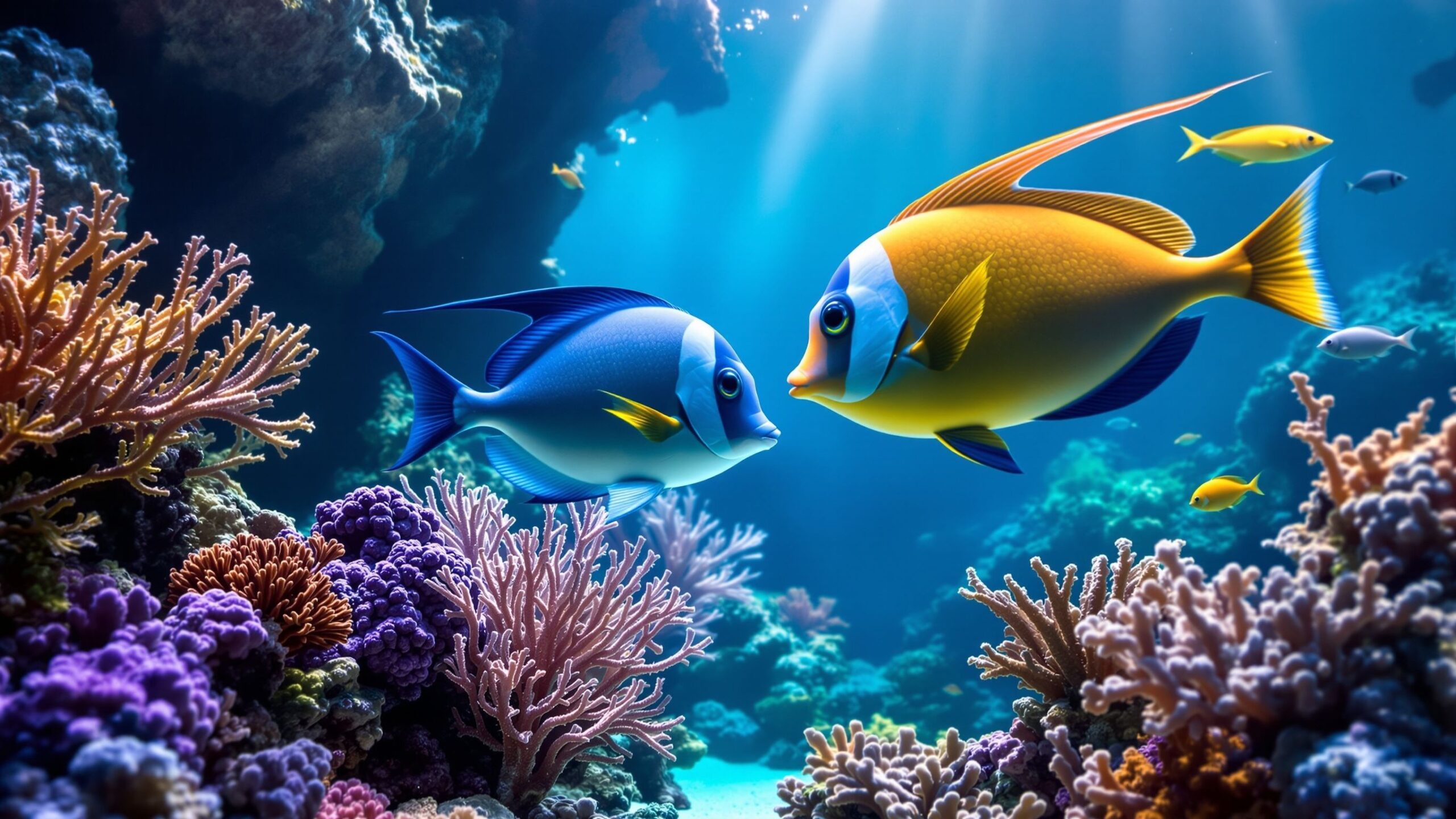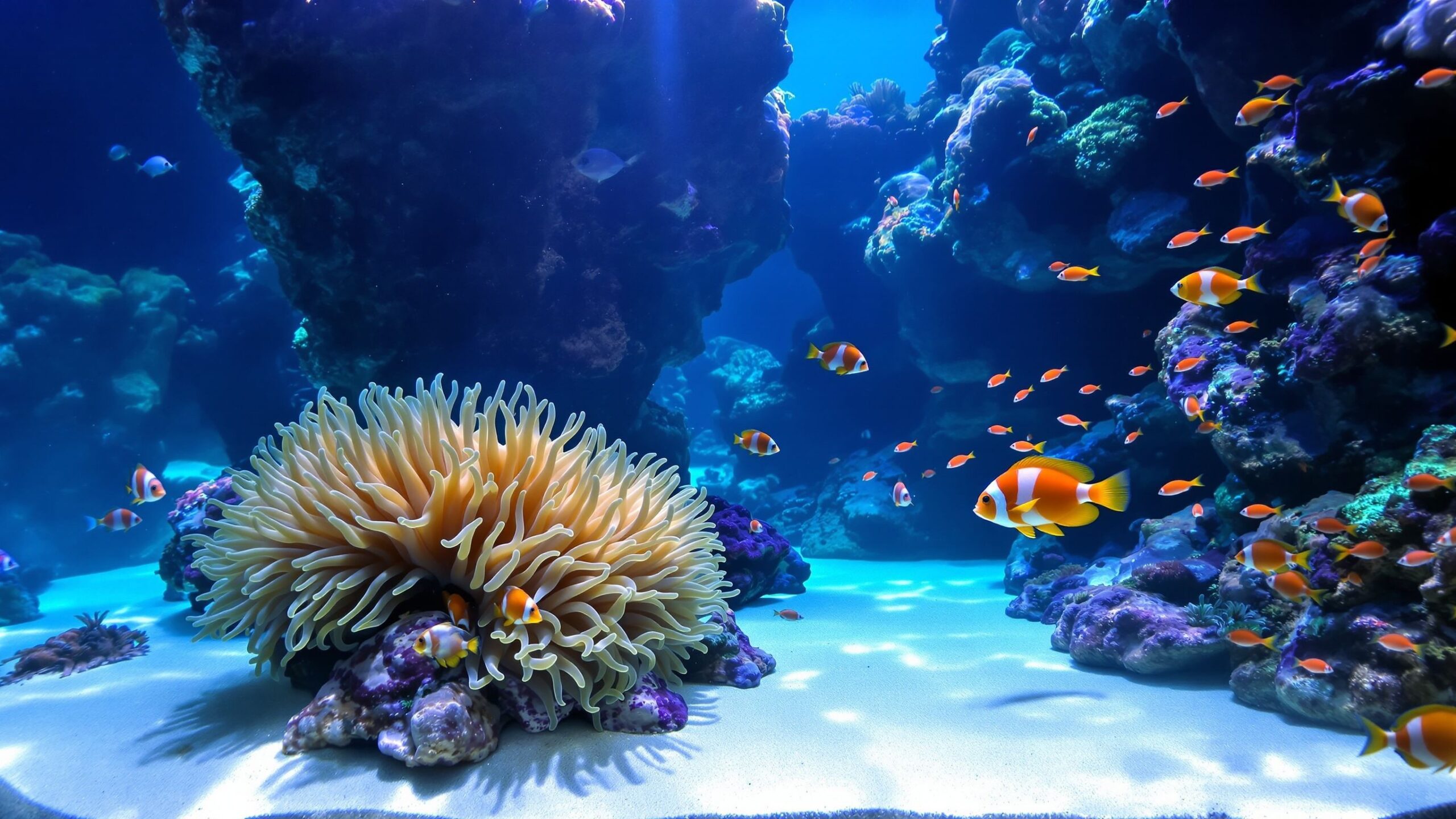
The ocean may seem like a vast, impersonal expanse, but beneath its surface exists a world filled with relationships, cooperation, and surprisingly deep social connections. Saltwater fish are often thought of as solitary creatures driven purely by instinct, yet many species form bonds that are essential to their survival and well-being. These bonds can range from temporary alliances to long-term partnerships that last for years. For beginners entering the world of marine aquariums, understanding why saltwater fish form relationships offers a powerful advantage. It reveals how fish communicate, cooperate, and coexist, helping you create a tank environment that supports not just life, but meaningful interaction.
A: Yes—many species form social connections based on breeding, territory, safety, cleaning, or mutual survival benefits.
A: No—bonded fish may be calm with each other but aggressive toward outsiders that approach their space.
A: Yes—compatible clownfish often pair up, especially when given a stable environment and enough territory.
A: It is a mutual partnership where the shrimp builds and maintains a burrow while the goby acts as a lookout.
A: Not reliably—compatibility depends on species behavior, tank space, temperament, and natural social patterns.
A: Look for shared territory, synchronized swimming, tolerance at close range, and calm behavior around one another.
A: Maturity, breeding, territory shifts, crowding, or stress can change previously calm social dynamics.
A: Some may show stress or behavioral changes after losing a familiar companion, especially strongly paired species.
A: No—schooling or group species rely on social safety, while bonded pairs usually have a more specific individual relationship.
A: Proper tank size, compatible species, steady routines, hiding spots, and low social stress give bonds the best chance to form.
The Science Behind Fish Bonding Behavior
Fish bonding is rooted in evolutionary biology and survival strategy. In the wild, forming relationships can increase a fish’s chances of finding food, avoiding predators, and reproducing successfully. These bonds are not random; they are driven by instinct and reinforced by environmental pressures. Some species form pair bonds for mating purposes, while others rely on group dynamics for protection and efficiency. Scientific studies have shown that fish are capable of recognizing individuals, remembering past interactions, and adjusting their behavior accordingly. This level of awareness allows them to form stable relationships that benefit both parties. For aquarists, recognizing these natural tendencies helps explain why certain fish thrive together while others clash.
Pair Bonding: Partnerships in the Reef
One of the most fascinating forms of fish relationships is pair bonding. Certain saltwater species, such as clownfish and some angelfish, form long-term partnerships that revolve around cooperation and shared responsibility. These pairs often work together to defend territory, care for eggs, and maintain a stable environment. In many cases, the bond is so strong that separation can cause stress or behavioral changes. Pair bonding is often linked to reproduction, but it also provides stability in an otherwise unpredictable environment. In an aquarium, observing a bonded pair can be one of the most rewarding experiences, as their interactions often appear coordinated and purposeful. Understanding the importance of these bonds ensures that paired species are kept together and given the space they need to thrive.
Social Groups and Schooling Behavior
While some fish form close one-on-one bonds, others rely on group dynamics to survive. Schooling and shoaling behaviors are common among many saltwater species, particularly smaller fish that are more vulnerable to predators. By moving together in coordinated patterns, these fish create confusion for predators and reduce the risk to any single individual. Within these groups, subtle relationships still exist. Fish may recognize preferred companions, follow leaders, or adjust their position based on hierarchy. In an aquarium, keeping schooling fish in appropriate numbers allows them to display these natural behaviors. When kept alone, these fish may become stressed or exhibit abnormal patterns. Understanding the importance of group bonds helps create a more natural and visually engaging tank environment.
Symbiotic Relationships: Cooperation Between Species
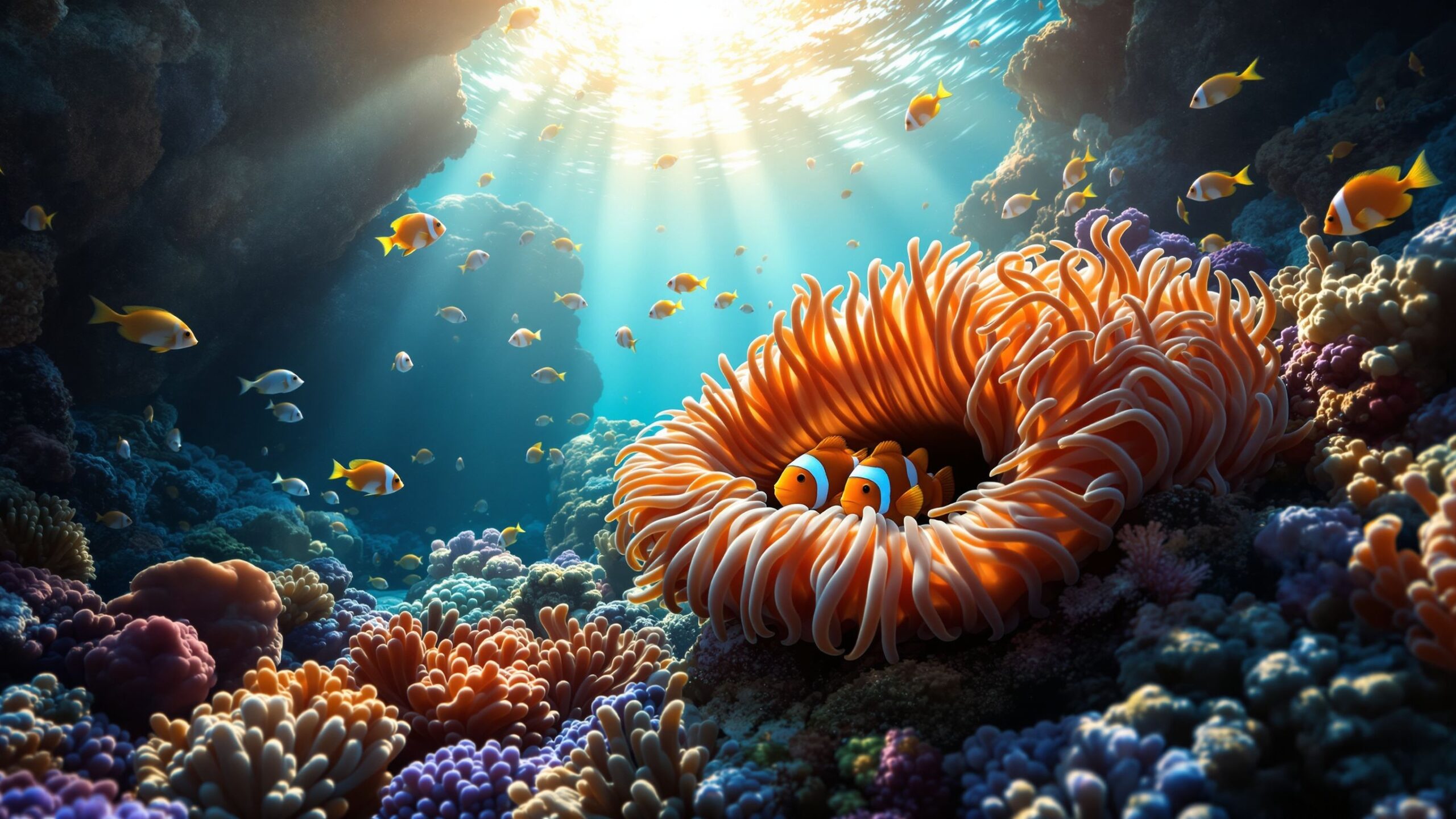
Some of the most remarkable bonds in the marine world occur between entirely different species. Symbiotic relationships involve two organisms working together for mutual benefit. A classic example is the relationship between clownfish and sea anemones. The clownfish gains protection from predators by living among the anemone’s stinging tentacles, while the anemone benefits from the clownfish’s cleaning and nutrient contributions. Another example includes cleaner fish that remove parasites from larger fish, creating a relationship based on trust and mutual advantage. These partnerships highlight the complexity of marine ecosystems and demonstrate that bonding is not limited to members of the same species. In a home aquarium, recreating these relationships can enhance both the health and behavior of your fish, providing a glimpse into the cooperative nature of ocean life.
Communication and Recognition Among Fish
For bonds to form and persist, fish must be able to communicate and recognize one another. This communication happens through a combination of visual cues, movement patterns, and sometimes even subtle chemical signals in the water. Changes in coloration, fin positioning, and swimming style can all convey information about mood, dominance, or intent. Fish that form bonds often develop synchronized behaviors, moving together or responding to each other’s actions in real time. Recognition plays a key role in maintaining these relationships. Fish can remember past interactions and adjust their behavior based on previous experiences, allowing them to build trust or avoid conflict. For aquarists, observing these interactions provides valuable insight into the social dynamics of the tank.
The Role of Environment in Bond Formation
The environment plays a critical role in whether fish bonds can form and flourish. In the wild, reefs provide structure, shelter, and resources that support complex interactions. In an aquarium, replicating these conditions is essential. A tank with ample hiding spots, stable water parameters, and appropriate space allows fish to establish territories and form relationships naturally. Stressful environments, on the other hand, can disrupt bonding behavior. Overcrowding, poor water quality, or constant disturbances may prevent fish from forming stable connections. Beginners should focus on creating a calm, well-structured habitat that encourages natural interaction. When fish feel secure, they are more likely to exhibit the full range of their social behaviors.
Emotional Capacity: Do Fish Form True Connections?
The idea that fish can form meaningful connections has long been debated, but recent research suggests that their social behavior is more complex than previously believed. While fish do not experience emotions in the same way humans do, they are capable of forming preferences, recognizing familiar individuals, and responding to social cues. These behaviors create what can be described as functional relationships—connections that serve a purpose and are reinforced over time. In an aquarium setting, fish may show signs of preference for certain tank mates, swimming together more frequently or displaying reduced aggression toward familiar individuals. Understanding this aspect of fish behavior adds a new layer of appreciation for their interactions and highlights the importance of maintaining stable social groups.
Bond Disruption and Behavioral Changes
When established bonds are disrupted, fish behavior can change dramatically. Separation from a bonded partner, the loss of a group member, or the introduction of a new fish can all impact social dynamics. Fish may become withdrawn, aggressive, or unusually inactive as they adjust to the change. These reactions are often temporary, but in some cases, they can lead to long-term stress if the environment remains unstable. Aquarists should be mindful of how changes in the tank affect existing relationships. Introducing new fish gradually and monitoring interactions closely can help minimize disruption. Understanding the importance of bonds allows you to manage your aquarium in a way that supports stability and reduces stress.
Choosing Compatible Fish for Strong Relationships
Selecting the right combination of fish is essential for fostering positive relationships in a saltwater aquarium. Compatibility goes beyond size and temperament; it also includes social behavior and bonding tendencies. Some species are naturally cooperative and form strong relationships, while others are more independent or territorial. Researching each species before adding it to your tank helps ensure that their social needs align. Pairing fish that complement each other’s behavior can lead to a more harmonious environment, where interactions are cooperative rather than competitive. Thoughtful selection and planning create a foundation for successful bonding and long-term stability.
Encouraging Natural Bonds in Your Aquarium
Creating an environment that encourages natural bonding requires attention to detail and a commitment to observation. Providing adequate space, maintaining stable water conditions, and offering a varied diet all contribute to a healthy social environment. Introducing fish at appropriate times and in the right order can also influence how relationships develop. Patience is key, as bonds often form gradually. By allowing fish to establish their own dynamics without constant interference, you give them the opportunity to develop stable and meaningful connections. Observing these relationships over time becomes one of the most rewarding aspects of the hobby.
The Beauty of Marine Relationships
The relationships formed by saltwater fish reveal a side of marine life that is often overlooked. Beneath the surface lies a network of interactions that are as intricate as they are essential. From lifelong pairs to cooperative partnerships between species, these bonds shape the behavior and survival of fish in profound ways. For beginners, understanding these relationships transforms the aquarium from a simple display into a living ecosystem filled with connection and purpose. As you learn to recognize and support these bonds, you gain a deeper appreciation for the complexity of marine life and the delicate balance that sustains it.
Pet Product Reviews
Explore Duffy Street’s Pet Product Reviews! Sniff out the top-rated toys, treats, gear, and gadgets for your pets with our fun, easy-to-read comparisons. We’ve done the digging so you can find the perfect products for your pet friends!