In a thriving reef tank, there is more happening than meets the eye. Beyond the vibrant colors and constant motion lies a web of relationships forming between your fish. For beginners, it can be difficult to tell the difference between random interaction and meaningful bonding, but recognizing these signs is one of the most rewarding parts of the saltwater aquarium journey. When fish bond successfully, their behavior becomes more coordinated, more relaxed, and often more fascinating to observe. Understanding these signals not only deepens your appreciation for marine life but also helps you maintain a peaceful and stable tank environment.
A: It varies—some pair within days, while others take weeks depending on species and environment.
A: Not always—brief chasing can be part of establishing hierarchy, but constant aggression is a concern.
A: Yes—stress, territory changes, or breeding behavior can trigger temporary conflict.
A: No—some species are solitary and prefer minimal interaction with others.
A: This may indicate imbalance in the relationship or stress, especially if it persists.
A: No—compatibility depends on species, temperament, and tank conditions.
A: Often, but some bonds are situational and may change over time.
A: Environmental changes, stress, or maturity can alter social dynamics.
A: Usually toward each other, but they may still defend territory from other fish.
A: Provide space, compatible species, stable conditions, and a well-structured environment.
Consistent Proximity and Shared Space
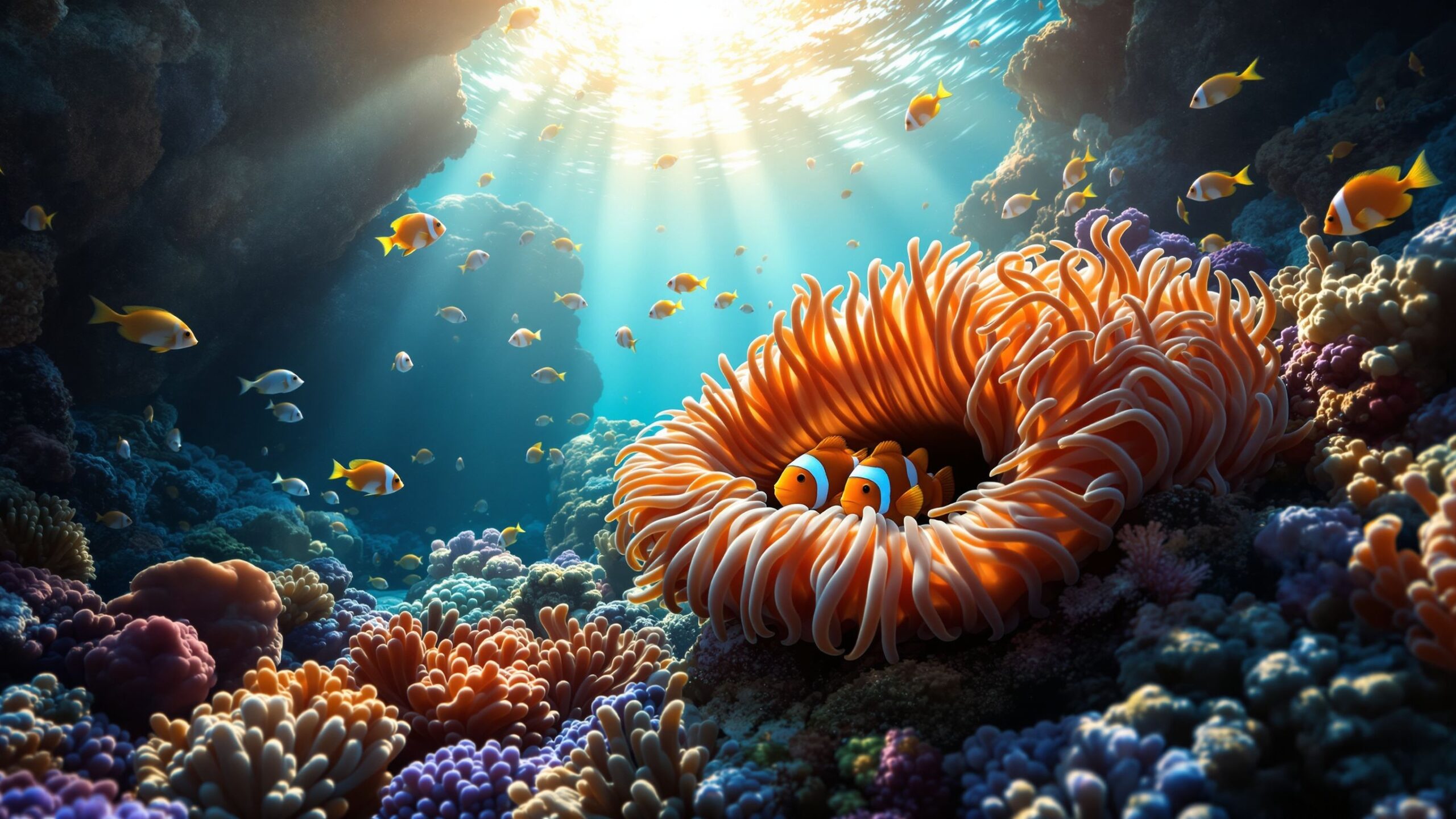
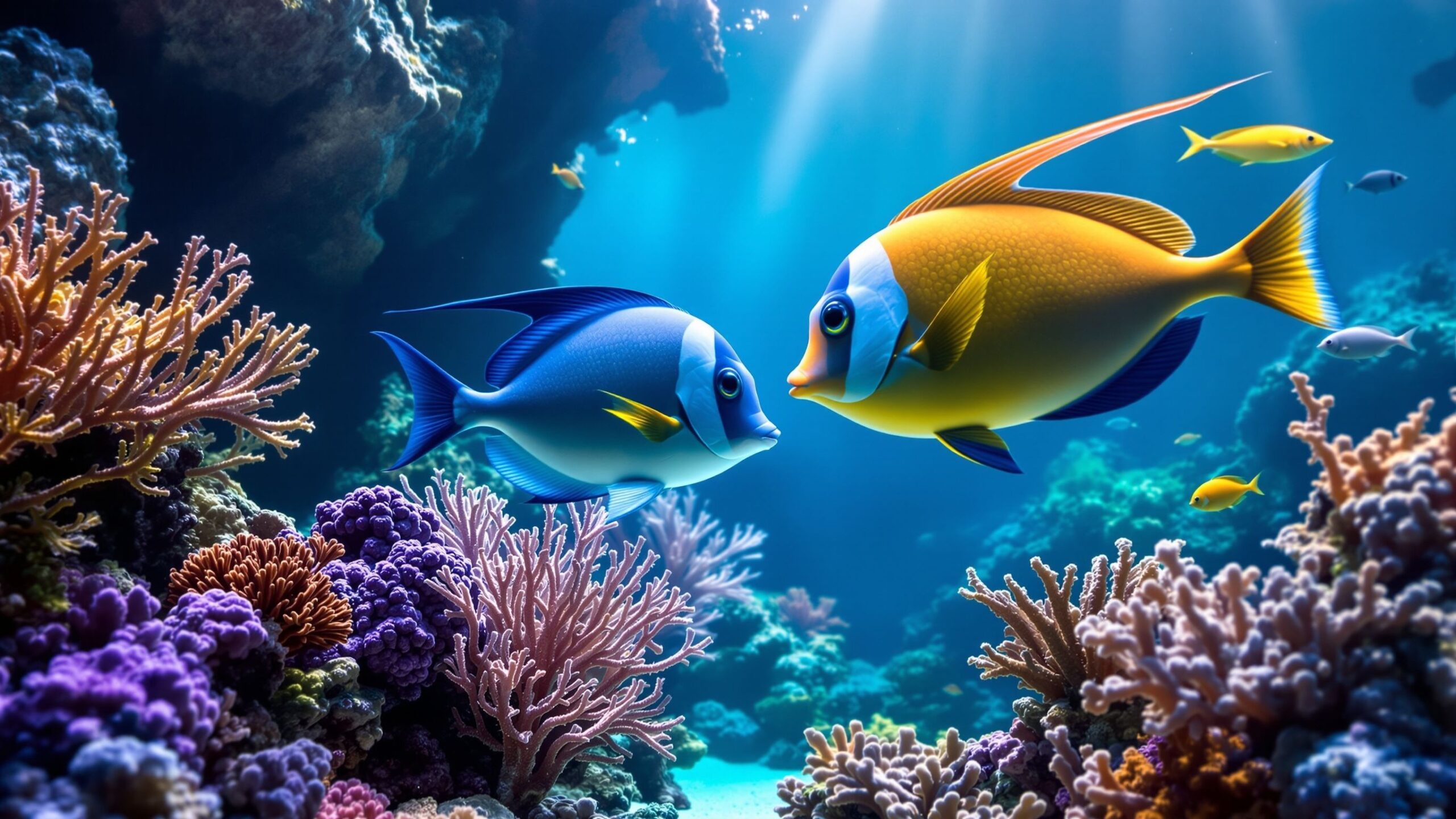
One of the clearest signs of bonding is consistent proximity. Fish that are forming a connection will often choose to stay near one another, even when the tank offers plenty of space. This behavior goes beyond coincidence. Instead of randomly crossing paths, bonded fish intentionally share the same areas of the tank, whether it’s a favorite corner, a cave, or an open swimming zone. They may rest near each other or return to the same location repeatedly. This shared space indicates comfort and trust, as fish typically avoid unnecessary closeness unless they feel secure. For aquarists, noticing which fish consistently stay together is often the first clue that a bond is forming.
Synchronized Swimming and Movement
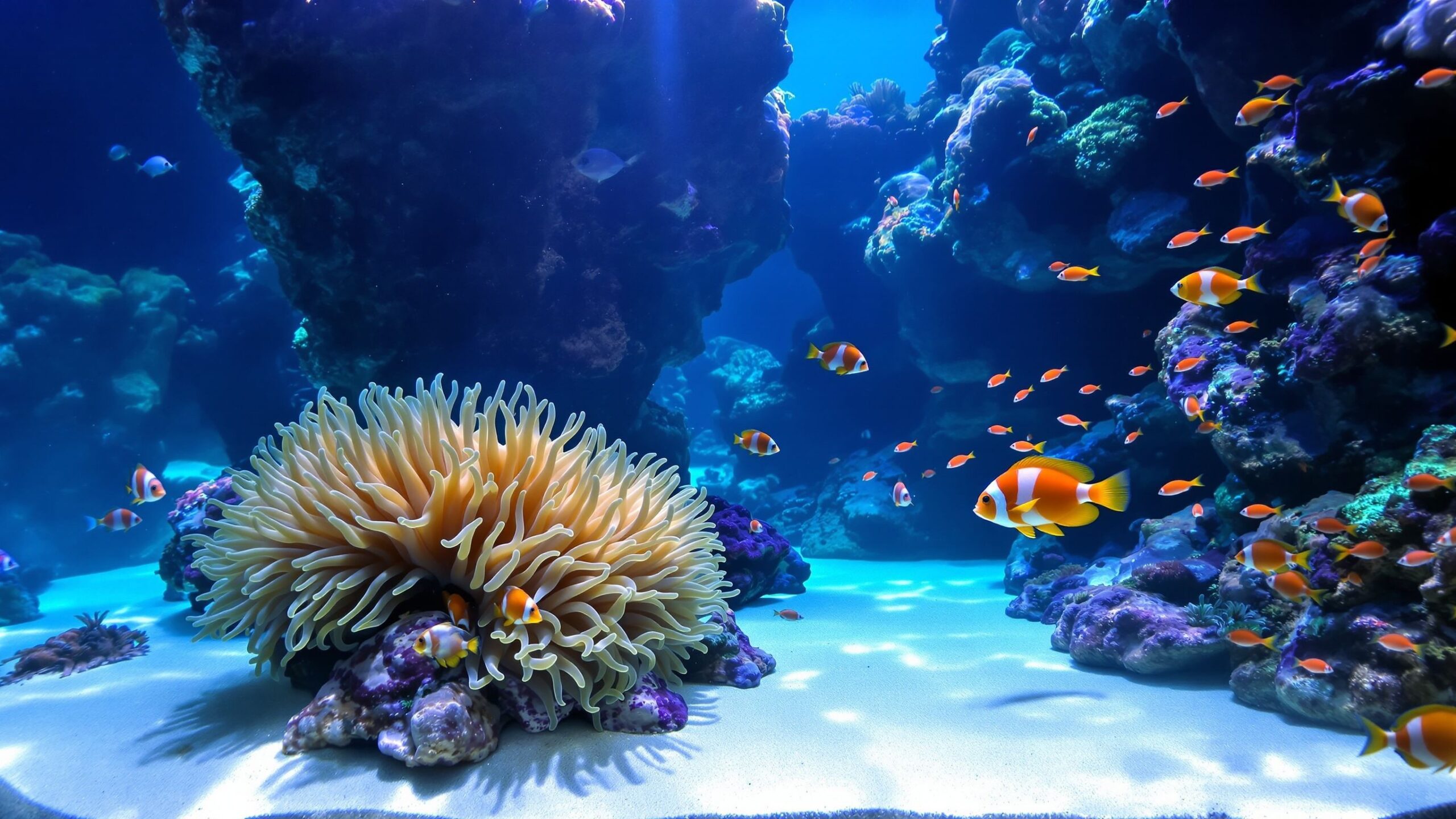
Another strong indicator of bonding is synchronized movement. Bonded fish often swim together in a coordinated manner, matching speed, direction, and rhythm. This behavior is especially noticeable in pairs or small groups that move almost as if they are connected. Synchronized swimming is not just visually striking; it reflects a level of communication and awareness between the fish. They are responding to each other’s movements in real time, maintaining alignment and avoiding collisions. This coordination suggests a stable relationship where both fish feel comfortable enough to move as a unit rather than as individuals.
Reduced Aggression and Tension
In many saltwater tanks, some level of aggression is normal, especially when fish are establishing territory or hierarchy. However, when bonding occurs, aggression between specific fish decreases significantly. Instead of chasing or displaying dominance behaviors, bonded fish tend to coexist peacefully, even in close quarters. You may notice that fish which were once defensive around each other begin to ignore or tolerate one another’s presence. This reduction in tension is a key sign that a relationship has stabilized. It does not necessarily mean the entire tank will be free of aggression, but within the bonded pair or group, interactions become noticeably calmer and more predictable.
Shared Feeding Behavior
Feeding time can reveal a lot about fish relationships. Bonded fish often feed in close proximity without competing aggressively. Instead of pushing each other away, they may take turns or simply eat side by side. This level of tolerance is significant, as food is one of the most contested resources in an aquarium. When fish allow each other to feed peacefully, it indicates trust and a reduced sense of competition. In some cases, one fish may even follow another during feeding, mirroring its movements and behavior. Observing how fish interact during meals provides valuable insight into the strength of their bond.
Mutual Grooming and Cleaning Interactions
In certain species, bonding can involve cooperative behaviors such as cleaning or grooming. While not all saltwater fish engage in this activity, some may pick at debris or parasites on one another, especially in symbiotic relationships. These interactions are subtle but meaningful, as they require close contact and mutual tolerance. Even in species that do not actively groom each other, you may notice behaviors that resemble cooperation, such as one fish allowing another to approach without defensive reactions. These moments highlight a level of comfort that goes beyond simple coexistence.
Pair Bonding and Territory Sharing
For species that naturally form pairs, successful bonding often includes shared territory. Instead of competing for space, bonded fish will defend a specific area together. They may patrol their territory side by side or take turns monitoring their surroundings. This cooperative defense is a strong indicator of a stable relationship. In some cases, bonded pairs will also share hiding spots or nesting areas, further reinforcing their connection. Observing how fish interact with their environment—and whether they do so together—can provide clear evidence of bonding.
Courtship and Display Behavior
Bonding is often accompanied by courtship behaviors, especially in species that form mating pairs. These displays can include changes in coloration, specific swimming patterns, or repeated interactions between the same two fish. While courtship may not always lead to breeding in a home aquarium, it is a clear sign that a connection has formed. These behaviors are usually consistent and directed, rather than random, making them easier to identify over time. For beginners, witnessing courtship displays can be an exciting confirmation that their fish are not only healthy but also comfortable enough to express natural instincts.
Relaxed Body Language and Calm Swimming
Bonded fish often exhibit more relaxed body language compared to those that are stressed or unfamiliar with each other. Their movements become smoother and less erratic, and they are less likely to hide or dart away when near their partner. This calmness reflects a sense of security within the relationship. Fish that feel threatened or uneasy tend to display rigid or rapid movements, while those that are comfortable move with ease and confidence. Observing the overall demeanor of your fish can help you determine whether bonding is occurring or if tension still exists.
Returning to Each Other After Separation
Even in larger tanks, bonded fish tend to seek each other out after periods of separation. They may briefly explore different areas but eventually return to swim or rest near one another. This behavior suggests recognition and preference, as the fish actively choose to be together rather than remaining apart. It is a subtle but powerful sign of bonding, indicating that the relationship is not dependent on constant proximity but is instead a consistent pattern of interaction.
Stability in the Tank’s Social Structure
When fish bond successfully, the overall social structure of the tank becomes more stable. Conflicts decrease, routines become more predictable, and fish appear more at ease in their environment. Bonded pairs or groups often act as anchors within the tank, maintaining consistent behavior that influences the dynamics of other fish. This stability is beneficial not only for the bonded fish but for the entire aquarium. A tank with clear relationships and minimal conflict is easier to manage and more enjoyable to observe.
Encouraging and Supporting Fish Bonds
While bonding occurs naturally, aquarists can take steps to support and encourage these relationships. Providing adequate space, maintaining stable water conditions, and selecting compatible species all contribute to successful bonding. Introducing fish carefully and observing their interactions during the early stages can help prevent conflict and allow relationships to develop gradually. Patience is essential, as bonding does not happen instantly. By creating an environment where fish feel secure and comfortable, you give them the opportunity to form connections that enhance both their well-being and the overall harmony of the tank.
The Reward of Recognizing Connection
Recognizing the signs of successful bonding transforms the aquarium experience into something far more engaging. Instead of simply observing fish, you begin to understand their relationships, preferences, and interactions. Each synchronized movement, shared space, and calm interaction becomes evidence of a connection forming beneath the surface. For beginners, this awareness adds depth and meaning to the hobby, turning a reef tank into a living network of relationships. In the end, understanding these bonds allows you to create not just a beautiful aquarium, but a thriving community where marine life can truly flourish.
Pet Product Reviews
Explore Duffy Street’s Pet Product Reviews! Sniff out the top-rated toys, treats, gear, and gadgets for your pets with our fun, easy-to-read comparisons. We’ve done the digging so you can find the perfect products for your pet friends!