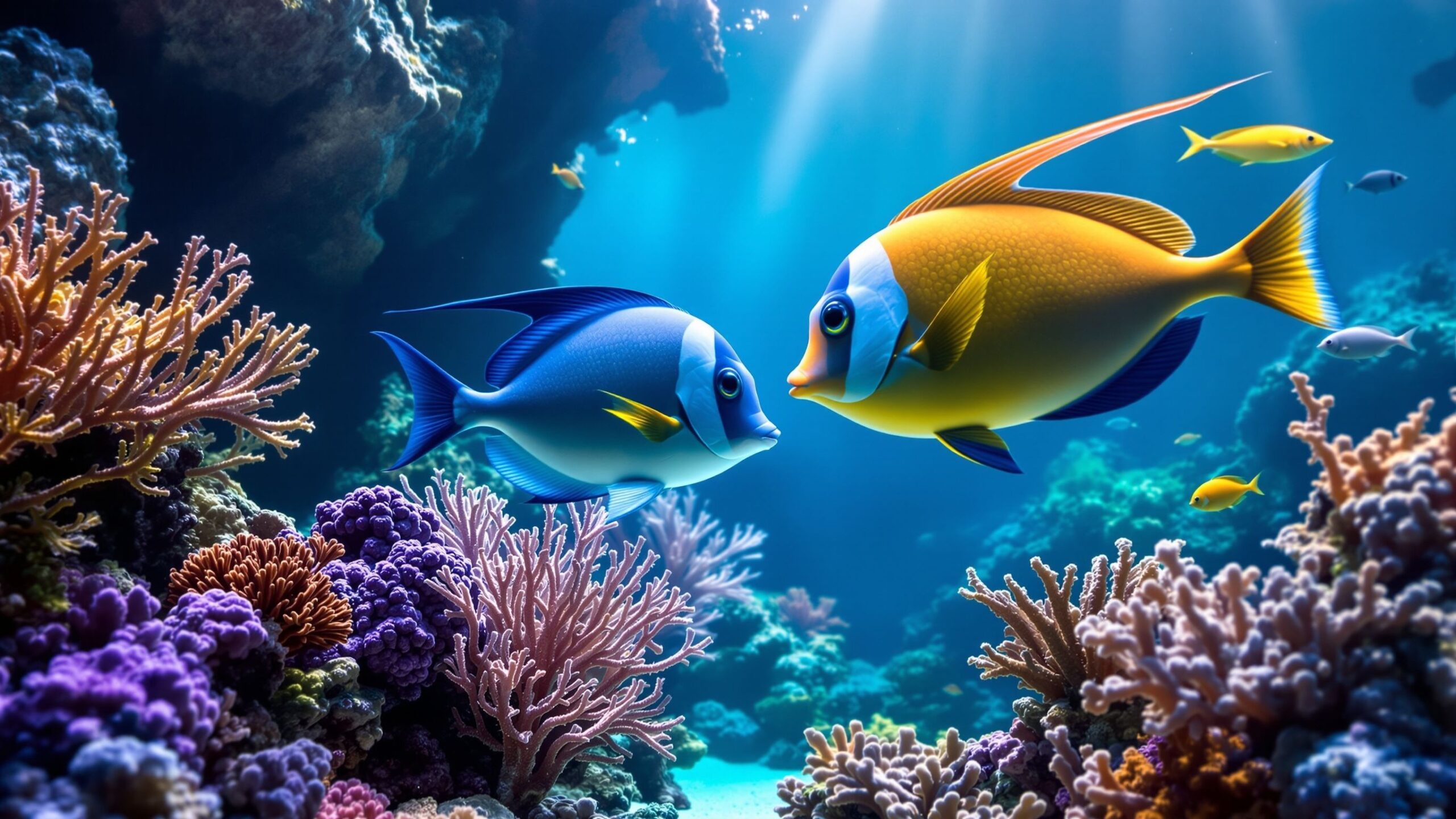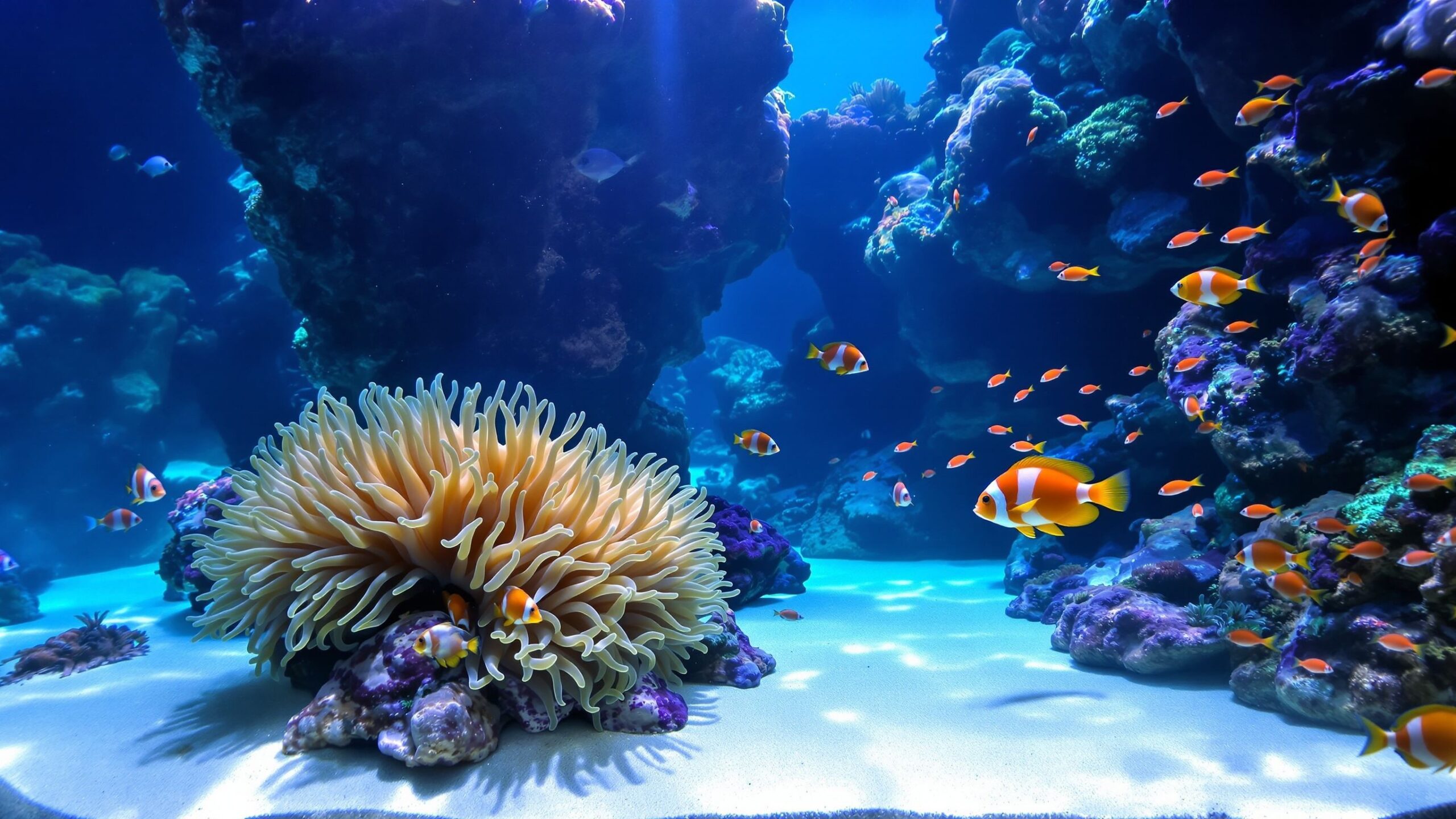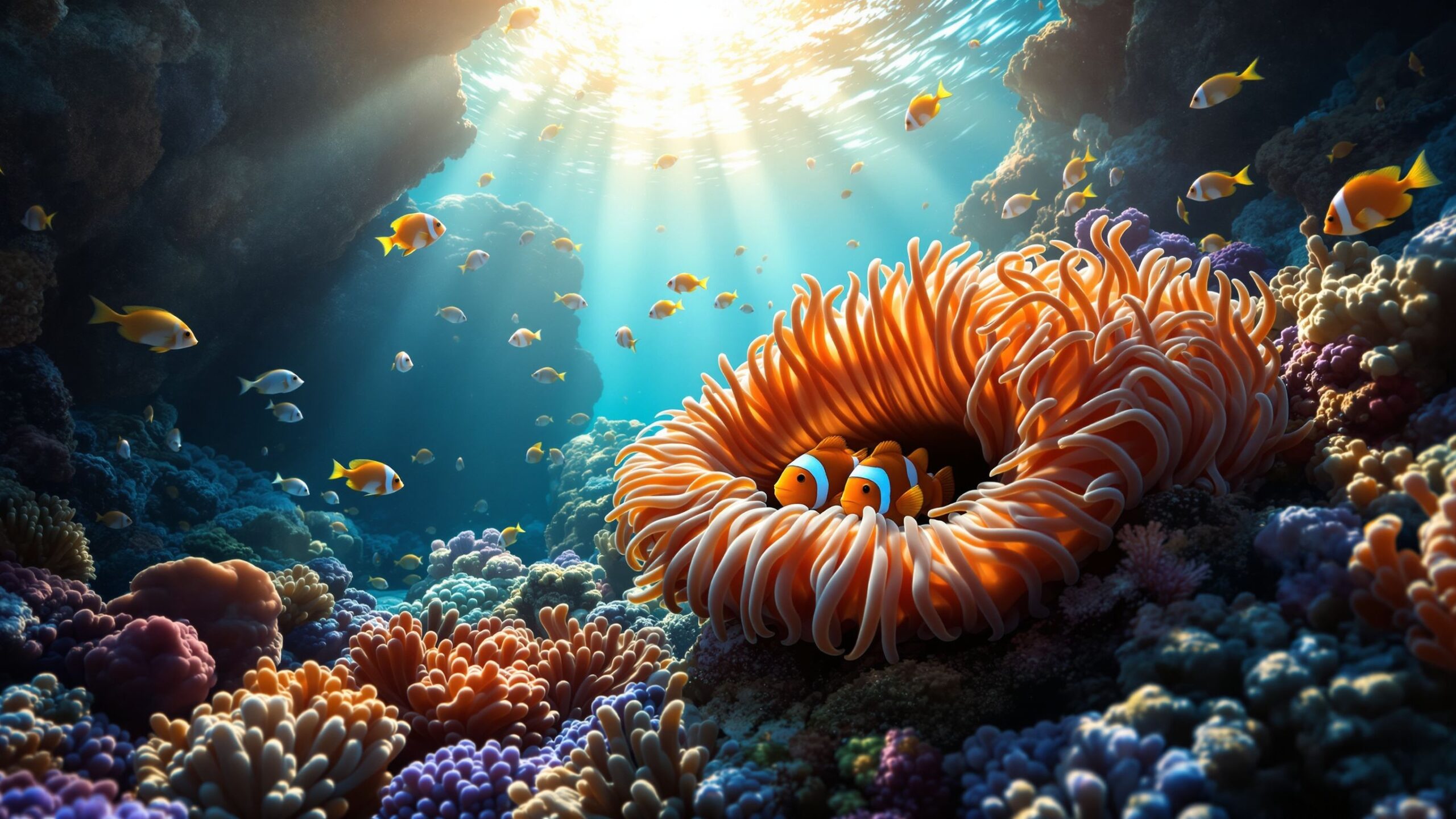
In the vibrant, ever-moving world of a reef tank, communication is happening constantly—even if it’s completely silent to us. Saltwater fish don’t rely on sound the way humans do, yet they exchange information every second through movement, color, positioning, and subtle environmental cues. To a beginner, this communication may look like random swimming or occasional chasing, but in reality, it is a complex system shaped by survival, hierarchy, and instinct. Understanding how saltwater fish communicate with each other unlocks a deeper level of aquarium keeping, allowing you to interpret behavior, reduce stress, and create a more balanced marine ecosystem.
A: Not like humans—they communicate through body language, movement, color, and behavior patterns.
A: It’s often a territorial or dominance signal, though it can become aggressive if constant.
A: Yes—many species learn to recognize tank mates and respond differently to familiar fish.
A: Color changes can signal mood, stress, dominance, or breeding readiness.
A: It can be a stress signal, confusion from reflections, or a reaction to the environment.
A: Yes—feeding time triggers strong signals related to competition and hierarchy.
A: Fin flaring is often a warning or display of dominance to other fish.
A: Yes—crowded tanks or reflections can cause confusion and unnecessary aggression.
A: No—communication styles vary widely by species and environment.
A: Provide space, hiding spots, proper tank mates, and stable conditions to reduce stress signals.
The Language of Movement and Body Position
One of the most immediate ways fish communicate is through movement. The way a fish swims—fast, slow, erratic, or deliberate—can signal everything from confidence to fear. A fish that glides smoothly through the tank is typically comfortable and secure, while one that darts quickly or hides frequently may be stressed or threatened. Body positioning also plays a critical role. Fish may angle their bodies, flare fins, or face each other head-on to establish dominance or defend territory. These movements are not random; they are intentional signals that other fish recognize and respond to. Over time, observing these patterns helps you understand the ongoing “conversations” happening within your tank.
Color Changes as a Form of Expression
Color is another powerful communication tool in saltwater fish. Many species can subtly or dramatically change their coloration depending on mood, stress level, or social interaction. A fish may brighten its colors to attract a mate or assert dominance, while dull or faded colors can indicate stress or illness. Some species display temporary color shifts during confrontations, signaling aggression or warning others to stay away. In reef tanks, where lighting enhances these colors, it becomes easier to spot these changes. Paying attention to shifts in coloration provides valuable insight into how your fish are feeling and interacting with one another.
Territorial Displays and Silent Warnings
Territory is a major factor in reef tank communication. Fish often establish specific areas within the tank and use a series of visual cues to defend them. This may include chasing, fin flaring, or repeated swimming patterns that mark boundaries. These actions serve as warnings rather than immediate attacks. In many cases, the goal is to avoid physical conflict by clearly communicating ownership of space. Other fish typically recognize these signals and adjust their behavior accordingly. When territorial communication is respected, the tank remains peaceful. However, when space is limited or boundaries are unclear, these signals can escalate into aggression. Understanding these displays helps you design a tank that supports natural territorial behavior without constant conflict.
Social Signals Within Groups
In tanks with multiple fish, especially schooling species, communication becomes more dynamic. Fish within a group constantly adjust their position and movement in response to one another. This creates synchronized swimming patterns that serve both as protection and as a form of social interaction. Within these groups, subtle hierarchies often develop. Certain fish may take on leadership roles, while others follow. These roles are communicated through positioning and movement rather than direct confrontation. Even in smaller aquariums, these social signals remain important. Recognizing how fish interact within a group helps you maintain balance and prevent stress caused by overcrowding or incompatible species.
Chemical Communication in the Water
While less visible, chemical communication is an important aspect of how fish interact. Fish release chemical signals into the water that can convey information about stress, reproduction, or danger. These signals are detected by other fish through specialized sensory systems. In a reef tank, this means that one fish’s stress can influence the behavior of others, creating a ripple effect throughout the environment. Maintaining clean, stable water conditions helps minimize negative chemical signals and supports a calmer, more stable tank. Although beginners may not directly observe this form of communication, it plays a significant role in overall fish behavior.
Sound and Vibration in Reef Tanks
Although not as obvious as visual cues, some saltwater fish do use sound and vibration to communicate. These sounds are often low-frequency and may not be easily heard by humans, but they are effective within the aquatic environment. Fish can produce clicking, grunting, or popping sounds to signal distress, attract mates, or establish territory. Vibrations also travel efficiently through water, allowing fish to sense movement and activity even when they cannot see it. In a reef tank, this adds another layer of interaction, especially in species that are more sensitive to their surroundings. Understanding that communication extends beyond what you can see helps you appreciate the full complexity of marine life.
Feeding Time: A Burst of Communication
Feeding time is one of the most active periods of communication in a reef tank. As soon as food is introduced, fish respond with a range of behaviors that reflect their position in the social hierarchy. Some fish rush forward aggressively, while others hang back, waiting for an opportunity. These actions communicate dominance, caution, and competition all at once. Over time, fish learn feeding routines and adjust their behavior accordingly. Observing feeding interactions provides valuable insight into which fish are thriving and which may be struggling to compete. Adjusting feeding methods can help ensure that all fish receive adequate nutrition while maintaining a balanced dynamic.
Stress Signals and Behavioral Warnings
Not all communication is positive. Fish also use behavior to signal stress, discomfort, or illness. Rapid breathing, erratic swimming, hiding, and loss of appetite are all forms of communication that something is wrong. These signals are often directed not just at other fish but at the environment itself. Recognizing these warning signs early allows you to address issues before they escalate. Stress signals can also influence other fish, creating a chain reaction within the tank. Maintaining stable conditions and observing behavior regularly helps prevent these situations and supports a healthier environment.
Human Interaction and Fish Response
Interestingly, fish also communicate with their human caretakers, even if indirectly. Many fish learn to recognize the presence of their owner, especially during feeding times. They may swim to the front of the tank, become more active, or display specific behaviors when they anticipate food. While this is not communication in the traditional sense, it demonstrates the adaptability and awareness of fish. Understanding these responses adds another layer to the aquarium experience, turning routine care into a form of interaction.
Creating an Environment That Supports Communication
A well-designed reef tank enhances natural communication among fish. Providing adequate space, proper lighting, and a balanced aquascape allows fish to express their full range of behaviors. Hiding spots, open swimming areas, and stable water conditions all contribute to clear and effective communication. When fish feel secure, their signals become more consistent and easier to interpret. Beginners should focus on creating an environment that mirrors natural reef conditions, allowing communication to flow naturally and reducing stress.
The Hidden Conversations of the Reef
Saltwater fish communication is a continuous, intricate process that transforms a reef tank into a living, interactive ecosystem. Every movement, color shift, and interaction carries meaning, forming a silent dialogue that shapes the behavior of the entire tank. For beginners, learning to recognize these signals opens the door to a deeper understanding of marine life. What once seemed like simple swimming becomes a rich tapestry of communication and connection. By paying attention to these hidden conversations, you not only improve the health of your aquarium but also gain a greater appreciation for the complexity and beauty of the underwater world.
Pet Product Reviews
Explore Duffy Street’s Pet Product Reviews! Sniff out the top-rated toys, treats, gear, and gadgets for your pets with our fun, easy-to-read comparisons. We’ve done the digging so you can find the perfect products for your pet friends!