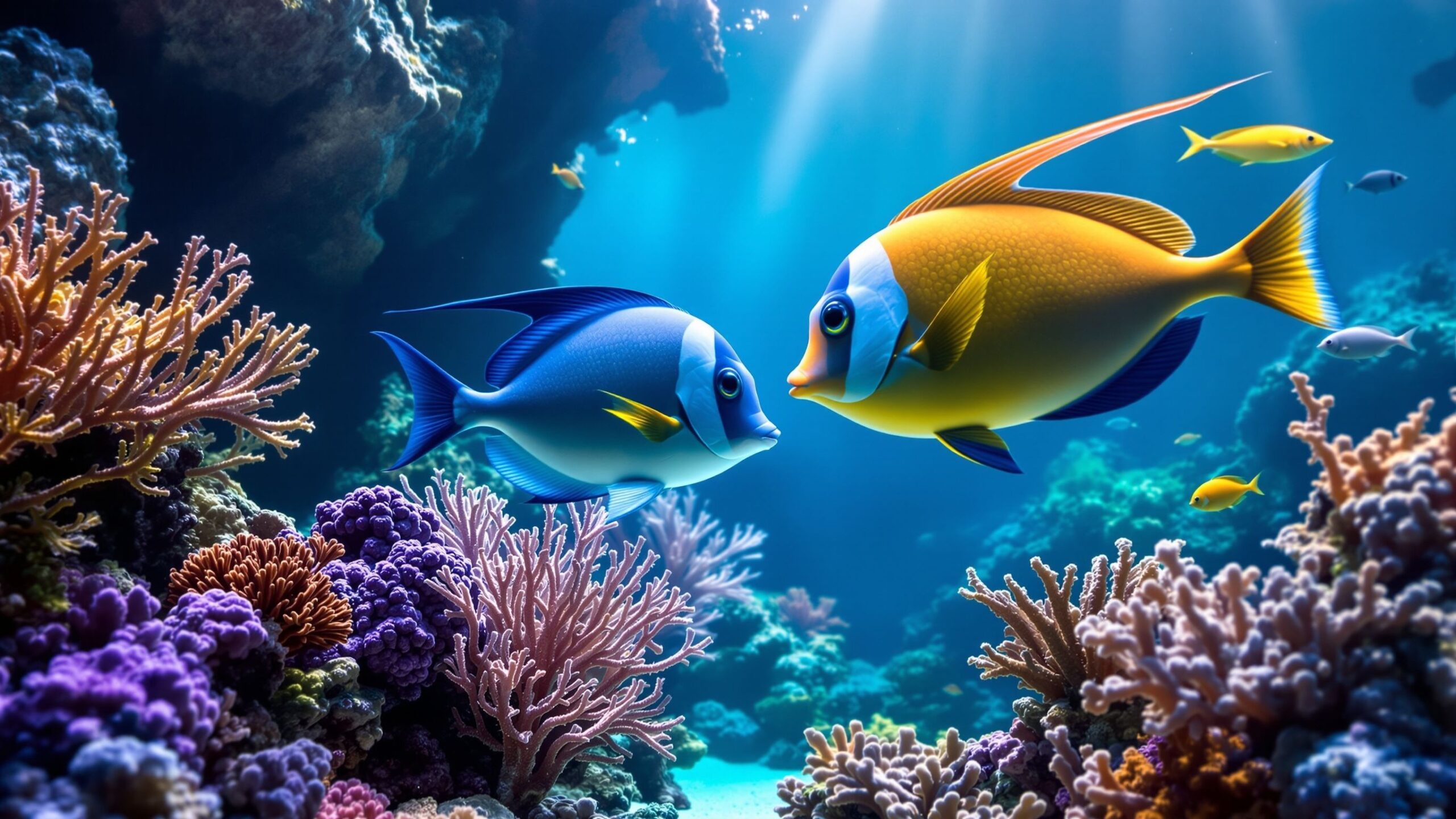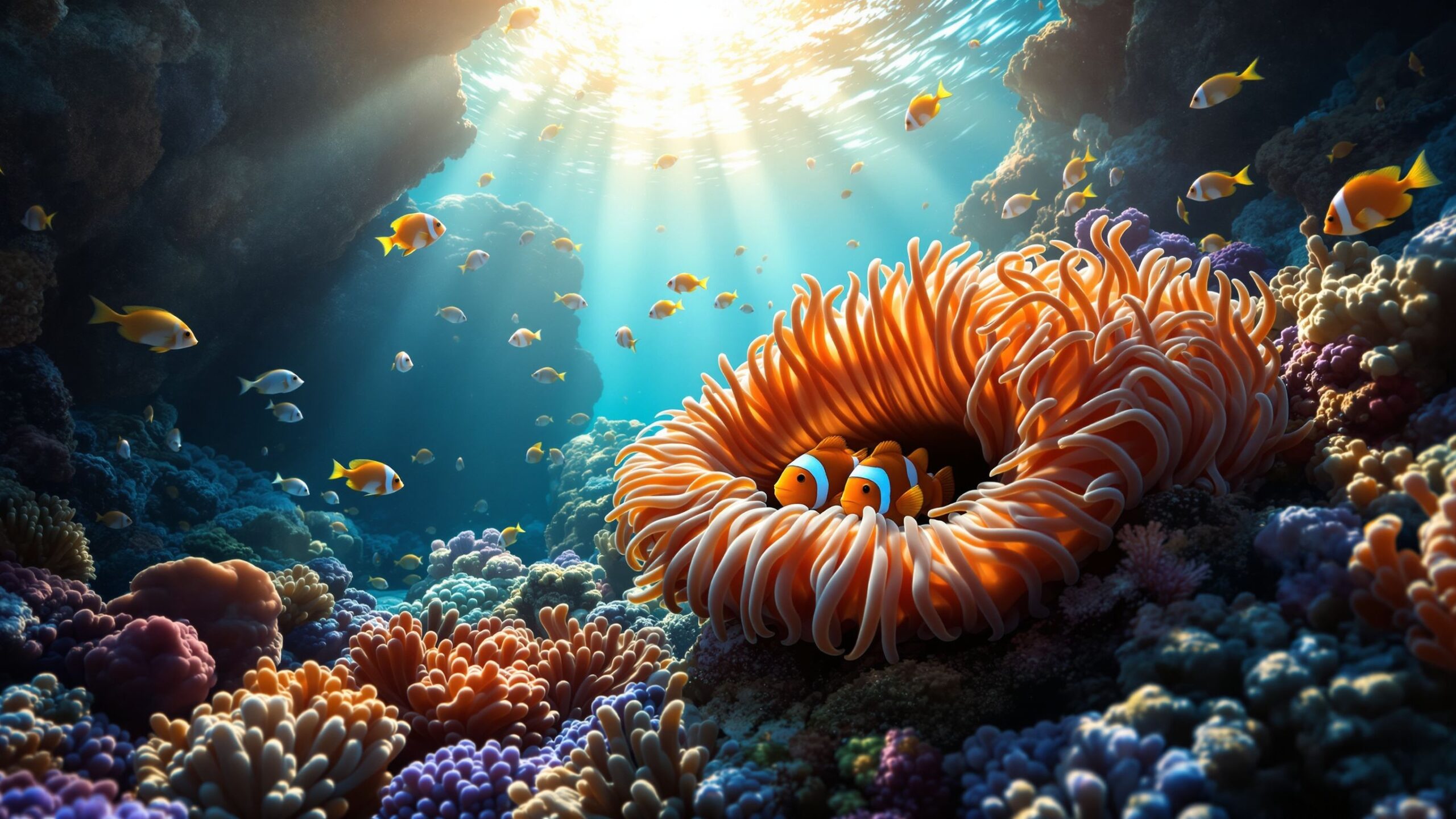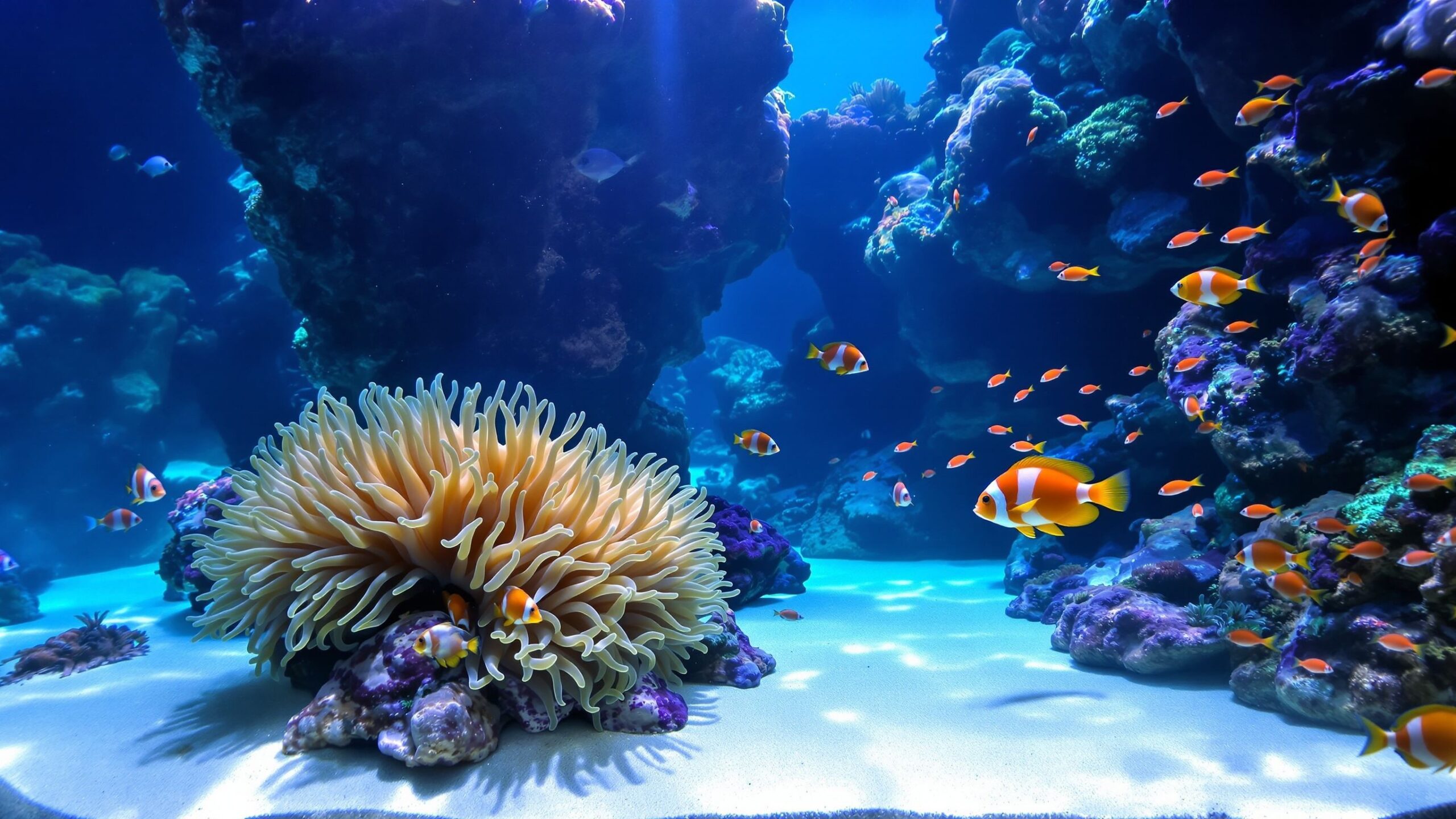
Stepping into the world of saltwater aquariums is like opening a window into a vibrant underwater universe where every movement tells a story. To a beginner, fish may seem to simply swim, eat, and occasionally hide, but beneath that surface lies a complex system of instincts, communication, and environmental responses. Understanding saltwater fish behavior is not just an interesting layer of the hobby—it is the foundation of success. When you learn to read your fish, you gain the ability to prevent stress, improve compatibility, and create an environment where marine life thrives. This guide dives deep into the patterns, signals, and instincts that define saltwater fish behavior, helping you turn observation into understanding and understanding into mastery.
A: Hiding can happen from stress, a recent tank move, bullying, bright lighting, or simply a naturally shy personality.
A: Not always—brief displays can be normal, but nonstop chasing, biting, or preventing eating is a problem.
A: Rapid breathing can point to stress, poor oxygenation, illness, or water quality issues that need quick attention.
A: Glass surfing can be caused by stress, reflection, territory confusion, or poor adjustment to the tank.
A: Yes—many rest in caves, hover in place, settle into rockwork, or bury in sand depending on the species.
A: Growth, maturity, territory disputes, feeding competition, or a cramped layout can trigger new aggression.
A: Absolutely—small tanks intensify stress, reduce escape routes, and make territorial species more confrontational.
A: Offer food in low-competition areas, use target feeding, and make sure aggressive fish do not dominate every meal.
A: Color changes can be linked to mood, stress, sleep patterns, dominance, courtship, or illness.
A: Watch your fish daily, learn species-specific habits, and notice changes in swimming, hiding, eating, and interaction patterns.
Why Behavior Is the Key to a Healthy Aquarium
Behavior is the most immediate and reliable indicator of a fish’s health and well-being. Unlike other pets, fish cannot vocalize discomfort, so their actions become their language. Subtle changes in swimming patterns, appetite, or interaction with other fish often signal underlying issues. A fish that suddenly hides more than usual may be stressed, while one that becomes aggressive could be reacting to overcrowding or territorial disputes. For beginners, learning to interpret these signals early can prevent minor problems from escalating into serious health concerns. Saltwater fish are particularly sensitive to their surroundings, meaning even small environmental changes can trigger noticeable behavioral shifts. By observing your fish regularly, you develop a baseline of what is “normal,” making it easier to spot when something is wrong and respond quickly.
Instincts Shaped by the Ocean
Every saltwater fish carries instincts shaped by the vast and often unpredictable ocean. These instincts govern how they find food, avoid predators, and interact with their environment. In the wild, fish rely heavily on coral reefs, rock formations, and ocean currents to survive. When placed in an aquarium, they continue to follow these ingrained behaviors. For example, many species instinctively seek shelter among rocks and crevices, which is why a tank without hiding spots can cause stress and erratic movement. Others are constant grazers, spending their time picking at algae or small organisms. If their environment does not support these natural behaviors, they may become lethargic or overly aggressive. Understanding these instincts allows you to recreate a habitat that feels familiar to your fish, encouraging natural activity and reducing stress.
Territorial Behavior and Space Awareness
Territoriality is one of the most common and misunderstood aspects of saltwater fish behavior. Many species naturally claim and defend specific areas, especially in reef environments where space and resources are limited. In an aquarium, this behavior becomes more concentrated due to confined space. Fish may chase, nip, or display aggressive postures to defend their chosen territory. This is not necessarily a sign of a “bad” fish but rather a reflection of natural instinct. The key to managing territorial behavior is thoughtful tank design. Providing multiple hiding spots, caves, and open swimming areas allows fish to establish boundaries without constant conflict. Overcrowding, on the other hand, intensifies competition and can lead to ongoing aggression. By understanding how fish perceive space, you can create a layout that minimizes disputes and promotes balance.
Social Dynamics: Groups, Pairs, and Loners
Saltwater fish exhibit a wide range of social behaviors, from tightly coordinated groups to fiercely independent individuals. Some species thrive in schools, moving together in synchronized patterns that provide both safety and comfort. In an aquarium, keeping these fish in appropriate numbers allows them to display their natural behavior and reduces stress. Other species prefer solitude or form loose pair bonds, tolerating others but maintaining personal space. Mixing fish with incompatible social needs can disrupt the harmony of a tank. A schooling fish placed alone may become anxious, while a solitary fish surrounded by active tank mates may become aggressive. Understanding the social structure of each species helps you build a community where every fish feels secure and behaves naturally.
Communication Through Movement and Color
Fish may not use words, but they are constantly communicating through body language, movement, and even color changes. A fish that flares its fins or intensifies its coloration may be asserting dominance or defending territory. Rapid darting can signal fear or stress, while slow, steady swimming often indicates comfort. Some species perform intricate displays during courtship or when establishing hierarchy. These behaviors are subtle at first, but with observation, patterns begin to emerge. Over time, you may notice that each fish develops its own personality and communication style. Learning to recognize these signals transforms your aquarium from a static display into a dynamic, interactive environment where every action has meaning.
Feeding Behavior and Daily Rhythms
Feeding time reveals a great deal about fish behavior and hierarchy within the tank. Some fish are bold and quick, rushing to the surface the moment food is introduced, while others are cautious, waiting for smaller particles to drift their way. These differences often reflect natural feeding strategies. Predatory species may be more aggressive during feeding, while grazers prefer a steady supply of food throughout the day. In a mixed tank, dominant feeders can outcompete more timid fish, leading to uneven nutrition. Providing a variety of foods and observing how each fish eats ensures that all inhabitants receive proper nourishment. Establishing a consistent feeding routine also helps reduce stress, as fish begin to anticipate when food will arrive and adjust their behavior accordingly.
Environmental Influence on Behavior
The aquarium environment plays a powerful role in shaping how fish behave. Lighting, water flow, temperature, and tank layout all contribute to the overall dynamic. Strong currents can encourage active swimming in species adapted to reef conditions, while calmer waters suit more delicate fish. Lighting affects activity levels, with some fish becoming more vibrant and energetic under bright conditions, while others prefer subdued lighting. Aquascaping—the arrangement of rocks and coral—acts as the physical structure of the fish’s world. A well-designed tank provides a balance of open space and shelter, allowing fish to explore, hide, and establish territory. Beginners should think of the aquarium not just as a container but as a carefully crafted habitat that directly influences behavior and well-being.
Recognizing Stress and Warning Signs
Stress is one of the most important behavioral indicators to recognize in a saltwater aquarium. Fish under stress may exhibit rapid breathing, loss of appetite, erratic swimming, or unusual hiding patterns. In some cases, their colors may fade or darken. Stress is often caused by environmental factors such as poor water quality, sudden changes in temperature, or incompatible tank mates. Identifying the source of stress quickly is essential to preventing further health issues. Regular observation and maintenance help create a stable environment where fish feel secure. When you understand what normal behavior looks like, it becomes much easier to spot when something is off and take corrective action.
Aggression and Compatibility in the Tank
Aggression is a natural part of many saltwater species, but it must be managed carefully in an aquarium setting. Compatibility depends on a variety of factors, including size, temperament, and territorial tendencies. Introducing fish without considering these factors can lead to conflict and stress. Beginners should research each species thoroughly and plan their tank accordingly. Adding fish in a strategic order, often starting with more peaceful species, can help reduce territorial disputes. Providing enough space and hiding spots allows fish to avoid confrontation and establish their own areas. Monitoring interactions during the early stages of introduction is crucial, as this is when most conflicts occur. With careful planning, it is possible to create a diverse and peaceful marine community.
Breeding Behavior and Natural Displays
Breeding behavior adds another fascinating dimension to saltwater fish behavior. Many species display unique courtship rituals, including changes in color, movement patterns, and interaction with potential mates. These behaviors are often triggered by environmental conditions such as lighting cycles and food availability. While breeding in a home aquarium can be challenging, observing these displays provides valuable insight into the health and compatibility of your fish. It also highlights the complexity of their natural instincts. Even if breeding is not your goal, understanding these behaviors helps you interpret actions that might otherwise seem unusual or aggressive.
Creating a Behavior-Friendly Aquarium
Building a successful saltwater aquarium involves more than selecting visually appealing fish. It requires a deep understanding of behavior and how different species interact with their environment and each other. Choosing beginner-friendly species, designing a thoughtful aquascape, and maintaining stable water conditions all contribute to a balanced tank. Observation is the most powerful tool you have as an aquarist. By watching your fish regularly, you learn their habits, preferences, and personalities. This knowledge allows you to make informed decisions that support their well-being. A behavior-friendly aquarium is one where fish can express their natural instincts without constant stress or conflict.
The Reward of Understanding Marine Life
Understanding saltwater fish behavior transforms the aquarium experience into something far more meaningful. Instead of simply observing fish, you begin to interpret their actions and respond to their needs. Each interaction becomes part of a larger story, revealing the intricate balance of life beneath the surface. For beginners, this journey can be both challenging and incredibly rewarding. As your knowledge grows, so does your ability to create a thriving marine environment. In the end, understanding behavior is not just about keeping fish alive—it is about allowing them to live fully, displaying the beauty, complexity, and wonder that make saltwater aquariums so captivating.
Pet Product Reviews
Explore Duffy Street’s Pet Product Reviews! Sniff out the top-rated toys, treats, gear, and gadgets for your pets with our fun, easy-to-read comparisons. We’ve done the digging so you can find the perfect products for your pet friends!