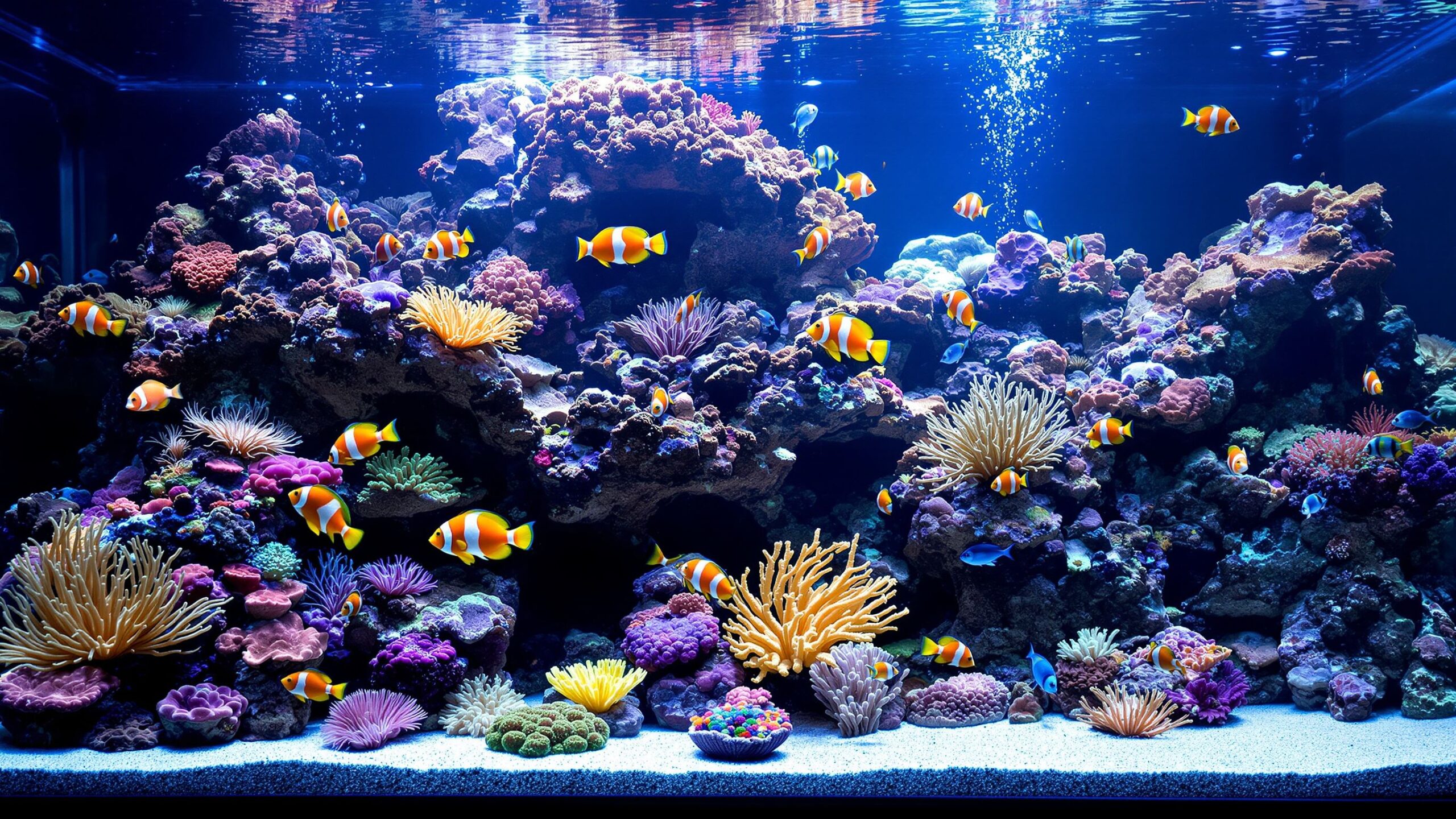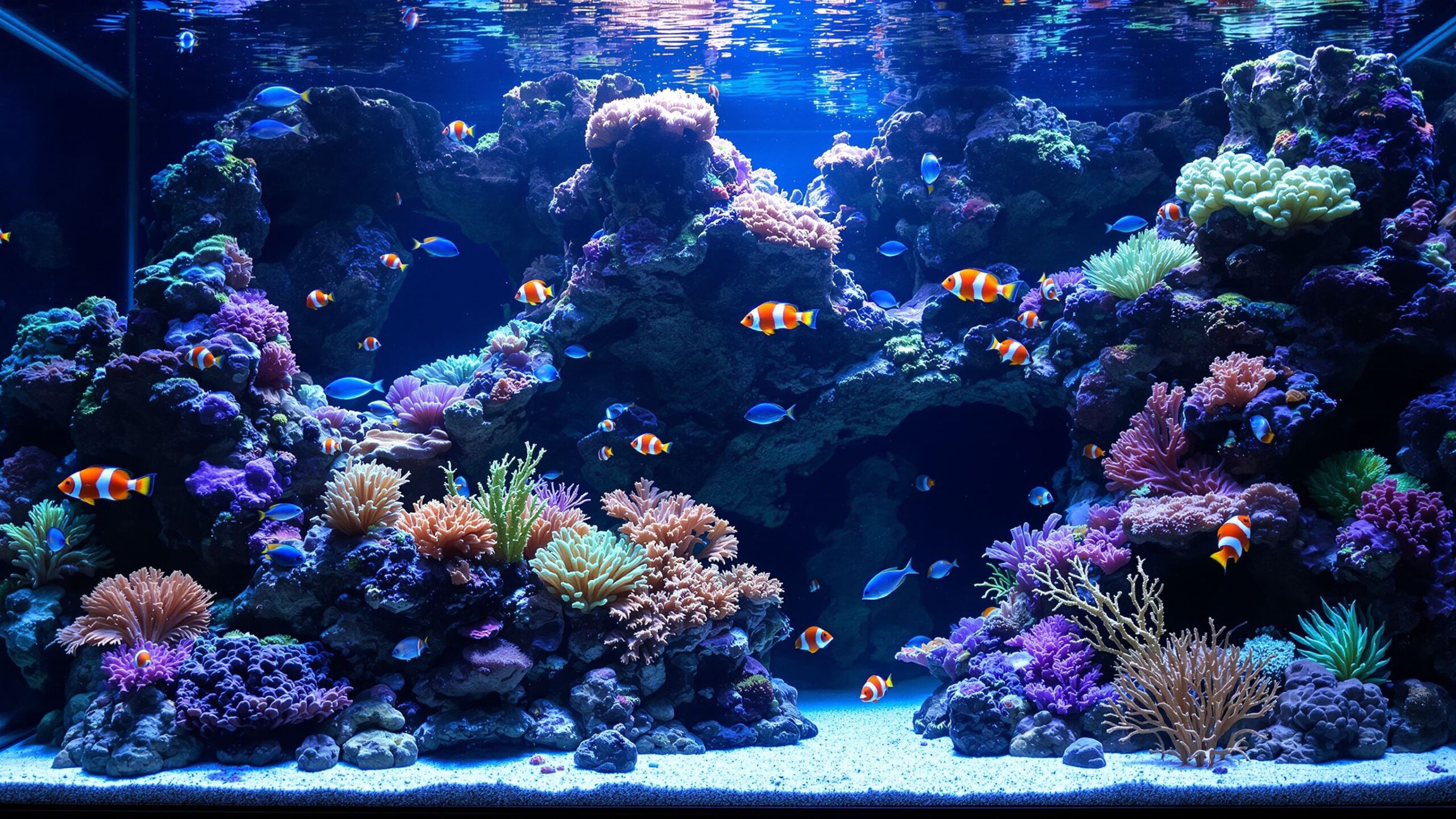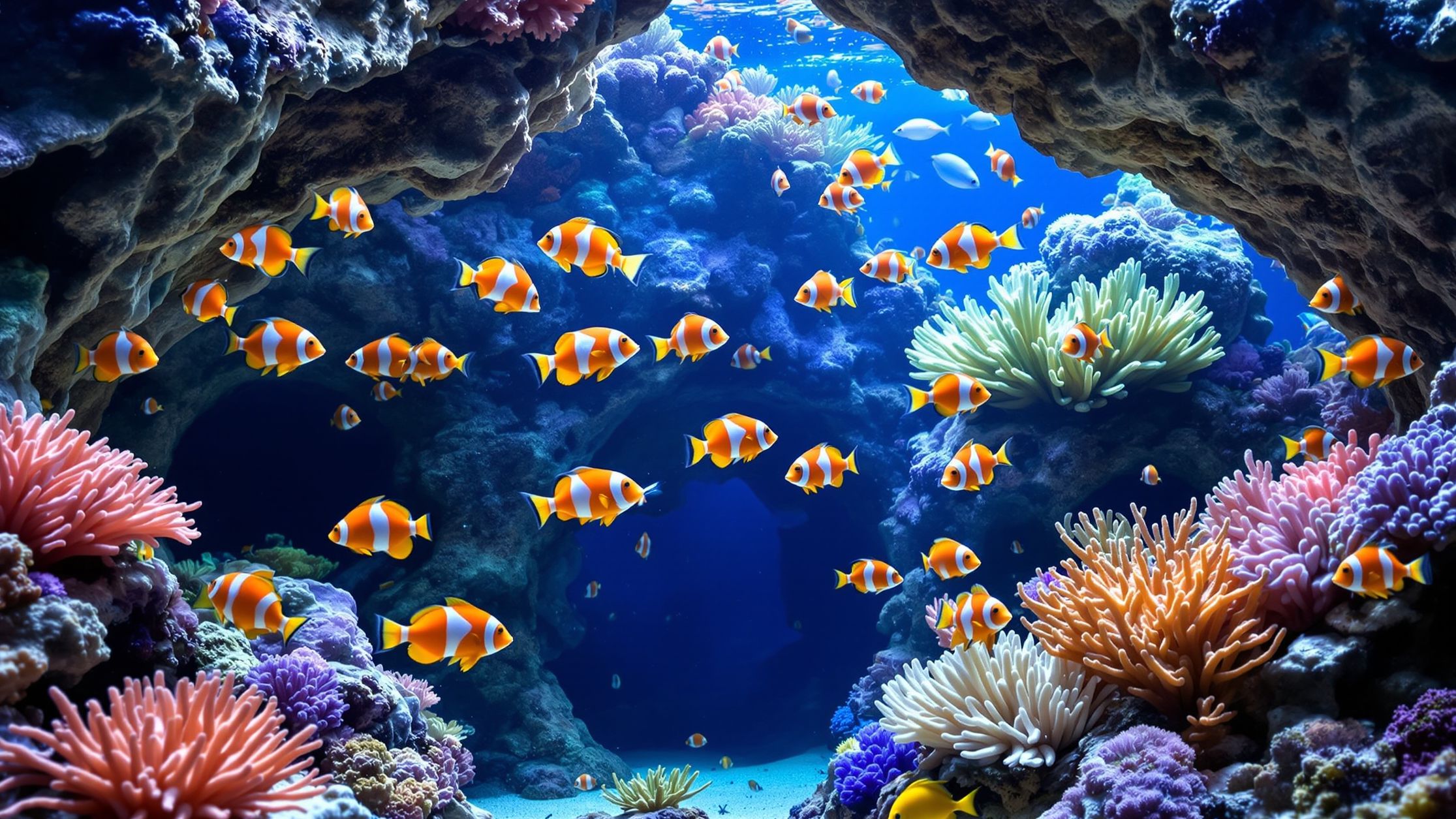
A saltwater aquarium is often judged by how beautiful it looks, but the real sign of a healthy tank is how the fish behave inside it. Active swimming, curiosity, and playful interaction are often stronger indicators of fish well-being than appearance alone. Fish that feel safe and stimulated usually show more natural and interesting behavior.
Many people do not think of fish as playful animals, but saltwater species often display behaviors that strongly resemble play. They may swim repeatedly through certain caves, chase harmless currents, investigate new objects, or interact with tank mates in ways that are clearly different from aggression or feeding.
In the wild, reef fish spend their lives exploring complex coral systems, reacting to shifting water movement, and constantly engaging with their surroundings. In captivity, those same instincts remain. Play behavior is often a sign that fish feel secure enough to use energy for curiosity rather than survival.
Understanding what play looks like helps aquarium owners better judge enrichment, tank design, and fish comfort. It also creates a more rewarding experience because a playful fish is often a healthier and happier fish.
A: Many saltwater fish show curious, repeated, relaxed behaviors that can look like play, especially in enriched tanks.
A: It may look like flow surfing, cave swimming, gentle exploring, sand digging, grazing, or object inspection.
A: Play looks controlled and relaxed, while stress often looks frantic, hidden, breathless, aggressive, or unusual.
A: It can show that fish feel secure, stimulated, and comfortable enough to interact with their environment.
A: Yes, gentle varied current can encourage swimming, exercise, and natural reef-style movement.
A: Usually natural enrichment like rockwork, caves, grazing areas, and flow is safer than random objects.
A: No, chasing can be territorial aggression, especially if one fish hides, loses color, or gets nipped.
A: Clownfish may wiggle, hover, investigate, and interact with their host area in playful-looking ways.
A: Yes, natural movement, exploration, and feeding challenges can help keep fish mentally engaged.
A: Provide clean water, safe tankmates, varied food, natural rockwork, hiding spots, open space, and gentle flow.
What Fish Play Behavior Really Means
Play behavior in fish does not look exactly like play in dogs or cats, but it serves a similar purpose. It often reflects exploration, stimulation, practice of natural instincts, and comfort within the environment.
A fish that repeatedly swims through the same tunnel, darts in and out of coral branches, or rides water flow for no feeding reason may be engaging in a form of play. These actions are not random. They show that the fish is using its environment actively rather than simply surviving inside it.
Play can also help fish practice behaviors they would use in the wild. Chasing movement may sharpen hunting instincts, exploring rockwork improves territory awareness, and interacting with objects encourages curiosity and confidence.
Fish that never display this kind of activity may not always be unhealthy, but a total lack of engagement can sometimes suggest boredom, stress, or an environment that feels too empty.
Swimming Into Currents for Fun
One of the most common playful behaviors in saltwater fish is repeatedly swimming into strong water flow. Many species seem to enjoy challenging currents created by wavemakers and powerheads, even when there is no food involved.
Tangs, wrasses, anthias, and clownfish often show this behavior. They may position themselves directly in front of flow sources, swim hard against the current, then drift away and return again. This is often called “playing in the current” by aquarists.
In nature, ocean currents are constantly changing. Swimming through these moving waters is part of normal life. In a home aquarium, active flow zones provide both exercise and enrichment.
Fish that use currents this way are often confident and physically healthy. It is a strong sign that the environment feels safe enough for energy to be spent on something enjoyable rather than defensive behavior.
Repeated Exploration of Rockwork
Fish that repeatedly inspect caves, ledges, and tunnels are often showing healthy exploratory behavior. They may swim through the same pathways again and again, pause near openings, or check the same areas multiple times throughout the day.
This is especially common in wrasses, gobies, blennies, and clownfish. While some of this behavior is linked to territory, much of it reflects natural curiosity and comfort with the environment.
Live rock creates a reef-like world where fish can move with purpose instead of simply circling open water. Exploration is mentally stimulating and helps fish establish confidence within their surroundings.
A fish that investigates new spaces usually feels more secure than one that hides constantly or stays in one corner. Exploration is often one of the clearest signs of positive enrichment.
Object Investigation and Curiosity
Saltwater fish are often curious about new objects placed in the tank. A new coral frag, shell, algae clip, or decorative reef-safe structure may quickly attract attention.
Fish may approach slowly, circle the object, peck lightly at it, or return several times to inspect it. This is not always feeding behavior. Often it is simple curiosity and interaction with something unfamiliar.
This kind of investigation shows that fish are mentally engaged with their surroundings. They notice change and respond to it, which is a positive sign of environmental awareness.
Owners should always ensure that new objects are aquarium-safe and introduced carefully, but occasional novelty can help prevent boredom and encourage natural interest.
Gentle Chasing Between Tank Mates
Not all chasing is aggression. Sometimes fish engage in short, harmless chasing that looks more like social interaction or playful movement than territorial fighting.
This may happen between paired clownfish, compatible wrasses, or active community fish that regularly interact without injury or stress. The key difference is body language and outcome. Playful chasing is brief, balanced, and does not lead to torn fins, hiding, or long-term fear.
Aggressive chasing is repetitive, targeted, and often one-sided. Playful interaction tends to involve quick movement followed by normal behavior, with both fish returning to calm activity afterward.
Understanding this difference helps owners avoid misreading every fast movement as conflict. Some social play is a normal part of a healthy reef tank.
Sand Digging and Rearranging
Certain fish, especially gobies, jawfish, and wrasses, may move sand in ways that go beyond simple nesting or hiding. They may repeatedly dig, shift small piles, or rearrange areas of substrate even when there is no immediate need.
Some of this behavior is instinctive territory management, but it can also reflect engagement with the environment. Fish that interact with substrate regularly are often displaying healthy species-specific enrichment.
Sand beds give these fish something meaningful to do. Without substrate, many species lose an important part of their natural behavior and may appear less active overall.
Watching a goby reorganize its favorite corner or a wrasse bury and emerge is often a sign of comfort rather than stress.
Bubble and Reflection Interaction
Some fish become fascinated by bubbles from return pumps, air stones, or moving reflections created by light and water flow. They may chase bubbles briefly, follow shimmering light patterns, or inspect reflected movement along rock surfaces.
This can look playful when it is occasional and relaxed. Fish seem drawn to movement and changing visual patterns, especially in dynamic reef environments.
However, reflection interaction should be watched carefully. If a fish constantly attacks its own reflection on the glass, that may signal stress or territorial aggression rather than enrichment.
The difference is balance. Healthy play involves curiosity and short engagement, while stress behaviors become obsessive and repetitive.
Why Play Behavior Matters for Health
Play behavior often reveals something important: the fish feels safe. A fish focused entirely on survival usually hides, guards territory, or reacts defensively. A fish that plays has enough comfort and security to spend energy on curiosity and activity.
This makes playful behavior one of the best signs of strong enrichment and good overall care. Fish that play often have better appetite, stronger color, more confidence, and fewer boredom-related stress behaviors.
Play also helps physical health. Swimming against flow builds strength, exploration increases movement, and foraging behaviors support mental stimulation. These actions reduce inactivity and help prevent unhealthy patterns like glass pacing or constant hiding.
A tank full of natural behavior is usually healthier than one that only looks visually perfect from the outside.
How to Encourage Healthy Play
The best way to encourage play is to build an environment that supports natural instincts. Live rock, caves, coral structure, and varied swimming paths create opportunities for exploration and movement.
Flow variety is also important. Wavemakers and powerheads create changing currents that many fish enjoy using for exercise and stimulation. Strong flow should always be balanced with calm resting zones.
Feeding methods matter too. Releasing frozen foods into current, using algae clips, and changing feeding locations encourage active foraging rather than passive waiting.
Compatible tank mates and secure hiding places complete the balance. Fish play more when they feel safe. Stress, overcrowding, and poor compatibility reduce curiosity and replace it with defensive behavior.
The goal is not forcing activity but creating a reef environment where natural behavior happens on its own.
When Play Behavior Is Missing
A fish that never explores, never interacts, and spends all day hiding may not be receiving enough enrichment. Lack of play does not always mean a problem, but it should encourage closer observation.
Some fish are naturally shy or calm, and species personality always matters. However, sudden changes in activity often signal stress, illness, poor tank design, or boredom.
If a normally active fish becomes withdrawn, the cause may be water quality, aggression, poor diet, or environmental discomfort. Enrichment should always be considered alongside health checks.
The absence of play is often just as informative as playful behavior itself. It helps owners recognize when something in the environment needs improvement.
A Playful Fish Is Often a Happy Fish
Saltwater fish may not play the way mammals do, but their behavior clearly shows curiosity, confidence, and engagement when their environment is right. Swimming into currents, exploring caves, investigating new objects, and gentle social interaction all reflect a fish that feels secure and stimulated.
These behaviors are not just entertaining for the owner. They are valuable signs of physical and emotional well-being. A playful fish is often healthier, less stressed, and better adapted to life in captivity.
The best marine aquariums are not simply beautiful to look at. They feel alive with movement, personality, and natural behavior. Fish should do more than survive in a tank. They should have the chance to thrive.
Understanding play behavior helps aquarists move beyond basic care and create truly enriching reef environments where fish can show their full natural character.
Pet Product Reviews
Explore Duffy Street’s Pet Product Reviews! Sniff out the top-rated toys, treats, gear, and gadgets for your pets with our fun, easy-to-read comparisons. We’ve done the digging so you can find the perfect products for your pet friends!