For many people, saltwater fish begin as a hobby. A home reef tank filled with clownfish, tangs, gobies, and corals creates a fascination that quickly grows into something much bigger. Watching marine life up close often sparks a deeper question: could working with saltwater fish become a real career?
The answer is yes. There are many professional paths for people who love marine life, reef ecosystems, and ocean conservation. Some careers happen inside large public aquariums, while others take place in laboratories, aquaculture facilities, coral farms, dive operations, or even aboard research vessels at sea.
Working with saltwater fish is not limited to becoming a marine biologist. Careers range from hands-on aquarium maintenance and fish breeding to scientific research, wildlife rescue, education, and conservation policy. Some roles focus on protecting wild reef systems, while others focus on keeping marine species healthy in human care.
Whether you dream of studying coral reefs, caring for sharks in a public aquarium, breeding clownfish for sustainable trade, or helping protect endangered marine habitats, the marine world offers exciting opportunities for people who want their work connected to the ocean.
A: Aquarist, aquarium technician, marine biologist, aquaculture worker, fish health specialist, educator, store specialist, and conservation worker are common paths.
A: Some jobs require a degree, especially research and veterinary roles, but retail, maintenance, and entry-level aquarium work may value experience too.
A: Aquarium store associate, tank maintenance assistant, volunteer aquarist, or animal care intern can be strong starting points.
A: No, marine biology focuses more on science and research, while aquarists focus more on daily animal and habitat care.
A: Yes, reef keeping experience can lead to aquarium maintenance, coral farming, aquaculture, retail, education, or public aquarium work.
A: Start with water quality, fish identification, feeding, compatibility, quarantine, equipment basics, and careful observation.
A: Many are competitive, especially public aquarium and research positions, so volunteering and internships can help.
A: Yes, even advanced aquarium careers often include cleaning, maintenance, water changes, and equipment checks.
A: Yes, many aquarium, retail, aquaculture, education, and maintenance roles do not require scuba diving.
A: They support animal care, public education, responsible aquarium keeping, conservation, research, and healthier ocean awareness.
Marine Biologist
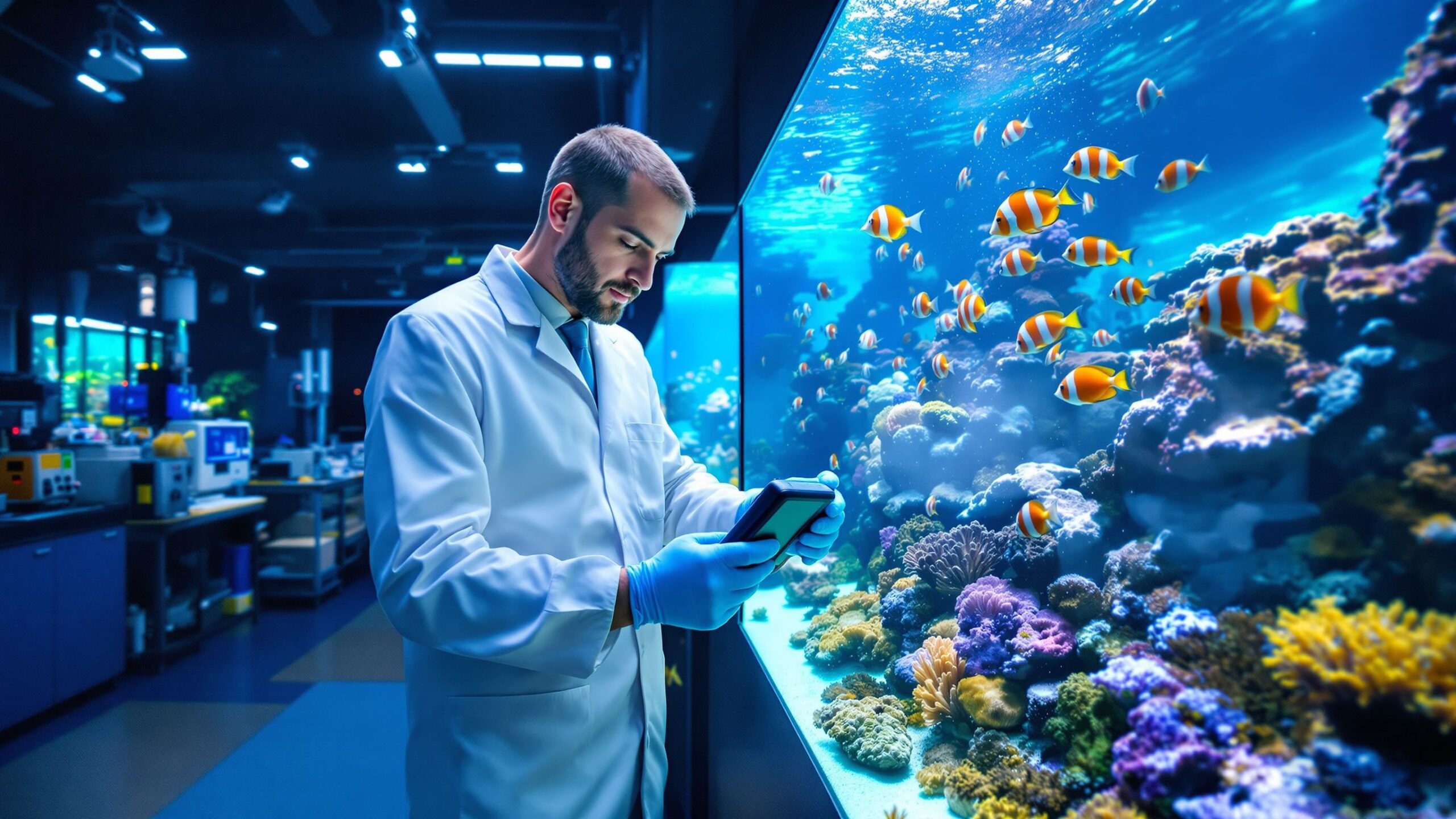
Marine biology is one of the most recognized careers for people who love saltwater fish. Marine biologists study ocean life, including fish behavior, reef ecosystems, coral health, and the impact of environmental change on marine habitats.
This career can involve field research, lab work, conservation planning, and scientific publishing. Some marine biologists spend time diving on coral reefs collecting samples, while others focus on analyzing data, studying fish populations, or working with environmental agencies.
Education requirements are usually higher for this path, often requiring at least a bachelor’s degree and sometimes a master’s degree or doctorate depending on the research focus.
For people passionate about science and ocean conservation, marine biology offers one of the most meaningful long-term careers connected to saltwater fish.
Public Aquarium Aquarist
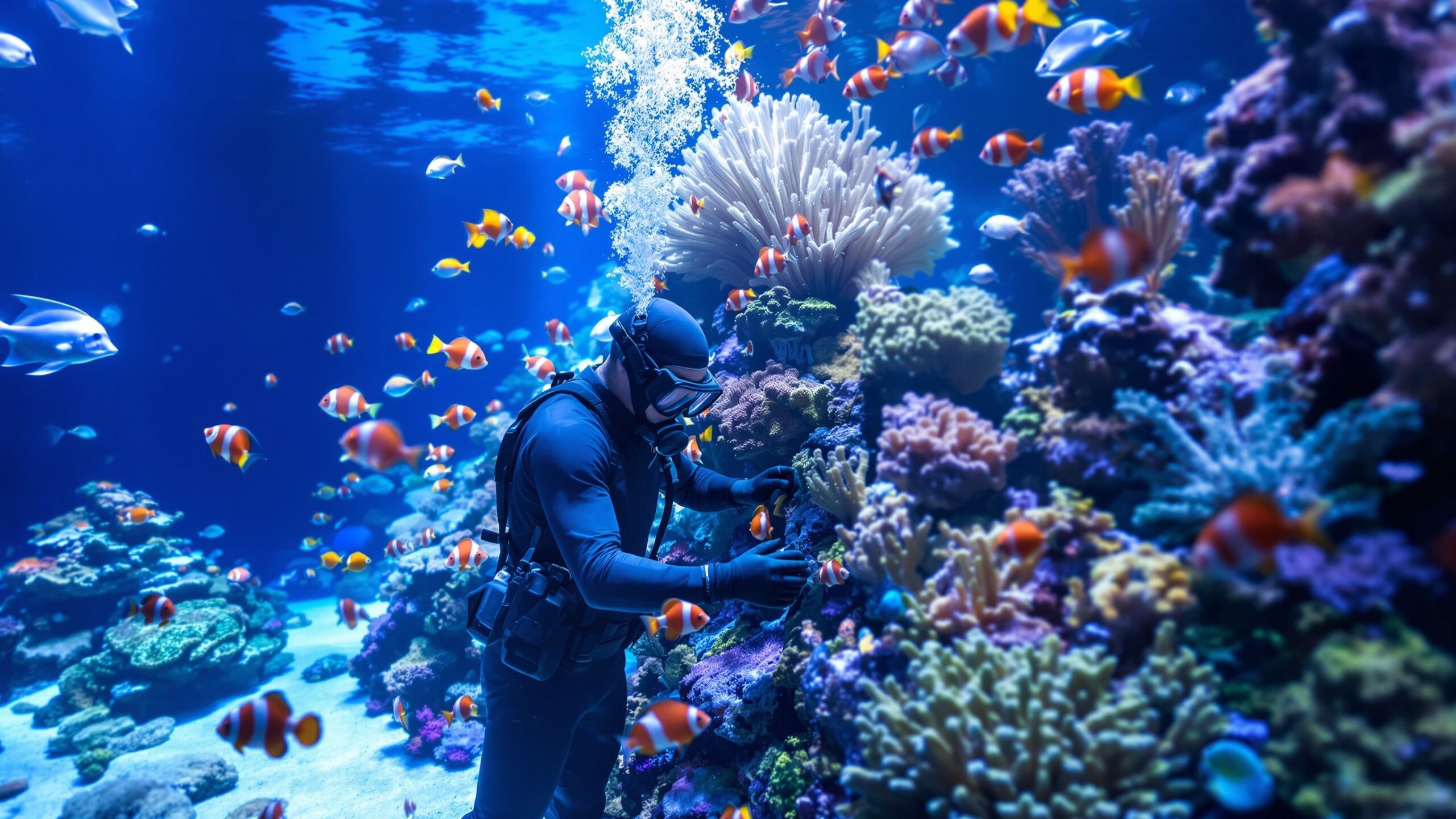
Aquarists are the professionals responsible for caring for fish and marine systems inside public aquariums. They monitor water quality, feed animals, maintain life support systems, clean habitats, and observe fish health daily.
This is one of the most hands-on careers for marine life lovers because it involves direct care of species ranging from clownfish and rays to sharks and jellyfish. Aquarists often specialize in reef systems, predator tanks, or breeding programs depending on the facility.
The job requires strong knowledge of aquarium systems, filtration, chemistry, and species compatibility. Many aquarists begin with internships, volunteer programs, or experience from advanced home reef keeping before moving into professional roles.
For people who love the daily routine of fish care, this can be one of the most rewarding careers available.
Aquaculture Specialist
Aquaculture focuses on breeding and raising marine species in controlled environments. This can include saltwater fish for aquariums, food production, coral farming, or conservation breeding programs.
Aquaculture specialists manage breeding systems, larval care, water quality, disease prevention, and species development. Clownfish, seahorses, and marine invertebrates are common examples in ornamental marine aquaculture.
This career plays an important role in reducing pressure on wild reef populations by supporting sustainable captive breeding rather than wild collection.
People who enjoy both science and practical system management often find aquaculture to be a strong career path with growing importance in marine conservation.
Coral Farmer and Reef Restoration Worker
Coral farming has become one of the most exciting areas of marine work. Coral farmers grow healthy coral fragments for reef aquariums, restoration projects, and conservation efforts aimed at rebuilding damaged reef systems.
Some professionals work in land-based coral farms supplying sustainable reef livestock, while others participate in ocean reef restoration projects where damaged coral reefs are rebuilt and monitored over time.
This career combines biology, conservation, and hands-on reef maintenance. It also supports the future of the entire marine ecosystem because healthy coral reefs protect thousands of species of saltwater fish.
For reef lovers, few careers feel as directly connected to ocean preservation as coral farming and restoration.
Marine Veterinarian
Marine veterinarians specialize in diagnosing and treating health problems in ocean animals, including saltwater fish, sea turtles, rays, sharks, dolphins, and other marine species.
This is one of the most challenging career paths because it requires full veterinary education plus additional specialization in aquatic animal care. Marine vets work with public aquariums, rescue centers, research facilities, and wildlife rehabilitation programs.
Fish disease diagnosis, parasite treatment, injury recovery, and emergency care all fall under this field. Marine veterinarians play a critical role in keeping both captive and rescued marine animals healthy.
For those who love both animal medicine and ocean life, this career offers an extraordinary combination of science and direct impact.
Dive Guide and Marine Eco-Tourism Professional
Not every saltwater fish career happens behind aquarium glass. Dive guides, snorkeling instructors, and marine eco-tourism professionals work directly in ocean environments, helping people experience coral reefs and marine ecosystems in the wild.
These roles often include guiding reef tours, teaching marine conservation awareness, identifying species for visitors, and protecting sensitive dive sites from damage.
Many dive professionals work closely with local conservation programs and reef protection efforts, especially in tropical destinations with strong tourism industries.
This path is ideal for people who love diving, travel, and hands-on ocean experiences rather than laboratory or indoor aquarium work.
Marine Conservation Officer
Marine conservation officers work to protect ocean ecosystems through habitat management, environmental policy, protected marine zones, and wildlife monitoring.
They may work for government agencies, nonprofit conservation groups, or international marine organizations focused on reef preservation and sustainable fisheries.
This career often includes research, public education, regulation enforcement, and environmental planning. Protecting coral reefs, reducing pollution, and monitoring endangered species populations are major responsibilities.
For people who want to protect marine life on a larger scale, conservation work can be one of the most impactful career paths.
Aquarium Store Specialist
Local fish stores and marine specialty shops also provide careers for saltwater fish enthusiasts. Professionals in these stores help customers choose fish, maintain reef systems, diagnose tank problems, and provide education for responsible marine keeping.
This role requires strong practical knowledge of species care, tank setup, compatibility, disease prevention, and coral systems. Many advanced reef keepers begin here before moving into larger professional aquarium roles.
Working in a specialty marine store can be both educational and community-driven, connecting hobbyists with expert advice and sustainable fishkeeping practices.
For those who love helping others build successful reef tanks, this can be a valuable and enjoyable career.
Marine Science Educator
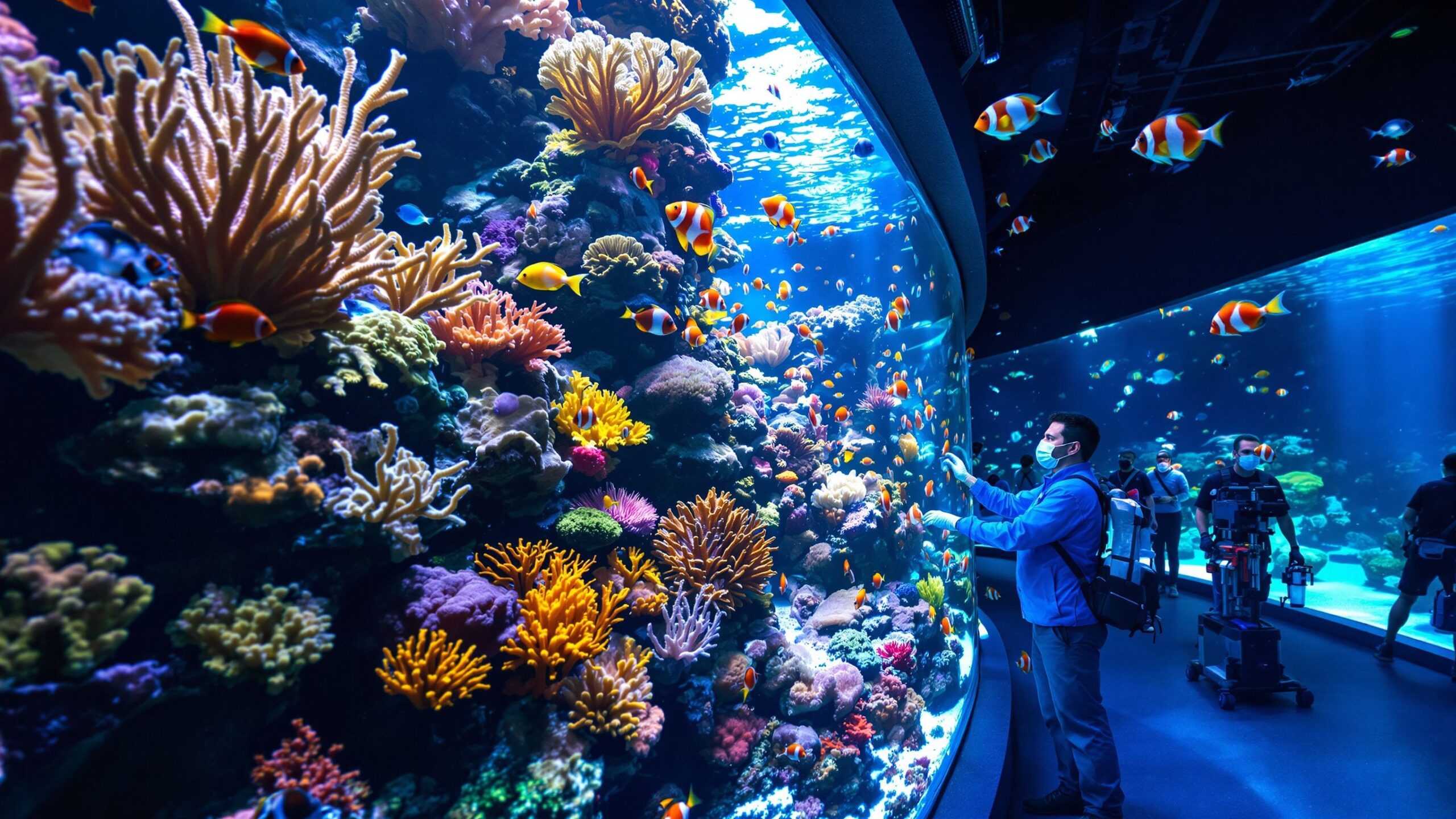
Education is another powerful path for marine life lovers. Marine science educators work in aquariums, museums, schools, universities, and conservation centers teaching people about ocean ecosystems and marine species.
They may lead school programs, create educational exhibits, host reef conservation workshops, or guide visitors through aquarium habitats while explaining fish behavior and environmental challenges.
This career combines communication skills with marine knowledge and often inspires future generations to care about ocean protection.
People who enjoy teaching and public engagement often find this path deeply rewarding because it turns passion into awareness and action.
Fish Health and Quarantine Specialist
Large aquariums, import facilities, and breeding centers often rely on specialists who focus entirely on fish health and quarantine systems. These professionals monitor new arrivals, prevent disease outbreaks, manage treatments, and protect established marine populations.
This work requires deep understanding of parasites, stress management, medication safety, and water chemistry. Prevention is often more important than treatment because marine systems can be sensitive to rapid changes.
Fish health specialists help reduce losses and improve welfare for both captive-bred and imported marine species.
For detail-oriented people who enjoy observation and problem solving, this is a highly valuable and specialized career path.
How to Get Started
Many marine careers begin with experience before formal education. Volunteering at a public aquarium, working at a local fish store, joining reef conservation programs, or maintaining an advanced home reef tank can all build practical knowledge.
Internships are especially valuable because public aquariums and marine labs often look for hands-on experience as much as classroom learning. Diving certifications can also be important for field research and reef-based work.
For science-heavy careers like marine biology or veterinary medicine, college degrees are usually essential. For aquarium care, aquaculture, and store management, strong experience and technical skill can open many doors even before advanced education.
Networking within aquarium communities, reef clubs, and marine organizations also helps because many opportunities come through mentorship and industry connections.
Turning Passion Into a Profession
Loving saltwater fish can become much more than a weekend hobby. It can grow into a meaningful career built around reef systems, marine conservation, and the daily care of extraordinary ocean life.
Whether you want to breed clownfish, restore coral reefs, heal marine animals, guide divers through tropical waters, or protect endangered reef habitats, there is a path that fits different skills and interests.
The marine world needs people who care deeply about ocean life and are willing to learn the science, responsibility, and discipline required to protect it. Passion matters, but long-term success comes from knowledge and commitment.
For true marine life lovers, working with saltwater fish is not just a job. It is a chance to spend every day connected to the ocean and helping protect one of the most fascinating ecosystems on Earth.
Pet Product Reviews
Explore Duffy Street’s Pet Product Reviews! Sniff out the top-rated toys, treats, gear, and gadgets for your pets with our fun, easy-to-read comparisons. We’ve done the digging so you can find the perfect products for your pet friends!