For many people, saltwater fish begin as a relaxing hobby. A reef tank at home filled with clownfish, tangs, gobies, and vibrant coral can quickly turn into a lifelong passion. The beauty of marine life, the challenge of maintaining healthy systems, and the fascination of reef ecosystems often lead to one important question: can loving saltwater fish become a real career?
The answer is yes, and there are far more options than most people realize. Working with marine aquariums does not only mean becoming a marine biologist. Careers exist in public aquariums, coral farms, aquaculture facilities, marine conservation programs, fish stores, research labs, and even eco-tourism operations around the world.
Some jobs focus on direct fish care and reef system maintenance, while others involve breeding, education, wildlife rescue, scientific research, or protecting natural coral reef habitats. Some careers happen indoors beside giant aquarium tanks, while others take place underwater in the open ocean.
For people who love marine life, these careers offer more than income. They create the chance to spend every day working with ocean species and helping protect one of the most extraordinary ecosystems on Earth.
A: Public aquarist, aquarium technician, marine educator, aquarium store specialist, aquaculture worker, and coral farm technician are strong options.
A: Aquarist, aquarium maintenance technician, fish store specialist, aquaculture worker, and fish health assistant are very hands-on.
A: Coral farm technician, reef aquarium service technician, public aquarist, or aquarium store reef specialist can be a great fit.
A: Not for every job. Research and advanced science roles may require degrees, but many aquarium jobs value hands-on experience.
A: Aquarium store associate, maintenance assistant, volunteer aquarist, animal care intern, or aquaculture assistant can help you start.
A: Yes, some people breed fish, grow coral, create aquarium content, run service businesses, or sell aquarium supplies from home.
A: Aquarium product specialist, content creator, exhibit designer, educator, nonprofit worker, and life support technician may involve less daily feeding.
A: Yes, especially public aquarium and research roles, so experience, references, volunteering, and reliability matter.
A: Water quality, observation, feeding, compatibility, equipment care, communication, recordkeeping, and animal welfare are key.
A: They support healthy animals, better aquarium education, responsible fishkeeping, conservation awareness, and stronger connections to marine life.
Public Aquarium Aquarist
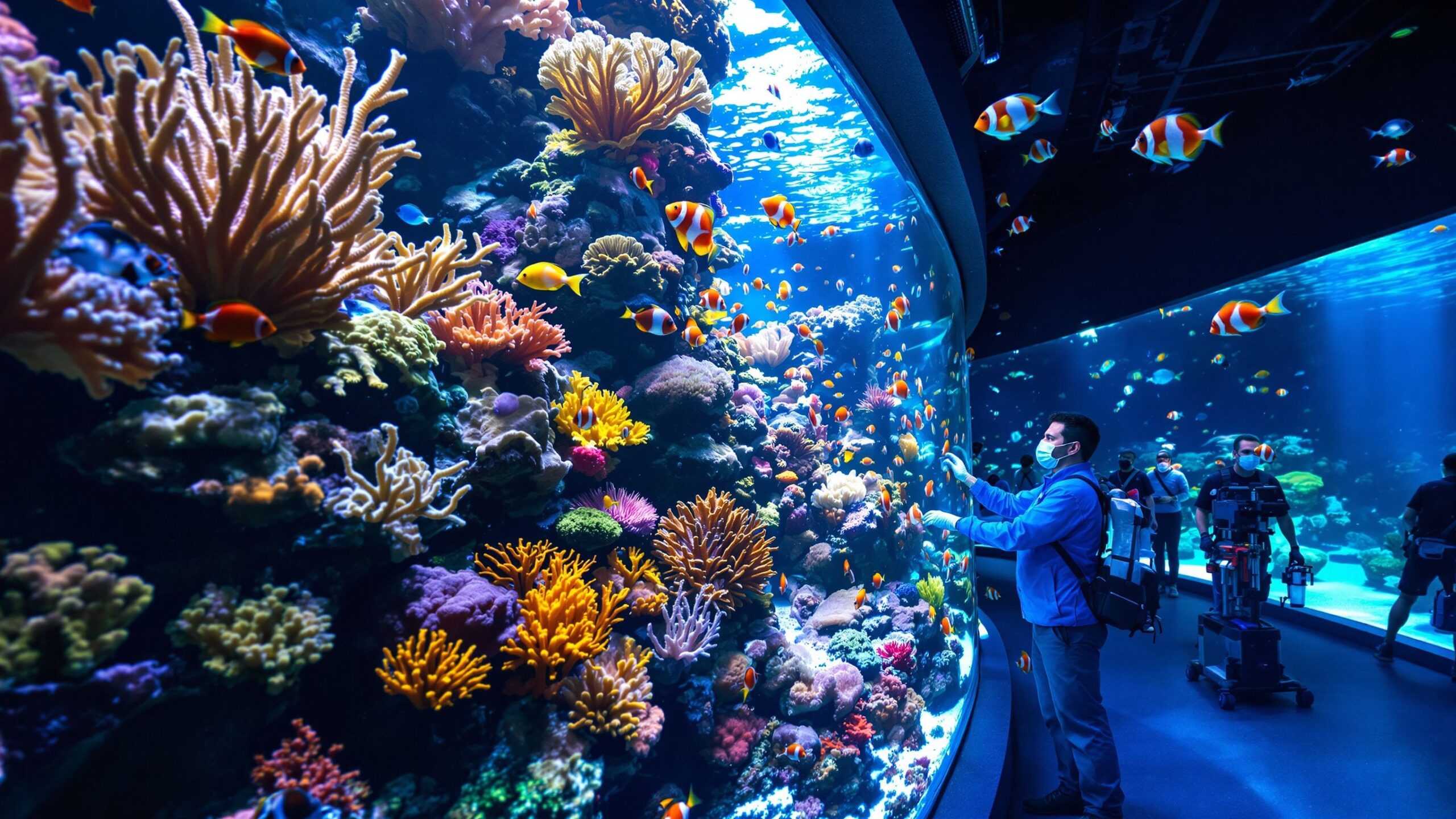
One of the most popular careers for saltwater fish lovers is becoming a public aquarium aquarist. Aquarists are responsible for the daily care of fish, coral systems, and marine exhibits inside large public aquariums.
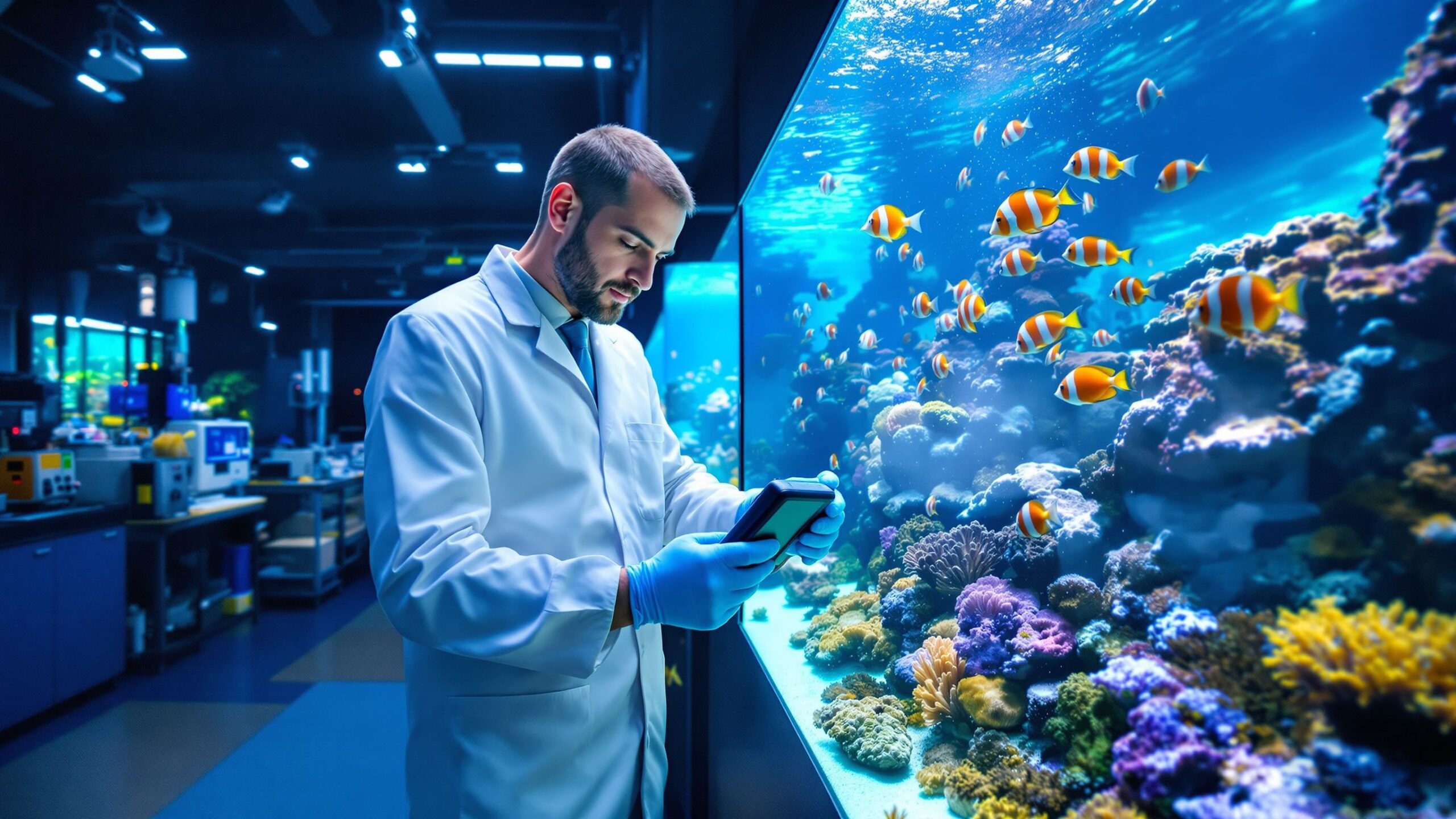
Their work includes feeding animals, monitoring water quality, maintaining filtration systems, cleaning habitats, observing fish health, and supporting breeding or quarantine programs. They may work with everything from clownfish and reef tanks to sharks, rays, and jellyfish depending on the facility.
This job requires strong technical knowledge of marine systems and close attention to detail. Many aquarists begin with volunteer work, internships, or experience from advanced home reef keeping before entering the professional field.
For people who enjoy hands-on care and daily interaction with marine animals, this is often the dream job.
Marine Biologist
Marine biology is one of the most recognized career paths connected to saltwater fish. Marine biologists study ocean life, including fish populations, coral reef ecosystems, marine behavior, and environmental changes affecting ocean habitats.
This career can include fieldwork on reefs, laboratory research, data analysis, conservation planning, and scientific publishing. Some marine biologists spend time diving and collecting samples, while others work with environmental agencies or universities.
The education requirements are usually more advanced, often requiring at least a bachelor’s degree and sometimes graduate study depending on specialization.
For people who love science as much as marine life, marine biology offers a meaningful way to protect and understand the ocean.
Coral Farmer
Coral farming has become one of the most exciting jobs in the marine aquarium world. Coral farmers grow healthy coral fragments for reef aquariums, sustainable livestock programs, and reef restoration projects.
This career supports both the aquarium industry and environmental conservation by reducing pressure on wild coral collection. Coral farmers manage water quality, lighting systems, coral health, and propagation techniques to produce thriving coral colonies.
Some work in private coral farms supplying reef hobbyists, while others work in nonprofit reef restoration programs rebuilding damaged coral reefs in the ocean.
For reef enthusiasts who love coral systems as much as fish, this path offers a strong connection to marine preservation.
Aquaculture Specialist
Aquaculture specialists focus on breeding and raising marine species in controlled environments. This includes ornamental saltwater fish like clownfish and seahorses, as well as coral farming and sustainable marine livestock production.
Their work involves larval care, breeding systems, water quality management, disease prevention, and long-term species development. Captive breeding helps reduce dependence on wild reef collection and supports healthier aquarium trade practices.
Aquaculture combines science with practical system management, making it ideal for people who enjoy both biology and hands-on work.
As sustainable fishkeeping grows, aquaculture continues to become one of the most important career paths in the marine world.
Marine Veterinarian
Marine veterinarians specialize in treating the health problems of aquatic animals, including saltwater fish, sharks, rays, sea turtles, dolphins, and other marine species.
This is one of the most demanding paths because it requires veterinary school plus additional specialization in aquatic animal care. Marine vets work with public aquariums, wildlife rescue centers, rehabilitation programs, and marine research facilities.
Fish disease diagnosis, injury recovery, emergency care, and health monitoring are all major parts of the job. They play a vital role in keeping both captive and rescued marine animals healthy.
For people who love both medicine and ocean life, this career offers an extraordinary level of impact.
Aquarium Store Specialist
Marine-focused aquarium stores provide another strong career option for saltwater fish enthusiasts. Specialists in these stores help customers choose fish, diagnose tank problems, set up reef systems, and learn responsible marine fishkeeping.
This role requires strong practical knowledge of species compatibility, coral care, disease prevention, filtration systems, and quarantine practices. It also builds valuable customer service and education skills.
Many professional aquarists begin in local fish stores before moving into public aquarium roles or advanced breeding work.
For people who enjoy sharing knowledge and helping others succeed in reef keeping, this is a highly rewarding path.
Dive Guide and Marine Eco-Tourism Professional
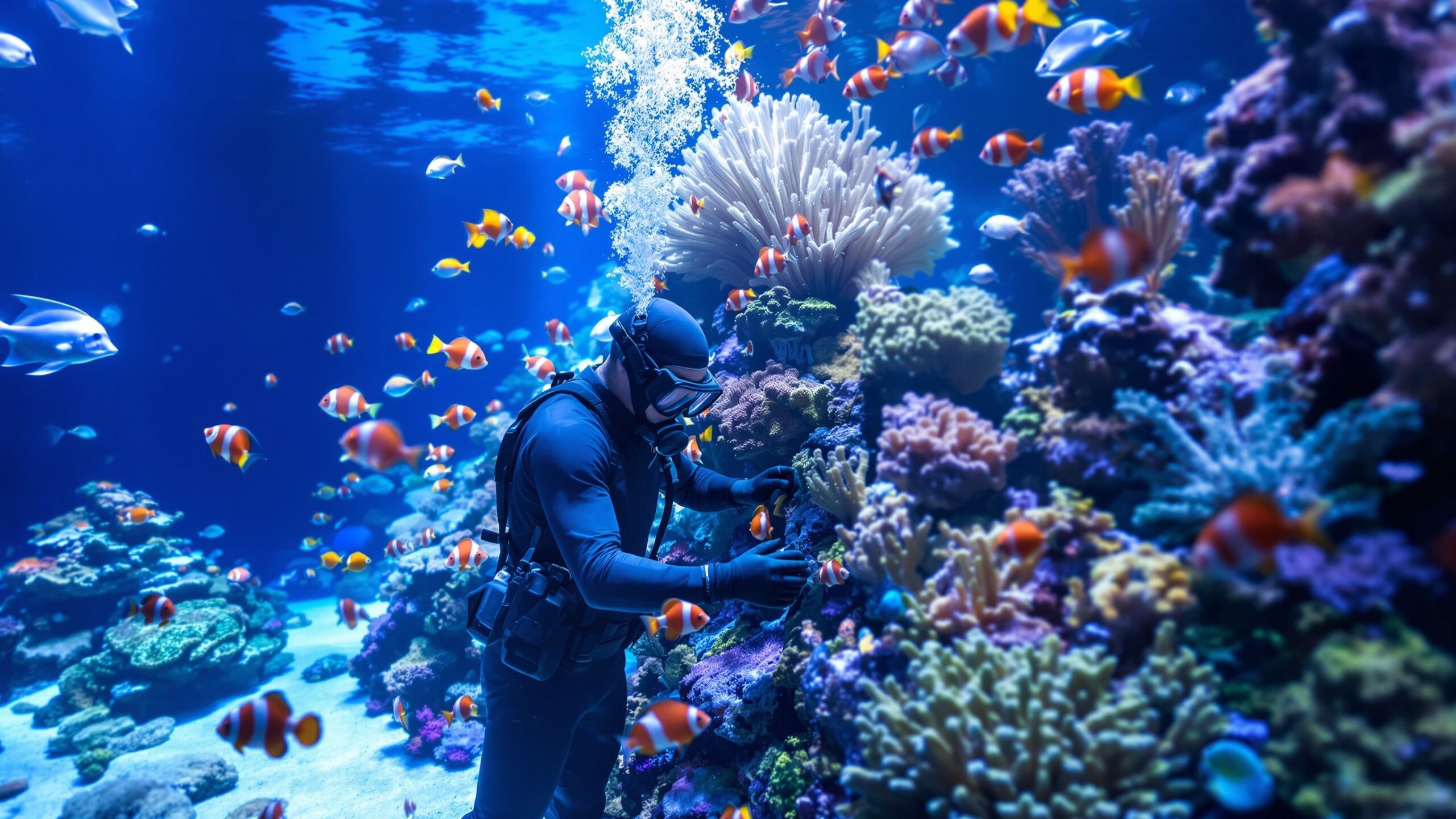
Some careers take marine life lovers directly into the ocean. Dive guides, snorkeling instructors, and marine eco-tourism professionals help people experience coral reefs and saltwater fish in their natural habitats.
These roles often involve leading reef tours, identifying marine species, teaching conservation awareness, and protecting sensitive reef environments from damage caused by tourism.
Many dive professionals also work closely with local reef conservation programs and marine education projects.
For people who love travel, diving, and hands-on ocean experiences, this career offers a completely different but equally exciting path.
Marine Conservation Officer
Marine conservation officers work to protect coral reefs, ocean habitats, and fish populations through environmental planning, habitat protection, and wildlife monitoring.
They may work for government agencies, nonprofit conservation groups, or international environmental organizations. Responsibilities often include protected marine zone management, pollution reduction programs, sustainable fisheries planning, and endangered species monitoring.
This role focuses less on aquarium care and more on protecting the ecosystems that support marine life in the wild.
For people who want to create large-scale environmental impact, conservation work can be one of the most meaningful careers available.
Fish Health and Quarantine Specialist
Large aquarium facilities and import centers often rely on specialists who focus entirely on fish health and quarantine systems. These professionals monitor new arrivals, prevent disease outbreaks, manage treatments, and protect established marine populations.
This work requires deep knowledge of parasites, stress management, medication safety, and water chemistry. Prevention is often more important than treatment because marine systems are highly sensitive to disease spread.
Specialists in this field protect valuable marine collections and improve animal welfare across aquarium operations.
For detail-oriented people who enjoy observation and problem solving, this is a highly respected role.
Marine Science Educator
Education is another excellent career path for marine life lovers. Marine science educators work in aquariums, museums, schools, and conservation centers teaching people about reef ecosystems and ocean species.
They may lead aquarium tours, create educational exhibits, host conservation programs, or teach school groups about coral reefs and fish behavior. Their work helps inspire future generations to care about marine conservation.
This path combines communication skills with marine knowledge and often creates strong public impact.
For people who enjoy teaching and connecting with others, education can be just as important as direct animal care.
Choosing the Right Path
The best job depends on what part of marine life excites you most. Some people love the technical side of reef systems and thrive as aquarists or aquaculture specialists. Others are drawn to science and research through marine biology. Some feel most fulfilled through conservation, diving, or education.
Understanding your strengths helps narrow the right path. If you enjoy daily hands-on care, aquarium work may fit best. If you love research and long-term environmental impact, marine science or conservation may be stronger choices.
Experience matters in every direction. Volunteering at public aquariums, working in a marine fish store, diving, and maintaining a home reef tank all help build valuable skills before entering the professional world.
Most marine careers begin with small steps, but those steps often lead to extraordinary opportunities.
Turning Passion Into a Profession
Loving saltwater fish can become much more than a hobby. It can become a career built around reef systems, marine conservation, and the care of incredible ocean life.
The marine world needs dedicated people who understand both the beauty and the responsibility of working with living ecosystems. Public aquariums, coral farms, conservation programs, and research centers all depend on people who are willing to learn and commit to long-term care.
Success in this field comes from patience, education, practical skill, and a genuine respect for marine life. Passion opens the door, but discipline keeps it open.
For people who truly love saltwater fish and marine aquariums, the best job is often the one that allows them to protect, care for, and stay connected to the ocean every single day.
Pet Product Reviews
Explore Duffy Street’s Pet Product Reviews! Sniff out the top-rated toys, treats, gear, and gadgets for your pets with our fun, easy-to-read comparisons. We’ve done the digging so you can find the perfect products for your pet friends!