For many people, a love for saltwater fish begins with a simple home aquarium. A pair of clownfish, a reef tank filled with coral, or the first successful marine setup often creates a fascination that grows quickly. Before long, many hobbyists begin asking the same question: can this become a real career?
The answer is absolutely yes. Careers involving saltwater fish and aquariums exist in public aquariums, marine science labs, aquaculture facilities, coral farms, fish stores, conservation programs, and even large-scale reef restoration projects. Some jobs focus on daily animal care, while others involve research, education, breeding, or environmental protection.
Working with marine life professionally requires more than passion alone. It takes practical knowledge, patience, technical skill, and often formal education depending on the path you choose. Saltwater systems are complex, and employers look for people who understand both animal care and the responsibility that comes with maintaining living ecosystems.
Whether your goal is to become a public aquarium aquarist, marine biologist, coral farmer, or marine educator, starting the right way can make all the difference. Building experience early helps turn a hobby into a serious professional future.
A: Begin by learning marine aquarium basics, volunteering, applying to fish stores, joining reef clubs, or helping with tank maintenance.
A: A degree helps for marine biology, veterinary, and research jobs, but many aquarium care and service roles also value hands-on experience.
A: Aquarium store associate, maintenance assistant, volunteer aquarist, animal care intern, or aquaculture assistant can be good starting points.
A: Start with water quality, fish behavior, feeding, compatibility, quarantine, equipment basics, and safe maintenance.
A: Yes, especially if you keep records, understand your equipment, solve problems responsibly, and can explain your care routine clearly.
A: Some are competitive, but volunteering, internships, retail experience, and strong references can improve your chances.
A: Not always. It can help for some public aquarium, research, or field jobs, but many saltwater fish careers do not require diving.
A: Save tank logs, photos, volunteer hours, certifications, project notes, references, and examples of problems you solved.
A: Patience, reliability, attention to detail, curiosity, calm communication, and respect for animal welfare are essential.
A: You can grow into aquarist, curator, aquaculture specialist, marine educator, tank-service owner, fish health assistant, or marine science roles.
Start with Real Aquarium Experience
The best place to begin is hands-on experience. Employers want people who understand how saltwater systems actually work, not just people who admire marine life from a distance.
Maintaining your own reef tank can teach valuable lessons about filtration, water chemistry, cycling, disease prevention, compatibility, coral care, and feeding routines. Even small tanks help build important habits like observation, patience, and problem solving.
A successful home aquarium also shows commitment. Saltwater fish care is not simple, and the ability to maintain stable systems over time proves responsibility and consistency.
If owning a reef tank is not possible, helping with a friend’s system, volunteering at a local aquarium club, or assisting a marine-focused store can still provide practical learning opportunities.
Work at a Local Fish Store
One of the fastest ways to gain industry experience is working at a local fish store, especially one that specializes in marine and reef systems. These stores are often the training ground for future aquarists and aquarium professionals.
Working in a marine store teaches fish compatibility, coral identification, disease recognition, quarantine practices, and customer problem solving. You also learn how livestock shipments are handled, how systems are maintained, and how to identify healthy versus stressed fish.
Helping customers build successful reef tanks strengthens both technical knowledge and communication skills. Many public aquariums value this kind of practical experience because it proves real-world understanding.
Even part-time work in a quality marine store can become a strong first step into the professional aquarium world.
Volunteer at a Public Aquarium
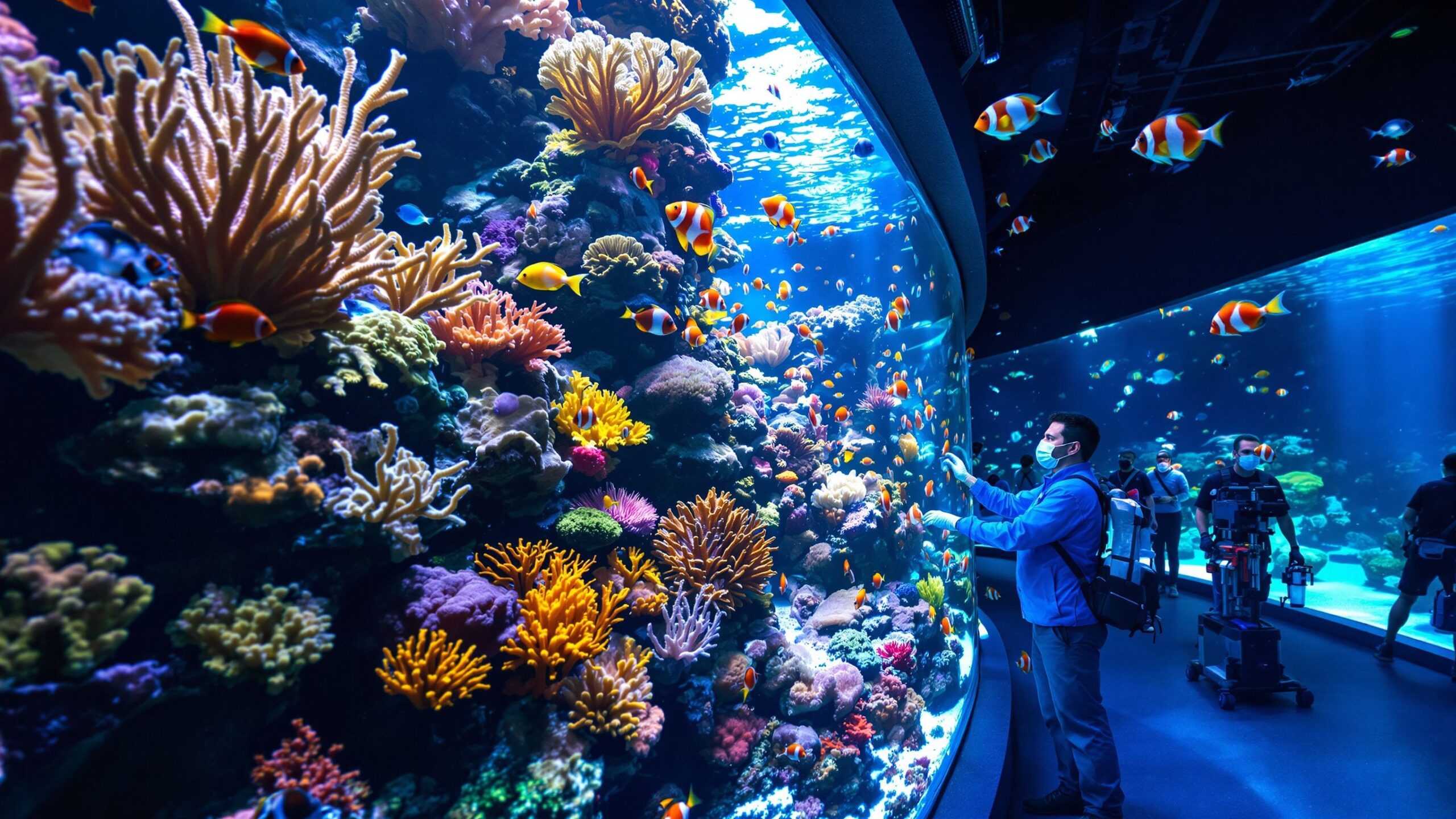
Public aquariums often offer volunteer programs, internships, and behind-the-scenes opportunities that provide direct exposure to professional marine animal care. This experience is extremely valuable because it shows how large systems operate compared to home tanks.
Volunteers may assist with feeding, exhibit maintenance, educational programs, visitor engagement, or support tasks around animal care departments. Even if the work starts small, it helps build trust and professional connections.
Internships are especially important for people aiming to become aquarists because many aquarium jobs are highly competitive. Employers often hire people who have already proven themselves through hands-on experience within similar facilities.
Learning how professional aquariums manage life support systems, quarantine rooms, and large reef exhibits gives you insight that books alone cannot provide.
Learn Water Chemistry and Life Support Systems
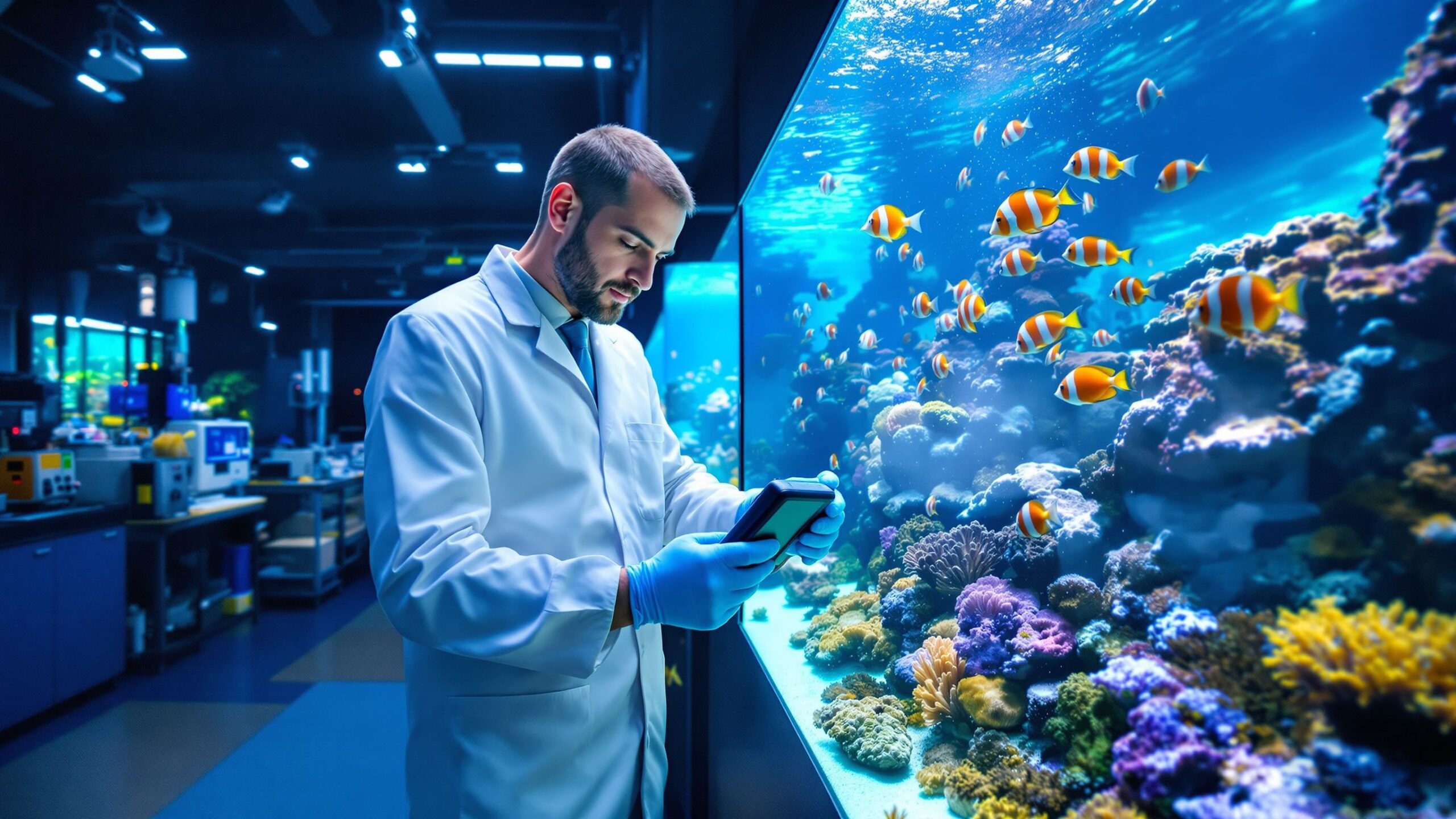
One of the biggest differences between hobby fishkeeping and professional aquarium work is the level of technical system knowledge required. Employers expect strong understanding of water chemistry and life support systems.
You should understand salinity, ammonia, nitrite, nitrate, alkalinity, calcium, pH stability, oxygen levels, and temperature management. Beyond that, professional aquarists must understand filtration systems, protein skimmers, pumps, UV sterilizers, quarantine systems, and backup protocols.
Large aquariums depend on stable life support systems every hour of the day. A small mistake can affect entire animal populations.
The more comfortable you become with system management, the stronger your career foundation becomes. This knowledge is often what separates hobby interest from true professional readiness.
Consider Formal Education
Some aquarium careers can begin with strong hands-on experience alone, but others require formal education. The path depends on the type of career you want.
Marine biology, marine veterinary medicine, conservation science, and research roles usually require college degrees. A bachelor’s degree is often the minimum, while advanced scientific work may require graduate school.
Aquarist roles, aquaculture work, and aquarium store management may place more value on practical experience, certifications, and internships, though degrees in biology, zoology, environmental science, or aquaculture can still be a major advantage.
Education should match your long-term goal. Understanding where you want to go helps avoid unnecessary steps and makes career planning much clearer.
Get Dive Certifications if Needed
For careers involving fieldwork, reef restoration, marine conservation, or ocean research, scuba certification can be a major advantage. Many marine jobs involve direct work in reef habitats rather than only indoor aquarium systems.
Dive guides, coral restoration workers, marine researchers, and eco-tourism professionals often rely on diving as part of daily work. Comfort underwater becomes a professional skill rather than just a hobby.
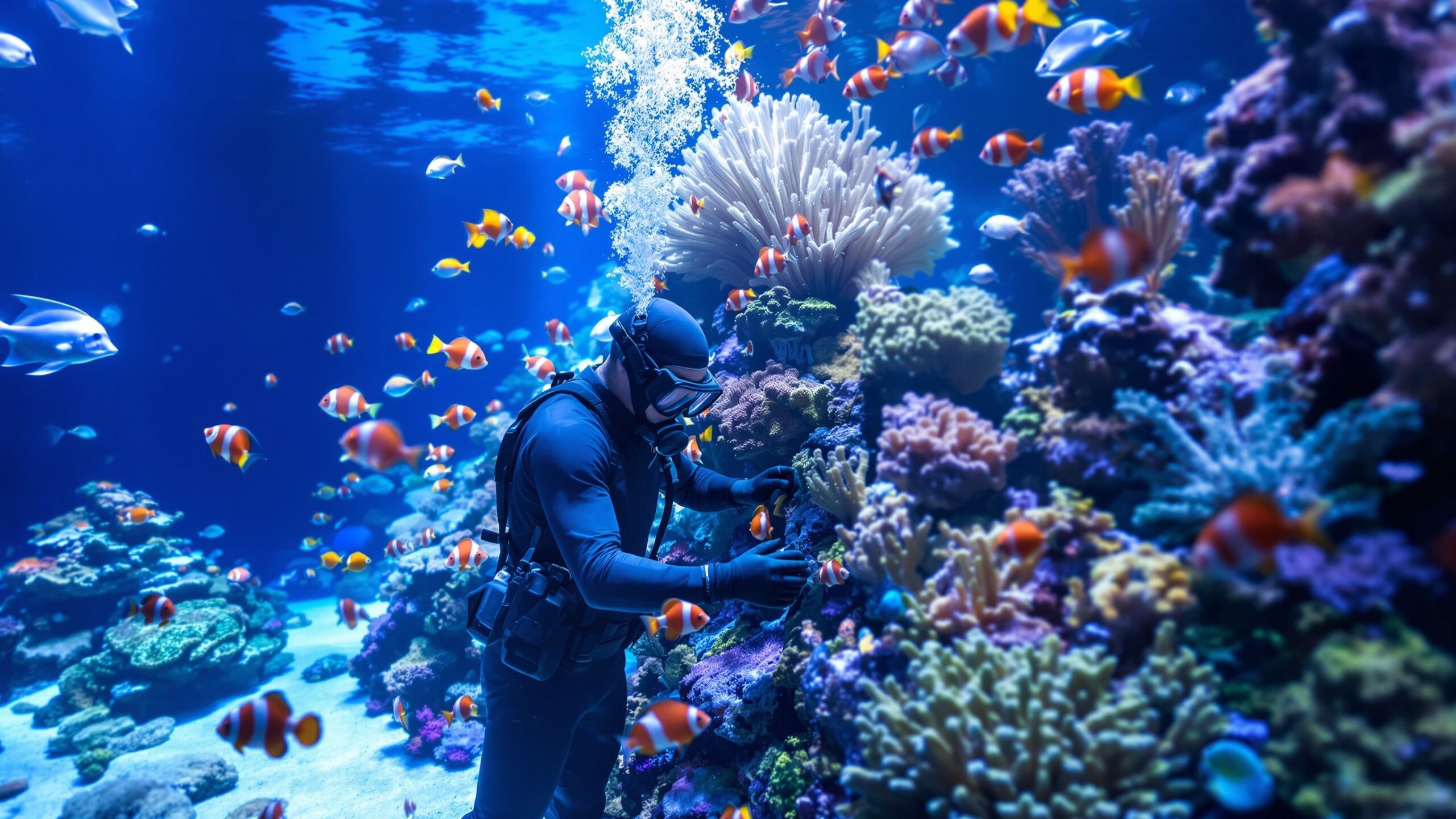
Even for aquarium careers, diving can create additional opportunities and strengthen your resume. Public aquariums with large shark tanks or reef exhibits may need certified divers for maintenance and animal care tasks.
Safe diving skills combined with marine knowledge can open career paths that remain inaccessible to non-divers.
Build a Professional Network
The aquarium industry is smaller than many people realize, and relationships matter. Many jobs are filled through recommendations, internships, and industry connections rather than public job listings alone.
Joining reef clubs, aquarium societies, marine conservation groups, and online professional communities helps you meet people already working in the field. Conferences, trade shows, and local aquarium events can also create valuable networking opportunities.
Mentorship is especially powerful. Learning from experienced aquarists, store owners, marine biologists, or public aquarium staff gives practical advice that formal education often misses.
A strong reputation for reliability, curiosity, and professionalism often opens more doors than a resume alone.
Learn Quarantine and Fish Health Management
Fish health is one of the most important skills in professional marine work. Knowing how to recognize stress, disease, parasites, and compatibility problems makes you far more valuable to employers.
Quarantine systems, observation protocols, medication safety, and disease prevention are major parts of aquarium operations. Marine fish can decline quickly when health problems are missed, and prevention is often more important than treatment.
Understanding common issues like marine ich, velvet, bacterial infections, aggression stress, and poor acclimation helps protect both livestock and system stability.
People who develop strong fish health knowledge often become trusted problem-solvers in aquarium facilities and breeding operations.
Be Ready for Hard Work
Working with saltwater fish is rewarding, but it is not always glamorous. Public aquarium staff clean tanks, manage emergencies, test systems, handle quarantine losses, and solve unexpected problems every day.
Early career roles may involve long hours, weekends, physical labor, and routine maintenance tasks before advancing into specialized positions. Passion helps, but discipline matters even more.
Success in this field comes from consistency. Animals depend on stable care whether it is convenient or not.
People who truly thrive in marine careers are usually the ones who respect the responsibility behind the beauty.
Stay Focused on Long-Term Growth
Starting small is normal. Very few people begin with dream jobs working directly with sharks or leading coral reef expeditions. Most careers start with maintenance work, internships, entry-level aquarist roles, or fish store experience.
Each step builds trust, knowledge, and professional credibility. Small responsibilities often lead to larger opportunities over time.
The key is staying focused on growth rather than immediate status. Learning every part of the industry creates stronger professionals than chasing titles too quickly.
Patience matters because marine careers are built through experience, not shortcuts.
Turning a Hobby Into a Future
A love for saltwater fish can absolutely become a lifelong profession. The same curiosity that begins with a clownfish tank at home can grow into a career spent caring for marine life, protecting coral reefs, or educating others about ocean ecosystems.
The path requires effort, but it is real. Experience, technical skill, education, and professional connections all work together to create opportunities in aquariums and marine science.
The ocean needs people who care enough to learn how to protect it. Public aquariums, conservation programs, coral farms, and marine research centers all depend on dedicated people who treat fish care as serious work.
For those who truly love saltwater fish, building a career in aquariums is more than finding a job. It is turning passion into purpose and spending every day connected to the marine world.
Pet Product Reviews
Explore Duffy Street’s Pet Product Reviews! Sniff out the top-rated toys, treats, gear, and gadgets for your pets with our fun, easy-to-read comparisons. We’ve done the digging so you can find the perfect products for your pet friends!