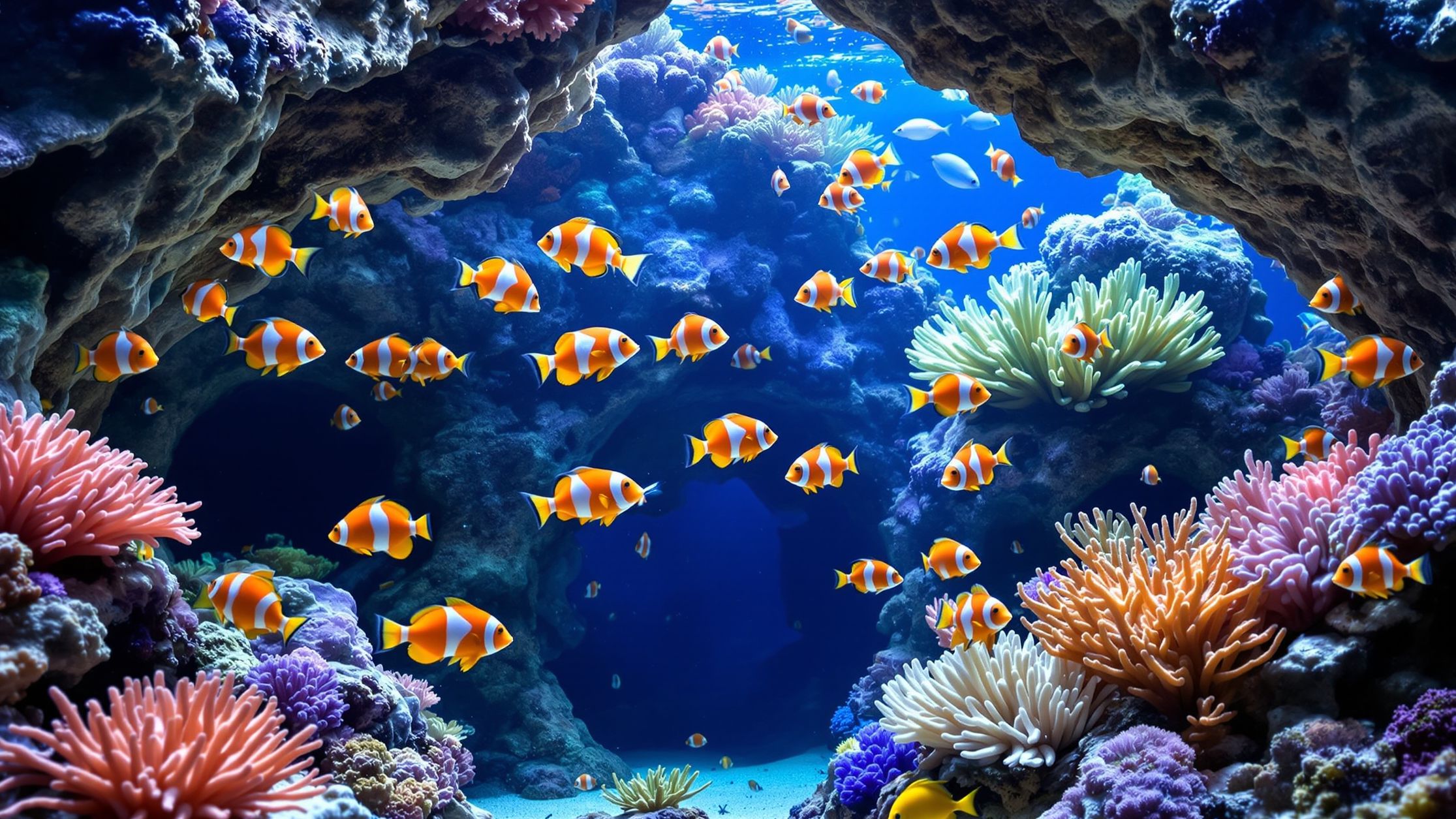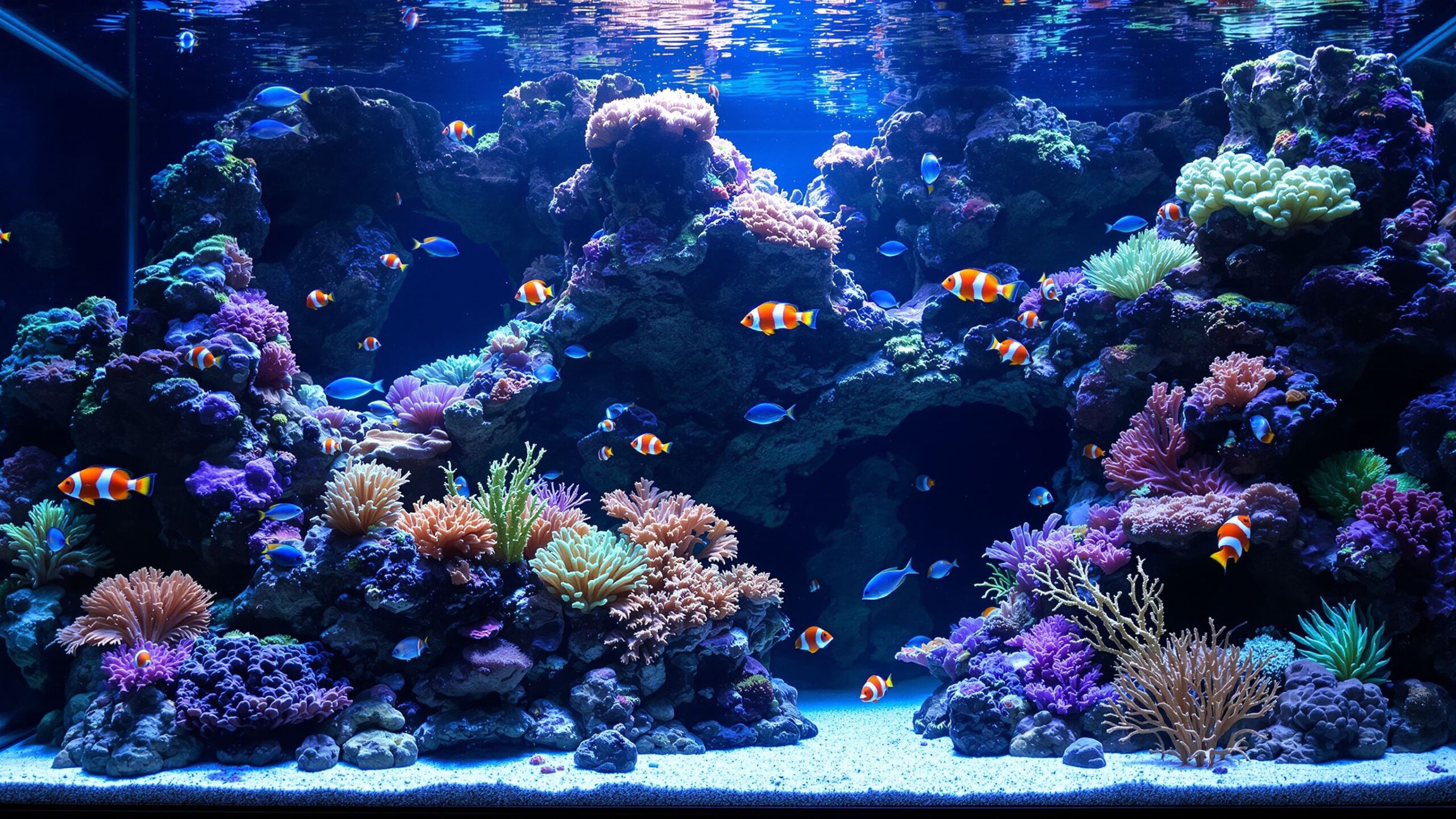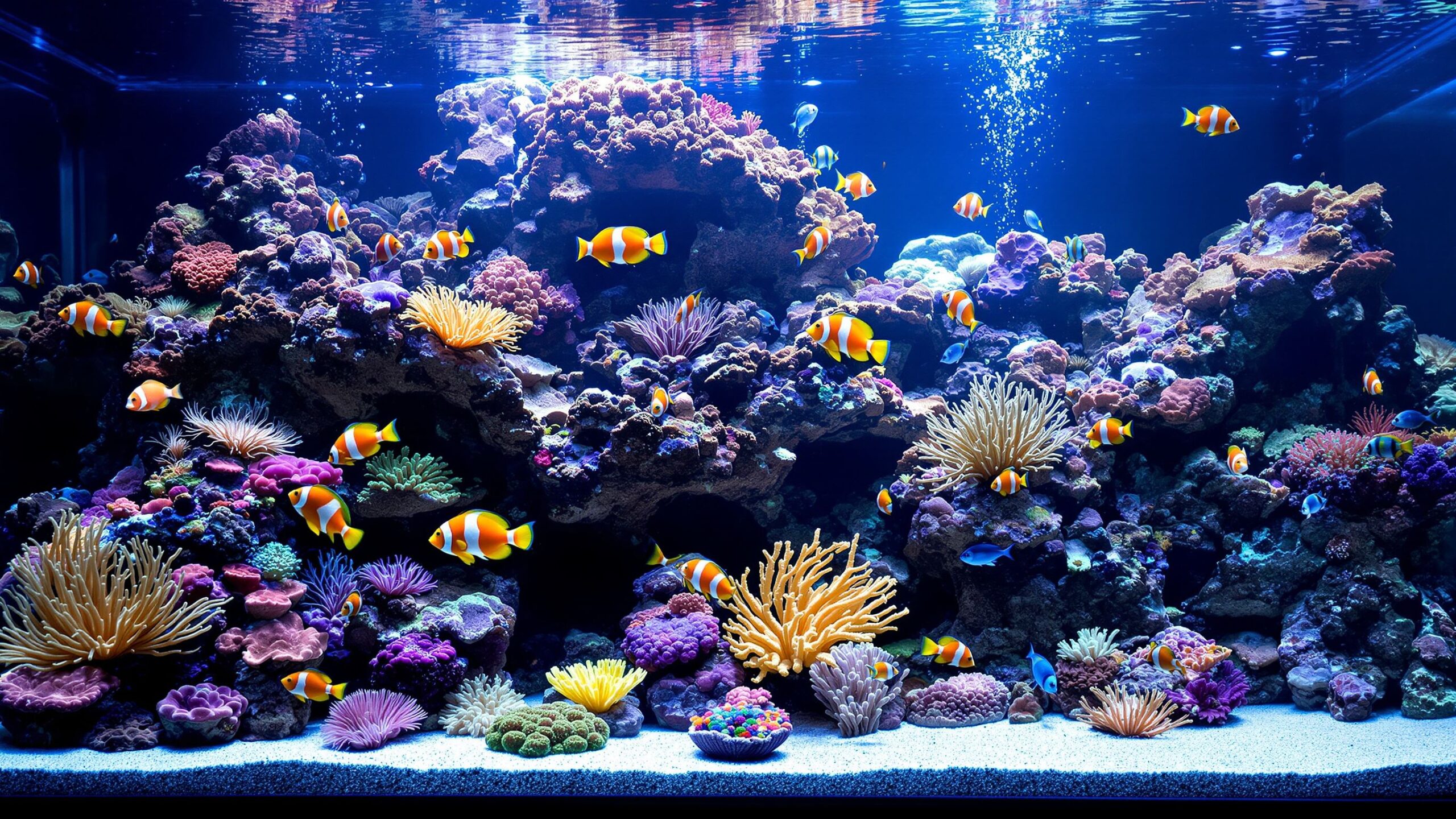
A saltwater aquarium should be more than a clean tank with beautiful fish. It should be a living environment where fish can explore, forage, rest, and display their natural behaviors. When a tank lacks stimulation, fish often show clear warning signs that something is missing.
Many aquarium owners focus on water quality, feeding schedules, and filtration systems, but enrichment is just as important. Fish that feel bored, stressed, or under-stimulated may begin acting differently long before visible health problems appear. Recognizing these early signs can help prevent bigger issues later.
Saltwater fish are active, intelligent animals with instincts shaped by the complexity of coral reefs and ocean habitats. In captivity, they rely on their owner to provide structure, movement, variety, and security. When that balance is missing, behavior changes quickly.
Understanding the signs of boredom and poor enrichment helps you create a healthier and more rewarding marine aquarium. Whether you keep clownfish, tangs, wrasses, gobies, blennies, or angelfish, learning to read their behavior is one of the most valuable skills in fish keeping.
A: Watch for pacing, repetitive swimming, aggression, hiding, low curiosity, or reduced interest in normal activities.
A: Yes, under-stimulation, cramped territories, and poor tank layout can increase chasing, nipping, and stress.
A: Add useful hiding spots, vary feeding routines, and provide natural grazing or exploring areas.
A: Small changes can help, but avoid major rearranging too often because it may stress fish and disturb the reef.
A: No, tangs, gobies, clownfish, wrasses, blennies, and angelfish all interact with their environment differently.
A: Yes, lethargy, hiding, color loss, and appetite changes can also come from water problems or illness.
A: Mirrors can stress or provoke territorial fish, so they should be used carefully, briefly, or avoided.
A: Yes, live rock offers grazing surfaces, hiding spots, territory boundaries, and natural exploration.
A: Absolutely. Slow feeding, target feeding, grazing clips, and varied foods can make meals more natural and engaging.
A: If changes are sudden, severe, or paired with breathing issues, spots, wounds, or appetite loss, check water and health immediately.
Constant Glass Pacing
One of the most common signs of poor enrichment is repeated pacing along the glass walls of the aquarium. Fish may swim up and down the same section or repeatedly move from one side of the tank to the other in a fixed pattern.
This behavior often suggests frustration, boredom, or stress. In the wild, fish have endless space to explore, but in a bare or undersized aquarium, they may feel trapped or unstimulated. Constant pacing is especially common in active swimmers like tangs and wrasses that naturally cover large distances.
Glass surfing can also be caused by reflections, aggression, or poor tank size, so it is important to look at the full environment. If pacing happens daily and becomes repetitive, enrichment improvements are usually needed.
Adding more live rock, changing flow patterns, reducing reflections, and increasing natural exploration opportunities can often reduce this behavior significantly.
Excessive Hiding
While some fish are naturally shy, constant hiding can be a sign that a fish does not feel secure or stimulated enough to engage with its environment. Fish that spend nearly all day hidden behind rocks or inside caves may be experiencing stress rather than simply resting.
This is common when tanks lack proper shelter, when aggressive tank mates create fear, or when the environment feels too open and exposed. A fish that never comes out to explore is not benefiting from healthy enrichment.
Clownfish, gobies, blennies, and many reef species need secure places to retreat, but they should also feel confident enough to spend time swimming openly. A balanced fish uses both hiding and active exploration.
Improving aquascaping, adding caves and shaded areas, and reviewing tank mate compatibility can help shy fish become more comfortable and active.
Increased Aggression Toward Tank Mates
Bored or stressed fish often redirect that frustration into aggression. Chasing, fin nipping, territorial fighting, and bullying can all increase when fish have too little stimulation or not enough space to establish territory.
This is especially common in tangs, dottybacks, angelfish, and damselfish. Without interesting areas to patrol or enough structure to break sight lines, fish may focus entirely on competing with one another.
Aggression can also increase when feeding is too predictable or when there are limited hiding spaces. Fish begin guarding small areas more intensely because they feel there is little else to control.
Adding more rockwork, creating visual barriers, improving feeding variety, and ensuring proper stocking levels can help reduce boredom-related aggression and restore balance to the tank.
Loss of Interest in Food
Healthy saltwater fish are usually enthusiastic about feeding time. When a fish begins ignoring food or showing little excitement during meals, it may be signaling stress, boredom, or environmental discomfort.
While illness should always be ruled out first, a fish that has clean water and no visible disease may simply be under-stimulated. Repetitive feeding routines with the same food in the same location every day can reduce natural engagement.
Fish that normally hunt, graze, or forage benefit from meals that encourage activity. Wrasses enjoy chasing moving food, tangs benefit from algae clips, and many reef fish respond well to varied frozen foods released through current.
Changing feeding methods and adding more natural foraging opportunities can help restore appetite and interest.
Dull or Faded Colors
Bright coloration is often linked to good health, but behavior and environment also play a role. Fish that feel stressed, bored, or insecure may lose some of their natural vibrancy over time.
A dull appearance does not always mean disease. Sometimes it reflects chronic stress caused by poor tank layout, lack of hiding places, or too little environmental stimulation. Fish that spend all day inactive or frightened often show weaker coloration.
Lighting quality, diet, and water conditions also affect color, so enrichment should be considered as part of the bigger picture rather than the only cause.
When fish feel secure and engaged, they often display stronger natural colors and more confident behavior throughout the tank.
Unusual Lethargy
Every fish species has its own normal activity level, but unusual laziness can be a warning sign. A fish that once explored actively but now spends most of the day motionless may be lacking stimulation or feeling stressed.
Some species naturally rest often, but healthy fish still show curiosity during feeding, lighting changes, or movement in the tank. If a normally active fish seems uninterested in everything, enrichment may be missing.
A dull environment with little flow, limited aquascaping, and repetitive feeding routines can reduce natural activity levels. Fish need reasons to move, explore, and interact with their surroundings.
Increasing current variation, adding enrichment zones, and improving habitat complexity can help restore normal movement patterns.
Overreaction to Outside Movement
Fish that react dramatically every time someone walks past the tank may be showing signs of under-stimulation. If the outside world becomes the most interesting thing in their day, they may become overly focused on every shadow and movement.
This can lead to frantic swimming, sudden hiding, or constant rushing to the glass. While some fish simply recognize feeding routines, excessive reactivity often points to an environment that feels too empty inside the tank.
Fish should be more engaged with their own surroundings than with outside distractions. A rich reef environment gives them natural activities instead of relying on human movement for stimulation.
Adding flow variety, better aquascaping, and more natural feeding behavior often shifts attention back into the aquarium itself.
Repetitive Strange Behaviors
Fish sometimes develop unusual repetitive habits when their environment lacks variety. This can include rubbing against the same object repeatedly, circling one area endlessly, digging without purpose, or hovering unnaturally in one exact spot.
These behaviors may also signal illness or water quality issues, so it is important to rule out medical causes first. However, when health checks are normal, repetitive habits can be linked to boredom and stress.
Fish need opportunities to express natural instincts like exploring, grazing, hiding, and interacting. Without those outlets, repetitive behaviors may become their default pattern.
Watching these habits closely can help owners spot problems before they turn into long-term stress behaviors.
Lack of Territory Exploration
Healthy marine fish usually patrol their environment, inspect new objects, and respond to changes in the tank. A fish that never explores and stays in one corner all day may not feel stimulated enough to engage.
This often happens in tanks with too little structure or in overly bare quarantine-style setups that continue too long after treatment. Fish need more than open swimming space. They need interesting areas worth investigating.
Adding caves, ledges, coral placement, and grazing surfaces creates reasons for movement. Even small changes like a new coral frag or rearranged algae clip can trigger curiosity.
Exploration is one of the clearest signs that a fish feels mentally active and secure in its environment.
How to Fix the Problem
Recognizing the signs is only the first step. The next step is improving the environment in practical ways that match your fish’s natural instincts and species needs.
Live rock is one of the best enrichment tools because it provides hiding spaces, grazing surfaces, and swimming pathways. Corals and macroalgae add texture and movement, while wavemakers create natural current patterns that keep fish active.
Feeding should also become an experience rather than a quick event. Varying food types, changing feeding locations, and using algae clips help fish stay mentally engaged.
Tank mate balance matters as well. Peaceful compatibility, proper territory division, and enough personal space all reduce boredom-driven stress and aggression.
Most importantly, observe your fish closely. Their behavior will always tell you more than any checklist. The best aquarists learn to watch first and adjust second.
A Stimulated Fish Is a Healthier Fish
Saltwater fish are not decorations placed in water. They are living animals with instincts, preferences, and behavioral needs that deserve attention. When enrichment is missing, fish show it through their actions long before serious health problems appear.
Glass pacing, hiding, aggression, dull colors, and unusual inactivity are often messages that the environment needs improvement. These signs should never be ignored or dismissed as normal personality quirks.
A healthy reef tank feels active, balanced, and alive. Fish should explore, interact, and move with confidence. When their environment supports natural behavior, their health improves and their true personality becomes visible.
Providing enrichment is not extra work added to fish keeping. It is one of the most important parts of responsible marine care, and it creates a better experience for both the fish and the person caring for them.
Pet Product Reviews
Explore Duffy Street’s Pet Product Reviews! Sniff out the top-rated toys, treats, gear, and gadgets for your pets with our fun, easy-to-read comparisons. We’ve done the digging so you can find the perfect products for your pet friends!