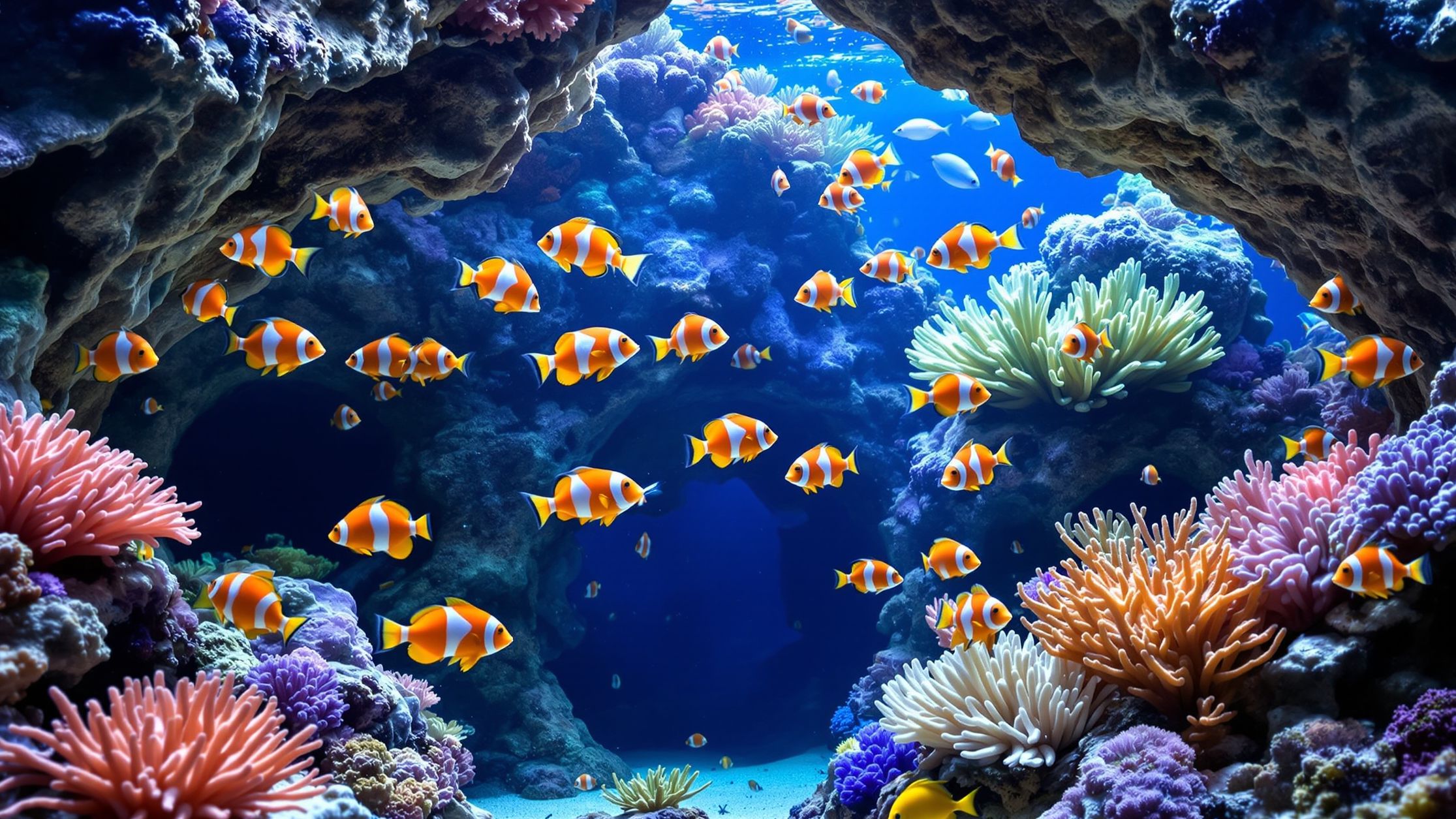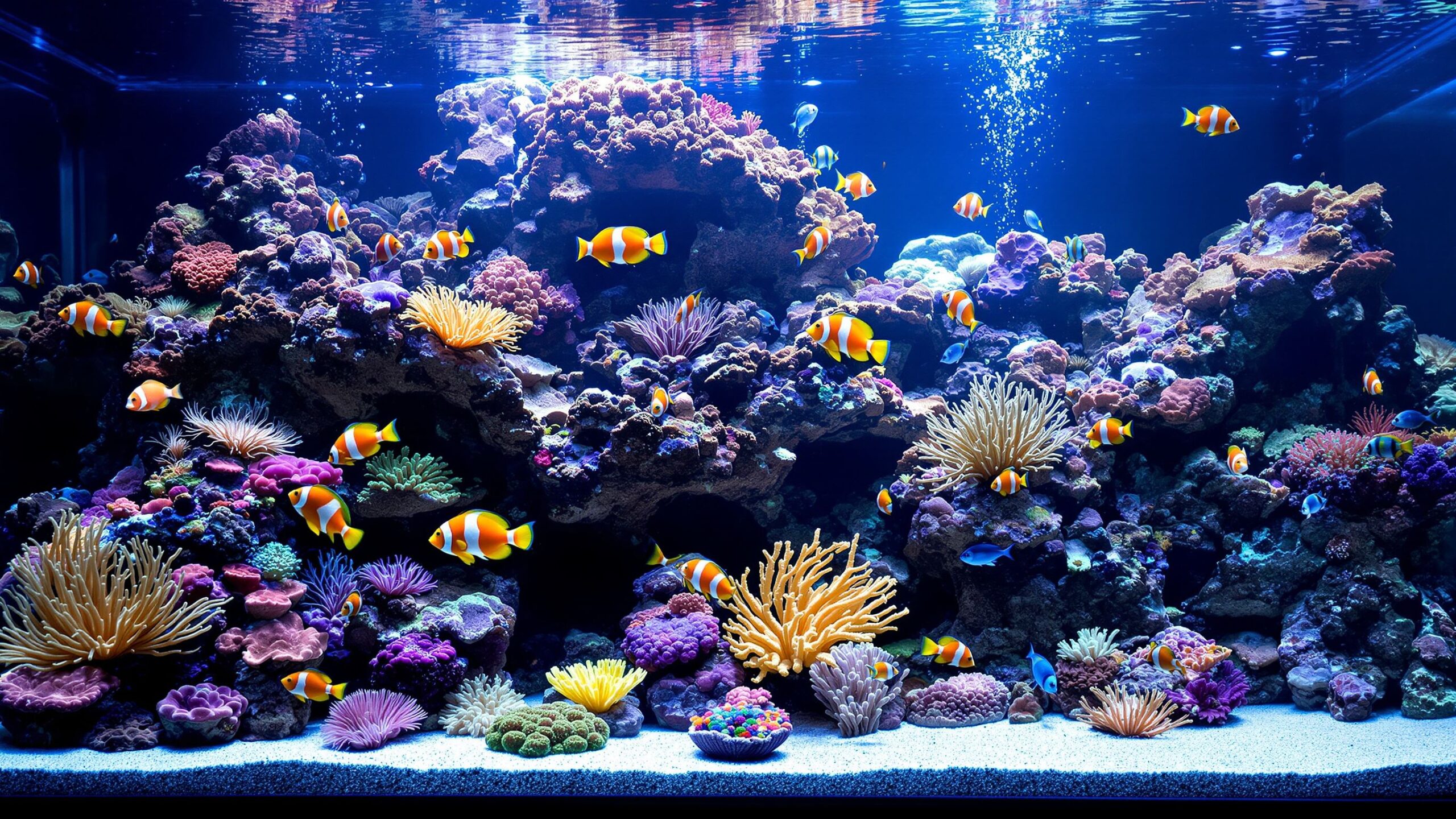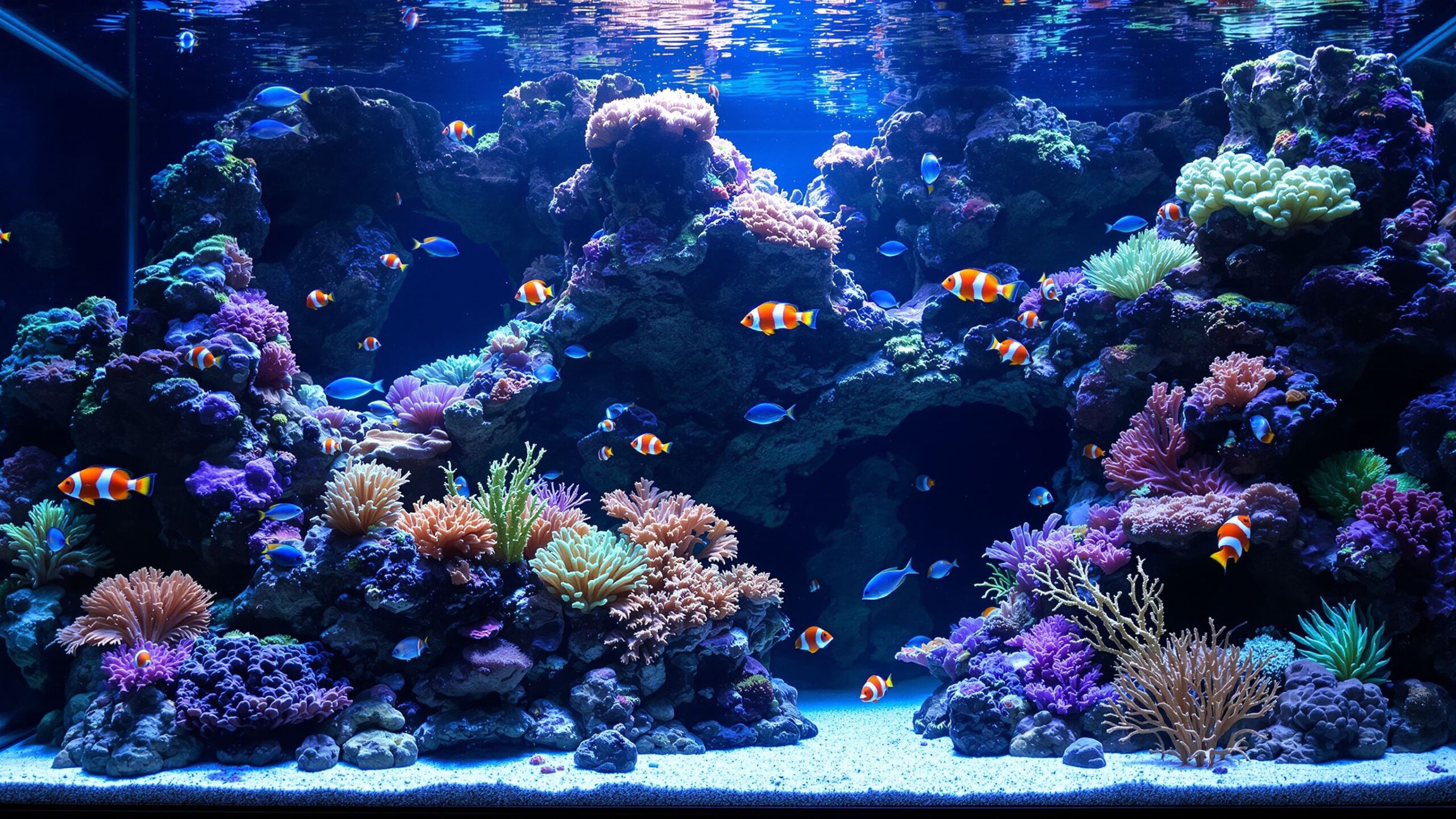
A saltwater aquarium is more than a beautiful display of colorful fish and coral. It is a living environment where fish need stimulation, comfort, and activity to truly thrive. Many aquarium owners focus on water quality and feeding but forget that fish also need mental enrichment. In the wild, saltwater fish spend their days exploring reefs, searching for food, and interacting with their surroundings. In a home tank, preventing boredom is an important part of keeping fish healthy, active, and stress-free. Fish that lack stimulation may become aggressive, hide too often, lose interest in food, or show repetitive behaviors like pacing along the glass. A well-designed tank helps fish stay engaged and encourages natural behavior. When fish are active and curious, they often show brighter colors, stronger appetites, and better overall health. Whether you keep clownfish, gobies, tangs, wrasses, or angelfish, creating an enriching environment should be part of daily care. A dynamic aquarium supports both physical and emotional well-being, making the tank more enjoyable for both fish and owner.
A: They may not experience boredom exactly like people do, but they can become under-stimulated when their environment lacks hiding places, movement, foraging, or variety.
A: Watch for pacing, glass surfing, aggression, hiding constantly, loss of interest in food, or repetitive swimming patterns.
A: It is safer to use reef-safe rockwork, feeding tools, flow changes, and natural structures instead of random toys that may leach chemicals.
A: Major rearranging should be rare because it can stress fish, but small, careful adjustments can add interest when needed.
A: Yes, offering appropriate frozen, pellet, algae, and foraging-style foods can encourage natural feeding behavior.
A: Not always; adding incompatible or too many fish can cause stress, aggression, and water quality problems.
A: Flow can encourage activity, but every tank also needs calmer zones where fish can rest.
A: Yes, even bold fish benefit from retreat spaces because security helps reduce stress and supports natural behavior.
A: Add safe rock structure, vary feeding methods, and create both open swim areas and sheltered zones.
A: No, enrichment only works when the tank is stable, clean, properly stocked, and matched to the needs of the fish.
Understanding Fish Boredom in Marine Aquariums
Many people assume fish only need clean water, proper temperature, and regular feeding. While those basics are essential, fish are far more behaviorally complex than most people realize. They learn routines, recognize feeding times, respond to movement, and establish territories within the tank.
Boredom in fish is not exactly the same as human boredom, but it reflects a lack of stimulation and environmental engagement. In small or empty aquariums, fish may have very little opportunity to express natural instincts. Grazers cannot forage, hunters cannot chase prey, and territorial fish may have nothing interesting to patrol.
Common signs of boredom include pacing along the glass, unusual hiding, excessive aggression, dull colors, or a general lack of activity. Some fish may also become overly reactive to movement outside the tank because there is little else happening inside their environment.
Learning about your fish’s natural habitat is the first step. A clownfish needs different enrichment than a tang or a hawkfish. Matching the aquarium setup to those instincts creates a healthier and more balanced environment.
Build a More Natural Reef Environment
One of the best ways to prevent boredom is to create a tank that feels like a real reef instead of an empty glass box. Fish thrive when they have places to explore, hide, and claim as their own.
Live rock is one of the most valuable additions to a saltwater aquarium. It creates caves, ledges, tunnels, and shaded areas where fish can swim through and rest. These structures also provide grazing surfaces for species that naturally pick at rocks throughout the day.
Corals and macroalgae add even more texture and movement. Soft corals that gently sway with the current create visual stimulation and make the tank feel alive. Even fish that do not directly interact with coral benefit from the complexity and security it provides.
Vertical space also matters. Some fish prefer the top of the tank while others stay close to the substrate. Creating different levels allows fish to use the full aquarium naturally and reduces stress caused by overcrowding in one area.
Encourage Natural Foraging Behavior
In the ocean, many saltwater fish spend most of their day searching for food. In captivity, they often receive one quick meal and then have little to do. Recreating natural foraging behavior helps prevent boredom and keeps fish mentally active.
Instead of always feeding in the same spot, vary where food enters the tank. This encourages fish to search rather than wait in one place. Frozen foods like mysis shrimp and brine shrimp can be released into the current so fish must actively chase them.
Algae clips are excellent for tangs, rabbitfish, and some angelfish. Attaching seaweed sheets to different areas of the tank gives them a chance to graze throughout the day, similar to how they would feed on a reef.
Rotating food types also helps. Fish respond well to variety, and changing between pellets, frozen foods, and algae-based meals supports both nutrition and stimulation. Feeding should feel like an activity, not just a quick routine.
Choose Compatible and Interesting Tank Mates
Social interaction is another important form of enrichment. Many fish become more active and confident when they live with compatible tank mates. Some species naturally enjoy community life, while others simply benefit from peaceful neighbors.
Clownfish often do well in pairs, and gobies may form interesting relationships with pistol shrimp. Tangs and wrasses often show more active behavior in balanced reef communities where they can patrol and interact naturally.
The goal is not to add more fish, but to add the right fish. Overcrowding causes stress and aggression, while poor compatibility can lead to bullying and constant hiding. Researching temperament and tank needs before adding new fish is essential.
Invertebrates also bring movement and interest to the aquarium. Cleaner shrimp, snails, hermit crabs, and reef-safe crabs add life to the tank and create more natural interaction opportunities.
Add Flow and Movement Variety
Water movement affects much more than filtration. In the ocean, fish experience changing currents all day, and that movement shapes how they swim, feed, and rest. A tank with little flow can feel unnatural and dull.
Powerheads and wavemakers create dynamic water movement that encourages fish to stay active. Some species enjoy swimming into stronger currents, while others prefer calm areas where they can rest safely.
Alternating flow settings can make the environment feel more natural. Fish often become more playful and active when currents shift throughout the day. Coral movement also adds visual interest and helps create a living reef appearance.
It is important to balance strong flow with sheltered areas. Fish should always have the option to move between active and calm zones depending on their comfort and species needs.
Create Safe Hiding and Sleeping Spaces
Preventing boredom is not only about activity. Fish also need security. A stressed fish with nowhere to hide will not feel comfortable enough to explore or display natural behavior.
Many marine fish rely on caves, crevices, and shaded areas for sleeping and resting. Wrasses may bury themselves in sand, blennies enjoy narrow hiding spots, and clownfish often stay close to host structures or coral.
Providing these spaces gives fish control over their environment. They can choose when to be visible and when to retreat, which reduces anxiety and aggression.
Substrate matters too. Species like gobies, jawfish, and wrasses benefit from sand beds that support natural digging and resting behavior. A secure fish is far more likely to be active and engaged.
Use Visual Enrichment Carefully
Visual stimulation can improve enrichment when used properly. Fish are highly aware of light, reflection, and outside movement, so the visual setup of the tank matters.
Tank backgrounds help reduce reflections that may cause stress. Fish that constantly see their own reflection may become aggressive or nervous. A dark or reef-themed background creates a calmer and more natural environment.
Adding a new coral frag, decorative shell, or safe reef decoration can spark curiosity. Some fish investigate new objects much like other pets explore new toys.
Lighting also affects behavior. Gradual sunrise and sunset settings from programmable reef lights create a more natural daily rhythm than sudden bright light. Moonlight settings can support evening activity in certain species.
Avoid constant tapping on the glass or excessive outside disturbances. Not all stimulation is good stimulation, and unpredictable stress should never replace proper enrichment.
Rearrange Routine Without Causing Stress
Fish benefit from routine, but too much predictability can become dull. Small changes help keep life interesting without creating stress.
Changing feeding times slightly, moving an algae clip, or adjusting a small part of the aquascape can encourage curiosity. Fish often notice these details and respond by exploring more actively.
Adding temporary macroalgae or changing the position of a coral can also create new interest. However, major tank rearrangements should be done carefully because they may cause territorial disputes or unnecessary stress.
The best enrichment comes from subtle changes, not constant disruption. The goal is to create variety while keeping the environment stable and safe.
Prevent Overdependence on Human Interaction
Some fish begin to rely entirely on human presence for stimulation, especially when feeding is the only exciting event in the day. They may rush to the glass every time someone enters the room because they associate people with food.
While owner interaction can be positive, fish should not depend only on that for enrichment. Their environment should remain interesting even when no one is nearby.
Automated feeding schedules, active tank communities, live rock structures, and natural foraging opportunities help keep fish engaged throughout the day. A healthy aquarium should provide stimulation even during quiet hours.
This is especially important for busy owners. A well-designed tank supports fish behavior whether someone is watching or not.
Monitor Behavior and Adjust Accordingly
Every fish responds differently to enrichment. Preventing boredom is not about following one universal checklist. It is about watching your fish and learning what works best for them.
Observe how they move through the tank. Are they using hiding spaces or ignoring them? Do they respond positively to new flow patterns? Is aggression increasing after feeding time? These details help guide better care decisions.
Healthy fish show curiosity, steady appetite, normal social behavior, and natural movement. If a fish constantly paces the glass or hides too much, the environment may need improvement.
Sometimes the issue is not boredom but space. A tang in a tank that is too small may need a larger environment rather than more decorations. Paying attention to behavior helps solve the real problem.
The Happiest Tanks Are the Most Dynamic
A beautiful saltwater aquarium should be more than something nice to look at. It should feel alive. Fish should have places to explore, currents to swim through, and a habitat that supports their instincts.
Preventing boredom is not an extra luxury. It is an important part of responsible fish keeping. Live rock, thoughtful feeding, proper flow, safe hiding spaces, and compatible tank mates all work together to create a healthier environment.
When fish are mentally engaged, their personalities become more visible. Colors brighten, feeding becomes more exciting, and the entire tank feels more natural and rewarding.
Saltwater fish are not decorations. They are living animals that deserve an environment rich enough to support their full behavior. A stimulating aquarium creates healthier fish and a far better experience for every aquarium owner.
Pet Product Reviews
Explore Duffy Street’s Pet Product Reviews! Sniff out the top-rated toys, treats, gear, and gadgets for your pets with our fun, easy-to-read comparisons. We’ve done the digging so you can find the perfect products for your pet friends!