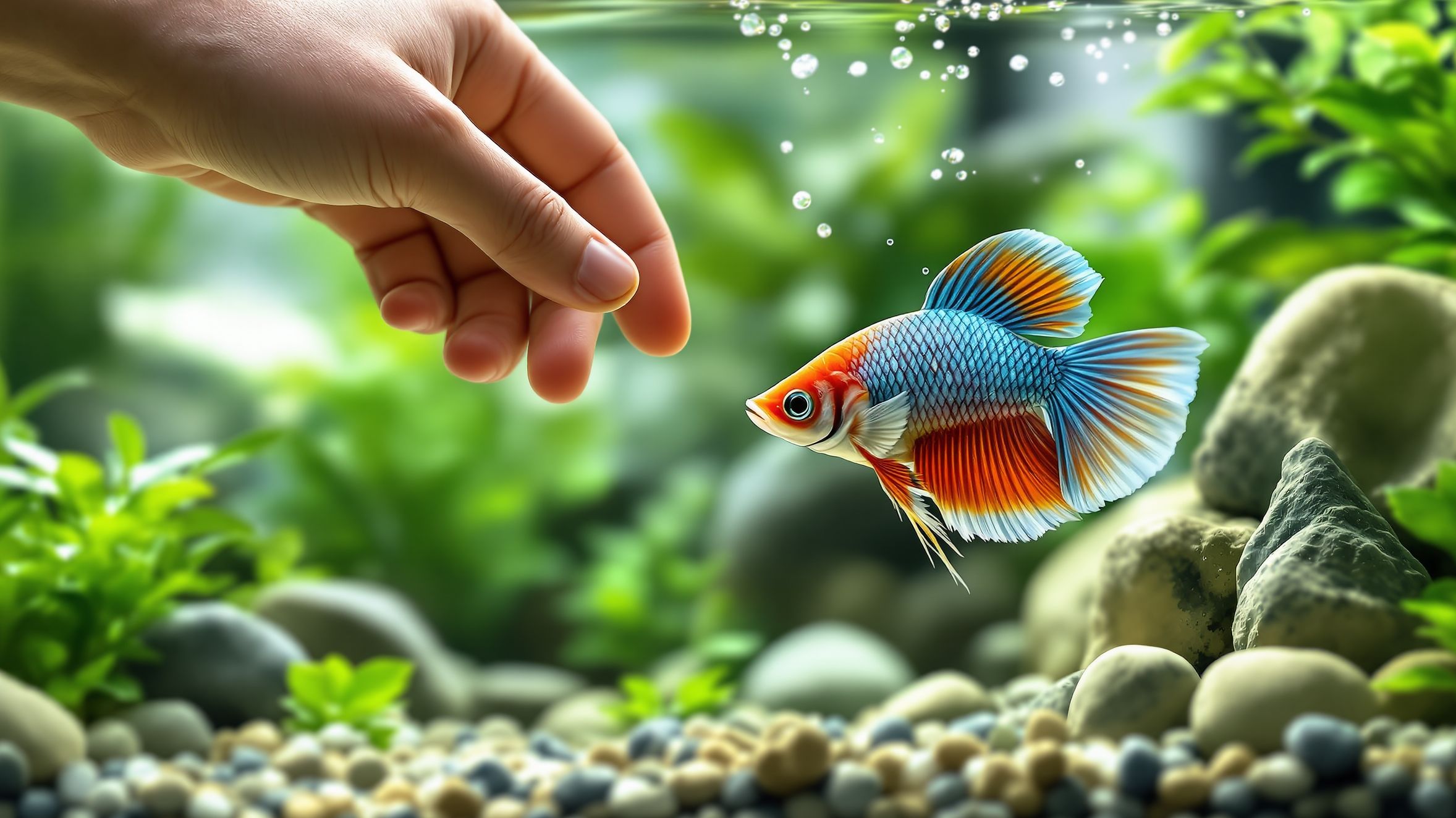
The Hidden Drama Beneath the Surface
Every community aquarium looks peaceful at first glance—a tranquil underwater world where colors shimmer and species coexist in harmony. But beneath that calm exterior, tension can simmer. Fin nipping, chasing, or territorial standoffs can quickly disrupt the balance, leaving stressed fish and frustrated aquarists. Aggression is one of the most common challenges in multi-species tanks, yet it’s also one of the most preventable. With a little understanding of fish psychology, tank dynamics, and environmental design, you can transform chaos into calm and create a thriving aquatic community where every fin finds its place.
A: Brief, non-contact chases happen. If one fish is relentlessly targeted, separate and respace décor.
A: Extra volume helps, but you still need sight breaks, duplicate resources, and compatible species.
A: Works for some species (schoolers), but never add beyond your filtration/space limits.
A: Only for very short assessments; long use increases stress and isn’t a cure.
A: 7–14 days, then reintroduce after rescape; monitor closely.
A: It backfires—use controlled, frequent micro-feeds and multiple stations instead.
A: Biotope-true setups (matching region/flow/cover) usually reduce conflict.
A: No—treat root causes (space, structure, compatibility) and only medicate for confirmed illness.
A: Active schoolers (e.g., danios/rasboras) and bottom crews (corydoras) often diffuse tension.
A: If injuries persist despite structural fixes and isolation, rehome the aggressor or the victim.
Understanding Why Fish Become Aggressive
Aggression in fish is rarely random—it’s instinctive. In nature, aggression helps fish secure territory, establish hierarchy, and protect mates or food sources. In a confined tank, these instincts can become exaggerated due to limited space and resources. Some fish are naturally dominant, while others lash out due to stress or fear. Factors like overcrowding, mismatched species, poor tank design, or inconsistent feeding can all amplify aggressive tendencies. Recognizing that aggression often stems from unmet needs allows aquarists to address root causes rather than symptoms.
Identifying the Warning Signs
Aggression often begins subtly before escalating into visible conflict. Early signs include chasing, fin flaring, body blocking, or guarding specific zones. Nipped fins, torn tails, or fish hiding constantly are clear indicators of trouble. Watch for territorial patterns—if one fish consistently occupies the same corner or object and drives others away, you’re witnessing dominance behavior. Rapid gill movement or dulling coloration also point to stress caused by ongoing harassment. Identifying these cues early gives you time to intervene before injuries occur.
Species Compatibility: The Foundation of Peace
The single most important factor in preventing aggression is choosing compatible tankmates. Every fish has its own temperament, space requirement, and social structure. Peaceful community fish like tetras, rasboras, and guppies thrive with similar-sized, non-aggressive companions. Avoid pairing them with fin-nippers like tiger barbs or territorial species such as certain cichlids unless you’ve researched compatible varieties. Always consider adult size, swimming level (surface, mid, or bottom), and preferred environment. Matching these traits ensures natural separation and reduces competition for space.
The Importance of Tank Size and Layout
Overcrowding is one of the most common causes of aggression. Even peaceful fish become irritable when space is tight. Providing adequate swimming room allows fish to establish personal territories without constant overlap. As a rule of thumb, allow at least one gallon of water per inch of fish, adjusting upward for more active species. Layout also matters—use plants, rocks, and driftwood to break lines of sight. When fish can’t see each other constantly, territorial disputes diminish. A well-structured aquascape gives each species a sense of ownership and security.
Creating Natural Boundaries
In the wild, physical barriers like plants, roots, and rock formations define territories. Recreating these in your aquarium can drastically reduce aggression. Tall plants or rock clusters act as visual dividers that prevent constant confrontation. Use driftwood, caves, or artificial décor to create hiding zones and separate territories for bottom dwellers and mid-level swimmers. For territorial fish like cichlids or gouramis, visual barriers help them feel they’ve claimed a secure zone without constantly clashing with others. The more complex your aquascape, the more peaceful your tank becomes.
Establishing a Balanced Male-to-Female Ratio
In many species, males are the main aggressors, especially during breeding periods. Keeping too many males together can result in nonstop competition. The ideal ratio is typically one male for every two to three females, which diffuses tension and prevents constant pursuit. In livebearer species like guppies and mollies, this balance is critical—too few females can lead to exhaustion and injury from relentless chasing. Understanding gender dynamics within each species ensures a calmer, healthier community.
Feeding Strategies That Reduce Conflict
Food is one of the biggest triggers for aggression. When fish compete for limited resources, dominant individuals monopolize meals while weaker ones go hungry. Spread food across multiple areas of the tank to prevent crowding. Use sinking pellets for bottom feeders and floating flakes for surface dwellers to create feeding zones. Feeding smaller portions more frequently can also ease competition. For particularly aggressive feeders, feeding them first or slightly overfeeding temporarily can help calm behavior while you rebalance the tank dynamics.
Introducing New Fish the Right Way
Aggression often spikes when new fish are added to an established tank. Long-term residents view newcomers as intruders. To minimize this, rearrange tank decorations before introducing new arrivals—this disrupts existing territories and resets boundaries. Float the new fish in a bag or acclimation box to allow visual contact without direct confrontation. Introduce multiple new fish at once rather than one alone; it prevents the existing community from singling out a single target. Observation during the first few hours is crucial to ensure harmony.
Using Tank Dividers as Temporary Solutions
If aggression becomes severe, a physical divider can provide immediate relief. Acrylic or mesh dividers keep hostile fish separated while maintaining water flow and temperature consistency. This technique allows aggressors to calm down without complete isolation. After a few days or weeks, you can gradually remove the divider to test whether tensions have eased. Dividers are especially useful when dealing with breeding pairs, injured fish, or new introductions that need time to acclimate safely.
Environmental Enrichment to Diffuse Tension
Just like humans, fish get bored—and boredom breeds aggression. Adding environmental enrichment keeps fish occupied and mentally stimulated. Introduce floating plants, caves, or toys like feeding rings or bubble streams. Changing the tank layout occasionally encourages exploration rather than confrontation. For larger or intelligent species, such as cichlids or gouramis, enrichment reduces dominance displays by redirecting energy toward natural behaviors like digging or nest building. A tank that engages its inhabitants is a tank at peace.
The Role of Lighting and Water Conditions
Bright lighting can stress certain species, especially shy or nocturnal fish, causing them to act defensively. Dimming lights or using floating plants to create shaded areas helps calm nervous swimmers. Likewise, poor water quality increases irritability. Elevated ammonia, nitrite, or nitrate levels stress fish and make them more reactive. Regular water testing, partial changes, and proper filtration are essential for maintaining emotional balance. When water quality and lighting are optimal, aggression naturally declines as fish feel secure in their surroundings.
Understanding Hierarchies and Social Behavior
Some species naturally form hierarchies or pecking orders. In such groups, mild aggression is part of social structuring and should not always be a cause for alarm. However, persistent bullying or injuries signal imbalance. For schooling species, maintaining groups of at least six individuals disperses aggression evenly. For example, tiger barbs or zebra danios become less nippy when kept in larger numbers because aggression spreads throughout the group instead of focusing on one victim. Knowing each species’ social structure is key to managing behavior.
Breeding and Hormonal Triggers
Aggression can skyrocket during breeding seasons as males guard nests or court females. Provide adequate space, hiding spots, and visual barriers to give females refuge from overzealous males. If aggression remains uncontrollable, separate breeding pairs into a dedicated tank. Monitoring breeding cycles and temporarily adjusting tank arrangements can prevent conflict from spreading to the entire community. Recognizing hormonal patterns helps aquarists anticipate rather than react to aggressive episodes.
Using Dither Fish to Ease Tension
Dither fish are calm, fast-moving species that help diffuse aggression by distracting dominant individuals. Their presence signals to aggressive fish that the environment is safe, reducing defensive behavior. Tetras, danios, or rasboras make excellent dither fish in cichlid tanks, providing motion that breaks tension without provoking conflict. This natural behavior cue helps aggressive species relax, shifting focus from territorial defense to group awareness.
Monitoring Stress Through Behavior and Color
Stress and aggression are closely linked. Dull coloration, rapid breathing, or constant hiding indicate that your fish feel unsafe. Conversely, healthy, calm fish display vibrant colors and balanced movement. Observing these visual cues daily allows you to catch imbalances early. If one species consistently bullies others, removing or rehoming the aggressor might be the only solution. Sometimes peace in the tank depends on difficult choices made for the welfare of the majority.
The Impact of Temperature and Oxygen Levels
Higher temperatures speed up metabolism and can make fish more active or irritable. Lowering the temperature slightly—within safe species limits—can calm hyperactive individuals. Adequate oxygenation also plays a role in mood stability; poor oxygen levels lead to restlessness and surface gasping. Adjusting aeration and maintaining steady parameters fosters a calmer environment. A balanced ecosystem begins with physical comfort, which translates directly into behavioral harmony.
Consistency and Routine: The Peacekeepers’ Secret
Fish are creatures of habit. Consistent feeding times, lighting schedules, and stable conditions reduce anxiety and aggression. Sudden changes, such as rearranging décor too often or introducing new species impulsively, can throw off their sense of order. Routine brings predictability, and predictability breeds peace. A harmonious aquarium isn’t created overnight—it’s cultivated through daily attentiveness and respect for the rhythms of aquatic life.
When Intervention Becomes Necessary
Despite best efforts, some individuals are simply incompatible with community life. Chronic aggressors that attack tankmates relentlessly may need permanent relocation. Setting up a species-specific or isolation tank ensures safety for others while allowing the aggressive fish to live stress-free. Never ignore sustained fighting—it leads to injuries, disease, and tank-wide stress. Responsible intervention preserves the health and happiness of the entire ecosystem.
The Reward of Balance and Harmony
When aggression subsides, the transformation is striking. Fish swim freely without fear, colors intensify, and the tank radiates calm energy. A balanced community reflects the aquarist’s understanding of both nature and nurture—creating an environment where instinct coexists with peace. Every ripple becomes a sign of equilibrium achieved through patience, observation, and thoughtful care.
Peace by Design, Not by Chance
Reducing aggression in community tanks isn’t about luck—it’s about design, understanding, and consistency. By choosing compatible species, maintaining proper space, balancing territories, and providing environmental enrichment, you create an aquarium that thrives in harmony. Aggression may be natural, but with the right approach, peace can become the defining rhythm of your aquatic world. When your fish glide together in effortless unity, you’ll know you’ve built not just a tank—but a living, breathing community.
Pet Product Reviews
Explore Duffy Street’s Pet Product Reviews! Sniff out the top-rated toys, treats, gear, and gadgets for your pets with our fun, easy-to-read comparisons. We’ve done the digging so you can find the perfect products for your pet friends!