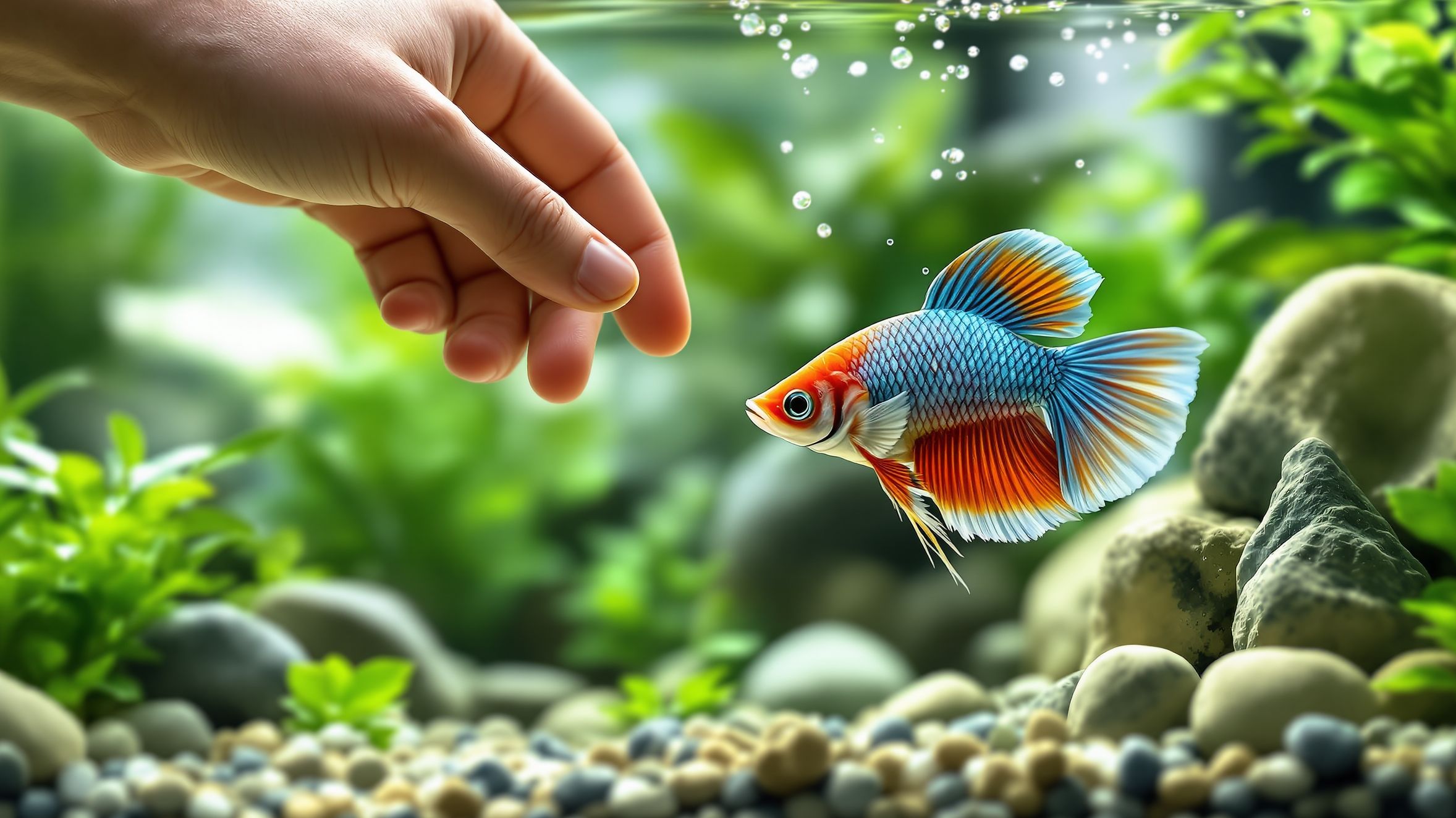
The Next Level of Fish Training
When people think of animal training, fish rarely come to mind. Yet these silent swimmers are far smarter than most assume. Through patience, consistency, and the right tools, fish can learn to associate cues—such as clicks, lights, or gentle vibrations—with rewards and actions. Clicker-style conditioning, long used for dogs, birds, and dolphins, can be adapted for aquarium fish to strengthen communication, reduce stress, and enhance enrichment. With this method, aquarists can teach fish to respond to signals for feeding, movement, or even basic tricks—all through the power of association.
A: Use a soft pen tap or brief LED flash; pick whichever is clearest in your room and stick to it.
A: Usually 1–2 short sessions of 10–20 pairings; you’ll see quicker orienting after the marker.
A: Switch to a quieter tap or visual flash; re-charge at a lower intensity.
A: No—mark every time early, then gradually thin to a variable schedule once behavior is solid.
A: Yes—use the same marker, cue, target, and feeding spot to keep signals consistent.
A: Gentle vibrations are fine; avoid sudden thumps that create shock waves.
A: Pre-portion a small ration; when it’s gone, session ends—even if the fish wants more.
A: Absolutely—use micro-rewards and very short sessions to match attention span.
A: Pick a unique marker (e.g., double-tap or specific flash pattern) that never happens by accident.
A: At the first sign of stress or frenzy; wait for calm and resume next time with easier criteria.
The Science Behind Clicker Conditioning
Clicker training relies on operant conditioning, a process where an animal learns that a specific behavior earns a reward. The “click” or cue serves as a bridge between the behavior and the reward, telling the animal exactly what it did right. In fish, this bridge can take the form of a consistent sound, flash of light, or gentle vibration. Over time, the fish learns that when this signal occurs, food is coming. The cue itself becomes a positive event—motivating the fish to repeat the behavior that triggers it.
Why Clicker-Style Training Works for Fish
Fish are excellent learners when cues are clear and consistent. They recognize patterns, remember signals, and even anticipate feeding times. Using audible or visual markers makes it easier to communicate precisely with them. This method not only boosts mental stimulation but also reduces fear of human presence. Fish that undergo conditioning become calmer, more interactive, and easier to handle during maintenance. It’s a safe, scientific way to turn ordinary feeding sessions into moments of trust and learning.
Choosing the Right Cue: Sound, Light, or Vibration
Different aquariums—and fish species—respond best to different cue types. The right choice depends on your setup and your fish’s sensory strengths:
Sound Cues
Sound cues mimic the traditional clicker. While water dampens high-frequency sounds, many fish can still detect clicks or short taps on the tank glass. A waterproof clicker, a gentle tap on the tank lid, or even a distinct pen click can serve as your marker. Ensure it’s consistent in tone and not so loud that it startles them.
Light Cues
Light-based signals are perfect for species that rely heavily on vision. A small LED penlight or flashlight flicked once per cue can be an effective substitute for sound. Always avoid bright or flashing lights that cause stress—gentle, momentary illumination works best. Position the light where it’s visible but not blinding, ideally reflected off the tank glass.
Vibration Cues
Fish are highly sensitive to vibrations through the lateral line along their body. A subtle vibration cue, like a soft knock on the aquarium stand or a handheld buzzer placed against the glass, can serve as a tactile signal. The key is repetition—use the same frequency and pattern every time to ensure recognition.
Step 1: Establishing the Cue-Reward Link
The foundation of conditioning begins with pairing your chosen cue with a food reward. Start by giving the cue—click, flash, or vibration—immediately followed by food. Repeat this sequence consistently, about 10–15 times per session. The goal is to make your fish associate the cue with something positive. Within a few days, you’ll notice your fish start swimming toward the source of the cue, anticipating feeding even before food is visible.
Step 2: Introducing Simple Behaviors
Once your fish recognize the cue, you can begin pairing it with desired behaviors. For instance, hold the cue near a certain area of the tank and wait for the fish to approach. When they do, trigger the cue and reward them. Over time, the fish will swim to that spot whenever they see or hear the signal. This foundational behavior can evolve into more complex routines, like passing through hoops or following a target stick.
Step 3: Adding Visual or Physical Targets
Combine your clicker cues with a target, such as a small colored bead on a stick. Use the sound or light cue when the fish approaches or touches the target, followed by a reward. This dual system—target and cue—teaches direction and focus. Once the fish understands that touching or following the target triggers the cue, you can use it to guide movement, introduce play, or direct them during maintenance without stress.
Step 4: Timing Is Everything
In clicker conditioning, timing determines success. The cue must occur at the exact moment the fish performs the correct behavior—not before or after. This clarity tells the fish exactly what earned the reward. A delay of even one second can cause confusion. Practicing precision ensures your fish understands which behavior to repeat. When your timing is consistent, your fish will learn faster and respond more reliably.
Step 5: Shaping More Complex Behaviors
Once basic conditioning is mastered, you can “shape” behaviors through gradual steps. For example, if you want your fish to swim through a hoop, start by rewarding them for approaching it, then for passing partway through, and finally for going all the way. Each stage is reinforced with your cue and a reward. Over time, your fish learns entire routines, just as trained dolphins or parrots do—one small success at a time.
The Role of Rewards
Rewards are the motivation behind every trained behavior. High-value treats like bloodworms, daphnia, or small shrimp work best. Choose food that excites your fish but doesn’t pollute the water. The portion should be small—just enough for a single bite. Deliver the reward quickly after the cue to strengthen association. Once your fish reliably responds, you can occasionally replace food with the cue alone, reinforcing the learned behavior without overfeeding.
Monitoring Behavior and Emotional Cues
Conditioning sessions reveal much about your fish’s mental state. Relaxed fish swim smoothly with extended fins, while stressed ones may dart away or hide. If a cue causes fear—such as a light too bright or a vibration too strong—adjust immediately. The goal is confidence, not compliance. Fish that trust their environment will explore, approach willingly, and show curiosity during each session.
Preventing Overstimulation and Stress
Training should always remain positive and brief. Keep sessions under 10 minutes and no more than two per day. Overtraining or inconsistent cues can lead to confusion. Allow time between sessions for your fish to rest and process. Avoid pairing the cue with unpleasant events like tank cleaning or water changes. The cue must always predict something rewarding to maintain its positive association.
Integrating Conditioning Into Daily Care
Once your fish understand the cue system, you can integrate it into routine care. Use it to call them during feeding, guide them to specific areas during cleaning, or even calm them after disturbances. Conditioning creates predictability—fish feel safer when they understand what’s happening. Over time, even shy species will begin approaching confidently whenever they hear or see your cue.
Using Light and Sound Together
Combining cues can reinforce training for multi-species tanks. For example, a brief click followed by a soft light flash helps both auditory and visually oriented fish respond. Use this dual cue sparingly to avoid overstimulation. You can also designate different cues for different behaviors—for instance, one sound for feeding and another for returning to hiding spots.
Troubleshooting Common Problems
If your fish ignore cues, re-establish the connection by pairing them with food more frequently. Inconsistent timing or overuse can weaken the association. If one cue doesn’t work, try another—some species simply respond better to light or vibration than sound. If multiple fish compete during training, separate them temporarily or train at different sections of the tank. Consistency, patience, and adaptability are key.
Conditioning for Stress-Free Maintenance
Beyond tricks, clicker-style conditioning has real practical benefits. Trained fish can learn to move away from certain areas during cleaning, approach for inspection, or stay calm during netting. This minimizes trauma and makes tank maintenance easier and safer. When fish learn that your signals never predict harm, they become more cooperative and less fearful in every interaction.
The Cognitive Side of Fish Learning
Modern research has shattered the myth that fish lack intelligence. Studies show they possess memory, problem-solving abilities, and emotional awareness. Clicker-style training taps into these capabilities, turning daily care into meaningful interaction. Your fish aren’t just reacting—they’re thinking, recognizing patterns, and choosing to engage. Conditioning doesn’t just train them; it reveals the depth of their cognitive world.
Building Trust Through Repetition
Repetition breeds familiarity, and familiarity breeds trust. As your fish begin to connect cues with rewards, they’ll start responding before you even deliver the signal. This anticipation is a powerful indicator of bonding. You’ll see them gather at the surface, hover near your hand, or swim toward the cue source without hesitation. These are signs of confidence and recognition—a reflection of the mutual trust you’ve built through consistency.
The Future of Interactive Fishkeeping
Clicker-style conditioning marks a new era in aquarium care—one that values mental enrichment as much as water quality. Just as we’ve learned to engage dogs, parrots, and reptiles with interactive training, fish too deserve stimulation and respect for their intelligence. Sound, light, and vibration cues create bridges of understanding that transcend species barriers, allowing aquarists to connect with aquatic life in ways once thought impossible.
Communicating Beneath the Surface
Clicker-style conditioning for fish proves that communication doesn’t require words. Through simple cues of sound, light, or vibration, you can foster trust, reduce fear, and reveal the intelligence hidden beneath every ripple. With patience, timing, and care, your aquarium becomes more than a display—it becomes a dynamic conversation between you and your fish. Every click, flash, and pulse becomes a language of understanding, reminding us that learning and empathy flow even beneath the surface.
Pet Product Reviews
Explore Duffy Street’s Pet Product Reviews! Sniff out the top-rated toys, treats, gear, and gadgets for your pets with our fun, easy-to-read comparisons. We’ve done the digging so you can find the perfect products for your pet friends!