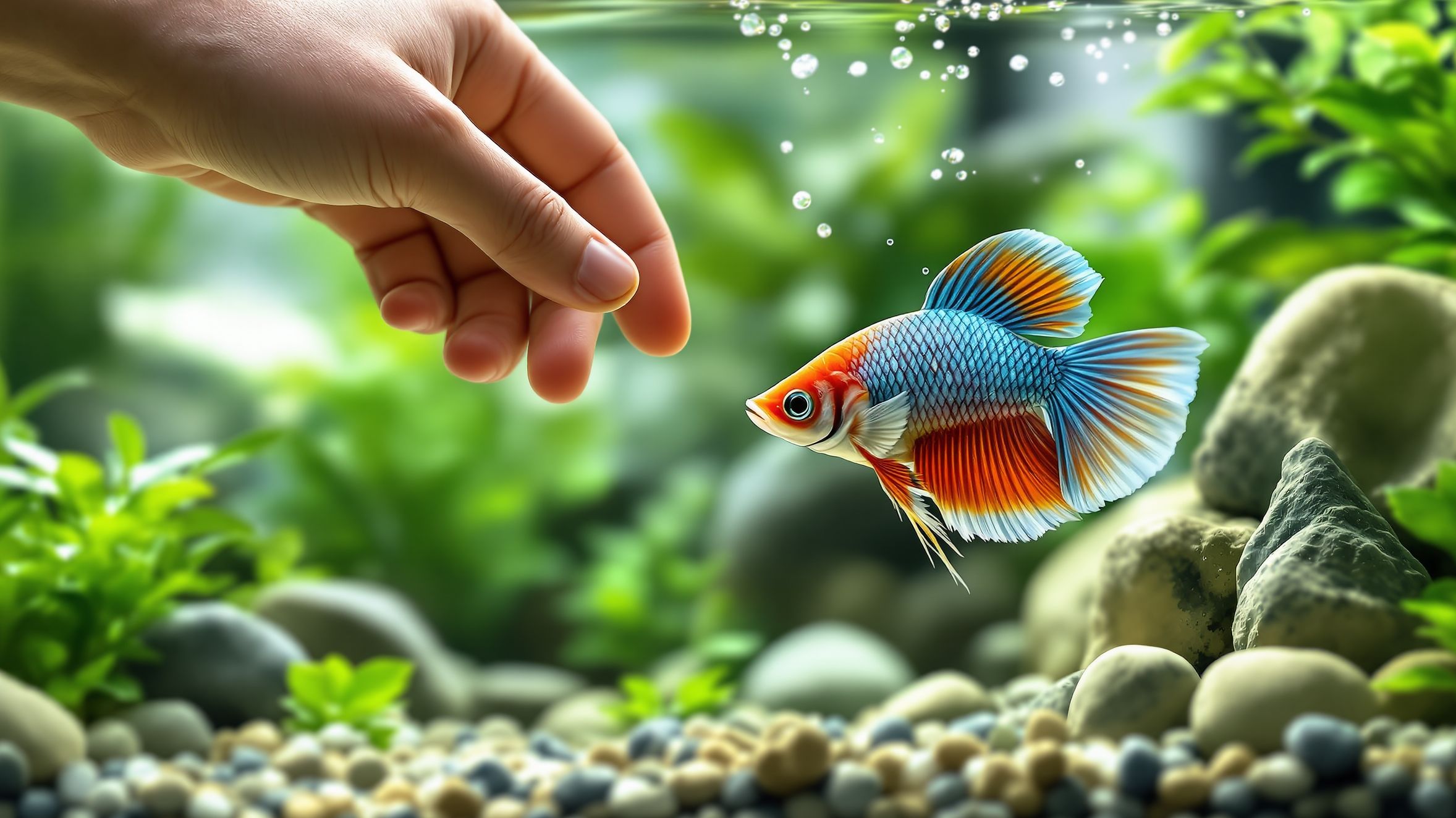
Turning Your Aquarium into a Playful Learning Zone
Training your fish to swim through hoops and navigate obstacles is more than a delightful spectacle—it’s a bonding exercise that blends fun, enrichment, and science. Contrary to the old myth of forgetful fish, many aquarium species are quick learners capable of mastering simple tricks with patience and reward. With just a few tools and a bit of weekend dedication, you can teach your fish to perform engaging swimming routines that stimulate their minds and bodies while strengthening the trust they have in you.
A: At least 3–4× body height for an easy visual target; shrink later.
A: Bold fish may succeed within a few short sessions; shy fish may need a week of shaping.
A: Move the reward closer just beyond the ring and angle the hoop toward the approach.
A: Yes—use station discs or a divider; take turns to prevent food theft.
A: Any brief marker (tap/flash) works as long as it always predicts a reward.
A: Use oversized rings and ultra-smooth edges; avoid strong flow and tight turns.
A: Same principles; in reef tanks, provide multiple exits per cave and reduce flow near the course.
A: Pre-measure a small ration and end when it’s gone, even if the fish wants more.
A: Add weights/suction cups; set runs away from powerhead jets.
A: Track latency, number of clean passes, and how well the behavior generalizes to new hoop spots.
Why Teach Fish Tricks?
Fish thrive on consistency, stimulation, and curiosity. Training provides both mental enrichment and physical activity. It encourages exploration, reduces boredom, and can even ease aggression or fear. For aquarists, it opens a new level of interaction, turning feeding time into an engaging partnership. Watching your fish confidently glide through hoops or navigate tunnels also offers a sense of satisfaction—it proves that beneath their calm exteriors, they possess intelligence and personality.
Choosing the Right Fish for the Job
Almost any healthy, food-motivated fish can be trained, but some species take to it faster than others. Goldfish, bettas, cichlids, gouramis, and koi are among the best learners due to their intelligence and responsiveness to visual and environmental cues. Active schooling fish like tetras or barbs can also participate if trained collectively, though they may move as a group rather than individually. The key traits to look for are curiosity, good health, and a strong feeding response.
Preparing Your Aquarium Training Space
Before starting, make sure your tank conditions are stable. Keep water temperature, pH, and filtration consistent to avoid stress. Choose an area of the tank free of strong currents so your fish can focus on the exercise rather than fighting water flow. Clean the glass to ensure visibility, and consider lowering water flow slightly during sessions to create calm conditions. Training should always take place in a familiar environment where the fish feels secure.
Gathering Your Training Tools
You’ll need a few simple items to start:
Hoops or rings: Use small plastic rings, toy hoops, or aquarium-safe tubing bent into circles. Ensure edges are smooth and safe.
Targets: A brightly colored bead or stick to guide your fish’s movement.
Treats: Small, irresistible foods such as bloodworms, brine shrimp, or crushed pellets.
Optional dividers: To focus attention, especially in community tanks with multiple fish.
Colorful visuals and repetition help fish quickly understand what’s expected.
Step 1: Building Trust and Focus
Before introducing obstacles, ensure your fish is comfortable with your presence. Spend a few days feeding from the same spot and lowering your hand or feeding tool gently into the water. Once your fish confidently approaches, introduce a target stick. Reward any curiosity—such as swimming toward or touching the target—with food. This trust-building phase creates the foundation for all future training.
Step 2: Introducing the Target and Reward System
The target is your primary communication tool. Lower it slowly into the tank near your fish. Each time the fish swims toward it, give a small food reward. Repeat several times until your fish consistently follows the target. Over time, begin moving it farther away or slightly upward, prompting your fish to swim longer distances. This step helps them associate following the target with positive outcomes—a principle borrowed from professional marine training.
Step 3: Adding the First Hoop
Once your fish eagerly follows the target, it’s time to introduce the hoop. Place it in the water so that it sits vertically, about an inch or two above the substrate. Position the target stick just beyond the hoop’s opening. Wait for your fish to approach and, if possible, swim partially through. Reward even small progress—like swimming near the hoop or poking its head through—with a treat. The goal at this stage is familiarity, not perfection.
Step 4: Encouraging the Full Swim-Through
After a few sessions, your fish will start recognizing that approaching the hoop leads to food. Gradually move the target further beyond the hoop so your fish must swim completely through it to earn the reward. Each successful pass should be followed by immediate reinforcement. Be patient—some fish will take multiple attempts before confidently swimming through. Avoid rushing; building trust ensures your fish views the hoop as safe and rewarding, not stressful.
Step 5: Increasing Difficulty Gradually
When your fish reliably swims through a single hoop, it’s time to get creative. Add multiple hoops at different heights or angles, spaced a few inches apart. Guide your fish through the sequence using your target. You can also introduce small tunnels made of clear tubing or lightweight mesh. Keep early sessions simple, then gradually make the course more complex. Variety keeps the fish mentally engaged and eager to participate.
Step 6: Adding Visual and Auditory Cues
Once your fish masters the course, you can introduce a cue—like a hand gesture, colored card, or gentle tap on the tank—to signal the start of training. Over time, your fish will associate the cue with performing the routine. This strengthens memory and reinforces your communication bond. Consistency is key—use the same cue and tone every time so your fish can learn through repetition.
Step 7: Keeping Sessions Short and Positive
Training should always be a positive experience. Limit sessions to five or ten minutes once or twice a day. End each on a success, even a small one, to leave your fish motivated for next time. Avoid training immediately after major tank maintenance or feeding, as stress or fullness can reduce engagement. Gentle consistency, not intensity, creates the most reliable results.
Using Environmental Enrichment to Enhance Learning
Training can double as a form of enrichment that supports your fish’s natural instincts. Rearranging decorations, adding gentle flow, or providing areas to explore keeps your fish mentally sharp. You can rotate different obstacle designs weekly to maintain novelty. For schooling species, multiple hoops can encourage synchronized movement, improving social coordination while reducing boredom.
Troubleshooting Common Challenges
If your fish avoids the hoop or seems disinterested, check for signs of stress—rapid breathing, hiding, or erratic swimming. Ensure water parameters are optimal and avoid bright lighting during sessions. Try a larger hoop or a different color to make it more visible. If multiple fish compete for food, train them separately or in small groups. Remember, each species—and even each individual fish—learns at its own pace.
How Long It Takes to See Results
Most fish begin responding within two to five short sessions, though mastery can take a few weeks. Intelligent species like goldfish or cichlids often make noticeable progress by the end of the first weekend. The key is repetition. Once your fish completes the hoop consistently, the behavior can become long-term, especially if reinforced regularly with small rewards.
Turning Training into Routine Playtime
Over time, training becomes more than just an exercise—it becomes play. You’ll notice your fish approaching eagerly when you bring out the hoop or target. This anticipation shows that your fish not only remembers but enjoys the interaction. You can rotate activities, alternating between hoop courses, target following, or hand-feeding, to keep your fish stimulated and engaged.
Teaching Multiple Fish Together
If you have a community tank, you can expand training to groups. Start by teaching one confident fish—the “leader.” Once it begins performing the behavior consistently, others often follow by imitation. This kind of social learning is common among schooling fish and can create beautiful group displays as they move through hoops together. Reward collectively to prevent competition or dominance behaviors.
Making It a Weekend Project
A weekend is all it takes to get started. On Day 1, build trust and introduce your target. On Day 2, begin hoop training by rewarding partial swims. By the end of Day 3, most fish will start associating the hoop with rewards and may even complete full passes. The progress will depend on patience, consistency, and species temperament—but by Sunday evening, you’ll likely see the first signs of success.
The Benefits of Trick Training
Beyond fun, hoop training offers measurable benefits:
Mental stimulation: It challenges fish to solve problems and build confidence.
Physical fitness: Encourages steady, natural movement that strengthens fins and muscles.
Reduced aggression: Directs excess energy into activity rather than territorial conflict.
Bonding: Builds trust through positive reinforcement and familiarity.
Training brings out the intelligence hidden behind the glass, allowing you to interact with your aquatic pets in rewarding new ways.
Keeping Safety First
Always ensure all materials are aquarium-safe. Avoid sharp edges, paints, or metals that could leach toxins. Never chase or corner fish into obstacles—training must remain voluntary. End sessions immediately if your fish shows signs of distress. Proper care, patience, and respect ensure both safety and success.
A Tank Full of Interaction
Training fish to swim through hoops and obstacles proves one simple truth: they are far smarter and more responsive than we often assume. In just a few days, you can turn your aquarium into a stage of graceful movement and cooperation. Through patience, reward, and consistency, your fish will learn to associate your presence with fun and enrichment. It’s more than a weekend project—it’s the beginning of a deeper connection between you and the aquatic world you care for.
Pet Product Reviews
Explore Duffy Street’s Pet Product Reviews! Sniff out the top-rated toys, treats, gear, and gadgets for your pets with our fun, easy-to-read comparisons. We’ve done the digging so you can find the perfect products for your pet friends!