The Silent Language Beneath the Surface
Fish may not speak, but they communicate constantly—through movement, posture, color, and subtle gestures. In the shimmering silence of an aquarium, every flick of a fin or change in swimming pattern tells a story. To an observant aquarist, fish body language reveals volumes about their emotions and environment. Whether they’re stressed, content, or simply exploring, their behavior gives you clues long before any health issue becomes visible. Learning to interpret these silent signals transforms fishkeeping from routine care into an art of connection and understanding.
A: Increase aeration immediately and test ammonia, nitrite, and temperature to correct the root cause.
A: Brief hierarchy jostling is normal; add more feeding stations and décor to reduce line-of-sight.
A: Acclimation stress; dim lights, add cover, and keep parameters stable for several days.
A: Not always; also check sudden pH changes, chloramine, or fine sand irritation.
A: Verify temperature accuracy, reduce flow, and check for bullying or reflective stressors.
A: Yes; rotate décor, add safe plants, and vary foods to encourage exploration.
A: Rapid shifts trigger stress displays; use ramp-up/ramp-down lighting.
A: Usually curiosity and food association—consider it positive engagement.
A: If they feel safe, they often spread out; tight balls usually mean fear.
A: Persistent aggression, torn fins, or refusal to eat after three days warrants a breather box or hospital tank.
Why Understanding Fish Behavior Matters
Fish behavior is often the first indicator of well-being. Unlike mammals, fish can’t vocalize distress or show facial expressions, so aquarists must rely on body language to detect changes in mood and health. A stressed fish might hide, breathe rapidly, or clamp its fins, while a comfortable one glides effortlessly through the water with relaxed fins and vibrant coloration. Recognizing these cues helps prevent illness, aggression, and tank-wide imbalances. When you can “read” your fish, you’re not just keeping them alive—you’re giving them a thriving, enriched environment.
The Role of Instinct in Fish Communication
Every action in the aquatic world has purpose. Fish evolved to communicate through motion and color as survival mechanisms. Rapid darting may indicate an attempt to flee predators, while slow hovering or gentle fin waving signals safety. Even feeding behavior—who eats first, how eagerly, and where—reflects dominance and confidence levels. Territorial posturing, fin displays, and color shifts are all part of the evolutionary language fish use to establish hierarchy and assess threats. Understanding these instincts helps aquarists distinguish between natural assertiveness and genuine distress.
Recognizing the Signs of Stress
Stress is one of the most common and dangerous conditions in aquarium fish. It weakens immunity, invites disease, and alters normal behavior. Common stress indicators include erratic swimming, hiding for long periods, clamped fins, rapid gill movement, or rubbing against tank surfaces (flashing). Some fish may lose color, refuse food, or gasp near the surface—signs that oxygen or water quality levels are off. Stress can also manifest in aggression; fish under pressure may chase or nip at others out of frustration. The key to resolving stress lies in identifying its cause—poor water parameters, overcrowding, incompatible tankmates, or even excessive light can trigger it.
Environmental Causes of Stress
Fish live in delicate balance with their environment, and even small changes can disrupt their comfort. Ammonia or nitrite spikes, pH fluctuations, and temperature shifts are among the leading culprits. Overcrowding increases territorial disputes, while strong currents or poor filtration can exhaust weaker swimmers. Even tapping on the glass, loud vibrations, or abrupt lighting changes can startle fish into panic. Stress often begins subtly—perhaps a fish hides more than usual or shows duller colors—but prolonged exposure can lead to illness. Maintaining stable, clean, and calm tank conditions is essential for reducing hidden stress.
Body Language of Fear and Distress
When fish feel unsafe, their body language becomes sharp and defensive. They may dart rapidly, press themselves against corners, or hover motionless near the substrate. Fins often clamp tightly against the body, and colors fade to pale or gray tones. Schooling species may break formation, while solitary fish become reclusive. Breathing accelerates, gill covers flare, and their movements lose rhythm. Some fish even “play dead,” lying still on the tank floor to avoid attention. If you observe these signs, check water parameters immediately and remove potential threats such as aggressive tankmates or reflective surfaces that may be causing perceived danger.
The Language of Comfort and Security
When fish feel safe and content, their behavior transforms into a calm, flowing rhythm. They swim smoothly, explore curiously, and display full, extended fins. Their colors become richer and more vibrant, often glowing under proper lighting. Schooling fish maintain tight, coordinated groups, gliding gracefully through the tank in unison—a clear sign of social balance and trust. Bottom dwellers sift through substrate confidently, while surface feeders patrol leisurely for food. Even subtle interactions, like gentle nudges or parallel swimming, indicate comfort and social harmony. These are the cues every aquarist hopes to see—a thriving underwater community in equilibrium.
Interpreting Curiosity and Playfulness
Fish curiosity is one of the most rewarding behaviors to witness. It reveals both intelligence and trust in their environment. Curious fish often approach new objects, decorations, or even your hand during feeding or maintenance. They may investigate changes in their tank layout, follow movements outside the glass, or inspect air bubbles with fascination. Some species, such as cichlids and goldfish, exhibit playful behaviors like rearranging substrate or mouthing pebbles. Playfulness is a strong indicator of mental stimulation and well-being—it shows that your fish feel confident enough to explore without fear.
Color Changes as Emotional Signals
Coloration in fish is not static—it’s a dynamic expression of mood, health, and hierarchy. Bright, saturated colors often signify confidence, readiness to breed, or good health. Dull or faded colors usually indicate stress or illness. During dominance displays or courtship, males may show intensified hues, especially in species like bettas, gouramis, or cichlids. On the other hand, a sudden darkening of body color can reflect territorial aggression or environmental stress. Observing these changes over time helps aquarists track emotional states, detect brewing conflicts, and identify health issues before they escalate.
Aggression and Dominance Displays
Aggression is another key aspect of fish body language, especially in territorial or breeding species. Raised fins, gill flaring, and tail whipping are common displays meant to establish dominance rather than cause harm. Fish may circle each other, charge, or engage in short bouts of nipping. In most cases, this behavior is natural and temporary—especially in cichlids, bettas, or barbs. However, constant chasing, injured fins, or refusal to eat signal chronic aggression that must be addressed. Providing hiding spots, visual barriers, and proper tank size helps dissipate tension and restore balance.
Social Interactions and Group Dynamics
Fish are social creatures with intricate hierarchies. In schooling species like tetras or rasboras, synchronized movement reflects unity and low stress levels. When one fish strays from the group, it may indicate illness or fear. In community tanks, watch for dominance interactions—submissive fish often avoid eye contact, stay near the edges, or lower their bodies when approached. In contrast, dominant fish swim boldly in open areas. Even peaceful species exhibit subtle ranking systems that govern access to food or territory. Recognizing these relationships allows aquarists to manage community harmony effectively.
Breathing Patterns as Emotional Indicators
Breathing tells another side of the story. A relaxed fish breathes steadily, with gentle gill movements. Rapid breathing, heavy gill flaring, or gasping at the surface indicate oxygen deficiency, toxins, or stress. Some species naturally breathe faster than others, so it’s important to know what’s normal for your fish. If you notice irregular breathing combined with lethargy or clamped fins, act quickly to test water quality and assess temperature stability. Healthy respiration is a cornerstone of comfort—when it’s off, the fish’s entire system is under strain.
The Role of Fins in Communication
Fins are like the hands and facial expressions of fish. When fully extended, they signify confidence and relaxation. Clamped fins pressed tightly against the body suggest fear, illness, or irritation. Raised dorsal fins can indicate alertness or dominance, while gentle fin waving shows calm curiosity. Bettas are especially expressive—flaring fins in a fan-like display during courtship or confrontation. Fin movement also affects swimming patterns; erratic fin twitching or imbalance can signal stress or early infection. Paying attention to these movements allows aquarists to intervene before small issues become serious.
Sleeping and Resting Behaviors
Even rest reveals much about fish comfort. A relaxed fish finds a secure, familiar spot to rest—behind plants, near substrate, or under driftwood. Their breathing slows, colors may dim slightly, and they hover peacefully without jerky movements. However, fish that hide constantly, lie motionless for long periods, or show unusual body angles could be signaling stress or illness rather than rest. Observing patterns helps you differentiate normal nighttime behavior from potential problems. Providing dim lighting or floating plants creates a natural sense of security during rest periods.
How Tank Design Affects Behavior
Tank setup plays a direct role in fish body language. A poorly arranged tank can induce anxiety, while a thoughtfully designed one encourages natural exploration. Use plants, rocks, and driftwood to create hiding areas that provide both shelter and visual boundaries. Open spaces allow confident swimmers to move freely without feeling exposed. Avoid excessive reflections or bright lighting, which can agitate sensitive species. A balanced aquascape encourages calm, predictable behavior—a sign of both comfort and trust.
Signs of Illness Hidden in Body Language
Before any visible symptoms appear, illness often manifests through behavior. A sick fish may isolate itself, lose coordination, or hover near filters seeking oxygen. Flashing (rubbing against surfaces) can indicate parasites, while loss of appetite or buoyancy issues suggest internal disorders. Faded colors, erratic swimming, or twitching fins are early warnings worth investigating. Quick diagnosis can save entire tanks from outbreaks. Always pair behavioral observation with regular water testing, as poor conditions often underlie these symptoms.
Building Trust Through Observation
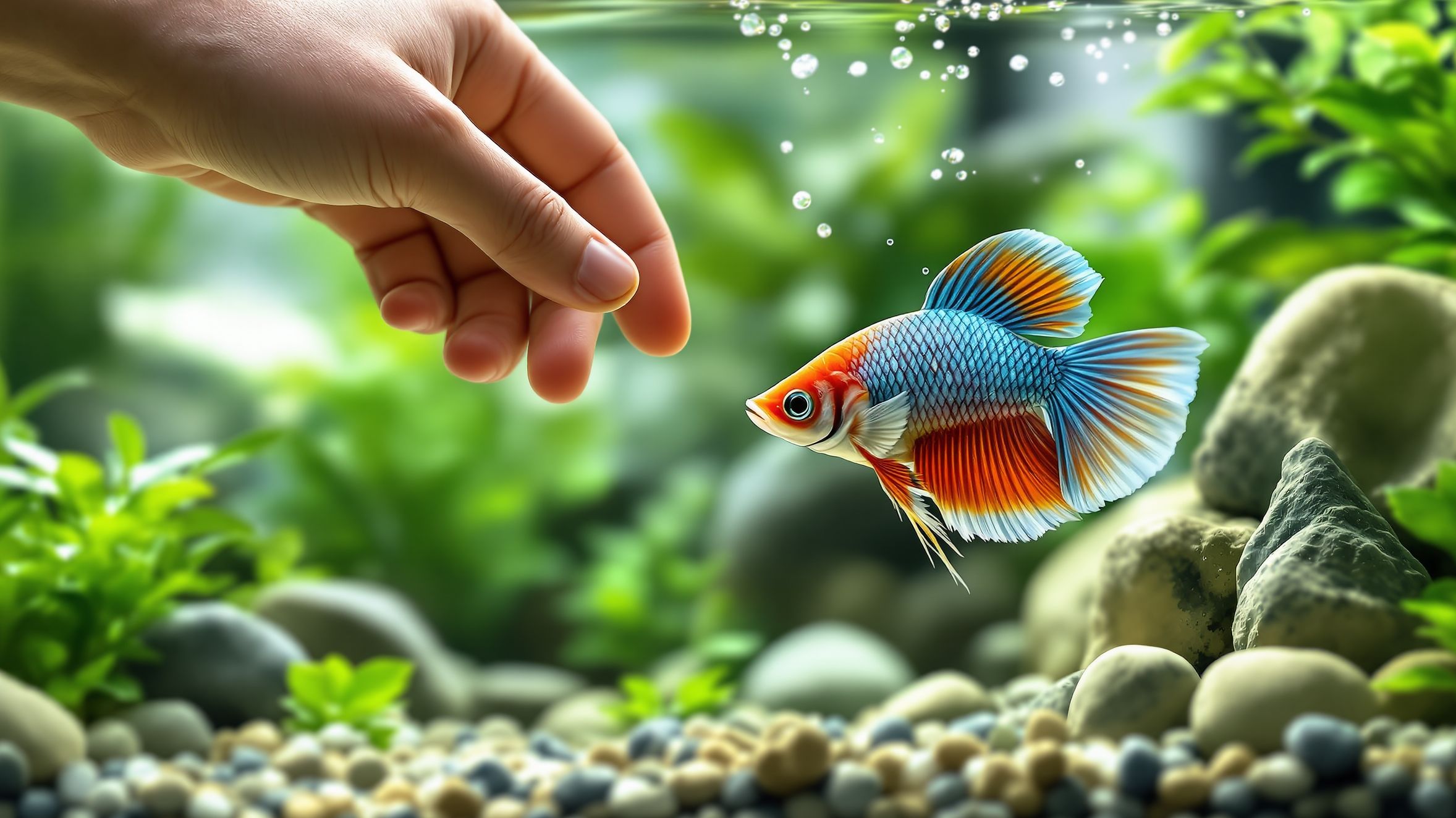
Over time, your fish learn to recognize you as part of their environment. They may swim to the front of the tank when you approach, follow your finger, or eat from your hand. This trust is the ultimate sign of comfort and security. Building this bond requires consistency—regular feeding schedules, calm movements, and minimal disturbances. When your fish behave with relaxed curiosity rather than fear, you know you’ve succeeded in creating a balanced ecosystem built on mutual comfort.
Curiosity and Enrichment for Mental Health
Just like any pet, fish benefit from stimulation. Rearranging tank décor occasionally, adding new plants, or changing flow patterns can awaken natural exploration instincts. However, these changes must be gradual—sudden overhauls cause stress. Introducing live foods, mirror sessions (for species that display), or interactive feeding tools can also encourage healthy curiosity. Mentally engaged fish are less prone to lethargy and stress, displaying more vibrant coloration and dynamic behavior. Enrichment keeps their world alive and their instincts sharp.
Decoding Emotions Through Consistency
Every aquarium develops its own behavioral rhythm. The more time you spend observing, the better you’ll understand what’s normal and what’s not. A small deviation—such as a usually bold fish hiding or a shy one swimming openly—can signal environmental changes. Keep a behavioral log to track patterns in color, feeding, and activity. This simple habit turns casual observation into preventive care. Over time, your ability to read subtle body language will make you a more intuitive and responsive fishkeeper.
The Joy of Connection Through Understanding
There’s a quiet satisfaction in realizing your fish are communicating with you—even without words. Recognizing stress, comfort, and curiosity transforms aquarium maintenance into a living dialogue. You begin to anticipate their needs, adjust their world thoughtfully, and celebrate their behaviors as signs of trust. Each flick of a tail, each glide through the water, becomes part of a story you share together—a reflection of harmony between human and aquatic life.
Listen to the Water’s Language
Fish speak a language of motion, color, and rhythm. When you learn to listen, the tank becomes more than decoration—it becomes a living ecosystem filled with emotion and intelligence. Decoding body language allows you to prevent problems, promote happiness, and forge a deeper bond with your aquatic companions. Through observation and empathy, you unlock a silent dialogue that makes fishkeeping not just a hobby, but an art of awareness and care.
Pet Product Reviews
Explore Duffy Street’s Pet Product Reviews! Sniff out the top-rated toys, treats, gear, and gadgets for your pets with our fun, easy-to-read comparisons. We’ve done the digging so you can find the perfect products for your pet friends!