Finding an abandoned clownfish or taking one in from a neglected aquarium can be both exciting and overwhelming. Clownfish are hardy compared to many marine species, but they still depend on stable water, proper quarantine, and a calm environment to recover from stress. A rushed rescue can easily create more problems than it solves.
Many abandoned clownfish come from tanks that were shut down, owners who left the hobby, emergency rehoming situations, or aquariums where care declined over time. Some may be healthy but displaced, while others may be underfed, stressed, or carrying hidden disease from poor water quality and overcrowding.
The first goal is not making the fish look happy immediately. The goal is creating safety. Clownfish recover best when stress is reduced, water quality is stable, and every step is handled slowly rather than emotionally.
Whether you are rescuing a single ocellaris clownfish, taking in a bonded clownfish pair, or helping a fish from a failing tank, the right process can turn a difficult situation into a long-term success for both the fish and the aquarium.
A: Prepare stable saltwater, check temperature and salinity, set up quarantine if possible, and move the fish calmly.
A: No, clownfish do not need an anemone to recover or live well in a home aquarium.
A: Yes, quarantine helps protect your display tank and gives the clownfish time to recover under close observation.
A: Offer small amounts of marine pellets, frozen mysis, enriched brine shrimp, or food it was already eating if known.
A: Keep water clean, reduce stress, try small varied foods, and watch closely if refusal lasts more than a few days.
A: It is safer to quarantine first and confirm the fish is healthy, eating, and compatible with your current livestock.
A: Yes, clownfish can be territorial, especially if sizes, personalities, or introductions are not managed carefully.
A: Some clownfish settle within days, while stressed or sick fish may need weeks of stable care.
A: Heavy breathing, lying on the bottom, white spots, velvet-like dusting, severe fin damage, or ammonia exposure need quick action.
A: Provide stable water, peaceful tankmates, quality food, hiding spots, careful observation, and a tank size that fits its needs.
Start with a Quarantine Tank
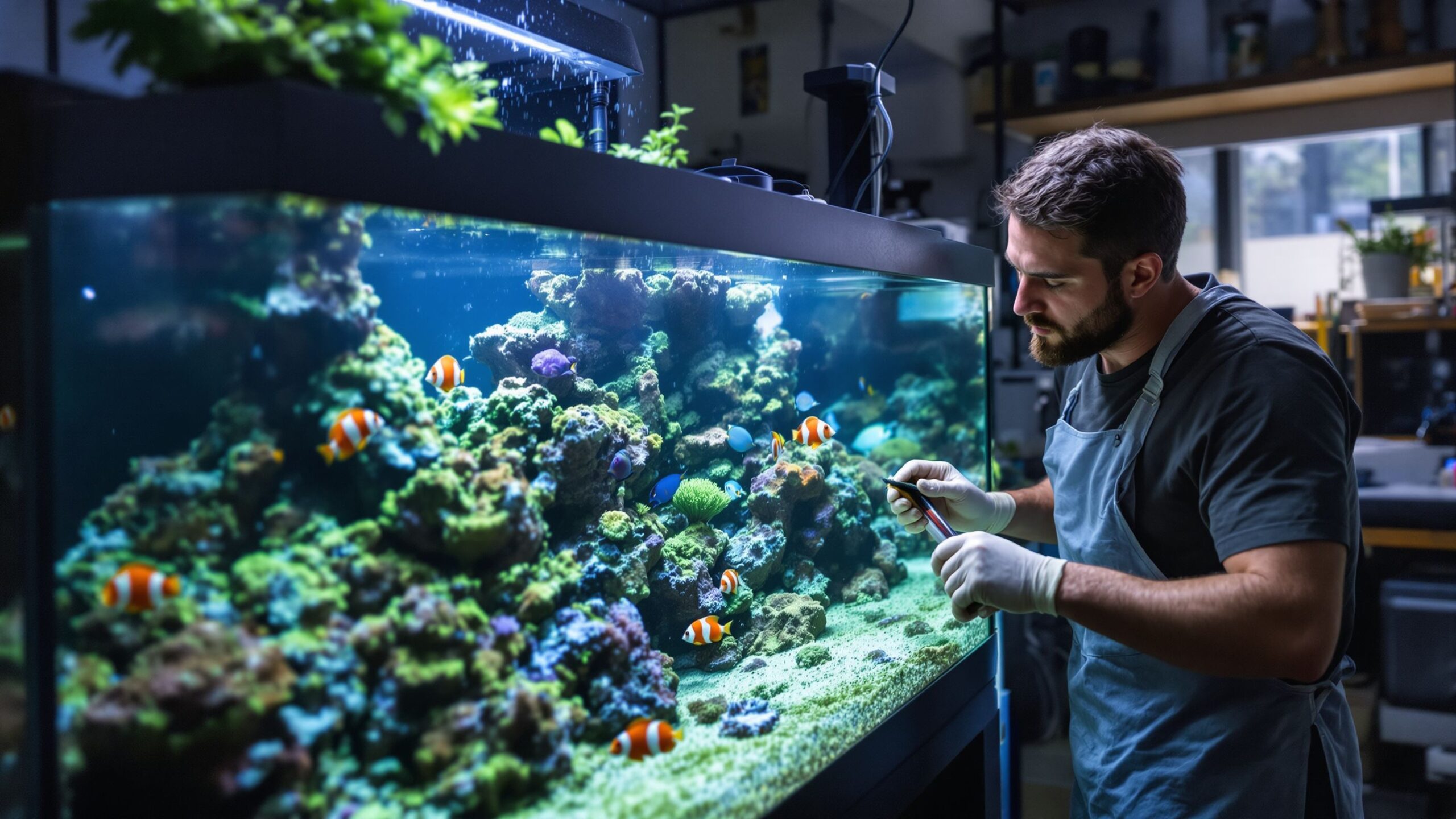
The safest first step is placing the clownfish in a quarantine tank rather than directly into your display aquarium. Even if the fish looks healthy, it may carry parasites, bacterial infections, or stress-related illness that could spread to the rest of your system.
A simple quarantine tank does not need to be fancy. Stable saltwater, a heater, gentle filtration, and a few safe hiding spaces like PVC sections are enough. The goal is observation and recovery, not decoration.
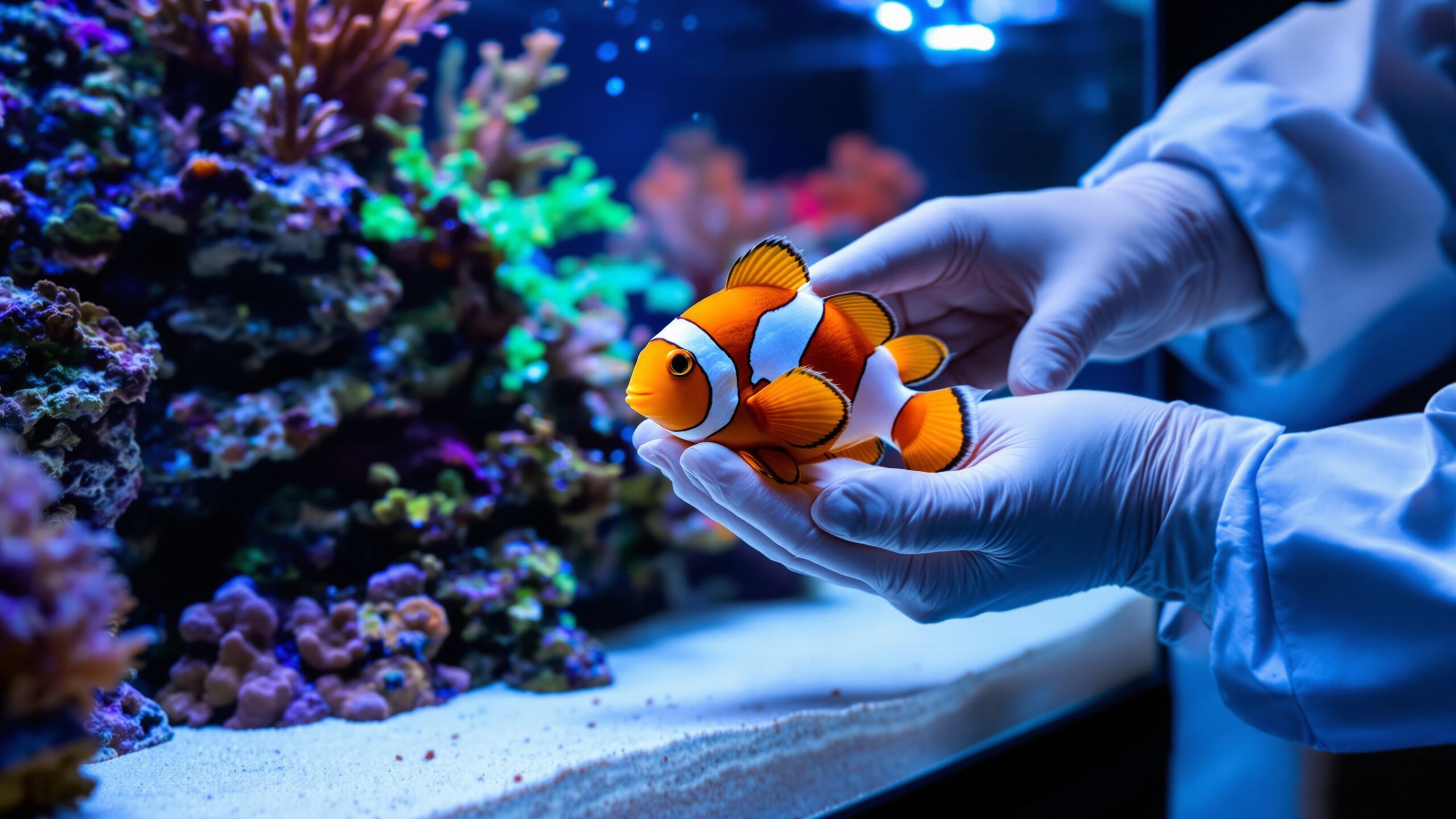
Clownfish often arrive stressed from transport or poor conditions, and quarantine gives them a quiet environment without competition from other fish. It also gives you time to watch for white spots, rapid breathing, torn fins, poor appetite, or unusual swimming behavior.
Skipping quarantine may seem faster, but it creates the biggest long-term risk. Protecting both the rescued clownfish and your existing tank should always come first.
Match Water Parameters Slowly
One of the biggest dangers during rescue is sudden water parameter shock. A clownfish coming from poor conditions may already be weak, and fast changes in salinity, temperature, or pH can make recovery much harder.
Test the water it came from if possible. Compare salinity and temperature carefully before acclimation. Drip acclimation is often the safest method because it allows gradual adjustment instead of a fast transfer.
Salinity is especially important. Many neglected tanks run too high because freshwater top-offs were missed, while others may be unstable from poor maintenance. Correcting these differences too quickly can cause serious stress.
The goal is slow adjustment, not instant perfection. Clownfish handle gradual correction much better than sudden ideal conditions.
Look for Signs of Illness
Abandoned clownfish often carry hidden health issues that may not be obvious at first glance. Stress weakens the immune system, making disease more likely after transport or poor living conditions.
Watch closely for white spots that may suggest marine ich, thick mucus or labored breathing that could point to brooklynella, damaged fins from aggression, cloudy eyes, refusal to eat, or unusual swimming patterns like constant floating or sinking.
Clownfish are especially known for being vulnerable to brooklynella, a fast-moving disease that should be taken seriously. Early observation is far safer than waiting until symptoms become severe.
Do not medicate automatically without reason, but do not ignore warning signs either. Quarantine gives you the time needed to respond carefully instead of reacting in panic.
Feed Small and Consistent Meals
A stressed clownfish may not eat immediately, and that is normal. The best approach is small, consistent feeding rather than heavy feeding that pollutes the tank.
Offer easy foods like frozen mysis shrimp, enriched brine shrimp, high-quality marine pellets, or finely chopped seafood depending on what the fish recognizes. Some rehomed clownfish are used to pellets, while others respond better to frozen food first.
Remove uneaten food quickly to protect water quality. A stable clean environment helps recovery more than forcing large meals.
Once appetite returns, regular feeding becomes one of the best signs that the clownfish is settling in and regaining strength.
Provide Safe Hiding Spaces
Clownfish may look bold in established reef tanks, but rescued fish often arrive nervous and defensive. A completely open tank can increase stress and delay recovery.
Providing simple hiding spaces helps the fish feel secure. PVC pipe sections in quarantine tanks work well, while live rock and calm coral structures are better in display systems later.
Some clownfish naturally stay close to one chosen area and use it as a home base. This behavior is normal and should not be mistaken for fear if the fish is eating and behaving calmly.
Security is part of enrichment. A clownfish that feels safe is far more likely to recover quickly and show normal personality.
Avoid Immediate Tank Mate Introductions
Even peaceful reef tanks can feel overwhelming to a newly rescued clownfish. Adding it directly to an active community with tangs, wrasses, or established clownfish can create stress and aggression.
Clownfish are territorial, especially if another clownfish pair already exists. Introducing a rescued clownfish without planning can lead to fighting, injury, or rejection.
Allow the fish to recover first before considering permanent tank mates. If pairing with another clownfish is the goal, size differences and species compatibility matter greatly, and introductions should be handled carefully.
Recovery comes before social placement. A strong healthy clownfish handles future introductions much better than a stressed one.
Decide if It Should Stay Alone or Be Paired
Many people assume every clownfish must have a partner, but that is not always true. A single clownfish can live a healthy and stable life alone if the environment is right.
Pairing should only happen when done intentionally. Clownfish establish dominance hierarchies, and forced pairing between the wrong sizes or species can lead to serious aggression.
If you are taking in one abandoned clownfish, observe its health and behavior first. Once it is stable, pairing with a smaller compatible clownfish may work well, especially with ocellaris or percula species.
However, a rushed pairing attempt often causes more harm than leaving the fish comfortably alone.
Transition to the Display Tank Carefully
Once quarantine is complete, health is stable, and the clownfish is eating confidently, moving to the display tank can begin. This step should still be slow and controlled.
Make sure the display tank is peaceful, stable, and appropriate for clownfish. Check compatibility with existing fish and avoid introducing the clownfish during major tank changes like new livestock additions or aquascaping disruptions.
Acclimate carefully again, even if the quarantine tank was stable. Small differences in salinity and temperature still matter.
Watching the first few days closely helps catch any aggression or stress before it becomes serious. A smooth display transition often determines long-term success.
Rebuilding Confidence Takes Time
Some rescued clownfish adjust quickly, while others stay shy for weeks. Personality, past stress, and previous tank conditions all affect recovery speed.
A clownfish that hides often at first is not necessarily unhealthy. If it eats, breathes normally, and shows gradual improvement, patience is usually the best tool.
Bright color return, stronger appetite, calm swimming, and choosing a favorite area in the tank are all good signs of recovery. These changes often happen slowly rather than overnight.
The goal is confidence, not instant activity. Healthy behavior grows as trust in the environment builds.
Prevent Future Problems
Rescuing a clownfish successfully also means preventing the same problems from happening again. Stable salinity, regular maintenance, quarantine for future tank mates, and careful feeding routines all protect long-term health.
Many clownfish are abandoned because tanks were rushed, poorly planned, or became too difficult to manage. Simpler consistent care always works better than complicated systems that are impossible to maintain.
A rescued clownfish often thrives best in a calm, stable environment where routine is predictable and stress stays low.
Success is not just saving the fish today. It is building a system where rescue never has to happen again.
Giving the Clownfish a Real Second Chance
An abandoned clownfish is not just another fish to place in a tank. It is a living animal that depends entirely on stable care, patience, and thoughtful decisions. Rescue works best when the focus stays on long-term health rather than quick emotional fixes.
Quarantine, slow acclimation, clean water, and observation create the foundation for real recovery. Feeding, security, and careful social planning help rebuild confidence and normal behavior over time.
Some clownfish recover quickly, while others need weeks of quiet stability before their full personality returns. Both outcomes are normal, and both are worth the effort.
Helping an abandoned clownfish thrive is one of the most rewarding experiences in marine fishkeeping because it proves that with the right care, even a difficult beginning can become a healthy and lasting future.
Pet Product Reviews
Explore Duffy Street’s Pet Product Reviews! Sniff out the top-rated toys, treats, gear, and gadgets for your pets with our fun, easy-to-read comparisons. We’ve done the digging so you can find the perfect products for your pet friends!