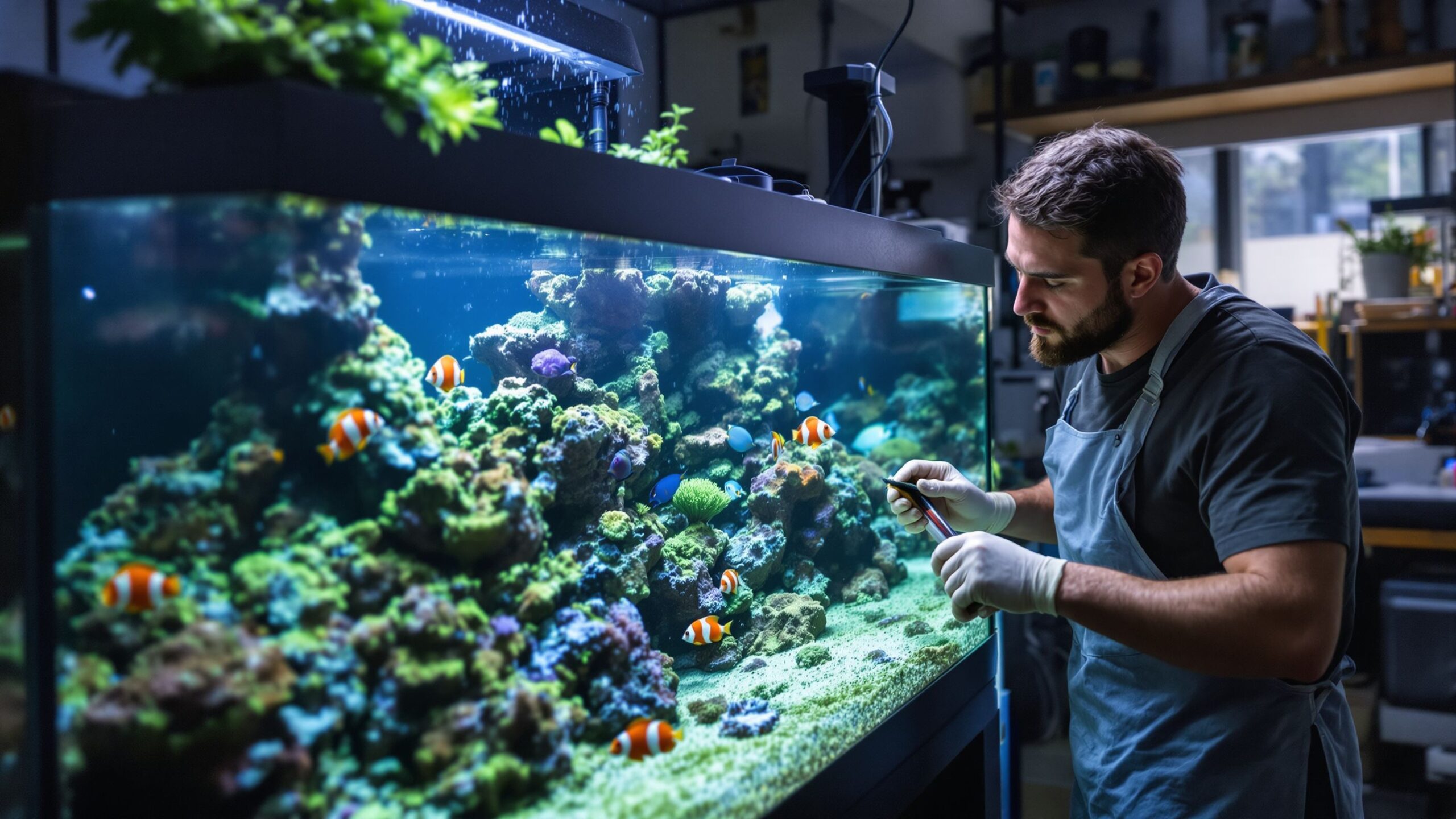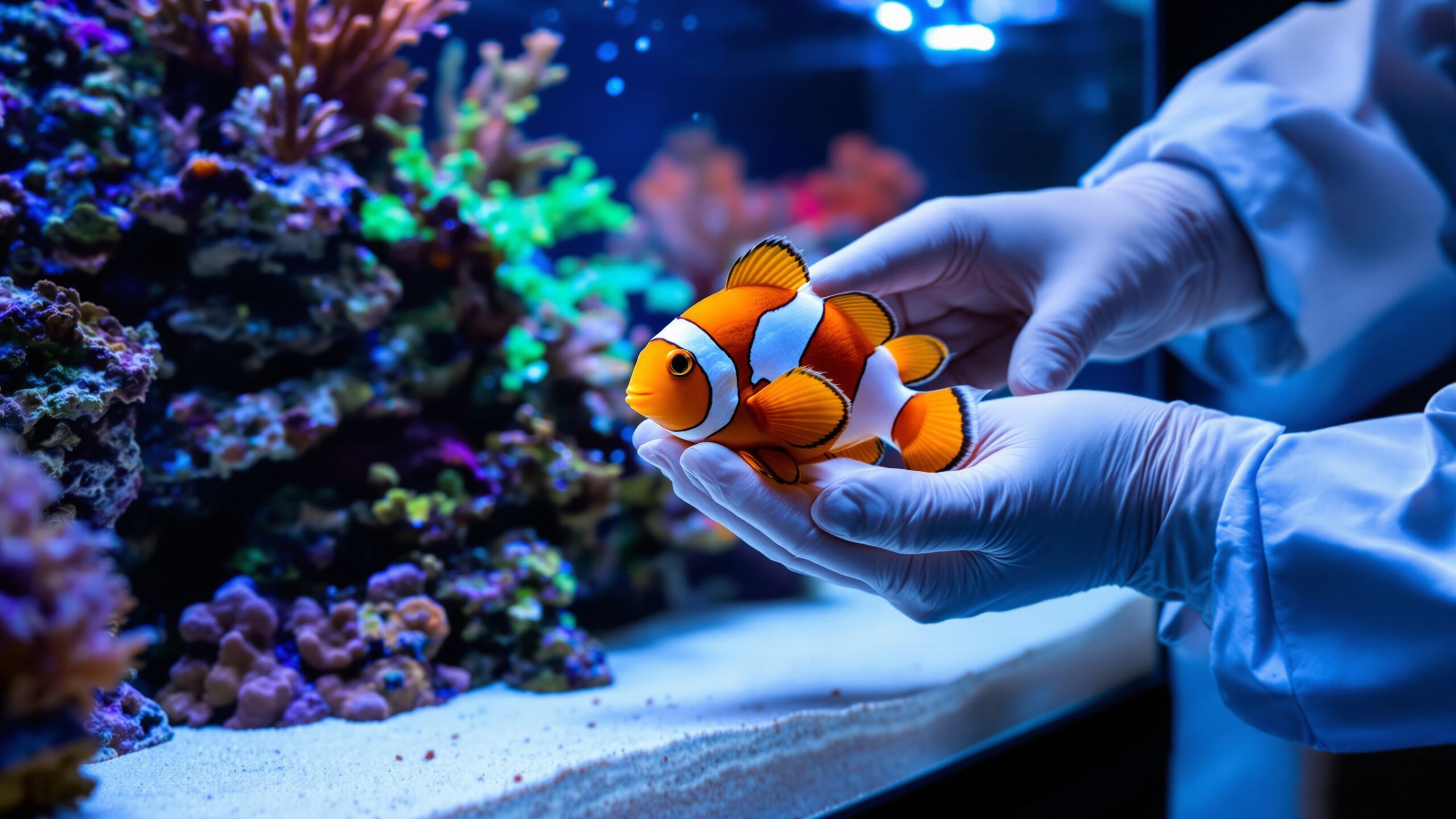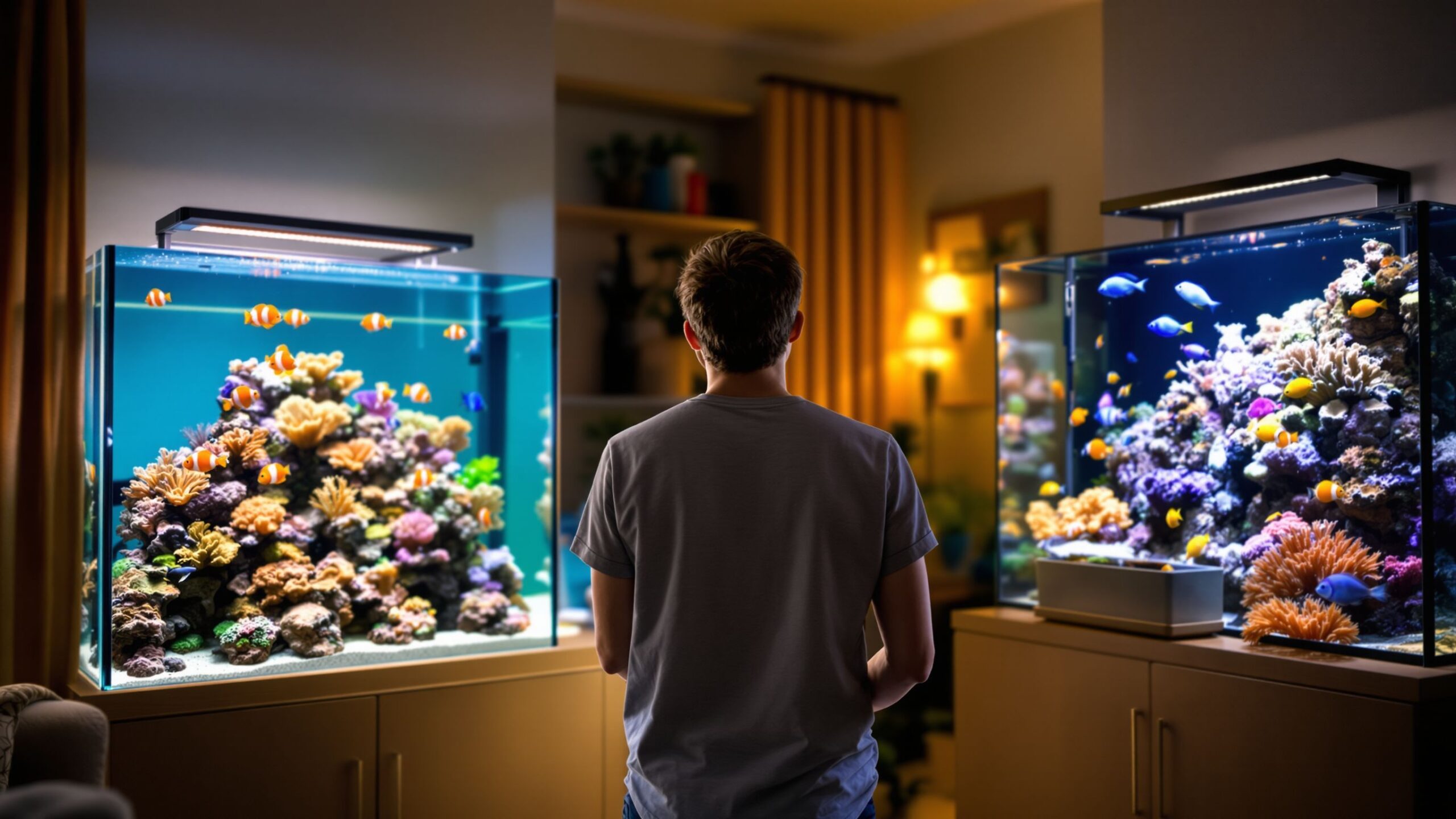
Building a saltwater aquarium is exciting, and one of the biggest decisions hobbyists face is how to add new fish. Should you buy fish from a trusted local fish store or online breeder, or should you adopt fish being rehomed from another hobbyist? Both options can work well, but each comes with different benefits, risks, and responsibilities.
Saltwater fish are not simple decorations. They are living animals with specific needs, personalities, and long-term care requirements. The way they enter your tank can affect everything from disease risk and compatibility to cost and overall tank stability. Choosing between adoption and buying is not only about price. It is about giving fish the best possible chance to thrive.
Some hobbyists prefer buying young, healthy fish directly from professional suppliers because it feels safer and more predictable. Others choose adoption because it helps rescue fish from neglected tanks, saves money, and supports responsible rehoming instead of unnecessary loss.
The best choice depends on your tank, your experience level, and your willingness to quarantine and observe carefully. Understanding both paths helps you make a decision that protects both your reef system and the fish you bring home.
A: It can be, especially if you can give a rehomed fish a better setup, but only if your tank is truly suitable.
A: No, buying can be responsible when you choose healthy fish from ethical sellers, especially captive-bred options when available.
A: Sometimes, because they may already be adapted to aquarium life, but they can also carry stress, disease, or behavior issues.
A: Yes, quarantine is strongly recommended whenever possible, even if the fish looks healthy.
A: The biggest risks are unknown disease history, aggression, adult size, and taking a fish your tank cannot support.
A: The biggest risks are impulse purchases, poor seller quality, wild-caught stress, and choosing fish without researching compatibility.
A: Local reef clubs, hobbyist groups, aquarium forums, rescue networks, and rehoming posts are common places to start.
A: Beginners may do best with hardy, captive-bred fish from reputable sources or carefully vetted rehomes with clear history.
A: Sometimes, but free or low-cost fish can become expensive if they need medication, quarantine, a larger tank, or special care.
A: The best choice is the fish that matches your tank size, water stability, experience, stocking plan, and ability to provide long-term care.
What Saltwater Fish Adoption Means
Saltwater fish adoption usually means taking in fish that already belong to another hobbyist rather than purchasing them from a store. This often happens when someone is moving, leaving the hobby, downsizing a tank, or can no longer care for their aquarium properly.
Fish may come from local reef clubs, online hobby groups, local fish store rehoming boards, or direct community connections. Sometimes entire reef systems are rehomed together, including fish, live rock, and equipment.
Adoption can also involve rescuing fish from neglected or unstable tanks where they need a healthier environment quickly. In these cases, the focus shifts from shopping to responsible rescue.
Unlike store purchases, adopted fish often come with a known history from the previous owner, including age, feeding habits, compatibility details, and behavior patterns that help with a smoother transition.
The Benefits of Adopting Saltwater Fish
One of the biggest advantages of adoption is giving a fish a second chance in a stable home. Many healthy marine fish are rehomed simply because life circumstances change, not because the fish are unhealthy.
Adopted fish are often already eating prepared foods, adjusted to aquarium life, and less stressed than newly imported fish that have just gone through shipping and wholesale systems. This can make the transition easier compared to store-bought wild-caught specimens.
Adoption can also save significant money. Larger tangs, angelfish, and established clownfish pairs can be expensive to buy new, while hobbyists rehoming them may prioritize finding the right home over maximizing profit.
There is also a sustainability benefit. Rehoming existing fish reduces demand for additional wild collection and helps support more responsible marine fishkeeping overall.
The Risks of Adoption
Adoption also comes with risks, especially when the original tank conditions were poor or the fish were not properly quarantined. Disease history may be unclear, and fish from stressed systems may carry hidden health issues that are not obvious at first glance.
Some adopted fish come with bad habits caused by poor compatibility or incorrect care. Aggressive behavior, poor diet adaptation, or long-term stress can create challenges in the new tank.
Large fish may also be difficult to rehome for a reason. A tang that outgrew a small aquarium may not be suitable for another undersized system. An aggressive dottyback may create major compatibility problems in peaceful community tanks.
Adoption requires honest evaluation, not emotional rescue decisions. Saving a fish should never mean creating a worse long-term environment.
The Benefits of Buying from a Store or Breeder
Buying from a trusted marine store or reputable breeder offers a different type of security. Healthy stores carefully quarantine livestock, monitor disease signs, and provide stronger guarantees about fish condition before sale.
Captive-bred fish, especially clownfish, gobies, dottybacks, and some angelfish, are often better adapted to aquarium life than wild-caught fish. They usually eat prepared foods more easily and experience less stress during transition.
Buying also allows hobbyists to choose species based on tank planning rather than waiting for adoption opportunities. Stocking order, fish size, and compatibility become easier to control when building a new reef system from the beginning.
Reputable stores also provide expert advice and support, which can be especially helpful for beginners still learning compatibility and quarantine practices.
The Risks of Buying New Fish
Not every purchased fish is automatically safer. Some stores receive livestock directly from stressful import chains where fish arrive weak, underfed, or carrying parasites. Without proper quarantine, new purchases can introduce major disease problems into an established tank.
Impulse buying is another common issue. Beautiful fish in store displays can tempt hobbyists into poor compatibility choices or species that will outgrow the tank quickly.
Wild-caught fish may struggle more with prepared foods, shipping stress, and long-term adjustment compared to adopted fish already thriving in captivity.
The quality of buying depends heavily on the quality of the source. A trusted store matters far more than simply buying new.
Quarantine Matters in Both Cases
Whether you adopt or buy, quarantine should never be skipped. This is one of the most important rules in marine fishkeeping.
A fish that looks healthy can still carry parasites like marine ich, velvet, or bacterial infections that threaten the entire display tank. Quarantine gives time for observation, treatment if needed, and a safer introduction process.
Many hobbyists assume adopted fish are safer because they came from another aquarium, but that does not remove disease risk. The same applies to expensive store purchases. Price does not guarantee health.
Responsible fishkeeping means treating every new arrival as a quarantine candidate, regardless of where it came from.
Matching the Fish to the Tank
The best fish is not the cheapest or the rarest. It is the fish that truly fits your system. Tank size, aggression levels, swimming needs, and coral safety matter more than whether the fish was adopted or purchased.
A rehomed yellow tang may be a wonderful adoption if your tank is large enough, but a poor decision if it is going into a small beginner reef. A store-bought dwarf angelfish may look perfect until it starts nipping coral in an SPS system.
Compatibility should always come before convenience. Healthy stocking decisions create long-term success while emotional or rushed decisions often create expensive problems later.
Every fish should be chosen based on the environment it will live in, not simply the opportunity available.
Which Is Better for Beginners?
For beginners, buying from a trusted local fish store is often the safer starting point because professional guidance and healthier livestock selection reduce risk. Captive-bred clownfish, gobies, and beginner-friendly species are easier to manage than rescuing complex rehomed fish with unknown history.
However, beginners can still succeed with adoption when working with trusted local hobbyists who provide honest information and healthy livestock. Local reef clubs often create excellent adoption opportunities because experienced keepers care more about proper placement than quick sales.
The key is support. Beginners need clear advice, quarantine discipline, and realistic species choices regardless of where the fish come from.
When Adoption Is the Better Choice
Adoption is often the better choice when a healthy fish simply needs a new home and your tank is truly the right fit. Established clownfish pairs, mature tangs, reef-safe wrasses, and well-adjusted gobies can all transition beautifully when rehomed responsibly.
It is also the best choice when rescuing fish from tanks facing shutdown, neglect, or unstable care. Preventing unnecessary livestock loss is one of the most responsible parts of the hobby.
The best adoption decisions happen when planning and preparation come first, not impulse sympathy alone.
Responsible Fishkeeping Matters Most
The real question is not adoption versus buying. It is responsible fishkeeping versus careless decisions. A healthy adopted fish placed thoughtfully is far better than an impulse store purchase made without planning. A properly quarantined captive-bred clownfish is far better than a rushed rescue placed into an unstable tank.
Both paths can succeed when the focus stays on fish welfare, tank compatibility, and long-term care.
Saltwater aquariums work best when every addition is intentional. Fish should never be treated like decorations or temporary projects. They deserve planning, patience, and respect from the moment they enter the system.
The Best Choice Is the One That Creates Stability
Adoption and buying both have value, and neither is automatically better in every situation. The right choice depends on the health of the fish, the quality of the source, and whether your aquarium can truly provide the environment that species needs.
Some of the best reef tanks are built with carefully selected store-bought fish. Others are filled with rehomed fish that found a better life through responsible adoption. Success comes from observation, quarantine, compatibility, and patience, not from where the fish originally came from.
For most hobbyists, the goal should never be simply filling a tank. It should be creating a stable, healthy marine environment where fish can live long and thrive.
When that remains the priority, both adoption and buying can become the right choice for your saltwater aquarium.
Pet Product Reviews
Explore Duffy Street’s Pet Product Reviews! Sniff out the top-rated toys, treats, gear, and gadgets for your pets with our fun, easy-to-read comparisons. We’ve done the digging so you can find the perfect products for your pet friends!