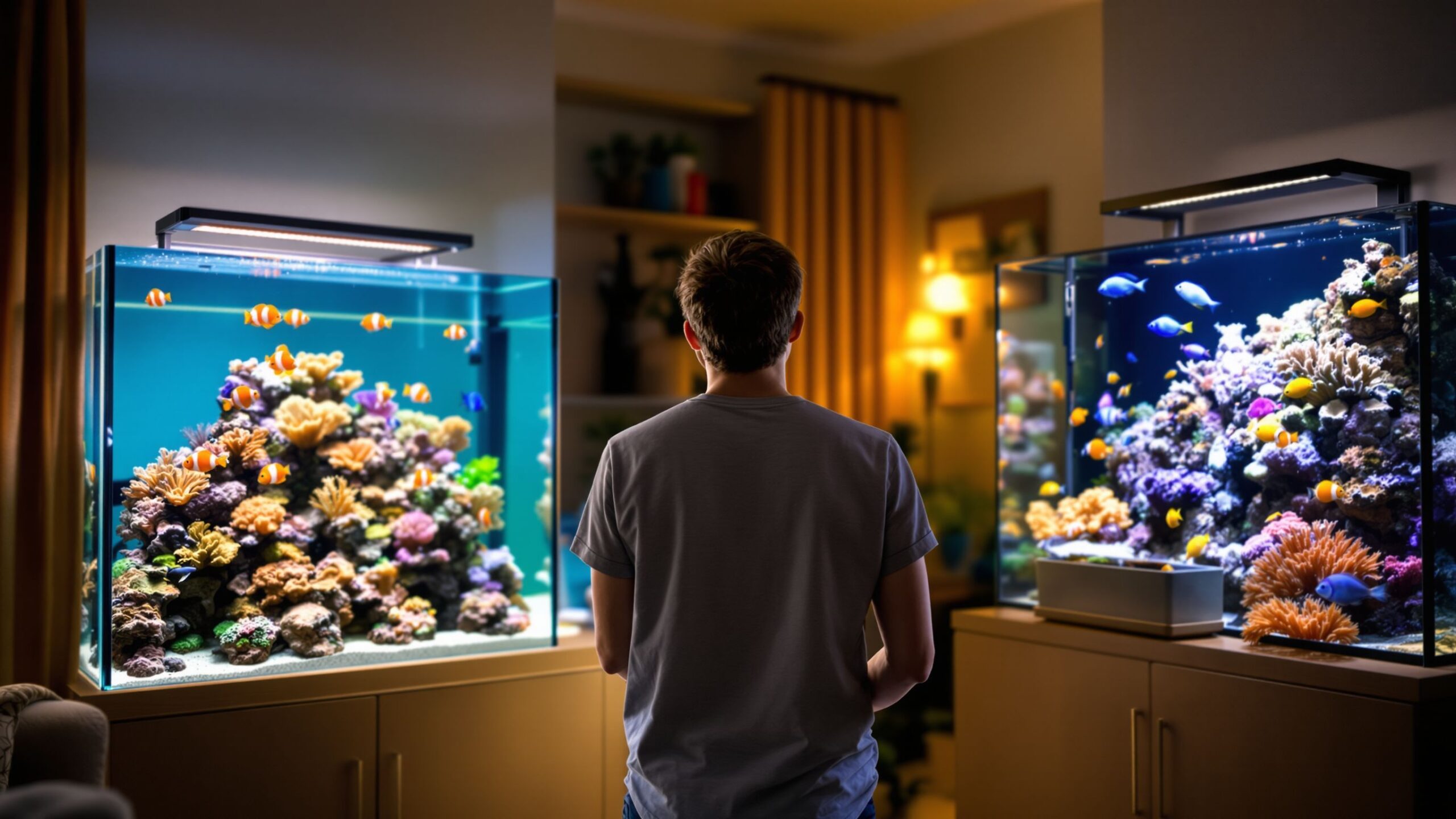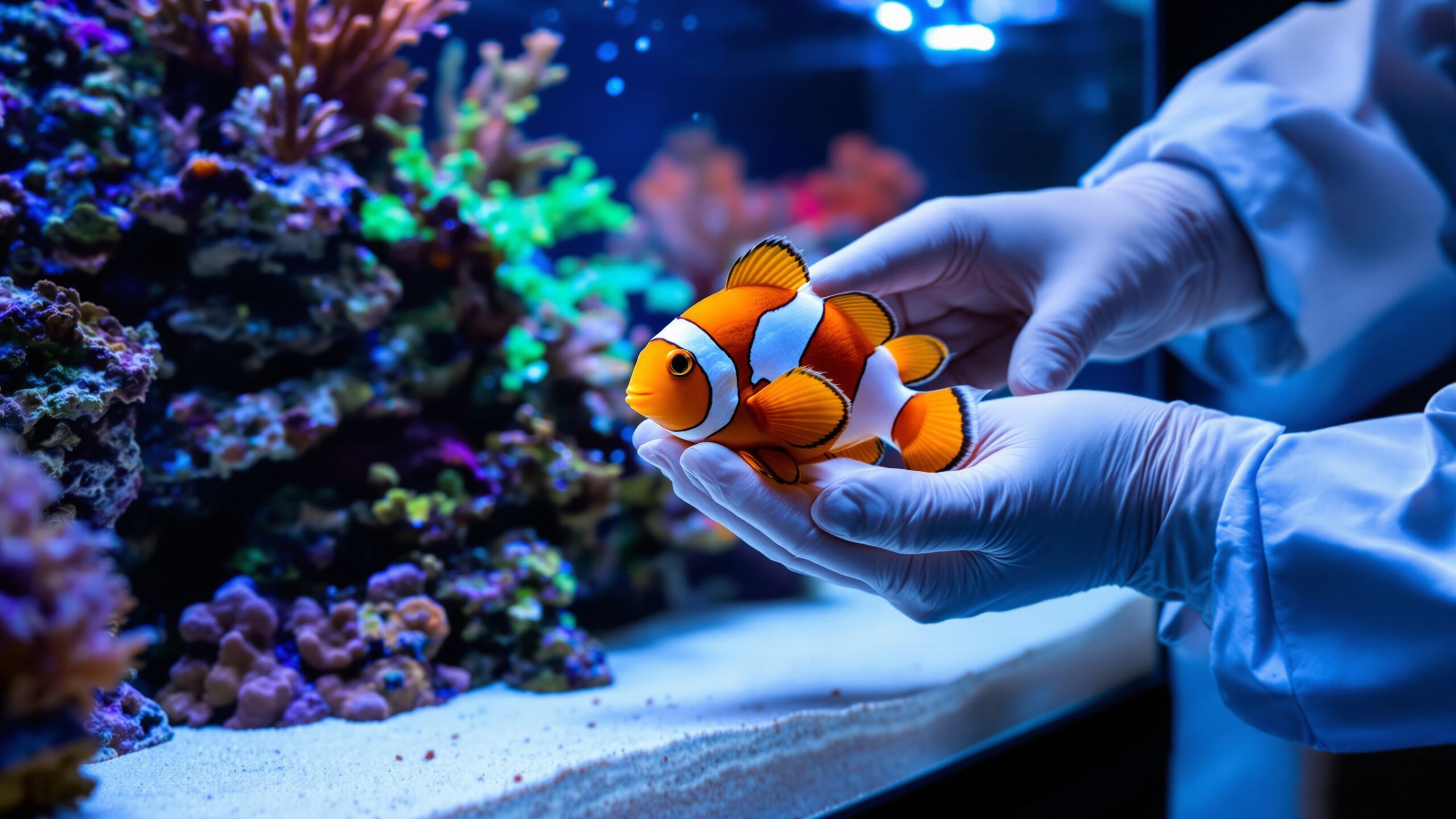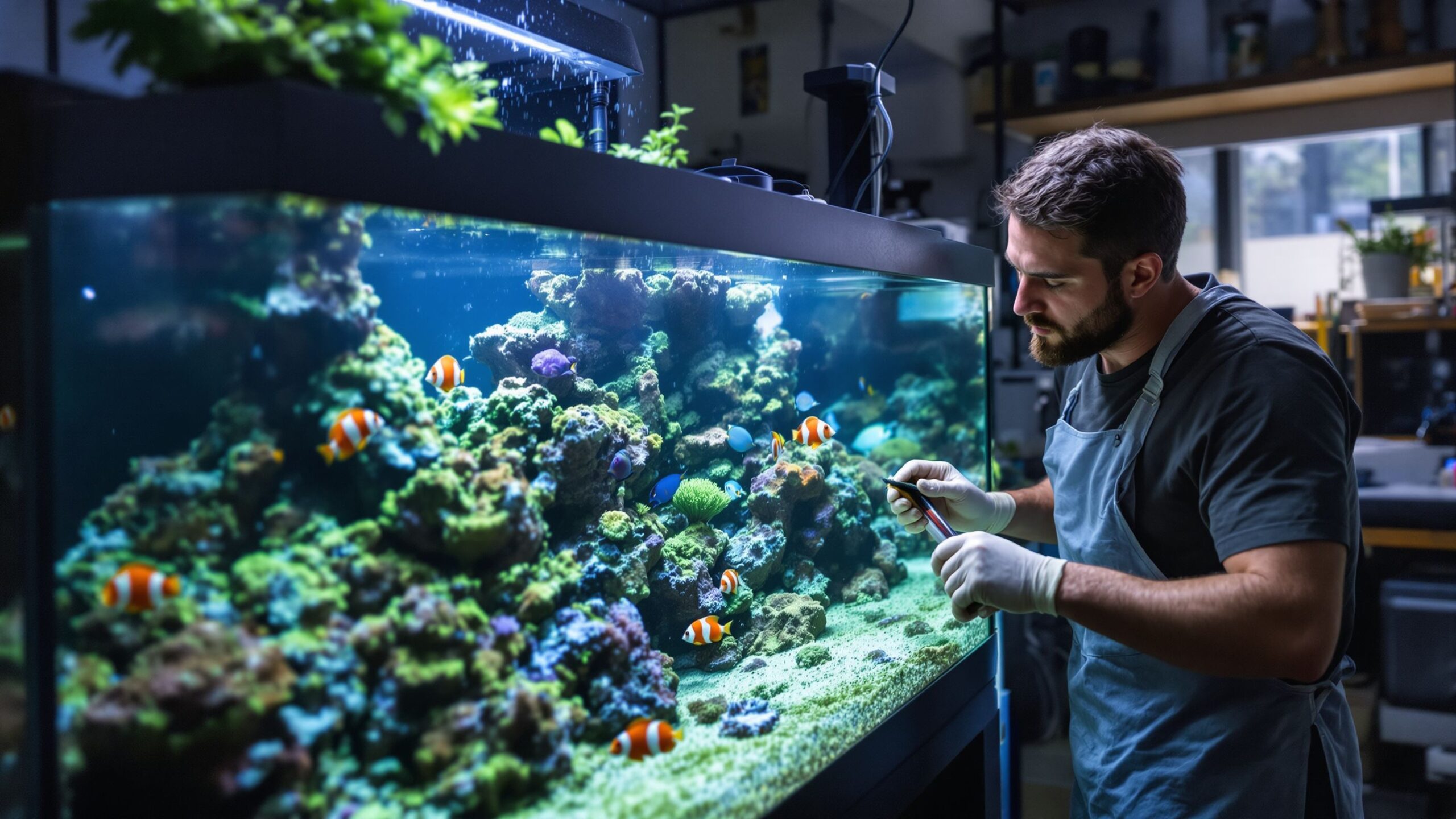
A neglected saltwater aquarium can look overwhelming at first. Algae may cover the glass, fish may seem stressed, water can appear cloudy, and equipment might not be working properly. For many people, the first instinct is to clean everything at once and start over immediately. In saltwater fishkeeping, that approach often causes more harm than the neglect itself.
Marine aquariums depend on stability. Fish, corals, beneficial bacteria, and filtration systems all rely on balance, even when the tank looks unhealthy. A sudden full teardown, massive water change, or aggressive cleaning can shock the system and create serious losses. The safest rescue always happens slowly and with a clear plan.
Neglected tanks are common after moves, illness, financial stress, equipment failures, or simple burnout from the demands of reef keeping. Sometimes the tank belongs to a family member who can no longer maintain it, and someone else must step in. The goal is not quick perfection. The goal is safe recovery.
Whether the aquarium holds clownfish, tangs, gobies, corals, or live rock systems, restoring it properly means protecting the life already inside while rebuilding stability one step at a time
A: Observe the livestock, check equipment, test water, remove obvious decay, and make only careful changes at first.
A: Usually no. Smaller controlled water changes are safer unless ammonia, toxins, or livestock distress make urgent action necessary.
A: It is safer to clean in stages so you do not shock livestock or disrupt beneficial bacteria.
A: Remove algae gradually while fixing nutrients, flow, lighting, and maintenance habits so it does not return quickly.
A: Salinity, temperature, ammonia, nitrite, nitrate, phosphate, pH, alkalinity, calcium, and magnesium are important.
A: Some can, but they may be stressed, weakened, aggressive, or at higher risk for disease.
A: Only if the current tank is unsafe, oxygen is low, ammonia is dangerous, or disease treatment requires quarantine.
A: Wait until water parameters are stable, livestock is healthy, and regular maintenance has been restored for a while.
A: Some improvements happen quickly, but full recovery can take weeks or months depending on neglect, livestock, and equipment.
A: Test first, change slowly, protect biological filtration, and prioritize livestock health over making the tank look perfect fast.
Start by Observing Before Touching Anything
Before making any changes, spend time observing the tank carefully. Look at the fish, equipment, water movement, and overall condition. Rushing into immediate action without understanding the problem can make rescue much harder.
Notice whether fish are breathing heavily, hiding constantly, or showing signs of disease like white spots, damaged fins, or unusual swimming. Check if pumps are running, whether the heater is working, and if the protein skimmer is functioning at all.
Look for dead livestock, excessive algae growth, strong foul smells, or obvious signs of rotting organic matter trapped in the substrate. These details help identify what needs urgent attention first.
The first step is diagnosis, not cleaning. Understanding what is happening prevents emotional decisions that create unnecessary stress for the animals.
Test the Water Immediately
Water testing is one of the most important parts of rescuing a neglected saltwater tank. The tank may look bad visually, but water chemistry tells the real story.
Check salinity, temperature, ammonia, nitrite, nitrate, pH, alkalinity, and if possible calcium and magnesium for reef systems. High ammonia or nitrite creates emergency conditions, while extreme nitrate and poor pH usually indicate long-term neglect rather than immediate danger.
Salinity problems are especially common in neglected tanks because evaporation raises salt concentration over time when freshwater top-offs are ignored. Correcting salinity too quickly can be dangerous, so changes must happen gradually.
Testing first helps guide every other decision. Never assume what the water needs based only on appearance.
Remove Dead Matter Carefully
If there are dead fish, dying corals, rotting algae masses, or decaying food trapped in the tank, these should be removed carefully and as soon as possible. Decaying organic material quickly worsens ammonia and overall water quality.
Use a net or siphon rather than aggressively disturbing the entire tank. The goal is to remove obvious waste without stirring deep substrate layers all at once, especially in older tanks where trapped debris may release additional toxins.
If live rock has heavy algae buildup, resist the urge to scrub everything immediately. Harsh cleaning can remove beneficial bacteria and destabilize filtration. Focus first on the most dangerous waste, not cosmetic perfection.
Removing decay reduces the immediate biological load and gives the system a better chance to stabilize.
Perform Small Water Changes, Not Huge Ones
One of the biggest mistakes in aquarium rescue is doing a massive water change too quickly. While fresh saltwater helps improve conditions, dramatic chemistry swings can shock fish and corals already adapted to poor conditions.
Start with smaller water changes, often around ten to fifteen percent depending on severity, and repeat them over several days rather than replacing most of the tank at once. Match temperature, salinity, and pH as closely as possible.
Gradual improvement is safer than sudden perfection. Fish that survived neglect are often more sensitive to rapid change than expected.
Slow water correction protects both livestock and beneficial bacteria while rebuilding healthier conditions over time.
Restore Filtration and Water Flow
A neglected tank often has clogged filters, dirty pumps, failing wavemakers, or a protein skimmer that has not worked in weeks. Restoring life support systems is critical because stable flow and filtration protect everything else.
Clean pumps, replace worn filter socks, remove clogged mechanical media, and restart skimmers carefully. Avoid replacing all filtration media at once because some bacteria may still be supporting the nitrogen cycle.
Check that heaters are working accurately because unstable temperature causes major fish stress. Strong but balanced water movement helps oxygen levels, waste removal, and coral health.
Filtration rescue should focus on function first, appearance second. Reliable system support matters more than polished equipment.
Control Algae Without Panic
Heavy algae growth is common in neglected marine tanks, but algae is often a symptom rather than the main problem. It usually reflects excess nutrients, poor maintenance, lighting imbalance, or weak filtration.
Manual removal helps, but aggressive scrubbing and chemical quick fixes often create more instability. Remove excess algae gradually, improve water quality, reduce trapped waste, and check lighting schedules before reaching for drastic solutions.
Adding cleanup crew species like snails or hermit crabs can help once water quality improves, but they should not be used as a shortcut while major chemistry problems remain unresolved.
Algae control works best when the cause is fixed instead of only treating the visible result.
Feed Less Until Stability Returns
Many neglected tanks are overfed, especially when owners try to “help” stressed fish by adding extra food. Excess feeding creates more waste, worsens nutrients, and increases ammonia risk in unstable systems.
Feed lightly and observe closely. Healthy fish should eat, but uneaten food should never sit in the tank. Small controlled meals are much safer than large feeding attempts.
For herbivores like tangs, algae sheets placed on clips can provide safer grazing opportunities without excessive waste. Frozen foods should be used carefully and not dumped heavily into poor water conditions.
During rescue, stability matters more than heavy feeding. Fish recover better in clean water than in food-heavy polluted systems.
Watch for Disease but Avoid Unnecessary Medication
Neglected tanks often show disease symptoms because poor water quality weakens fish immunity. White spots, fin damage, cloudy eyes, and unusual breathing may appear during rescue.
However, not every stressed fish needs immediate medication inside the display tank. Poor water conditions alone can mimic disease symptoms, and medicating unstable systems without diagnosis can create even bigger problems.
Focus first on water quality, observation, and stabilization. If clear disease signs continue after conditions improve, quarantine and targeted treatment become much safer.
Good rescue starts with environment correction, not automatic medication.
Decide What Can Truly Be Saved
Sometimes rescue means accepting difficult decisions. A badly neglected tank may have damaged equipment, unsafe rock structures, or livestock combinations that are no longer sustainable.
Some corals may be too far gone. Certain fish may require rehoming to larger or healthier systems. Old substrate may need gradual replacement if it has become a long-term waste trap.
The goal is not saving every single detail exactly as it was. The goal is creating a healthy future for the tank and the animals still living in it.
Making practical decisions early prevents repeated stress and failed recovery attempts later.
Build a Simple Long-Term Maintenance Plan
A rescued aquarium stays healthy only if maintenance becomes manageable. Many neglected tanks decline because routines become too complicated or unrealistic.
Create a simple schedule for testing, water changes, filter cleaning, top-offs, and feeding. Smaller consistent habits work better than occasional major cleanups.
Automated top-off systems, labeled testing routines, and basic maintenance checklists help prevent future neglect. If the tank belongs to someone with limited time or health challenges, simplifying the system may be more important than chasing a perfect high-maintenance reef.
A sustainable plan protects the tank better than temporary rescue effort alone.
Recovery Takes Patience
A neglected saltwater aquarium rarely looks healthy again in one weekend. Corals need time to reopen, fish need time to regain strength, and beneficial bacteria need time to stabilize the system.
Progress often happens slowly. Water clears first, fish behavior improves next, and coral recovery may take weeks or months depending on severity. Patience is one of the most important parts of successful rescue.
Trying to rush recovery usually creates setbacks. Stability always wins over speed in marine fishkeeping.
Watching small improvements over time is often the clearest sign that rescue is working.
Saving the Tank Means Saving the Balance
A saltwater aquarium is not rescued by making it look clean. It is rescued by restoring balance. Healthy water, stable systems, safe fish behavior, and manageable long-term care matter far more than perfect appearance.
Neglected tanks can absolutely recover when handled carefully. Fish that seem stressed often improve dramatically once stability returns, and reef systems can surprise owners with how resilient they are when given time.
The best rescue approach is calm, patient, and practical. Observe first, correct slowly, and protect the life already inside rather than reacting emotionally to how the tank looks.
Saving a neglected saltwater aquarium is not about rebuilding it overnight. It is about giving the ecosystem a safe path back to health, one careful step at a time.
Pet Product Reviews
Explore Duffy Street’s Pet Product Reviews! Sniff out the top-rated toys, treats, gear, and gadgets for your pets with our fun, easy-to-read comparisons. We’ve done the digging so you can find the perfect products for your pet friends!