Bringing home a baby bearded dragon is an exciting introduction to reptile ownership, filled with curiosity, discovery, and a surprising level of connection. These small reptiles, known for their calm nature and expressive personalities, are among the most popular beginner reptiles for a reason. Their manageable size, relatively simple care needs, and engaging behavior make them an ideal choice for first-time owners. However, baby bearded dragons are not low-maintenance pets. Their early life stage is critical, requiring precise care, attention to detail, and consistency to ensure proper growth and long-term health. Understanding their needs from the very beginning will set the foundation for a thriving, confident companion that can live for a decade or more.
A: They eat small live insects and fresh greens, with insects making up a larger part of the diet while they are young.
A: Many babies eat small insect meals multiple times daily, plus fresh greens offered every day.
A: Yes. UVB is essential for calcium absorption, bone health, appetite, and long-term survival.
A: It is not recommended because they may compete, stress each other, or injure one another.
A: Paper towels, tile, or reptile liner are safer beginner choices than loose sand.
A: Stress, shedding, low temperatures, poor UVB, illness, or a new environment can all reduce appetite.
A: Look for clear eyes, alert behavior, steady movement, regular eating, healthy droppings, and good body condition.
A: Give it time to settle first, then begin with short, gentle handling sessions close to the ground.
A: Occasional shallow baths may help with hydration or stuck shed, but they should be supervised carefully.
A: Call a reptile vet for extreme lethargy, rapid weight loss, swollen limbs, breathing trouble, persistent refusal to eat, or abnormal stool.
Understanding Baby Bearded Dragon Behavior
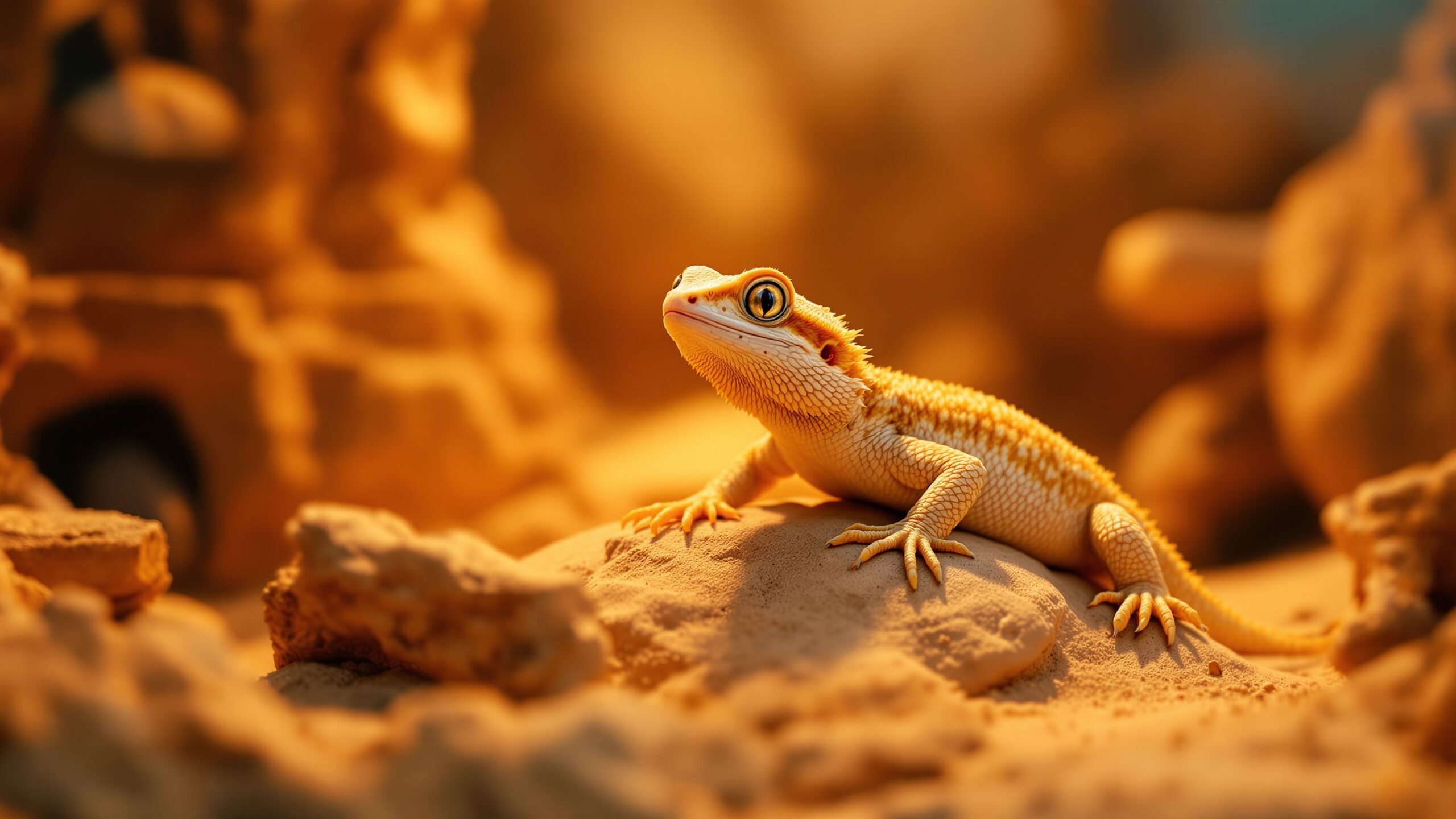
Baby bearded dragons are naturally active and curious, often exploring every inch of their enclosure with enthusiasm. Unlike many reptiles that prefer to hide, young beardies are highly visible and interactive, frequently basking under lights, climbing over decorations, and watching movement outside their tank. They are diurnal animals, meaning they are awake during the day and sleep at night, which aligns well with human schedules and makes them enjoyable to observe. Common behaviors include head bobbing, arm waving, and occasional glass surfing, all of which are forms of communication or responses to their environment. While they may be shy during their first few days in a new home, they quickly begin to recognize patterns and routines. With time and gentle interaction, they often become comfortable with their owners and display surprisingly personable traits.
Creating the Perfect Habitat
A proper habitat is the most important element of baby bearded dragon care. Their enclosure should replicate a warm, dry desert environment while offering safety and comfort. A 20-gallon tank is suitable for a baby, but it is important to plan for upgrades as they grow rapidly. The enclosure must include a clear temperature gradient, with a basking area reaching around 100 to 110 degrees Fahrenheit and a cooler side ranging between 75 and 85 degrees. This gradient allows the dragon to regulate its body temperature naturally, moving between zones as needed. At night, temperatures can drop slightly but should remain above 65 degrees. Lighting is equally essential, particularly UVB lighting, which enables the synthesis of vitamin D3 and supports proper calcium absorption. Without adequate UVB exposure, serious health issues can develop. The enclosure should also include a basking rock or platform, a hiding spot for security, and a safe, solid substrate such as reptile carpet or paper towels to prevent accidental ingestion.
Feeding Your Baby Bearded Dragon
Feeding a baby bearded dragon is both fascinating and demanding due to their rapid growth. Unlike adults, babies require a diet heavily focused on protein, primarily from live insects. Crickets, dubia roaches, and other small feeder insects are staples, and they should always be appropriately sized to prevent choking or digestive issues. Baby dragons often eat multiple times a day and can consume a surprisingly large number of insects in each feeding session. Alongside protein, introducing fresh greens early is important for long-term dietary balance. Finely chopped vegetables and leafy greens such as collard greens or mustard greens provide essential nutrients and help establish healthy eating habits. Calcium supplementation is critical and should be applied regularly to feeder insects to support strong bone development. A multivitamin supplement can also be used periodically to ensure a well-rounded diet. While a water dish should always be present, many baby bearded dragons hydrate primarily through their food and occasional misting.
The Importance of Heat and Lighting
Heat and lighting are not optional elements of care but essential components that directly impact your dragon’s health and survival. Proper heat allows for digestion, energy regulation, and immune function. Without it, a baby bearded dragon may become lethargic, lose appetite, and develop serious health problems. The basking area should be positioned directly under a heat lamp, allowing the dragon to absorb warmth effectively. UVB lighting works alongside heat by enabling the production of vitamin D3, which is necessary for calcium absorption. Without sufficient UVB exposure, even a well-fed dragon can develop metabolic bone disease, a serious and often preventable condition. Lighting should follow a consistent schedule, typically 12 to 14 hours of daylight, to mimic natural cycles. Accurate temperature monitoring using reliable tools ensures that the environment remains safe and stable at all times.
Handling and Socialization
Handling plays a significant role in building trust between you and your baby bearded dragon. In the early stages, it is best to allow your dragon time to adjust to its new environment before introducing frequent handling. When you do begin, approach slowly and gently, supporting the entire body to make the dragon feel secure. Short, calm interactions are more effective than long, stressful sessions. Over time, most bearded dragons become very tolerant of handling and may even appear to enjoy it. They often recognize their owners and show curiosity when approached. Consistency is key, as regular, positive interactions help reduce stress and build confidence. It is important to avoid handling immediately after feeding, as this can interfere with digestion. During shedding periods, your dragon may also prefer less contact due to increased sensitivity.
Shedding and Growth
Baby bearded dragons grow quickly, and shedding is a natural part of this process. Unlike adults, which shed larger portions of skin at once, babies shed in smaller patches more frequently. Before shedding begins, the skin may appear dull or slightly discolored. As the process continues, the old skin flakes off, revealing fresh, vibrant scales underneath. Proper hydration and environmental conditions support healthy shedding, and occasional shallow baths can help loosen stubborn areas. It is important not to pull or peel shedding skin manually, as this can cause injury. Growth during this stage is rapid and noticeable, with changes in size, appetite, and behavior occurring within weeks. This period requires careful attention to diet and environment to ensure proper development.
Common Health Concerns
Maintaining your baby bearded dragon’s health requires regular observation and awareness of potential issues. A healthy dragon is active, alert, and has a strong appetite. Its eyes should be bright, and its movements confident. Any sudden changes, such as lethargy, loss of appetite, or unusual posture, may indicate a problem. One of the most common concerns is metabolic bone disease, often caused by inadequate UVB lighting or insufficient calcium intake. Impaction is another risk, typically resulting from ingesting loose substrate or oversized food. Respiratory infections can occur if temperatures are too low or humidity levels are too high. Early detection and proper care are key to preventing serious complications. Establishing a relationship with a reptile veterinarian ensures that expert help is available if needed.
Creating a Daily Care Routine
Consistency is essential when caring for a baby bearded dragon. Establishing a daily routine helps maintain stability and ensures all of your dragon’s needs are met. Each day should begin with checking temperatures and lighting to confirm that the environment is functioning properly. Feeding should occur multiple times a day, with a focus on live insects and supplemental greens. Cleaning waste and refreshing water are also part of daily maintenance. Observing your dragon’s behavior provides valuable insight into its health and comfort. Weekly tasks include more thorough cleaning of the enclosure, inspecting equipment, and making any necessary adjustments. Over time, these routines become second nature, making care both efficient and rewarding.
Preparing for the Future
Caring for a baby bearded dragon is only the beginning of a long-term commitment. As your dragon grows, its needs will change, requiring adjustments in enclosure size, diet, and overall care. Adult bearded dragons require larger habitats, typically 40 gallons or more, and their diet shifts toward a greater proportion of vegetables. Planning ahead ensures a smooth transition and prevents unnecessary stress. Investing in quality equipment early can save time and effort in the future. Watching your dragon grow from a tiny, energetic baby into a calm, confident adult is one of the most rewarding aspects of reptile ownership.
Final Thoughts on Raising a Healthy Baby Bearded Dragon
Raising a baby bearded dragon is a deeply rewarding experience that combines attentive care, learning, and connection. These reptiles offer more than just visual appeal; they develop personalities, respond to routines, and become familiar with their environment and caretakers. By focusing on proper habitat setup, balanced nutrition, consistent routines, and regular observation, beginners can successfully raise a healthy and thriving bearded dragon. With patience and dedication, your baby dragon will grow into a strong, interactive companion that brings years of fascination and enjoyment.
Pet Product Reviews
Explore Duffy Street’s Pet Product Reviews! Sniff out the top-rated toys, treats, gear, and gadgets for your pets with our fun, easy-to-read comparisons. We’ve done the digging so you can find the perfect products for your pet friends!