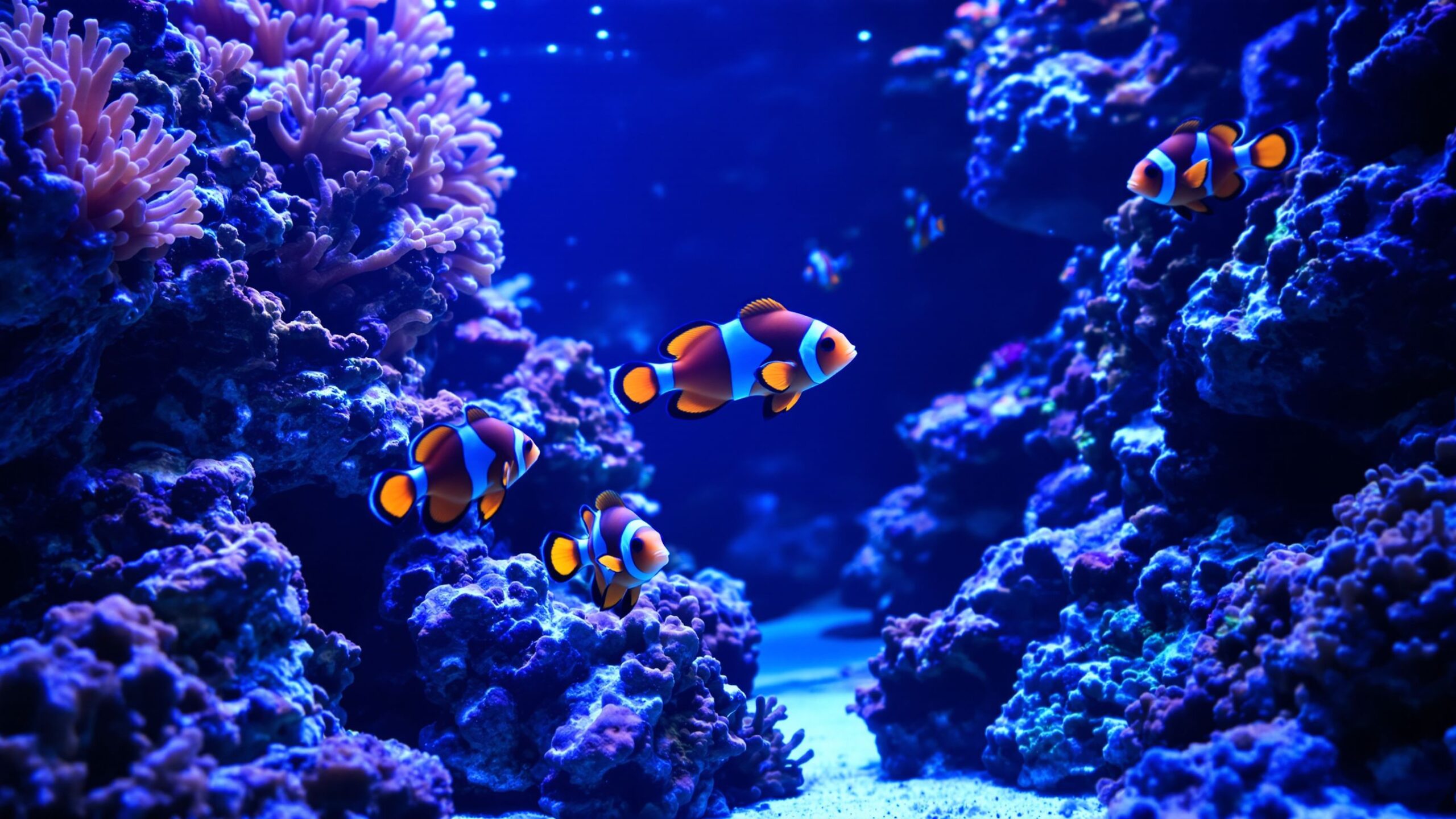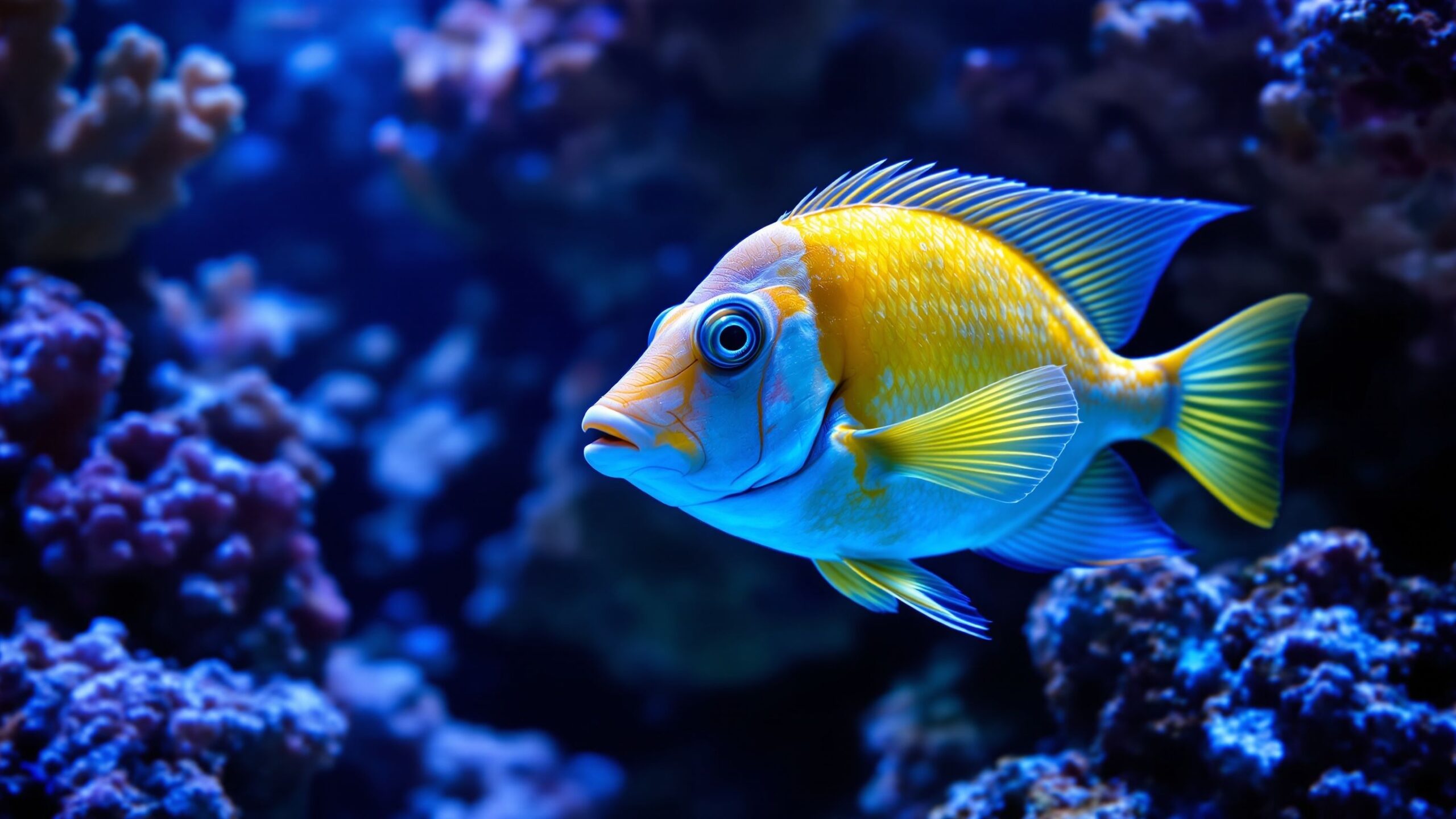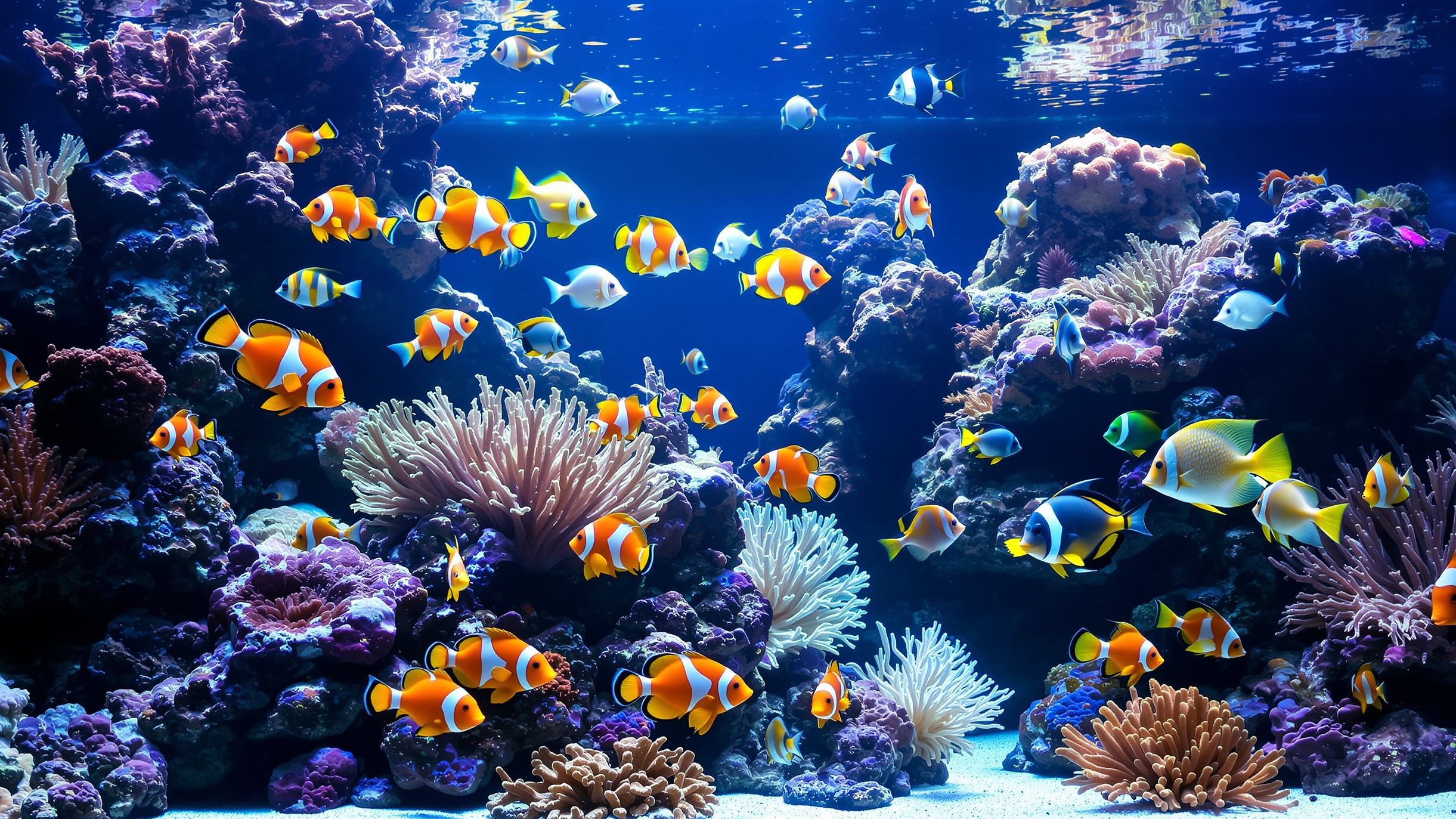
One of the biggest surprises for new marine aquarium owners is how long saltwater fish can live. Many people assume fish are short-term pets, but in a healthy saltwater system, some species can live for ten, fifteen, or even twenty years. A clownfish is not just a temporary addition to a tank. It can become a long-term companion that stays with you for a significant part of your life.
Lifespan depends heavily on species, care quality, tank size, diet, stress levels, and disease prevention. A goby and a tang do not age at the same rate, and a well-maintained reef tank creates a completely different future than an unstable neglected system. Marine fish that survive the difficult first stages of transport and acclimation often live much longer than beginners expect.
Understanding how long saltwater fish live helps hobbyists make better decisions before buying. Choosing a fish should never be based only on appearance. It should include understanding adult size, long-term care needs, compatibility, and the commitment required for years of healthy life.
When fish are treated as living animals rather than decorations, lifespan becomes one of the clearest signs of responsible marine fishkeeping.
A: It depends on species. Some may live only a few years, while clownfish, tangs, and angelfish can live much longer with proper care.
A: Yes, many clownfish can live well over 10 years in stable aquariums with good feeding and water quality.
A: Poor quarantine, stress, disease, overstocking, aggression, unstable water, and bad compatibility are common reasons.
A: They can be easier to adapt because they are used to aquarium foods and conditions, though care quality still matters most.
A: Yes, fish kept in tanks too small often experience stress, aggression, poor swimming space, and shortened lives.
A: Absolutely. Senior fish can stay active and colorful when their environment remains stable and peaceful.
A: Stable water, strong diet, peaceful tankmates, proper tank size, quarantine, and consistent observation are the biggest factors.
A: No, aging is gradual, while sudden appetite loss, spots, heavy breathing, or rapid decline usually suggest illness or stress.
A: Yes, rehoming is often the safest long-term choice when a fish needs more swimming space or a better environment.
A: Research adult size, behavior, compatibility, and long-term needs before buying instead of choosing based only on appearance.
Clownfish Can Live for Decades
Clownfish are one of the best examples of long-lived marine fish. In stable home aquariums, species like ocellaris and percula clownfish commonly live ten to fifteen years, and some have lived more than twenty years with exceptional care.
Their hardiness, captive-bred availability, and adaptability make them one of the best beginner saltwater fish, but owners often underestimate the long-term commitment involved. A pair of clownfish may remain in the same reef tank for many years, often becoming the most familiar personalities in the aquarium.
Captive-bred clownfish usually adjust to aquarium life more easily than wild-caught specimens, which can improve long-term survival. Stable feeding, peaceful tank mates, and low-stress environments help them reach their full lifespan.
For many reef keepers, clownfish become the longest-lasting residents in the entire tank.
Tangs Often Live Ten Years or More
Tangs are active, intelligent fish that can live for a very long time when housed properly. Yellow tangs, kole tangs, and blue tangs commonly live ten to fifteen years, and larger species may live even longer.
Their lifespan depends heavily on tank size and swimming space. Tangs kept in undersized tanks often suffer chronic stress, weakened immunity, and shortened lives even if they appear healthy at first.
These fish need strong water quality, algae-based diets, stable social structure, and enough room to swim naturally. Long-term stress is one of the biggest threats to tang lifespan.
A healthy tang is not a short-term reef addition. It is often a decade-long commitment that requires serious planning from the start.
Gobies and Smaller Species Often Have Shorter Lives
Smaller species like gobies, firefish, and some blennies often have shorter natural lifespans compared to clownfish and tangs. Many live around three to five years in aquariums, although some may live longer depending on species and care.
This shorter lifespan is not necessarily a sign of poor care. Many small reef fish naturally live faster lives and age more quickly even in ideal conditions.
Because they are small and peaceful, these fish are popular for beginner and nano reef tanks, but owners should still understand that some species may simply not live as long as larger marine fish.
Good feeding, low aggression, and stable water still matter greatly, but lifespan expectations should match the species rather than comparing them unfairly to clownfish or tangs.
Angelfish Lifespan Depends on Species
Marine angelfish vary widely in lifespan depending on size and species. Dwarf angelfish like coral beauty angelfish often live five to ten years, while larger angelfish species can live much longer when given proper care and enough swimming space.
These fish are often sensitive to stress, diet issues, and compatibility problems. Coral nipping, territorial aggression, and nutritional deficiencies can shorten lifespan quickly if the system is poorly planned.
Healthy angelfish need strong water quality, stable reef environments, and balanced diets with both algae and protein depending on species.
Because many angelfish are expensive and visually striking, owners should think beyond appearance and prepare for years of responsibility before adding them.
Wrasses Can Be Long-Term Residents
Wrasses are popular for their movement, color, and active personalities. Many reef-safe wrasses live five to ten years or longer depending on species, with some larger wrasses lasting much longer.
They thrive best in tanks with secure lids, strong water quality, and plenty of swimming room. Jumping is one of the biggest risks for wrasses, and many healthy fish are lost simply because tanks are left uncovered.
Some species also require sand beds for sleeping and stress reduction, especially burying wrasses that depend on substrate for natural behavior.
A protected and enriched environment gives wrasses a much better chance of reaching their full lifespan.
The First Year Is Often the Hardest
Many saltwater fish losses happen within the first few months, not because the species is short-lived, but because transport, acclimation, and early mistakes create the highest risk period.
Fish arriving from wholesalers may already be stressed from shipping, poor holding conditions, or wild capture. If quarantine is skipped or water parameters change too quickly, survival becomes much harder.
The first year often determines whether a fish becomes a long-term resident or an early loss. Stable acclimation, quarantine, careful feeding, and compatibility planning matter more than almost anything else during this stage.
A fish that passes this difficult early period often becomes much stronger and more resilient over time.
Water Quality Directly Affects Lifespan
Clean stable water is one of the biggest factors in marine fish longevity. Chronic poor water quality does not always kill fish quickly, but it weakens immunity, increases stress, and shortens lifespan over time.
High nitrate, unstable salinity, poor oxygen exchange, and temperature swings create constant background stress even when fish still appear active. This makes disease outbreaks and long-term decline much more likely.
Fish kept in stable systems often show stronger appetite, brighter color, and healthier behavior for years longer than fish in neglected tanks.
Good water quality is not just about preventing emergencies. It is about supporting a long healthy life.
Diet Matters More Than Many Owners Realize
A fish can survive on poor feeding habits for a while, but true long-term health depends on nutrition. Tangs need algae-rich diets, clownfish benefit from varied marine proteins, and many species require specific feeding styles based on how they hunt or graze naturally.
Overfeeding and underfeeding are both common problems. Heavy feeding pollutes the tank, while poor nutrition weakens immunity and slows recovery from stress or disease.
Captive-bred fish often adapt to prepared foods more easily, but variety still matters. Frozen mysis, pellets, algae sheets, and species-specific foods help maintain strength over the years.
Feeding is one of the easiest daily ways to protect lifespan.
Stress Shortens Lives Quietly
Stress is one of the most underestimated killers in marine aquariums. Aggressive tank mates, poor hiding spaces, undersized tanks, excessive chasing, and unstable routines all create long-term stress that weakens fish slowly.
A fish may survive under stress for months while still appearing active, but constant tension reduces immune strength and shortens lifespan dramatically.
Peaceful compatibility, secure territory, and predictable care create healthier long-term outcomes than beautiful tanks filled with constant social conflict.
A calm fish usually lives longer than a constantly defensive one.
Disease Prevention Matters More Than Treatment
Quarantine and prevention protect lifespan far better than emergency treatment after disease enters the display tank. Marine ich, velvet, bacterial infections, and parasite outbreaks can permanently weaken fish even if they survive.
Many hobbyists focus only on treatment after symptoms appear, but healthy long-term tanks are usually built around prevention. Quarantine new fish, observe feeding behavior, and avoid rushed livestock additions.
A fish that avoids repeated disease cycles often lives far longer than one constantly recovering from preventable outbreaks.
The healthiest tanks are usually the quietest ones because problems are prevented before they begin.
Captive-Bred Fish Often Live Longer
Captive-bred clownfish, gobies, dottybacks, and other marine species often have advantages over wild-caught fish when it comes to long-term survival. They are usually already adapted to aquarium life, accept prepared foods more easily, and experience less collection stress.
Wild-caught fish can absolutely live long healthy lives, but the adjustment period is often harder. Shipping stress, poor feeding response, and parasite risk can create a more difficult start.
Whenever possible, choosing captive-bred fish supports both sustainability and stronger aquarium success.
A better start often leads to a longer life.
Longevity Is the Best Sign of Good Fishkeeping
One of the strongest signs of a successful saltwater aquarium is not expensive coral or rare fish. It is a fish that grows old under your care.
A clownfish living for fifteen years or a tang thriving for a decade shows stable water, responsible feeding, careful compatibility choices, and consistent maintenance. Longevity reflects patience more than equipment.
Marine fishkeeping should never be treated as short-term decoration. These are long-term animals that depend completely on the quality of the environment provided.
The goal should always be more than keeping fish alive for now. It should be giving them the conditions to thrive for years.
Saltwater Fish Are Long-Term Pets
Saltwater fish are often far more permanent than beginners expect. Some species live only a few years, but many become decade-long companions in a healthy reef tank.
Before buying any fish, understanding lifespan helps set realistic expectations and encourages better planning. Tank size, compatibility, feeding, and quarantine all matter more when you realize that fish may be with you for many years.
This long-term perspective changes the entire hobby. It turns aquarium ownership from collecting beautiful animals into caring for living creatures through every stage of life.
For many hobbyists, the most rewarding part of reef keeping is not adding new fish. It is watching the same fish thrive year after year in a stable and healthy marine home.
Pet Product Reviews
Explore Duffy Street’s Pet Product Reviews! Sniff out the top-rated toys, treats, gear, and gadgets for your pets with our fun, easy-to-read comparisons. We’ve done the digging so you can find the perfect products for your pet friends!