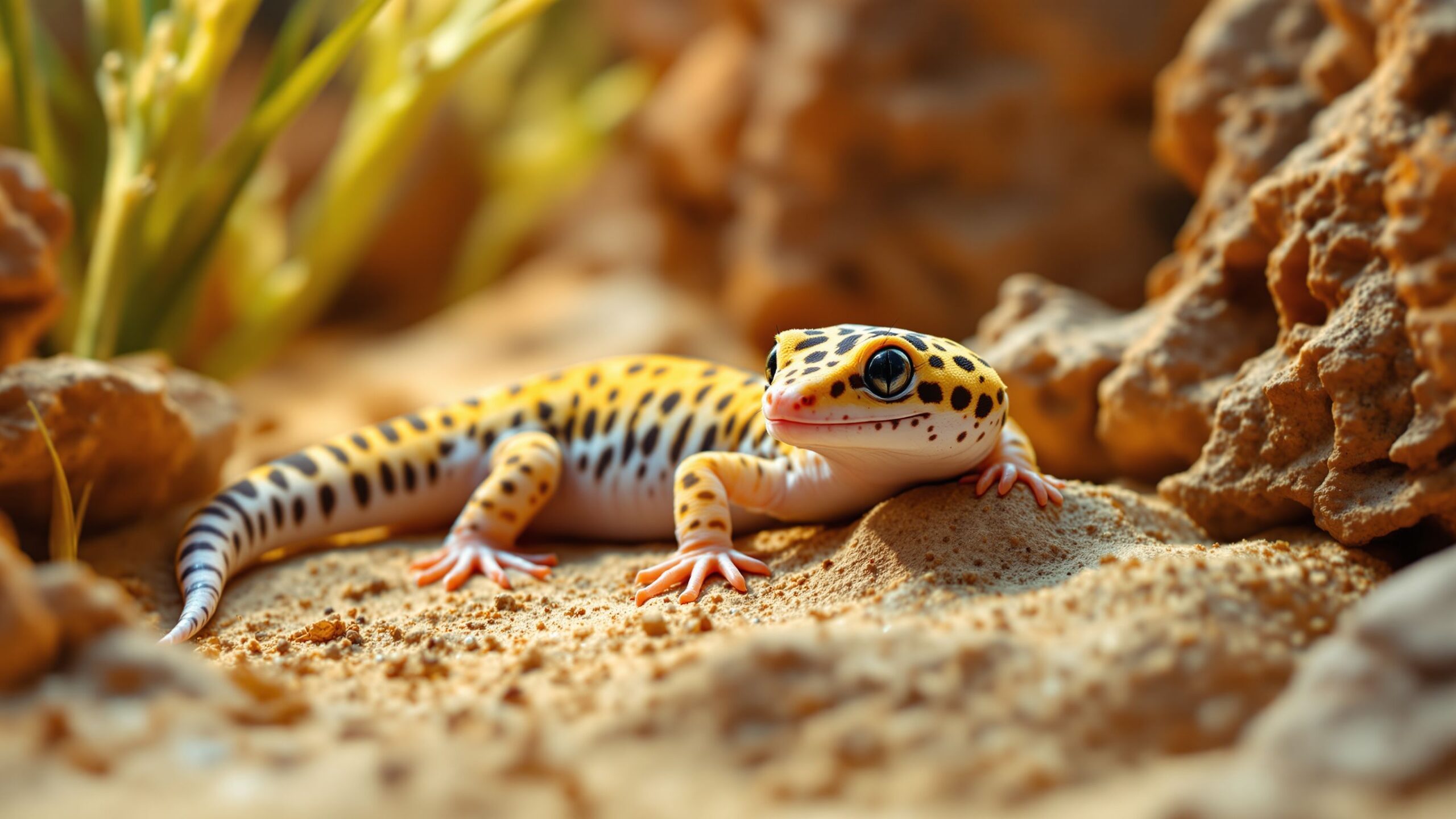
Bringing home a baby leopard gecko is an exciting step into reptile ownership, offering a unique blend of simplicity, beauty, and personality. Known for their spotted patterns, gentle temperament, and expressive eyes, leopard geckos are one of the best beginner reptiles available. Unlike many lizards, they are hardy and adaptable, making them ideal for new keepers who are still learning the basics of reptile care. However, baby leopard geckos have specific needs that must be met to ensure proper growth and long-term health. Their early months are critical, requiring a carefully controlled environment, consistent feeding routines, and close observation. With the right setup and knowledge, these small reptiles quickly grow into calm, curious companions that can live for many years.
A: Baby leopard geckos eat live insects such as small crickets, dubia roaches, mealworms, black soldier fly larvae, and other safe feeders.
A: Most babies are fed daily or nearly daily with appropriately sized insects while they are actively growing.
A: Low-level UVB can be beneficial, but proper supplementation and correct setup are still important.
A: They need a warm side for digestion and a cooler side so they can choose the temperature they prefer.
A: It is safest to house them separately to avoid stress, food competition, fighting, or injury.
A: Common reasons include relocation stress, shedding, incorrect temperatures, oversized prey, illness, or too much handling.
A: Paper towels, tile, or reptile liner are good beginner options because they are easy to clean and monitor.
A: Yes. A humid hide helps prevent stuck shed, especially around toes, tail tip, and eyes.
A: Give it time to settle in first, then start with short, gentle sessions close to a safe surface.
A: Contact a reptile vet for weight loss, stuck shed, swollen limbs, mouth issues, lethargy, repeated food refusal, or abnormal droppings.
Understanding Baby Leopard Gecko Behavior
Baby leopard geckos are naturally more secretive than some other reptiles, preferring to explore their surroundings during the evening and nighttime hours. They are nocturnal, which means they sleep during the day and become active after the lights go out. This behavior reflects their natural desert habitat, where cooler nighttime temperatures provide the safest time to hunt and move around. In the early days, your gecko may spend a lot of time hiding, which is completely normal. Hides provide a sense of security and help reduce stress, especially in a new environment. Over time, as your gecko becomes more comfortable, you will notice increased activity, curiosity, and confidence. They may begin exploring their enclosure more openly and even approach the front when they recognize feeding time. Tail movements, slow stalking behavior, and quick lunges are all signs of hunting instincts in action.
Creating the Perfect Habitat
A proper enclosure is the foundation of successful leopard gecko care. For a baby, a 10 to 20-gallon tank is suitable, but planning for a larger enclosure as they grow is important. The habitat should replicate a warm, dry environment with a clear temperature gradient that allows the gecko to regulate its body temperature. The warm side of the enclosure should reach around 88 to 92 degrees Fahrenheit, while the cooler side should remain between 75 and 80 degrees. Unlike some reptiles, leopard geckos rely more on belly heat than overhead heat, which means an under-tank heating pad is often the most effective solution. This provides consistent warmth that supports digestion and overall health.
The enclosure should include multiple hiding spots, including a warm hide, a cool hide, and a humid hide. The humid hide is especially important for shedding, providing a slightly moist environment that helps loosen old skin. Substrate selection is crucial for safety. Solid substrates such as paper towels, reptile carpet, or tile are recommended for babies to prevent accidental ingestion. Decorations like rocks, logs, and artificial plants add enrichment and encourage natural exploration while maintaining a safe environment.
Feeding Your Baby Leopard Gecko
Feeding a baby leopard gecko is both simple and essential to its growth. Unlike bearded dragons, leopard geckos are insectivores, meaning their diet consists entirely of live insects. Crickets and mealworms are the most common staple foods, though dubia roaches can also be offered. Insects should always be appropriately sized, typically no larger than the space between the gecko’s eyes, to prevent choking or digestive issues. Baby geckos need to eat daily due to their rapid growth, often consuming multiple insects in each feeding session.
Supplementation plays a key role in maintaining health. Calcium powder should be dusted on insects regularly to support bone development, and a multivitamin supplement can be added a few times a week to ensure a balanced diet. A shallow dish of clean water should always be available, though leopard geckos tend to drink less frequently than other pets. Observing feeding behavior is important, as a strong appetite is a good indicator of overall health.
The Importance of Heating and Lighting
Heating is one of the most critical aspects of leopard gecko care. Without proper warmth, digestion slows, appetite decreases, and the immune system weakens. The heat source should be positioned to create a consistent warm zone where the gecko can rest and absorb heat from below. Using a thermostat to regulate the heating pad ensures safe and stable temperatures, preventing overheating or dangerous fluctuations.
Unlike many reptiles, leopard geckos do not require intense UVB lighting, but low-level UVB can still be beneficial for overall health. They are naturally adapted to low-light conditions, so bright lighting should be avoided. Maintaining a natural day and night cycle with gentle lighting helps regulate their internal rhythm. Monitoring temperatures with accurate tools is essential to maintaining a safe environment and preventing health issues.
Handling and Building Trust
Handling a baby leopard gecko requires patience and care. In the beginning, it is best to allow your gecko time to adjust to its new environment before introducing frequent handling. When you do begin, approach slowly and let the gecko become familiar with your presence. Supporting the body fully and avoiding sudden movements helps reduce stress. Short handling sessions are ideal, gradually increasing in length as your gecko becomes more comfortable.
Leopard geckos are known for their calm nature, but they can be startled easily, especially as babies. One important thing to remember is their ability to drop their tail as a defense mechanism. This is rare in well-handled pets but can occur if the gecko feels threatened. Gentle, consistent interaction helps build trust and reduces the likelihood of stress-related behaviors. Over time, many geckos become comfortable being held and may even show curiosity toward their owners.
Shedding and Growth
Shedding is a regular and necessary part of a baby leopard gecko’s development. As they grow, they shed their skin frequently, often every couple of weeks. Before shedding, the skin may appear dull or pale, signaling that the process is about to begin. Leopard geckos typically shed their skin in one piece and often eat it afterward, which is completely normal behavior.
Providing a humid hide is essential during shedding, as it helps loosen the skin and prevents issues such as stuck shed. Areas like the toes and tail are particularly prone to retained skin, which can cause complications if not addressed. Regular observation ensures that shedding occurs smoothly and that any problems are identified early. Healthy shedding is a sign of proper hydration and overall well-being.
Common Health Concerns
Monitoring your baby leopard gecko’s health is a vital part of responsible care. A healthy gecko will have clear eyes, a steady appetite, and active behavior during its natural waking hours. Its tail should gradually thicken as it stores fat, which is a sign of good nutrition. Any sudden changes in behavior, appetite, or appearance may indicate a problem.
Common health concerns include metabolic bone disease, often caused by insufficient calcium supplementation, as well as impaction from ingesting inappropriate substrate. Dehydration can also occur if water is not readily available or humidity is too low during shedding. Respiratory issues, while less common, can develop if temperatures are too low. Early detection and proper care are essential to preventing serious complications. Consulting a reptile veterinarian when concerns arise ensures your gecko receives appropriate treatment.
Creating a Daily Care Routine
Consistency is key when caring for a baby leopard gecko. Establishing a daily routine helps maintain stability and ensures all of your gecko’s needs are met. Each day should include checking temperatures, refreshing water, and feeding live insects. Observing your gecko’s behavior provides valuable insight into its health and comfort level.
Cleaning waste and maintaining a tidy enclosure are also important daily tasks. Weekly maintenance should include a more thorough cleaning, checking equipment, and ensuring all elements of the habitat are functioning properly. Over time, these routines become simple habits that support a healthy and stress-free environment.
Preparing for the Future
Caring for a baby leopard gecko is the beginning of a long-term commitment. As your gecko grows, its needs will evolve. Larger enclosures, adjusted feeding schedules, and continued attention to temperature and habitat conditions will be necessary. Adult leopard geckos require more space and slightly less frequent feeding, but the core principles of care remain the same.
Planning ahead ensures a smooth transition into adulthood and helps avoid unnecessary stress or complications. Watching your gecko grow and develop over time is one of the most rewarding aspects of reptile ownership, offering a unique glimpse into the life of a fascinating and resilient animal.
Final Thoughts on Raising a Healthy Baby Leopard Gecko
Raising a baby leopard gecko is a rewarding experience that combines careful observation, consistency, and a genuine appreciation for reptile behavior. These small creatures offer a calm and manageable introduction to exotic pet care while still providing engaging interactions and visible personality. By focusing on proper habitat setup, balanced feeding, consistent heating, and gentle handling, beginners can successfully raise a healthy and thriving gecko. With patience and dedication, your baby leopard gecko will grow into a confident and resilient companion that brings years of enjoyment and fascination.
Pet Product Reviews
Explore Duffy Street’s Pet Product Reviews! Sniff out the top-rated toys, treats, gear, and gadgets for your pets with our fun, easy-to-read comparisons. We’ve done the digging so you can find the perfect products for your pet friends!