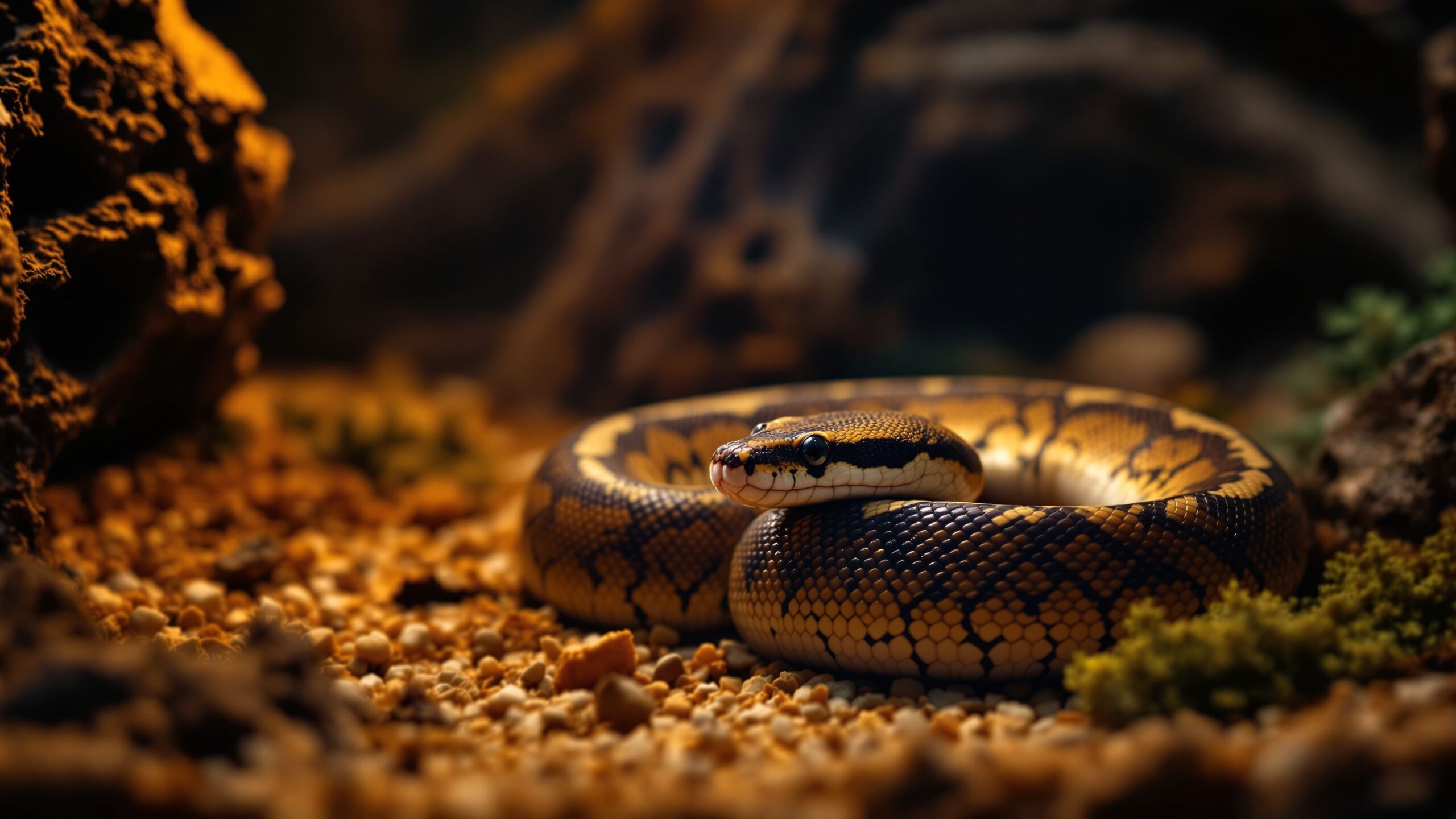
Bringing home a baby ball python is an exciting and rewarding experience, especially for first-time snake owners. Known scientifically as Ball python, these snakes are famous for their calm temperament, manageable size, and beautiful patterns. Their name comes from their natural defensive behavior of curling into a tight ball when they feel threatened, a trait that makes them less intimidating than many other snake species. Despite their reputation as beginner-friendly reptiles, baby ball pythons require specific environmental conditions and consistent care to thrive. Understanding their unique needs from the start will help you build confidence as an owner and ensure your snake grows into a healthy, well-adjusted adult.
A: They eat appropriately sized rodents, usually frozen-thawed mice or rats.
A: Typically every 5–7 days, depending on size and appetite.
A: They need a warm side for digestion and a cooler side for regulation.
A: Very important—proper humidity helps prevent shedding problems and dehydration.
A: Stress, shedding, temperature issues, or recent relocation can all affect appetite.
A: It’s best to let it settle in first before starting short, gentle handling sessions.
A: Coconut fiber, cypress mulch, or paper-based bedding works well for maintaining humidity.
A: It’s not required, but proper heating and a day/night cycle are essential.
A: Look for clear eyes, smooth scales, steady movement, and consistent feeding behavior.
A: Seek a vet for weight loss, breathing issues, stuck shed, refusal to eat long-term, or unusual behavior.
Understanding Baby Ball Python Behavior
Baby ball pythons are naturally shy and secretive creatures. In the wild, they spend much of their time hidden in burrows or under cover, emerging mainly at night to hunt. This nocturnal lifestyle means your snake will likely be most active during the evening hours. It is completely normal for a baby ball python to spend long periods hidden, especially when adjusting to a new environment. This behavior is not a sign of illness but rather an instinctive way of feeling safe.
You may notice your snake exploring its enclosure at night, flicking its tongue to sense its surroundings. This tongue flicking is a key part of how snakes gather information about their environment. Over time, as your python becomes more comfortable, it may begin to show curiosity when you approach the enclosure. Patience is essential during this phase, as forcing interaction too soon can lead to stress.
Creating the Perfect Enclosure
A well-designed enclosure is the foundation of proper ball python care. For a baby, a 10 to 20-gallon enclosure is suitable, though it is important to plan for a larger habitat as your snake grows. The enclosure should provide a secure, escape-proof environment with enough space for movement while still offering a sense of security.
Temperature control is one of the most critical aspects of setup. The warm side of the enclosure should range between 88 and 92 degrees Fahrenheit, while the cooler side should stay between 75 and 80 degrees. This temperature gradient allows your snake to regulate its body temperature naturally. A heat source such as an under-tank heating pad or heat emitter is commonly used, and it should always be regulated with a thermostat to prevent overheating.
Humidity is equally important for ball pythons. The enclosure should maintain humidity levels between 50 and 70 percent, with slightly higher levels during shedding periods. This can be achieved by using appropriate substrate, misting lightly when needed, and providing a humid hide. The enclosure should also include at least two hiding spots, one on the warm side and one on the cool side, to give your snake a sense of security in both temperature zones.
Choosing the Right Substrate and Decor
Substrate plays a key role in maintaining humidity and providing comfort. Materials such as coconut fiber, cypress mulch, or reptile-safe bark are excellent choices because they help retain moisture without becoming overly wet. Avoid substrates that are too dry or dusty, as they can cause respiratory irritation.
Decorations should mimic a natural environment while prioritizing safety. Branches, logs, and artificial plants can create a visually appealing and enriching habitat. These elements encourage natural behaviors like exploring and hiding. However, it is important to ensure that all decor is stable and cannot collapse or injure your snake.
Feeding Your Baby Ball Python
Feeding is one of the most important aspects of caring for a baby ball python. These snakes are carnivorous and typically eat appropriately sized rodents, such as pinky or fuzzy mice, depending on their size. The prey item should be no larger than the widest part of the snake’s body to ensure safe digestion.
Baby ball pythons are usually fed once every five to seven days. Consistency is key, and feeding should take place in a calm, quiet environment to reduce stress. Many owners choose to feed pre-killed or frozen-thawed prey, which is safer and more humane than live feeding. It also reduces the risk of injury to the snake.
It is not uncommon for ball pythons to occasionally refuse food, especially during times of stress or shedding. This behavior can be concerning for beginners, but short periods of fasting are generally normal as long as the snake maintains a healthy body condition. Monitoring weight and overall behavior is more important than focusing on a single missed meal.
The Importance of Heat and Humidity
Heat and humidity are the backbone of ball python health. Without proper warmth, digestion becomes inefficient, which can lead to regurgitation or illness. A consistent heat source ensures that your snake can properly metabolize food and maintain energy levels.
Humidity supports healthy skin and proper shedding. If humidity is too low, your snake may experience incomplete sheds, where patches of old skin remain attached. This can lead to complications if not addressed. Maintaining a stable humidity level, along with providing a humid hide, helps prevent these issues and supports overall well-being.
Monitoring both temperature and humidity with accurate tools is essential. Digital thermometers and hygrometers provide reliable readings, allowing you to make adjustments as needed. Stability is key, as sudden changes can stress your snake and impact its health.
Handling and Building Trust
Handling a baby ball python requires patience and gentle care. When you first bring your snake home, it is best to allow it at least a week to acclimate before attempting to handle it. This adjustment period helps reduce stress and allows the snake to become familiar with its new environment.
When you begin handling, approach slowly and confidently, supporting the snake’s body fully. Avoid sudden movements, as these can startle your python. Short handling sessions are ideal at first, gradually increasing in duration as your snake becomes more comfortable.
Ball pythons are generally known for their calm temperament, and with consistent, gentle handling, they often become very tolerant of human interaction. However, it is important to avoid handling immediately after feeding, as this can interfere with digestion and cause discomfort.
Shedding and Growth
Shedding is a natural and essential process for baby ball pythons as they grow. Before shedding, the snake’s skin may appear dull, and its eyes may take on a cloudy or bluish appearance. This stage, often called “in blue,” indicates that shedding will occur soon.
During this time, your snake may become more reclusive and may refuse food. This is normal behavior and should not be a cause for concern. Once shedding begins, the snake will typically remove its skin in one complete piece. Proper humidity is crucial during this process to ensure a clean, complete shed.
As your baby ball python grows, you will notice gradual increases in size and changes in feeding requirements. Growth may seem slow compared to other reptiles, but with proper care, your snake will steadily develop into a healthy adult.
Common Health Concerns
Monitoring your baby ball python’s health is an important part of responsible ownership. A healthy snake will have clear eyes, smooth skin, and steady movement. It should maintain a consistent feeding schedule and show normal exploratory behavior during its active periods.
Common health concerns include respiratory infections, often caused by low temperatures or excessive humidity, and incomplete shedding due to insufficient moisture. Mites are another potential issue and can be identified by small black specks on the skin or in the enclosure.
Regular observation allows you to detect changes early and address potential problems before they become serious. Establishing a relationship with a reptile veterinarian ensures that professional care is available if needed.
Creating a Daily Care Routine
Consistency is key to successful ball python care. A daily routine helps maintain a stable environment and ensures that all aspects of care are addressed. Each day should include checking temperatures and humidity levels, ensuring the enclosure is clean, and observing your snake’s behavior.
Feeding should occur on a regular schedule, and water should be refreshed frequently. Weekly tasks may include spot cleaning, inspecting equipment, and making adjustments to the enclosure as needed. Over time, these routines become simple habits that support a healthy and stress-free environment.
Preparing for the Future
Caring for a baby ball python is a long-term commitment. As your snake grows, its enclosure will need to be upgraded to provide more space and comfort. Adult ball pythons typically require enclosures of at least 40 gallons or larger, depending on their size.
Feeding schedules will also change, with adults eating less frequently but consuming larger prey. Planning ahead ensures a smooth transition and helps you avoid unnecessary stress. Watching your snake grow and develop over time is one of the most rewarding aspects of ownership.
Final Thoughts on Raising a Healthy Baby Ball Python
Raising a baby ball python is a rewarding journey that combines patience, consistency, and a deep appreciation for reptile behavior. These snakes offer a calm and manageable introduction to reptile ownership while still providing fascinating insights into the natural world. By focusing on proper enclosure setup, consistent feeding, stable heat and humidity, and gentle handling, first-time owners can successfully raise a healthy and thriving snake. With dedication and care, your baby ball python will grow into a confident and resilient companion that brings years of quiet fascination and enjoyment.
Pet Product Reviews
Explore Duffy Street’s Pet Product Reviews! Sniff out the top-rated toys, treats, gear, and gadgets for your pets with our fun, easy-to-read comparisons. We’ve done the digging so you can find the perfect products for your pet friends!