
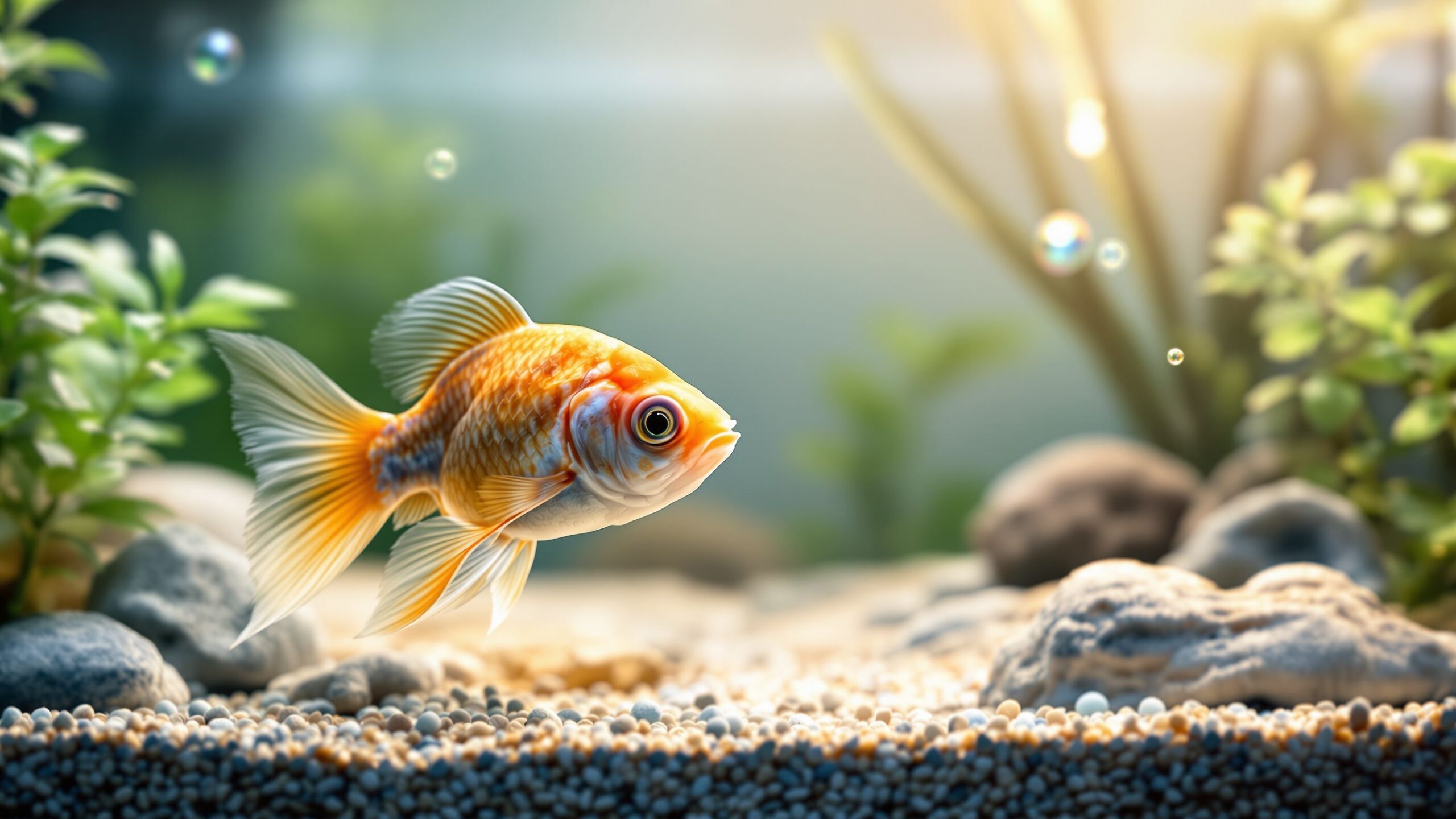
Fish age far more quietly than dogs or cats. There is no gray muzzle, no sudden slowdown that announces old age overnight. Instead, aging in fish happens gradually, through subtle shifts in behavior, movement, appetite, and appearance. Many aquarists mistake these changes for illness or temporary stress when they are actually natural signs of aging. Learning to recognize senior fish early allows you to adjust care, reduce stress, and dramatically improve quality of life during the later years of a fish’s lifespan. Understanding fish aging is especially important because different species age at very different rates. Some livebearers may show senior traits within two to three years, while goldfish, koi, and certain cichlids can live for decades. Recognizing aging early helps you support comfort, health, and longevity rather than reacting only when problems become severe.
A: Compare to its usual baseline—aging shows a steady shift toward more resting, slower swimming, and slower feeding over time.
A: Often yes—softer, smaller foods and targeted feeding help seniors maintain weight without fighting tankmates.
A: Many do better with smaller, more frequent changes to avoid big swings that stress aging bodies.
A: Target feed with a baster, feed in multiple zones, or offer a quiet “second meal” after lights dim.
A: Not always—gradual cloudiness can happen with age, but sudden or severe clouding may indicate infection or injury.
A: Only if it’s being bullied, can’t eat, or needs calmer conditions—many seniors do fine with gentle tankmates and good cover.
A: You can improve quality of life—stable water, appropriate diet, low stress, and compatible tankmates make the biggest difference.
A: Seniors have less “buffer” against stress—test water first, check for bullying, and consider illness if changes are rapid.
A: Often yes—more resting and less roaming is a common aging pattern, especially in active species.
A: Make life gentle: stable temperature, stable water, calm flow, and feeding methods that keep them from getting left behind.
What “Old Age” Means for Fish
Old age in fish is not defined by a single number. Genetics, species, tank conditions, diet, and stress levels all influence how quickly a fish ages. A well-cared-for fish may remain active and vibrant far longer than one exposed to poor water quality or chronic stress. Aging is best understood as a gradual decline in resilience rather than a sudden loss of function.
Senior fish are not necessarily sick. They are simply less adaptable. Changes that a younger fish could easily tolerate, such as minor temperature shifts or brief water quality fluctuations, can be far more taxing for an older fish. This reduced margin for error is the core challenge of caring for aging aquarium fish.
Slower Movement and Reduced Energy
One of the earliest and most common signs of aging in fish is a noticeable reduction in activity. Senior fish often swim more slowly, take longer to respond during feeding time, and rest more frequently. You may notice them hovering in one area of the tank or choosing calmer zones rather than actively exploring.
This slowdown is not laziness or illness by default. Muscle strength and stamina naturally decline with age, just as they do in other animals. The key distinction is consistency. If a fish gradually becomes slower over months rather than days, aging is a likely factor.
Changes in Appetite and Feeding Behavior
As fish age, their metabolism often slows. Senior fish may eat less enthusiastically, take longer to finish meals, or show less interest in food altogether. Some older fish still approach food eagerly but struggle to compete with faster tankmates.
This change can easily be misinterpreted as sickness. However, aging fish often benefit from smaller, more frequent meals and highly digestible foods. Difficulty eating or reduced appetite becomes concerning only when paired with rapid weight loss or complete refusal to eat.
Weight Loss or Changes in Body Shape
Aging fish may appear thinner even when eating regularly. Muscle mass naturally decreases over time, and older fish may lose fullness along the body or near the dorsal area. In some species, this gives the fish a more angular or bony appearance.
Unlike illness-related wasting, age-related weight loss tends to happen slowly. Sudden or severe emaciation usually points to disease or parasites rather than aging alone. Monitoring gradual changes over time is essential for accurate interpretation.
Duller Coloration and Fading Patterns
Color vibrancy is often associated with youth, health, and strong metabolism. As fish age, pigments may become less intense. Bright reds, blues, or yellows may soften, and contrast patterns may appear muted. This is especially noticeable in species known for vivid coloration.
While stress and poor diet can also cause color fading, age-related changes are gradual and persistent. Maintaining excellent nutrition and stable conditions can slow this process but will not completely prevent it.
Frayed or Slower-Healing Fins
Older fish often show minor fin wear that heals more slowly than it once did. Small tears or frayed edges may linger longer, even in clean water. Regenerative ability declines with age, making senior fish more vulnerable to damage from strong currents, rough décor, or fin-nipping tankmates.
This is why aging fish often do better in calmer environments with gentle flow and peaceful companions. What once healed quickly may now require ideal conditions and time.
Increased Resting and Hiding
Senior fish often spend more time resting or hiding than they did when younger. You may notice them choosing sheltered spots, hovering near plants, or resting on the substrate if their species allows it. This behavior reflects energy conservation rather than fear.
However, excessive hiding combined with loss of appetite or labored breathing may indicate illness. Aging-related resting is typically calm and unaccompanied by signs of distress.
Reduced Tolerance for Stress
One of the most important signs of aging is reduced stress tolerance. Older fish may react more strongly to changes in lighting, tank mates, water parameters, or maintenance routines. Situations they once handled easily may now cause visible stress responses such as clamped fins, rapid breathing, or withdrawal.
This increased sensitivity means consistency becomes more important as fish age. Stable routines and gentle changes help senior fish remain comfortable and healthy.
Declining Vision or Sensory Awareness
Some aging fish show signs of reduced vision or slower response to stimuli. They may miss food more often, bump lightly into décor, or respond later to movement outside the tank. This sensory decline is subtle and often overlooked.
Accommodating reduced vision may involve feeding in the same area consistently or using foods with stronger scent cues so older fish can locate meals more easily.
Breathing Changes and Gill Efficiency
As fish age, gill efficiency may decline slightly. Older fish may breathe a bit more slowly at rest but recover more slowly from exertion. In some cases, they may appear to breathe more heavily after feeding or activity.
This makes excellent oxygenation and clean water especially important. Even mild ammonia or nitrite presence can be far more harmful to senior fish than to younger ones.
Increased Susceptibility to Disease
Aging fish often have weaker immune systems. They may become more prone to infections, parasites, or fungal issues that younger fish resist. Illness may also take longer to resolve, even with treatment.
Preventative care becomes critical at this stage. Stable water parameters, reduced stress, and careful observation help prevent minor issues from becoming serious health problems.
Changes in Social Behavior
Some senior fish become less dominant, retreating from social hierarchies they once held. Others may become more irritable or defensive as physical decline makes them feel vulnerable. Social shifts are common and depend heavily on species and tank dynamics.
Monitoring interactions becomes important to ensure older fish are not bullied or excluded from feeding opportunities.
Adjusting Care for Senior Fish
Recognizing aging early allows you to adapt care before problems arise. Gentle filtration, softer flow, and stable temperatures reduce physical strain. Feeding smaller, nutrient-dense meals supports digestion without overloading the system. Rearranging décor to reduce sharp edges or high-energy zones can prevent injury.
In community tanks, it may become necessary to separate or rehome aggressive tankmates to protect senior fish. A calm environment dramatically improves comfort and longevity.
The Role of Water Quality in Aging Fish
Water quality matters at every life stage, but it becomes absolutely critical for older fish. Senior fish have less tolerance for ammonia, nitrite, nitrate spikes, and pH swings. Regular, consistent water changes are far better than large, infrequent ones.
Clean, stable water is one of the most powerful tools for extending the healthy lifespan of aging fish.
Knowing When Aging Is Normal and When It’s Not
Distinguishing aging from illness requires observation and patience. Aging changes happen slowly and steadily. Illness often appears suddenly and worsens quickly. If changes occur over weeks or months with no other distress signs, aging is likely the cause.
When in doubt, testing water parameters and reviewing recent changes often provides clarity before assuming disease.
Quality of Life Over Quantity of Years
Caring for senior fish shifts the focus from growth and vibrancy to comfort and stability. An aging fish that eats well, swims calmly, and shows relaxed behavior is thriving, even if it moves more slowly or displays muted colors.
Supporting quality of life means adjusting expectations and celebrating longevity rather than chasing youthful behavior.
Aging as a Natural and Respectable Stage
Fish aging is not a failure of care. It is often the result of doing things right for many years. Recognizing senior fish early is a sign of an attentive, experienced aquarist who understands that every life stage has different needs.
By observing carefully and adapting thoughtfully, you can give aging fish a peaceful, dignified later life in the aquarium they have called home for years.
Helping Senior Fish Thrive, Not Just Survive
Aging fish deserve the same level of care and respect as younger ones, just expressed differently. Gentle environments, consistent routines, and attentive observation allow senior fish to remain comfortable and engaged long after their youthful peak.
Recognizing the signs of aging early transforms fishkeeping from reactive problem-solving into compassionate stewardship. When you understand aging, you give your fish the greatest gift possible: a long life that ends in comfort, stability, and calm rather than stress or neglect.
Pet Product Reviews
Explore Duffy Street’s Pet Product Reviews! Sniff out the top-rated toys, treats, gear, and gadgets for your pets with our fun, easy-to-read comparisons. We’ve done the digging so you can find the perfect products for your pet friends!

