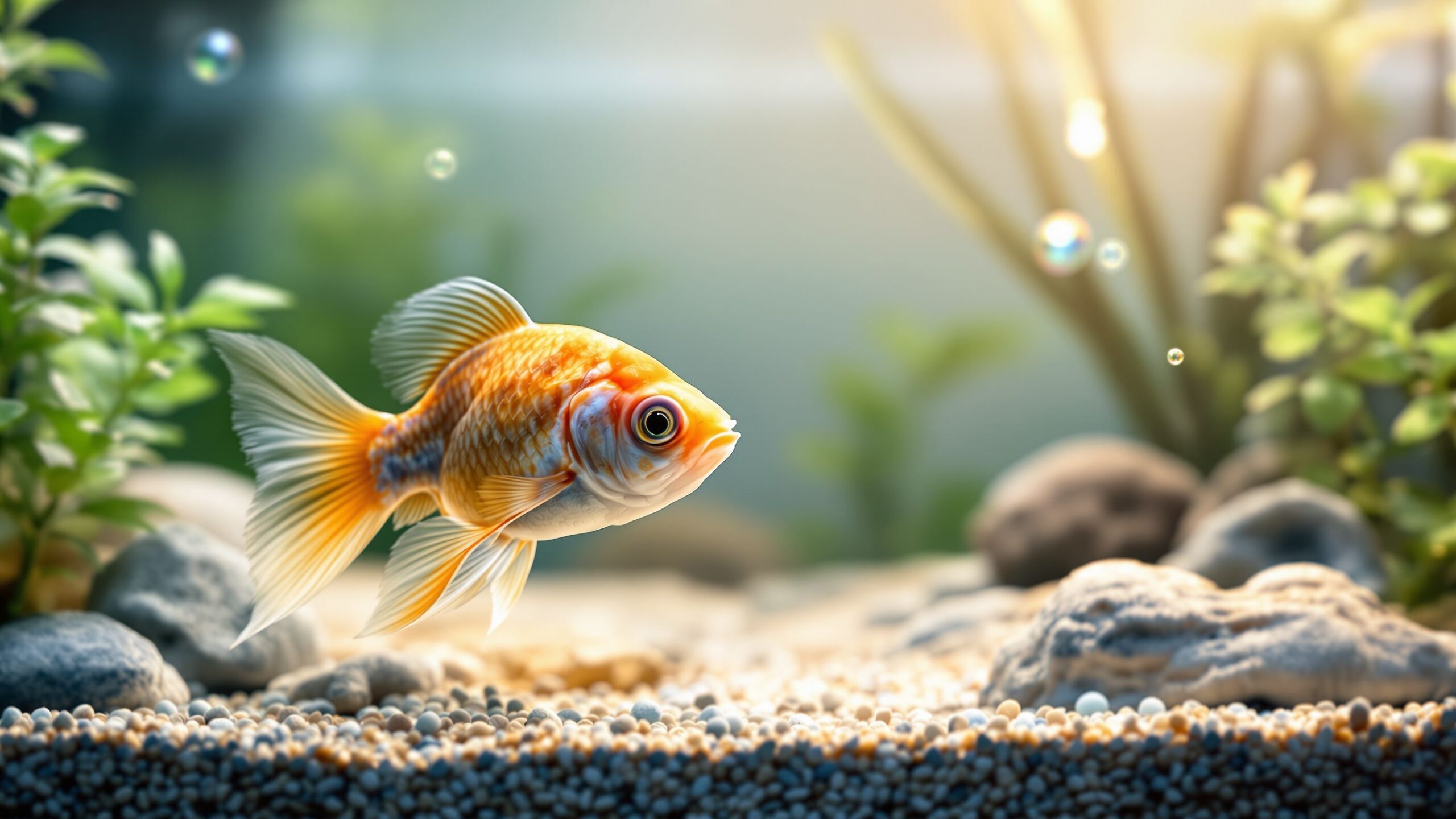
As aquarium fish grow older, their needs change in ways that are easy to miss if you are not looking closely. Aging in fish is subtle and gradual, but it affects everything from energy levels and digestion to stress tolerance and immune strength. Many fish that appear to “suddenly decline” are actually experiencing normal age-related changes that were not recognized early enough. Caring for aging fish is less about drastic intervention and more about thoughtful adjustments that prioritize comfort, stability, and long-term well-being. Senior fish can continue to live fulfilling, healthy lives when their environment evolves with them. Understanding how aging impacts fish allows you to adapt tank care before small challenges become serious problems.
A: As soon as you notice gradual slowing, feeding difficulty, or increased sensitivity—early changes help most.
A: Often yes—smaller portions of higher-quality food are better than large meals.
A: Only if they’re bullied, can’t eat, or need calmer conditions—many do well staying in familiar environments.
A: Large changes can be—smaller, more frequent changes are usually gentler.
A: Aging is gradual; illness causes rapid changes—always test water first.
A: You can often improve comfort and stability, extending quality time.
A: Yes, but carefully—dose accurately and reduce stress wherever possible.
A: Instability—sudden changes in water, temperature, or social structure.
A: Typically yes—more resting and less roaming is common.
A: Keep everything steady: water, temperature, feeding, and tankmates.
Understanding Aging in Aquarium Fish
Aging in fish is a natural biological process influenced by species, genetics, tank size, water quality, diet, and stress exposure over time. Some fish show senior traits within a few years, while others remain active for decades. Aging does not mean illness, but it does mean reduced resilience. Older fish recover more slowly from stress, tolerate change less easily, and may struggle in environments that once felt effortless.
Recognizing aging as a life stage rather than a problem shifts the goal of care. Instead of maximizing growth or color intensity, the focus becomes maintaining comfort, stability, and quality of life.
Prioritizing Water Stability Over Perfection
Water quality matters at every age, but it becomes critical as fish grow older. Senior fish are far less tolerant of ammonia, nitrite, nitrate spikes, and sudden pH changes. Even levels that younger fish survive without issue can cause stress or illness in aging fish.
Consistency matters more than chasing ideal numbers. Smaller, more frequent water changes help keep parameters stable without shocking the system. Gentle maintenance routines reduce stress while preserving beneficial bacteria. For aging fish, stability is the foundation of health.
Adjusting Filtration and Water Flow
Strong currents that once encouraged activity may become exhausting for older fish. Aging muscles and fins tire more quickly, making constant swimming against heavy flow stressful. Adjusting filter output or redirecting flow can dramatically improve comfort.
Gentle, well-oxygenated circulation is ideal for senior fish. The goal is clean, oxygen-rich water without forcing fish to fight the current. Sponge filters or diffused outlets often work well in tanks with aging inhabitants.
Adapting Feeding for Slower Metabolism
As fish age, metabolism typically slows. Older fish often need fewer calories but higher-quality nutrition. Overfeeding senior fish can lead to obesity, digestive issues, and fatty organ disease, even if they appear eager to eat.
Smaller portions of easily digestible, nutrient-dense food support health without overloading the system. Feeding once per day or splitting meals into smaller portions can reduce digestive strain. Softened foods, slow-sinking options, and consistent feeding locations help older fish that may struggle to compete.
Supporting Weaker Immune Systems
Aging fish often have less robust immune responses, making prevention more important than treatment. Excellent water quality, low stress, and proper nutrition are the most effective immune support strategies.
Avoid sudden changes in temperature, lighting schedules, or tank layout. Quarantining new fish becomes even more important when senior fish are present, as older fish are more vulnerable to introduced pathogens.
Creating a Low-Stress Environment
Stress accelerates aging and worsens age-related decline. As fish get older, their tolerance for aggressive tankmates, loud surroundings, and frequent disruptions decreases. What once caused mild irritation may now result in chronic stress.
Ensuring peaceful tank mates, predictable routines, and a calm environment greatly improves senior fish comfort. In some cases, rehoming aggressive fish or creating a species-focused tank may be the kindest long-term decision.
Modifying Aquascape for Safety and Comfort
Tank décor that posed no risk to younger fish can become hazardous to older ones. Reduced agility and slower reaction times increase the risk of injury. Sharp edges, narrow crevices, and high-energy zones should be minimized.
Providing smooth hiding spots, gentle slopes, and easily accessible resting areas helps senior fish conserve energy. Plants and décor that break lines of sight also reduce social stress and allow aging fish to retreat comfortably.
Managing Social Dynamics as Fish Age
Social hierarchies often change as fish grow older. Formerly dominant fish may lose status, while others may become more aggressive toward weaker tankmates. Aging fish may struggle to compete for food or territory.
Monitoring interactions closely allows you to intervene early. Feeding in multiple locations, adjusting stocking levels, or separating incompatible fish can prevent bullying and ensure senior fish receive adequate nutrition and rest.
Adjusting Lighting for Aging Fish
Vision may decline slightly with age, and intense lighting can become stressful. Gradual light transitions and moderate brightness help aging fish navigate the tank comfortably.
Maintaining consistent day-night cycles supports natural rhythms and reduces anxiety. Sudden lighting changes should be avoided, especially in tanks with senior fish.
Recognizing Normal Aging vs Illness
One of the most important skills in caring for aging fish is distinguishing normal age-related changes from disease. Aging symptoms develop slowly and steadily, such as gradual slowdown, mild color fading, or increased resting. Illness often appears suddenly and worsens rapidly.
When changes occur, testing water parameters should always be the first step. Stable water combined with slow, consistent changes usually points to aging rather than disease.
Adjusting Maintenance Routines Thoughtfully
As fish age, maintenance routines should become gentler rather than more aggressive. Avoid large, infrequent water changes that cause sudden shifts. Clean filters carefully to preserve beneficial bacteria and avoid deep substrate disturbances unless necessary.
Predictability reduces stress. Performing maintenance on a consistent schedule helps senior fish adapt without anxiety.
Temperature Stability and Aging Fish
Older fish are more sensitive to temperature fluctuations. Even small swings can affect metabolism, digestion, and immune function. Ensuring heaters are reliable and properly sized is especially important in tanks with aging fish.
Stable temperatures within the species’ preferred range support comfort and reduce physiological stress.
Preparing for End-of-Life Care
Caring for aging fish also means preparing emotionally and practically for end-of-life stages. Senior fish may slow significantly, eat less, and rest more as they approach the end of their lifespan. Comfort, calm, and stability become the primary goals.
Avoid unnecessary interventions unless the fish shows signs of distress. In many cases, maintaining a peaceful environment is the most compassionate approach.
The Emotional Side of Caring for Senior Fish
Long-lived fish often become familiar presences, and watching them age can be emotionally challenging. Recognizing that aging is a sign of successful long-term care helps reframe the experience. Senior fish represent years of proper husbandry and commitment.
Providing comfort and dignity in later life is one of the most meaningful aspects of fishkeeping.
Quality of Life Comes First
Caring for aging fish is about maximizing comfort rather than chasing youthful behavior. A senior fish that eats calmly, rests comfortably, and shows relaxed movement is thriving, even if it swims more slowly or displays muted colors.
Adjusting care as fish age ensures they remain safe, comfortable, and respected throughout their lives.
Aging Fish as a Sign of Good Fishkeeping
Fish only reach old age when they are cared for properly over time. Aging fish are not a failure of care but a reflection of long-term success. By adapting tank conditions thoughtfully, you honor the life of the fish and the ecosystem you have built together.
Caring for aging fish deepens understanding, patience, and compassion. It transforms fishkeeping from routine maintenance into stewardship, ensuring that fish are supported through every stage of life with stability, respect, and care.
Pet Product Reviews
Explore Duffy Street’s Pet Product Reviews! Sniff out the top-rated toys, treats, gear, and gadgets for your pets with our fun, easy-to-read comparisons. We’ve done the digging so you can find the perfect products for your pet friends!