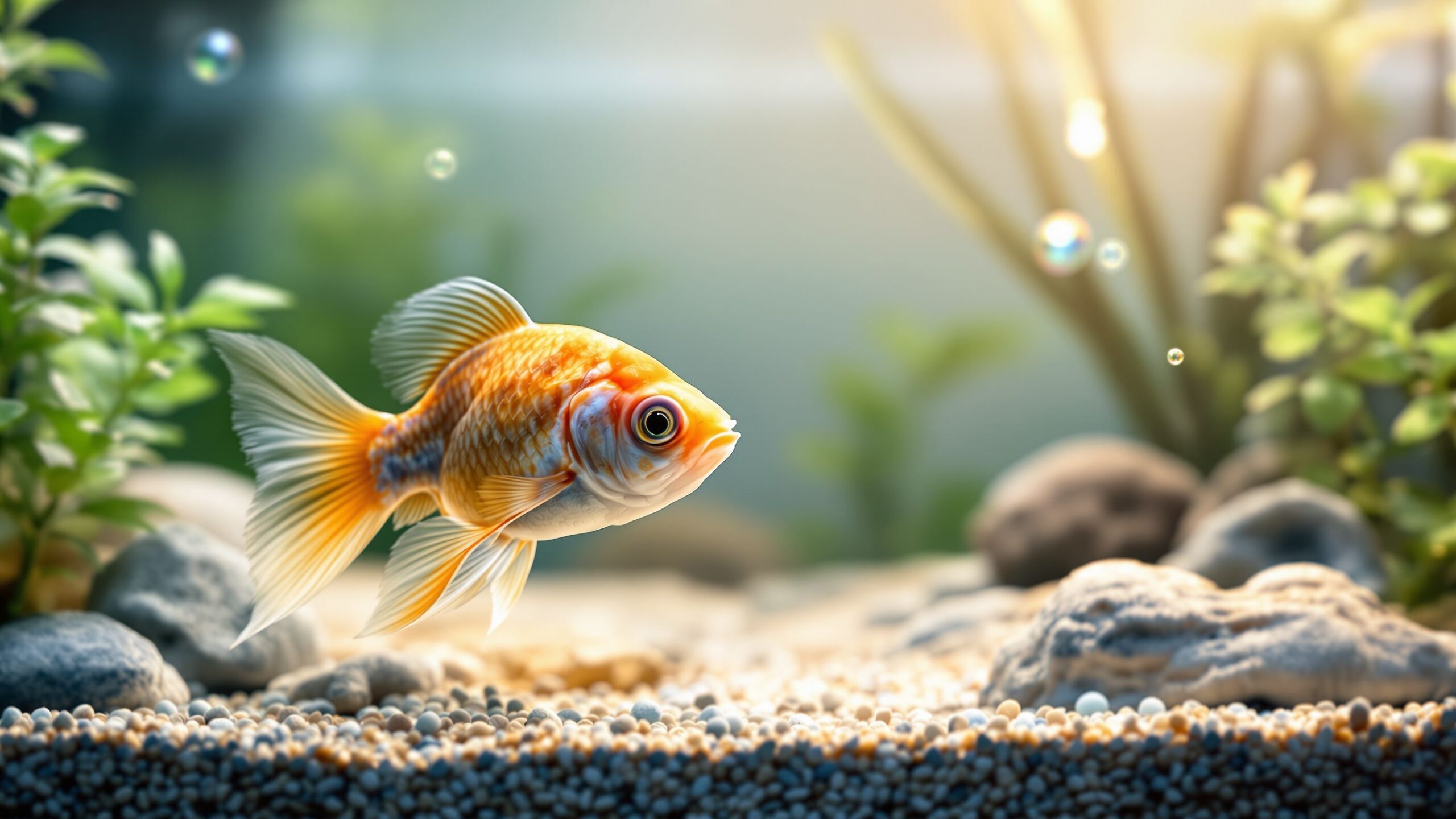
One of the most common questions new and experienced aquarists alike ask is how long freshwater fish actually live. Many people are surprised to learn that fish lifespans are often far longer than expected, while others are disappointed when fish pass away much sooner than advertised. The gap between real lifespans and expectations is usually not caused by bad luck, but by misunderstandings about species needs, environment, and long-term care. Knowing what lifespan is realistic for each type of fish helps set proper expectations and encourages better husbandry from the very beginning. Fish longevity is shaped by genetics, species, tank size, water quality, diet, stress levels, and social conditions. When these factors align, freshwater fish can live surprisingly long lives. When they do not, even hardy species may only survive a fraction of their potential lifespan.
A: The most common causes are cycling issues, stress from compatibility problems, and unstable water—test results and routines usually reveal the cause.
A: Yes—many species exceed averages with stable water, proper space, good diet variety, and low stress.
A: Very often, yes—more water volume means more stability, fewer spikes, and less constant stress.
A: Frequently—plants reduce stress, improve water stability, and create natural shelter, which supports long-term health.
A: It can happen—some are sold already mature, and hidden stress can shorten life; tracking routines helps close the gap.
A: It’s usually gradual: slowing down, eating less, aging signs over time, and no obvious water quality issues or disease outbreak.
A: Many do compared to goldfish or catfish—genetics, breeding intensity, and stress can make that even shorter.
A: Some do, some don’t—plecos and many catfish can be long-lived, while many shrimp and small snails have shorter lifespans.
A: Stabilize: consistent water changes, proper filtration, appropriate stocking, and a solid staple diet with variety.
A: That a fish’s lifespan is “fixed”—in aquariums, stability and stress level heavily influence how close you get to the species potential.
Why Fish Lifespans Are Often Misunderstood
Many aquarium fish are sold young, sometimes only weeks old, which makes their eventual lifespan feel shorter than it truly is. Additionally, store labels often list “average” lifespans under ideal conditions, not what typically happens in beginner setups. Marketing, misinformation, and outdated care practices also contribute to unrealistic expectations.
Another major factor is survivorship bias. Fish that die early are often assumed to have reached their natural lifespan when, in reality, environmental stress shortened their lives. Understanding the difference between potential lifespan and common outcomes is essential for responsible fishkeeping.
The Difference Between Potential and Actual Lifespan
Every fish species has a genetically determined potential lifespan, assuming ideal conditions. Actual lifespan is what most fish experience in captivity. The difference between the two can be dramatic. A fish capable of living ten years may only survive two or three in a poorly maintained tank.
Potential lifespan is reached when water quality is stable, diet is appropriate, tank size is sufficient, and stress is minimized. Actual lifespan is shortened by overcrowding, overfeeding, inconsistent maintenance, incompatible tankmates, and poor water parameters. Most fish deaths are environmental, not inevitable.
Small Community Fish Lifespans
Many popular community fish are small species with relatively short but still meaningful lifespans. Tetras, rasboras, danios, guppies, and platies typically live three to five years under good care. Livebearers often age faster due to rapid reproduction and higher metabolic rates, especially females that breed frequently.
When these fish die within one year, it is usually not normal aging. Shortened lifespans are often linked to poor water quality, stress, or genetic issues from mass breeding. With stable conditions and proper stocking, small community fish can reach or exceed their expected lifespan.
Goldfish Lifespan Expectations vs Reality
Goldfish are among the most misunderstood freshwater fish when it comes to longevity. Many people expect goldfish to live only a few years because they are commonly kept in bowls or small tanks. In reality, goldfish can live ten to twenty years, and some varieties even longer, when housed properly.
The biggest factor limiting goldfish lifespan is tank size. Goldfish produce large amounts of waste and require spacious, well-filtered aquariums or ponds. Poor living conditions drastically shorten their lives, creating the false impression that goldfish are short-lived pets.
Cichlids and Long-Lived Freshwater Fish
Cichlids are known for intelligence, personality, and comparatively long lifespans. Many African and South American cichlids live eight to fifteen years when properly cared for. Larger species such as oscars can live well over a decade and sometimes reach twenty years in ideal conditions.
Aggression, overcrowding, and poor water quality are the primary lifespan reducers for cichlids. Because they are hardy, they may survive suboptimal conditions for years, but this survival often comes at the cost of shortened lifespan and chronic stress.
Catfish and Bottom Dwellers
Corydoras catfish typically live five to ten years, with some individuals reaching their teens. Plecos vary widely by species. Small bristlenose plecos may live ten to fifteen years, while common plecos can live several decades and grow extremely large.
Bottom dwellers are often overlooked during feeding and maintenance, which can shorten their lives. Inadequate food access, poor substrate choice, and insufficient oxygenation disproportionately affect these species.
Bettas and Solitary Fish
Bettas are often believed to live only two to three years, but with proper care they can reach five years or more. Short lifespans are commonly the result of poor genetics, cold water, small containers, or chronic stress rather than natural aging.
Because bettas are often kept alone, changes in behavior due to aging may be more noticeable. Proper heating, gentle filtration, and high-quality diets significantly improve longevity.
Tank Size and Its Direct Impact on Lifespan
Tank size is one of the strongest predictors of how long fish live. Larger tanks dilute waste, stabilize temperature, and reduce stress. Fish kept in tanks too small for their species experience chronic stress that slowly weakens immune systems and organ function.
A fish surviving in a small tank is not the same as thriving. Long-term health and longevity depend on having adequate space to swim, establish territory, and exhibit natural behavior.
Water Quality and Longevity
Clean, stable water is the single most important factor in fish lifespan. Chronic exposure to low levels of ammonia, nitrite, or high nitrate does not always cause immediate death, but it significantly shortens life expectancy. Fish may appear fine for years while internal damage accumulates.
Regular water changes, proper filtration, and consistent testing dramatically increase lifespan. Stability matters more than chasing perfect numbers.
Diet and Its Role in Aging
Nutrition plays a major role in how long fish live. Poor-quality foods lead to obesity, fatty liver disease, weakened immunity, and shortened lifespan. Overfeeding is especially damaging over time, even if fish appear healthy.
A varied, species-appropriate diet fed in controlled portions supports longevity by reducing metabolic strain and maintaining organ health. Feeding less, but better, is one of the most effective lifespan-extending practices.
Stress as a Silent Lifespan Killer
Stress is often invisible but incredibly damaging. Aggressive tankmates, constant chasing, loud environments, inconsistent lighting, and frequent tank disruptions all contribute to chronic stress. Over time, stress suppresses immune function and accelerates aging.
Peaceful community planning, proper aquascaping, and predictable routines reduce stress and extend life expectancy.
Genetics and Selective Breeding
Genetics influence lifespan more than many aquarists realize. Mass-bred fish may have shorter lifespans due to inbreeding and poor early conditions. Wild-caught or responsibly bred fish often live longer due to stronger genetic diversity.
While genetics cannot be changed, excellent care can still maximize the lifespan potential of most fish.
Why Fish Often Die “Suddenly”
Many fish deaths appear sudden but are actually the result of long-term decline. Internal organ failure, weakened immunity, and cumulative stress may go unnoticed until a fish can no longer compensate. By the time visible symptoms appear, aging or damage may already be advanced.
Understanding this helps aquarists avoid blaming themselves unfairly while still learning how to improve care moving forward.
Setting Realistic Expectations as a Fish Keeper
Knowing realistic lifespans helps prevent disappointment and encourages long-term commitment. Fish are not short-term decorations but living animals with multi-year, and sometimes multi-decade, lifespans.
Planning for longevity means choosing species that fit your space, lifestyle, and willingness to maintain consistent care over many years.
Helping Fish Reach Their Full Lifespan Potential
Fish reach their longest lifespans when care focuses on prevention rather than reaction. Stable water, appropriate tank size, proper diet, low stress, and thoughtful stocking all work together to support long life.
Longevity is rarely about advanced equipment or expensive products. It is about consistency and respect for biological needs.
When Short Lifespans Are Truly Normal
Some species naturally live short lives, even under ideal conditions. Annual killifish, for example, may only live one to two years. In these cases, short lifespan is not a failure of care but a natural life cycle.
Understanding species-specific expectations prevents unnecessary guilt and allows aquarists to appreciate each life stage fully.
Measuring Success Beyond Years Lived
While lifespan matters, quality of life matters just as much. A fish that lives slightly fewer years but experiences low stress, proper nutrition, and a stable environment has lived well. Longevity and comfort should always go hand in hand.
Fishkeeping success is not measured only by how long fish live, but by how well they live.
Realistic Lifespans Lead to Better Fishkeeping
Understanding real freshwater fish lifespans transforms expectations and improves care. When aquarists recognize that many fish can live far longer than assumed, they approach stocking, maintenance, and daily routines with greater intention.
By aligning expectations with reality, fishkeeping becomes a long-term relationship rather than a short-term experiment. When fish are given the right conditions, they often surprise their keepers by living full, healthy lives that far exceed initial assumptions.
Pet Product Reviews
Explore Duffy Street’s Pet Product Reviews! Sniff out the top-rated toys, treats, gear, and gadgets for your pets with our fun, easy-to-read comparisons. We’ve done the digging so you can find the perfect products for your pet friends!