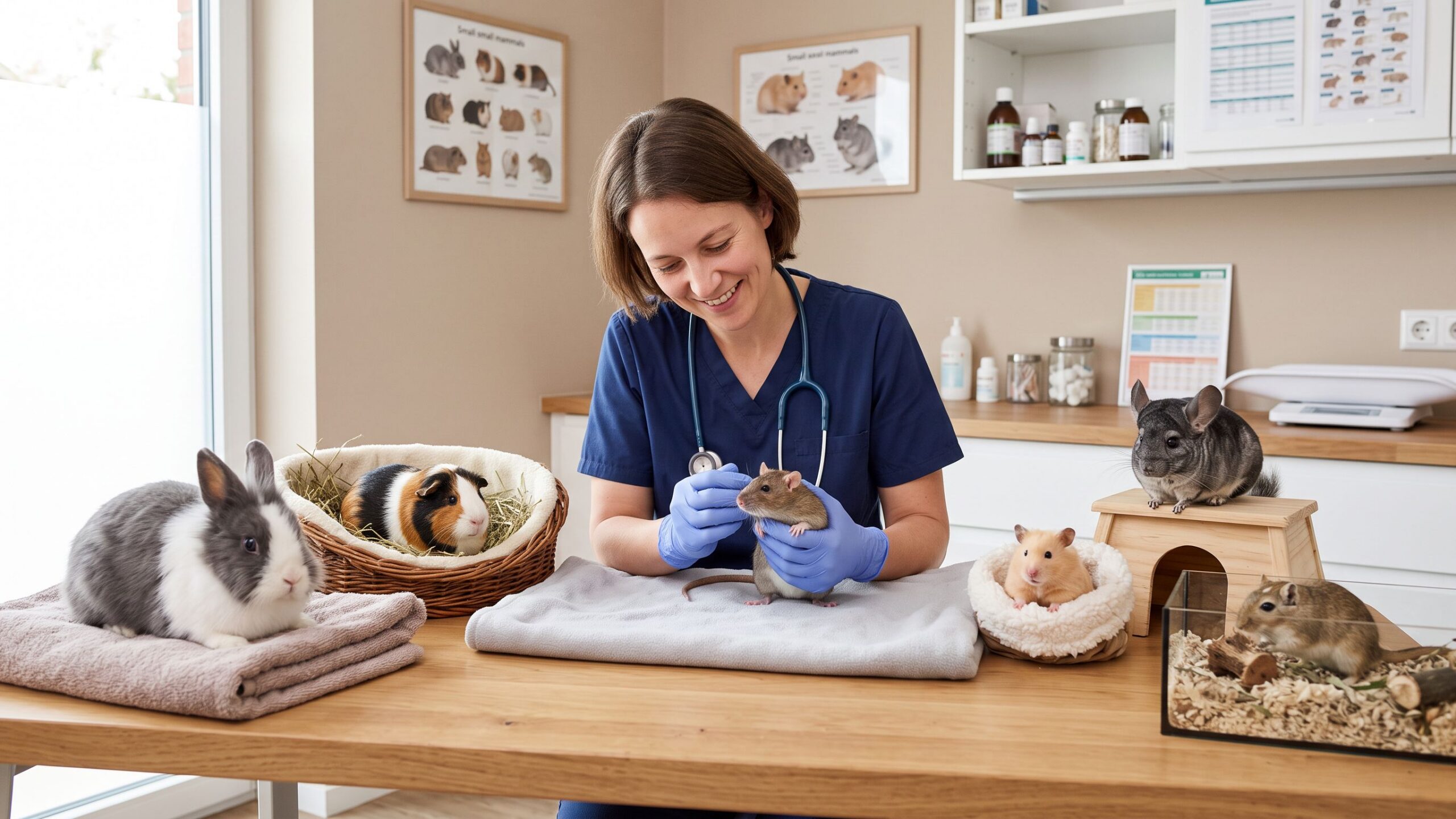
Small mammals may be tiny, but they have an impressive ability to fill a home with personality. Rabbits race through rooms in sudden bursts of excitement, guinea pigs announce the arrival of vegetables with enthusiastic squeaks, rats investigate practically anything placed in front of them, and hamsters can spend an entire evening rearranging an enclosure until everything is exactly where they want it. These familiar behaviors quickly become part of everyday life for small-mammal owners, which is precisely why noticing changes in them is so important. When a small mammal becomes sick, the first warning signs are not always dramatic. Your pet may not cry, collapse, or display an obvious injury. Instead, illness may begin with something as subtle as leaving food behind, sleeping in an unusual location, producing smaller droppings, becoming less interested in attention, or moving differently. Learning how to tell if your small mammal is sick is one of the most valuable skills an owner can develop. Rabbits, guinea pigs, hamsters, gerbils, rats, mice, chinchillas, degus, and other small companion mammals can sometimes become seriously ill quickly, making early recognition especially valuable. Understanding your pet’s normal habits gives you a baseline that can help you recognize when something simply is not right.
A: A sudden change in appetite is particularly important. Refusing food can become serious quickly in several small-mammal species.
A: Possibly. Hiding is normal for many small mammals, but a sudden increase—especially with reduced eating or activity—can indicate pain, stress, or illness.
A: Struggling to breathe, open-mouth breathing, severe wheezing, collapse, or blue or very pale tissues require immediate veterinary care.
A: Changes in the number, size, consistency, or appearance of droppings can provide early clues about appetite and digestive health.
A: No. Thick fur can conceal significant weight loss, which is why routine weighing with an accurate scale can be helpful.
A: Drooling or a wet chin can be associated with dental disease and should be evaluated by a veterinarian.
A: Not unless a veterinarian specifically tells you to. Some human and animal medications can be dangerous for small mammals or inappropriate for certain species.
A: That depends on the symptoms. Difficulty breathing, collapse, severe diarrhea, inability to eat, neurological symptoms, significant bleeding, or rapidly worsening illness warrants urgent veterinary advice.
A: Learn your pet's normal appetite, weight, activity level, bathroom habits, breathing, grooming behavior, and personality so changes stand out quickly.
A: Contact a veterinarian experienced with your species. Small mammals can deteriorate quickly, so getting professional guidance early is safer than waiting for severe symptoms.
Why Small Mammals Can Hide Illness So Well
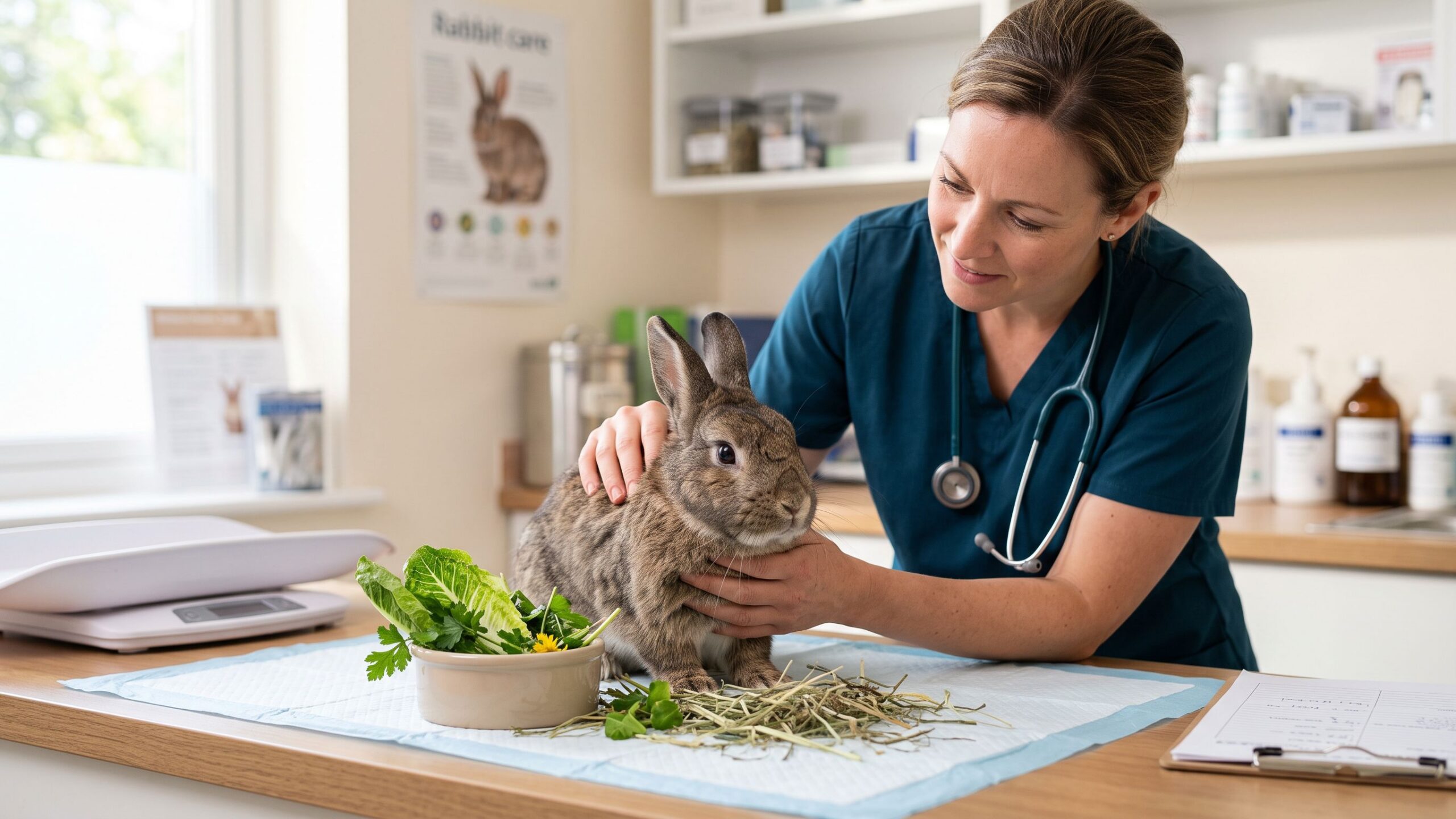
One reason illness can be difficult to recognize in small mammals is their natural instinct to conceal weakness. Many popular small companion mammals are prey species. In the wild, an animal that appears injured, weak, or sick may attract predators or become vulnerable within its social environment. Hiding weakness therefore became an important survival strategy. Domesticated animals may live safely inside our homes, but many of those instincts remain. A sick rabbit may continue sitting quietly rather than obviously demonstrating pain. A guinea pig experiencing discomfort may still nibble at food while eating considerably less than normal. A rat may retreat into a sleeping area instead of displaying dramatic symptoms. By the time an animal appears severely ill, the underlying problem may have been developing for some time. This is why knowing your individual pet’s normal behavior matters so much. You know whether your guinea pig normally runs toward you when the refrigerator opens. You know whether your rabbit stretches across the floor every afternoon. You know when your hamster normally wakes and begins exploring. Changes from these familiar routines can sometimes provide the earliest clues that something is wrong.
Loss of Appetite Is One of the Biggest Warning Signs
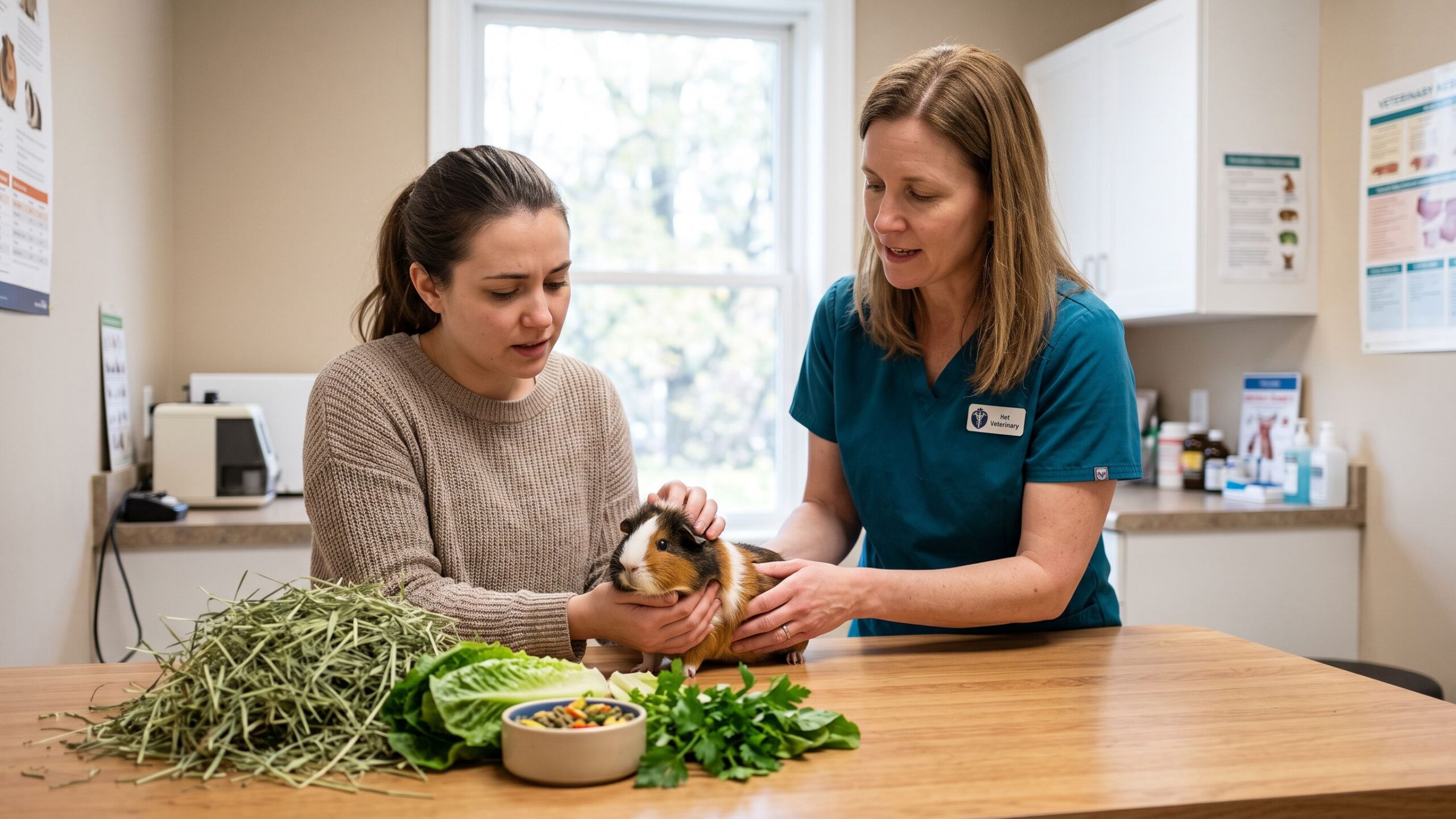
Changes in appetite are among the most important warning signs of sickness in small mammals. A pet that normally rushes toward dinner but suddenly ignores food deserves close attention. The seriousness of appetite loss varies depending on the species and circumstances, but refusing food can be particularly concerning in herbivorous animals such as rabbits and guinea pigs. Their digestive systems depend heavily on regular food intake and normal gastrointestinal movement. A substantial reduction in eating can accompany dental disease, digestive problems, pain, infection, stress, or numerous other medical conditions. Owners should also pay attention to how their pet eats rather than simply checking whether food disappears. A guinea pig may enthusiastically approach a vegetable but repeatedly drop pieces from its mouth. A rabbit may suddenly eat leafy vegetables while refusing hay. A rat might chew more slowly than usual or seem interested in food without actually consuming much. These subtle changes can sometimes indicate dental discomfort, mouth injuries, digestive illness, or another health problem. Knowing approximately how much your animal normally eats makes unusual changes much easier to identify.
Unexpected Weight Loss Can Reveal Hidden Problems
A small mammal can lose a surprising amount of weight before the difference becomes visually obvious, especially when the animal has thick or fluffy fur. Regularly weighing your pet can therefore become an extremely useful part of routine health monitoring. A digital kitchen scale or appropriate small-animal scale allows owners to establish a normal weight range and watch for unexplained changes over time. The goal is not to become concerned about every tiny fluctuation but to recognize meaningful downward trends. Weight loss can occur for many reasons, including dental disease, inadequate nutrition, digestive disorders, infection, chronic illness, parasites, pain, or other medical conditions. An animal may even continue visiting its food bowl while losing weight because it cannot chew efficiently or is consuming much less than it appears. Recording your pet’s weight periodically can reveal a developing health issue before you would otherwise notice a visible change in body condition.
Changes in Drinking and Urination Matter
Your small mammal’s water bottle or bowl can provide valuable information about its health. Drinking dramatically more or less than usual can sometimes indicate that something has changed. Before becoming concerned, make sure there is not a simple explanation. Water bottles can leak, making it appear that an animal has consumed much more than it actually did. Changes in temperature, diet, humidity, and activity can also influence normal water intake. However, persistent increases or decreases in drinking deserve attention. Increased thirst and urination may accompany certain kidney, urinary, metabolic, or other health conditions, while reduced drinking can occur when an animal feels weak, painful, nauseated, or generally unwell. Checking the water supply every day also ensures that bottles have not become blocked and that your pet always has reliable access to fresh water.
Your Pet’s Droppings Can Tell You a Lot
Small-mammal owners quickly become more interested in poop than they probably expected, and for good reason. Changes in droppings can provide important information about digestive health. Pay attention to your pet’s normal stool size, shape, consistency, color, quantity, and frequency. Depending on the species, unusually small droppings, significantly fewer droppings, diarrhea, unusually soft stool, or an absence of feces can signal a problem. Rabbits and guinea pigs are particularly dependent on healthy gastrointestinal function, so significant changes in food intake combined with reduced fecal output deserve prompt attention. A clean enclosure makes changes easier to recognize because you can distinguish recent waste from older material. Rather than viewing cage cleaning simply as housekeeping, consider it an opportunity to perform a miniature health inspection every day.
Watch for Changes in Urine
Urination habits can also provide clues about your small mammal’s health. Watch for straining, frequent attempts to urinate, obvious discomfort, unusually strong odors, persistent wetness around the hindquarters, or visible blood. Some foods and natural pigments can cause urine color changes in certain species, meaning red or orange coloration does not automatically indicate bleeding. However, owners should not rely on appearance alone when something seems abnormal. Urinary tract problems, bladder stones, kidney conditions, reproductive problems, dehydration, and other health issues can sometimes affect urination. An animal that squeals while urinating, repeatedly assumes a urinating posture without producing much urine, or suddenly becomes wet and irritated around the rear should receive veterinary attention.
Breathing Problems Should Never Be Ignored
Respiratory changes are among the most important symptoms to recognize in small mammals. Watch for unusually rapid breathing, labored breathing, exaggerated movement of the chest or abdomen, persistent wheezing, repeated sneezing accompanied by other symptoms, nasal discharge, or obvious difficulty getting air. A pet that previously breathed quietly but suddenly develops noisy breathing deserves attention. Respiratory illnesses can become serious in small animals because their small bodies have less reserve when breathing becomes compromised. Open-mouth breathing in a species that does not normally breathe that way can be especially concerning. Severe breathing difficulty, collapse, extreme weakness, or blue, gray, or unusually pale tissues should be treated as an emergency. Keeping your animal calm and contacting an appropriate veterinarian immediately is generally safer than repeatedly handling or stressing a pet that is already struggling to breathe.
Eyes and Nose Can Reveal Early Signs of Sickness
Healthy eyes should generally appear bright and appropriate for the individual animal. Persistent discharge, crusting, redness, swelling, cloudiness, squinting, or keeping one eye closed can indicate irritation, injury, infection, dental problems, or another condition. Even a small patch of consistently wet fur underneath an eye can be worth investigating. In some small mammals, dental abnormalities can contribute to tearing because of the relationship between the teeth, skull, and tear drainage structures. Nasal discharge deserves similar attention, especially when accompanied by sneezing, reduced appetite, lethargy, or abnormal breathing. While an occasional sneeze may not necessarily mean your animal is ill, persistent respiratory symptoms or multiple symptoms occurring together provide a much stronger reason to contact a veterinarian.
Dental Problems Are Common in Many Small Mammals
Dental health deserves special attention in rabbits and many rodents because their teeth have unique growth and wear requirements. When normal alignment or wear is disrupted, dental problems can make eating difficult and painful. Warning signs may include drooling, a constantly wet chin, dropping food, chewing slowly, refusing harder foods, suddenly avoiding hay, facial swelling, weight loss, pawing around the mouth, or becoming unusually selective about food. Owners sometimes look at the front teeth and assume everything is fine because those teeth appear normal. However, dental problems can involve cheek teeth that are difficult or impossible for an owner to examine properly at home. A veterinary examination may be necessary to evaluate areas of the mouth that cannot easily be seen. Dental disease can have consequences far beyond the mouth because an animal that cannot eat normally may begin losing weight and develop additional digestive or nutritional problems.
Lethargy Is Different From Normal Sleeping
Small mammals sleep, rest, and occasionally have lazy days just like other animals. Some species, including hamsters, are naturally active during the evening or nighttime and may spend much of the day sleeping. Illness-related lethargy is different from an animal’s ordinary schedule. You might notice that your normally adventurous rat refuses to leave its hammock, your guinea pig no longer comes out when food arrives, or your rabbit remains hunched in the same corner for an unusually long time. A hamster may wake at its normal time but show little interest in running, digging, or exploring. Sudden decreases in normal activity can accompany pain, infection, digestive problems, respiratory illness, injuries, overheating, dehydration, or numerous other conditions. One quiet afternoon does not automatically mean an animal is seriously sick, but dramatic or persistent lethargy combined with appetite loss, abnormal breathing, diarrhea, weakness, or other symptoms deserves prompt veterinary attention.
Unusual Posture May Be a Sign of Pain
Because small mammals often do not vocalize when uncomfortable, posture can become an important form of communication. A pet experiencing pain may remain hunched, press its abdomen toward the floor, repeatedly shift positions, avoid stretching out normally, protect one side of its body, or sit unusually still. Some rabbits may grind their teeth when experiencing discomfort, although gentle tooth purring can also occur when a relaxed rabbit is being stroked. Context is important. Loud or persistent grinding combined with a hunched posture, appetite loss, or other abnormal behavior is different from quiet contented tooth movements during relaxation. An animal that suddenly avoids being picked up or reacts aggressively when a particular area is touched may also be protecting a painful location.
Grooming Changes Can Reveal Health Problems
Healthy small mammals usually spend considerable time keeping themselves clean. When an animal suddenly stops grooming, its coat may become greasy, rough, tangled, dirty, or generally unkempt. Poor grooming can accompany weakness, obesity, arthritis, dental problems, pain, or systemic illness. Excessive grooming can be equally meaningful. Persistent scratching, licking, chewing, biting at the skin, or pulling out fur can occur with parasites, skin irritation, allergies, stress, pain, or behavioral problems. Owners should occasionally examine the skin beneath the coat when their pet comfortably allows it. Bald patches, redness, flakes, crusts, sores, wounds, lumps, or swelling should not be ignored. Pay attention to the feet as well. Redness, sores, swelling, abnormal nails, or reluctance to place weight on a foot can indicate injury or other problems requiring attention.
Listen for Unusual Sounds
Every small mammal has its own communication style. Guinea pigs can wheek enthusiastically, rats may squeak, rabbits may thump, and chinchillas can produce an impressive variety of sounds. Learning your pet’s normal vocalizations helps make unusual noises easier to recognize. Sudden repeated squealing while urinating, eating, moving, or being touched may indicate discomfort. Clicking, wheezing, or unusual sounds associated with breathing can be especially concerning when accompanied by nasal discharge, lethargy, or reduced appetite. However, silence does not guarantee that an animal feels well. Many small mammals remain extremely quiet even when experiencing significant pain or illness, which is why behavior, posture, appetite, and other physical changes should always be considered alongside vocalizations.
Head Tilting, Falling, and Balance Problems Need Attention
Changes in balance or coordination can be alarming and deserve prompt veterinary attention. Warning signs may include a persistent head tilt, circling, stumbling, falling over, rolling, tremors, unusual eye movements, limb weakness, or difficulty walking normally. These symptoms can have several possible causes, including inner or middle ear disease, neurological disorders, trauma, toxins, infection, or other medical conditions. Sudden inability to use a limb can also indicate an injury and should not simply be treated as something the animal will eventually walk off. If your pet develops serious balance problems, place it in a safe environment where it cannot fall from elevated platforms or injure itself while you arrange veterinary guidance. Minimize unnecessary handling, particularly if trauma or spinal injury could be involved.
Sudden Personality Changes Can Be a Warning Sign
Sometimes the earliest indication of sickness is not physical at all. It is a personality change. A friendly animal may suddenly hide when you approach. A normally calm pet might become defensive. An energetic animal may stop exploring. A rabbit that usually enjoys being stroked may suddenly move away or attempt to bite when touched. Pain is one possible explanation for these behavioral changes. An animal with dental disease, an injury, abdominal discomfort, arthritis, or another painful condition may become defensive because it is attempting to protect itself. Changes can also occur because of environmental stress, hormonal influences, fear, or social conflicts, so behavior alone cannot diagnose an illness. However, sudden personality changes should encourage owners to look more closely for additional symptoms rather than assuming their pet has simply become grumpy.
Temperature and Environmental Stress Can Become Dangerous
Small mammals can be sensitive to temperature extremes, and different species have different environmental requirements. Chinchillas are particularly known for being vulnerable to excessive heat because their extremely dense coats make cooling difficult. Rabbits, guinea pigs, hamsters, rats, and other species can also experience heat-related problems under unsuitable conditions. Signs of overheating may include weakness, rapid breathing, unusual posture, lethargy, reduced responsiveness, or collapse. Excessive cold can also become dangerous, particularly for very young, elderly, underweight, or sick animals. Enclosures should be protected from direct sunlight, poorly ventilated areas, unsafe heating devices, and extreme temperature changes. Owners should research the appropriate environmental conditions for their specific species rather than assuming all small mammals require the same temperature and humidity.
Know What Normal Looks Like for Your Pet
One of the best ways to recognize illness early is to establish your pet’s personal baseline while it is healthy. Learn when your animal normally wakes, how eagerly it eats, how much water it typically consumes, where it prefers to sleep, what normal droppings look like, how it walks, how frequently it grooms, and how it responds when you approach. Normal behavior varies enormously between species and even between individuals of the same species. A hamster sleeping throughout much of the day may be behaving perfectly normally, while a normally active guinea pig remaining hidden for an entire day could represent a significant change. Rather than comparing your animal with every pet you see online, compare today’s behavior with your own pet’s established routine.
When Should You Contact a Veterinarian?
You do not need to know exactly what disease your pet has before contacting a veterinarian. Your responsibility is recognizing that something has changed and deciding when professional evaluation is appropriate. Significant appetite loss, serious breathing difficulty, severe diarrhea, seizures, collapse, uncontrolled bleeding, suspected poisoning, major trauma, inability to stand, profound weakness, severe abdominal swelling, or rapidly worsening symptoms can require urgent veterinary attention. Persistent abnormalities should also be evaluated even when they initially seem minor. Whenever possible, establish a relationship with a veterinarian experienced with your particular species before an emergency occurs. Not every veterinary clinic treats rabbits, rodents, chinchillas, degus, or other exotic companion mammals. Knowing where you can obtain appropriate care beforehand can save valuable time when something goes wrong.
What to Do When Your Small Mammal Seems Sick
When you notice something unusual, observe your pet carefully without causing unnecessary stress. Note when the symptoms started and whether they appear to be improving, remaining stable, or getting worse. Check food intake, water consumption, droppings, urine, breathing, activity level, posture, and movement. If your pet displays an unusual behavior intermittently, consider recording a short video that you can show your veterinarian. A video of abnormal movement, breathing, or behavior may provide useful information when the symptom does not occur during the veterinary examination. Avoid giving human medications or medications prescribed for another animal unless a veterinarian specifically instructs you to do so. Small mammals have tiny body weights and species-specific sensitivities, meaning seemingly small medication errors can potentially cause serious problems. Home care should never become a reason to delay veterinary treatment when an animal is clearly deteriorating.
Preventive Care Makes Warning Signs Easier to Spot
Preventive care is not simply about avoiding illness. It also creates opportunities to establish what healthy looks like for your individual pet. Regular veterinary examinations can help document baseline weight, dental health, heart and lung findings, body condition, and other important information. At home, appropriate nutrition, fresh water, clean housing, enrichment, exercise, proper temperature control, and species-appropriate social opportunities can support overall wellness. Regular observation becomes part of that preventive routine. Every time you feed your pet, refill water, clean the enclosure, or spend time interacting, you have an opportunity to notice something different. Is the food disappearing normally? Are the droppings the usual size? Is your pet moving comfortably? Does the coat look healthy? Small observations performed consistently can become one of the most effective early-warning systems available to an owner.
Small Changes Can Carry Big Messages
Small mammals cannot walk up to us and say, “My tooth hurts,” “My stomach feels strange,” or “I’m having trouble breathing.” Instead, they communicate through changes. A food bowl that is still half-full in the morning. Smaller droppings scattered around the enclosure. A damp chin that was dry yesterday. A rabbit that remains hunched instead of stretching comfortably across the floor. A guinea pig that does not come running when vegetables arrive. A hamster that wakes but never begins its usual nighttime exploration. A rat that suddenly avoids climbing. Individually, some of these changes may have harmless explanations. When they persist, worsen, or occur together, they can create a much more important picture. The goal is not to panic whenever your pet has a quiet afternoon. The goal is to become observant enough to recognize when your animal’s behavior has genuinely changed.
Becoming Your Small Mammal’s Best Health Advocate
Caring for a small mammal means learning a language that is rarely spoken aloud. Over time, you become familiar with the tiny routines that make your pet unique: favorite sleeping positions, preferred foods, daily activity patterns, social habits, sounds, and distinctive personality traits. That familiarity is incredibly valuable when illness develops. You may be the first person capable of recognizing that something is wrong. A veterinarian can examine, diagnose, and treat your pet, but you provide the crucial history of what changed and when. Pay attention to appetite, weight, water consumption, droppings, urination, breathing, eyes, nose, teeth, coat, posture, movement, grooming, and behavior. Most importantly, pay attention to changes from your animal’s personal normal. Small mammals may be remarkably good at hiding weakness, but attentive owners can become remarkably good at noticing the clues they cannot completely conceal. Recognizing those early warning signs and seeking veterinary care when necessary can make an enormous difference in your small mammal’s comfort, health, and quality of life.
Pet Product Reviews
Explore Duffy Street’s Pet Product Reviews! Sniff out the top-rated toys, treats, gear, and gadgets for your pets with our fun, easy-to-read comparisons. We’ve done the digging so you can find the perfect products for your pet friends!