You walk toward the enclosure carrying a treat, whisper your pet’s name, and expect an adorable greeting. Instead, your hamster disappears underground, your guinea pig launches into a hideout, or your rabbit looks at you for half a second before racing in the opposite direction. It can feel disappointing, especially when you are doing everything possible to make your new pet happy. However, hiding from you does not mean your small pet dislikes you. Rabbits, guinea pigs, hamsters, gerbils, mice, rats, chinchillas, and many other small companion animals experience the world very differently from humans. Many are prey animals whose survival instincts tell them to be suspicious of large creatures approaching from above. Trust is therefore something owners earn gradually through consistency, patience, positive experiences, and respect. Once that trust develops, the transformation can be incredible. A pet that once disappeared whenever you entered the room may eventually approach your hand, accept treats, relax beside you, climb onto you, or excitedly greet you when it recognizes your voice.
A: It varies greatly. Some pets become comfortable within several days, while shy or previously stressed animals may need several weeks or months.
A: Usually it is better to allow an adjustment period and begin with calm interaction before introducing frequent handling.
A: Running away is often an instinctive fear response and does not necessarily mean your pet dislikes you.
A: Hold a favorite species-appropriate food near the enclosure and remain still, allowing your pet to approach when it feels comfortable.
A: Biting can result from fear, territorial behavior, pain, stress, or mistaken food scents. Avoid punishment and determine what triggered the reaction.
A: No. Chasing can make your pet associate your hands with danger and may damage developing trust.
A: Short daily interactions are often more effective than occasional long sessions, especially with nervous animals.
A: Approaching voluntarily, eating near you, grooming, relaxing, exploring, and allowing gentle touch can all indicate growing trust.
A: Treats can create positive associations, but they work best alongside patience, gentle handling, predictable routines, and respect for your pet's boundaries.
A: Return to slower bonding methods and consider whether a frightening experience, environmental change, stress, or health problem may have caused the behavioral change.
Understand the World From Your Pet’s Perspective
The first step toward bonding with a small pet is understanding why it may be afraid in the first place. Imagine being only a few inches tall while an enormous creature reaches down from the sky and attempts to grab you. Even if that creature has the best intentions imaginable, instinct may immediately scream, “Run!” Many small mammals evolved as prey species, so reacting quickly to potential threats helped their ancestors survive. Sudden movements, unfamiliar smells, loud noises, direct grabbing, and shadows passing overhead can trigger these instincts. Your goal is not to force your pet to stop being afraid. Instead, you want to repeatedly demonstrate that your presence predicts safety, food, comfort, enrichment, and positive experiences. Trust grows when nothing frightening happens after you appear.
Give Your New Pet Time to Settle In
One of the most common bonding mistakes happens within the first few hours after bringing a pet home. Everyone is excited, so the animal gets passed from person to person, photographed, picked up, introduced to the family, and encouraged to explore immediately. From the pet’s perspective, however, everything familiar has suddenly disappeared. New smells, sounds, people, surroundings, food bowls, bedding, and routines can be overwhelming. Give a new small pet time to become familiar with its enclosure before expecting close interaction. Make sure food, water, bedding, hiding places, and other essentials are easily accessible. Spend quiet time nearby so your pet can begin learning that your presence is normal. Some animals adjust quickly, while naturally cautious individuals may need considerably longer.
Never Take Away Their Hiding Places to Force Interaction
It can be tempting to remove a hideout because your pet spends most of its time inside it. Unfortunately, taking away a frightened animal’s safe place can make bonding harder rather than easier. Hideouts provide security and give pets control over how much exposure they experience. When an animal knows it can retreat whenever necessary, it may eventually become more confident about exploring. Provide appropriate shelters, tunnels, burrows, nesting areas, or covered spaces based on the species. Avoid constantly reaching inside and pulling your pet out simply because you want interaction. When an animal voluntarily leaves its hiding place while you are nearby, that decision represents a much more meaningful step toward trust.
Start by Simply Being Present
Bonding does not always require doing something. Sometimes the most effective first step is sitting nearby and allowing your pet to observe you. Read a book, watch something quietly, work on your laptop, or simply relax beside the enclosure. Avoid staring intensely at your pet or repeatedly reaching toward it. Over time, your presence becomes less unusual. Your rabbit may begin stretching out instead of remaining alert. Your guinea pig may continue eating hay while you walk past. Your hamster may emerge even though you are still sitting nearby. These seemingly ordinary behaviors can be significant signs of growing confidence. You are teaching your pet that you can exist nearby without anything frightening happening.
Let Your Voice Become Familiar
Small pets can become familiar with recurring sounds, including human voices. Speaking gently when you enter the room can prevent your appearance from feeling sudden and unpredictable. Use a calm, natural tone while feeding, cleaning, or sitting nearby. You do not need to continuously baby-talk to your pet. The goal is simply to create consistency. Over time, your voice may become associated with familiar routines and positive experiences. Guinea pigs may begin wheeking when they hear you. Rats may approach the enclosure. Rabbits may lift their heads and investigate. Hamsters may emerge when they recognize the evening routine. Recognition creates predictability, and predictability helps build trust.
The Power of a Consistent Routine
Small pets often thrive on predictable routines. Feeding around similar times, refreshing water consistently, performing routine cleaning calmly, and interacting during appropriate waking hours can help your pet understand what to expect. A predictable owner is less frightening than a completely unpredictable one. If your hamster learns that you quietly appear every evening with food rather than waking it randomly during the afternoon, your presence may become much more welcome. If your guinea pig discovers that a particular sound means vegetables are arriving, you may suddenly become the most interesting person in the house. Routine transforms you from an unknown potential threat into a familiar part of your pet’s environment.
Use Food to Create Positive Associations
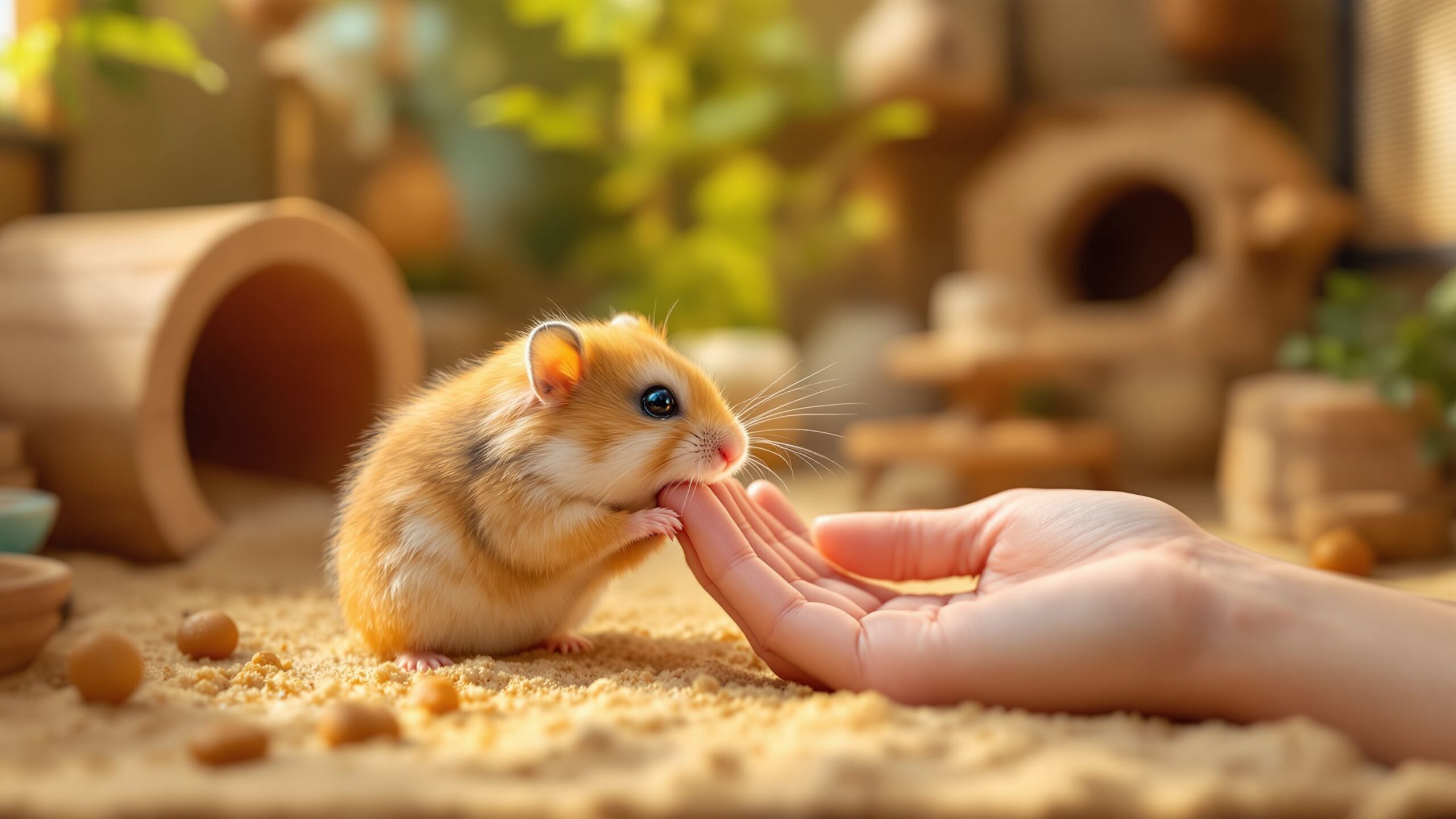
Food is one of the most effective tools for building trust with many small pets. The idea is simple: your presence repeatedly predicts something enjoyable. Begin with a favorite species-appropriate food or treat and offer it without forcing interaction. Initially, you may need to place the treat nearby and move your hand away. Eventually, offer it closer to your hand. Later, your pet may become confident enough to take food directly from your fingers or palm. Never withhold necessary food to make an animal interact with you. Bonding should be based on choice, not hunger. Treats should also remain appropriate for the species and should not replace a balanced everyday diet.
Discover Your Pet’s Favorite Treat
Finding the food that makes your pet immediately interested can transform bonding sessions. A guinea pig may become incredibly enthusiastic about a small piece of bell pepper. A rabbit may adore a favorite leafy green. A hamster might be fascinated by a tiny species-appropriate seed or other safe treat. Rats may have their own irresistible favorites. Every animal is different. Use highly valued treats in small amounts so they remain exciting without disrupting the overall diet. Avoid assuming that foods marketed as “small animal treats” are automatically healthy. Some commercial treats contain excessive sugar, fat, dairy ingredients, or other components that may not be suitable for a particular species.
Introduce Your Hand Without Immediately Touching
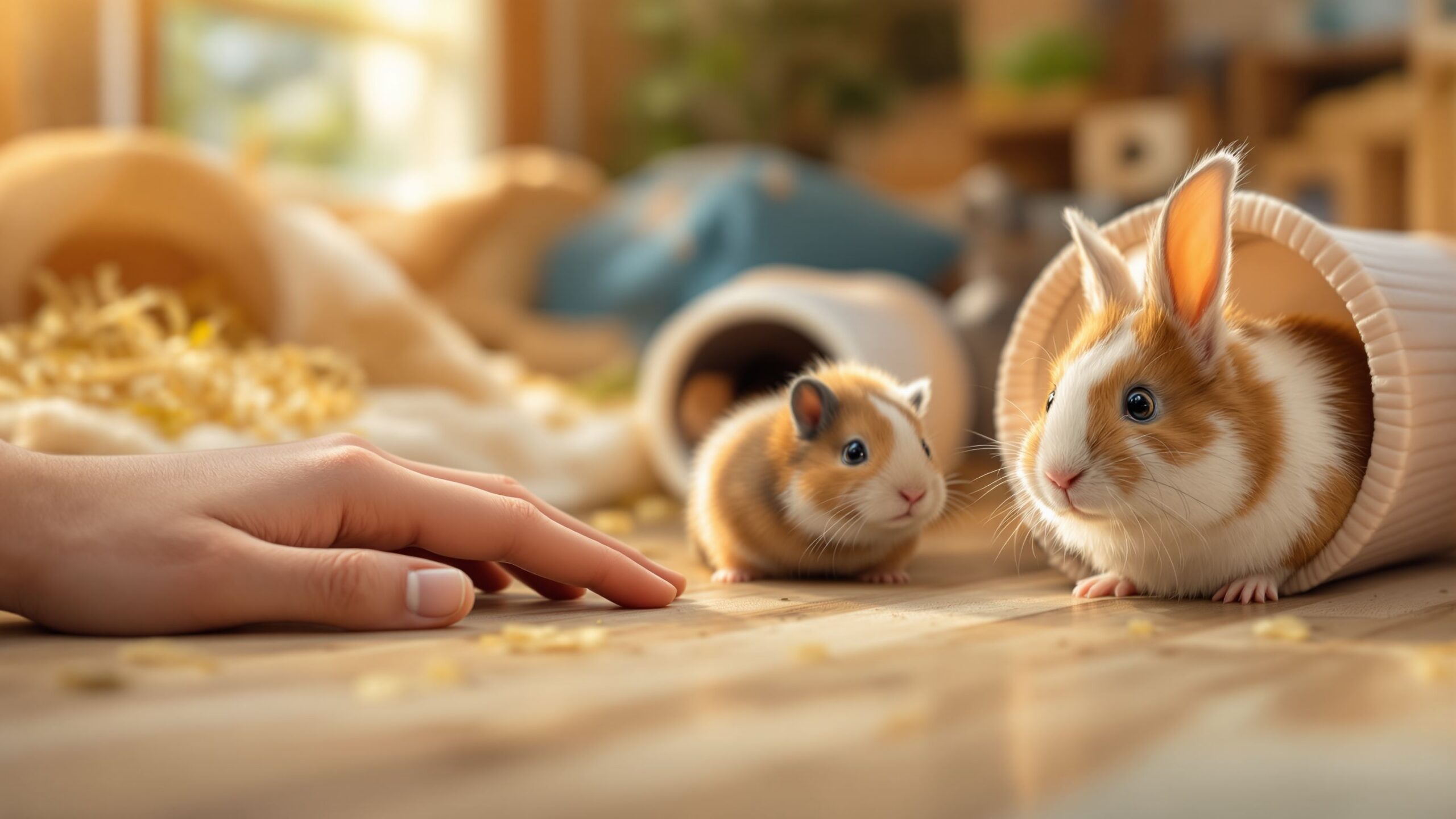
Humans naturally want to pet animals, but your pet may need to become comfortable with your hand before being comfortable with touch. Place your hand calmly inside or near the enclosure when appropriate and allow your pet to investigate. Keep your hand still rather than following the animal around. Your pet may sniff your fingers, approach and retreat repeatedly, or completely ignore you at first. All of those reactions are acceptable. Let curiosity determine the pace. Eventually, your hand becomes another familiar object rather than something that always predicts being grabbed.
Let Your Small Pet Come to You
One of the biggest breakthroughs in bonding occurs when your pet voluntarily approaches you. That moment may seem insignificant to someone else, but it represents a major shift in how the animal perceives you. Encourage voluntary interaction by staying calm and providing opportunities for exploration. During safe floor time, sit on the ground and allow your rabbit or guinea pig to investigate your legs. Place your hand somewhere accessible to a hamster rather than reaching directly toward it. Allow a rat to climb onto your arm when it chooses. Giving an animal control over interaction can dramatically increase confidence.
Learn the Difference Between Tolerance and Trust
A pet remaining still while being held does not necessarily mean it enjoys the experience. Fear can sometimes cause animals to freeze rather than struggle. Genuine relaxation looks different. Depending on species, a comfortable pet may continue eating near you, groom itself in your presence, explore your hands, stretch out nearby, voluntarily return after moving away, or display relaxed body posture. Learning your species’ normal body language is essential because behaviors that indicate happiness in one animal can mean something completely different in another. The goal should not simply be getting your pet to tolerate handling. The goal is creating interactions in which the animal feels safe.
Read Your Pet’s Body Language
Your small pet is constantly communicating, even if it never makes a sound. Pay attention to posture, ears, eyes, breathing, movement, vocalizations, and attempts to escape. A rabbit that flattens itself or repeatedly runs away may need more space. A guinea pig that chatters its teeth can be communicating discomfort or warning. A hamster desperately attempting to escape your hands is not ready for a long handling session. A rat voluntarily climbing onto you is providing very different information. Learning species-specific body language allows you to adjust before your pet becomes overwhelmed, making future interactions more positive.
Avoid Approaching From Directly Above
For many prey animals, danger traditionally arrives from above. Birds of prey and other predators have shaped instincts over countless generations. A hand suddenly descending from overhead can therefore trigger an immediate escape response. Whenever possible, approach from the side or at your pet’s level rather than reaching down abruptly. This is especially useful when interacting with rabbits, guinea pigs, hamsters, gerbils, and mice. Move slowly enough that your pet can see what you are doing. A predictable hand is much less intimidating than one that appears suddenly.
How to Begin Petting Your Small Pet
Once your pet comfortably approaches your hand and accepts food nearby, you can begin introducing gentle touch when appropriate for the species. Start with very brief contact rather than immediately attempting a full cuddle session. Rabbits often enjoy gentle strokes around the forehead and cheeks once comfortable. Rats may enjoy a variety of touch depending on personality. Guinea pigs can have individual preferences regarding where they like being stroked. Hamsters may tolerate or enjoy gentle handling but generally interact differently from rabbits or rats. Watch your pet’s reaction closely. If it remains relaxed or voluntarily returns, continue gradually. If it repeatedly moves away, respect the message.
How to Introduce Picking Up and Handling
Being picked up can be one of the most frightening parts of human interaction for small prey animals. Do not rush this step. First establish comfort around your hands. When handling becomes necessary or appropriate, learn the correct support technique for that specific species. Rabbits require secure support of their hindquarters because struggling while improperly supported can cause serious injury. Guinea pigs need their chest and hindquarters supported. Hamsters should be gently scooped rather than grabbed. Rats are generally more comfortable climbing onto hands once socialized. Keep early sessions short and close to the ground so an unexpected jump does not result in a dangerous fall.
Keep Early Bonding Sessions Short
More interaction is not always better. A five-minute experience that ends while your pet is still calm can be far more productive than a thirty-minute session that becomes stressful. Short interactions allow your pet to accumulate positive experiences without becoming overwhelmed. As confidence grows, sessions can naturally become longer. Pay attention to signs that your pet has had enough. Repeated attempts to escape, defensive behavior, freezing, hiding, or increasing agitation may indicate that it is time to stop. Ending respectfully teaches your pet that interaction with you does not mean losing all control.
Bond With Your Pet During Its Natural Waking Hours
Timing matters tremendously, particularly for nocturnal and crepuscular animals. Hamsters are usually most active during the evening and nighttime, so waking one from a deep daytime sleep for bonding can immediately create a negative experience. Rabbits are often especially active around dawn and dusk, while other species have their own natural rhythms. Learn when your pet naturally wakes, eats, explores, and plays. Bonding during those periods means you are interacting with an alert, curious animal rather than one that desperately wants to sleep.
Never Chase Your Pet Around the Enclosure
Chasing is one of the fastest ways to turn your hands into something frightening. If every interaction begins with your pet sprinting around while you pursue it, the animal learns that hands predict capture. When you need to move a pet, use species-appropriate techniques that minimize stress. Some animals can be encouraged into a tunnel, carrier, hideout, or container rather than physically chased. For routine bonding, let your pet approach voluntarily whenever possible. The less often your hands behave like predators, the easier it becomes for your pet to trust them.
Do Not Punish Fearful Behavior
A frightened pet is not being stubborn, dramatic, disrespectful, or “bad.” Biting, hiding, freezing, running, squeaking, thumping, or defensive posturing can all result from fear or discomfort. Punishment does not explain what you wanted the animal to do. It simply creates another reason to fear you. Never hit, flick, yell at, spray, or physically punish a small pet. Instead, identify what triggered the behavior and adjust the situation. Trust-based training focuses on making desirable interactions rewarding while preventing the animal from becoming overwhelmed.
What to Do if Your Small Pet Bites You
Being bitten can be startling, but it is important not to respond by striking or frightening your pet. A bite can happen because an animal is scared, territorial, in pain, overstimulated, startled, or confusing fingers with food. Consider what happened immediately before the bite. Did you wake your hamster? Reach into a guarded nest? Ignore several attempts to escape? Smell strongly like food? Touch a painful area? Understanding the trigger can help prevent another bite. Repeated or sudden aggression in a previously gentle animal can also be associated with pain or illness and may justify veterinary evaluation.
Bonding With a Shy Guinea Pig
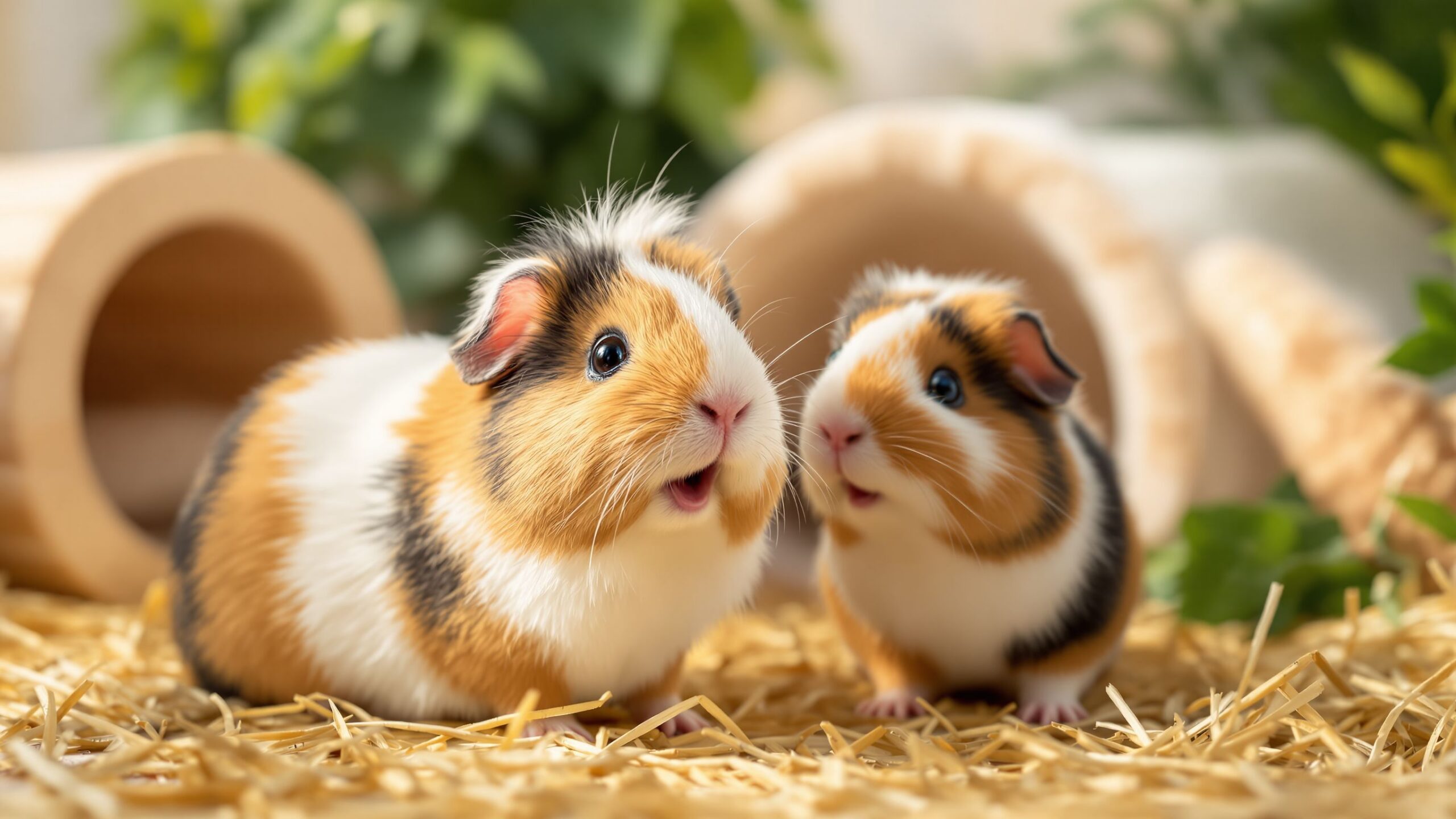
Guinea pigs can be wonderfully social, but their prey instincts often make them quick to run for shelter. Begin by spending time near the enclosure, speaking gently, and offering familiar vegetables by hand. Avoid constantly removing hideouts or chasing your guinea pig for cuddles. Once it becomes comfortable eating near you, introduce gentle touch and properly supported handling gradually. Some guinea pigs become extremely vocal around trusted humans and may enthusiastically wheek when they hear familiar footsteps or the refrigerator opening. A guinea pig running away when you initially reach toward it does not necessarily mean your bond has failed; even well-socialized guinea pigs can retain a strong instinct to flee from sudden movement.
Bonding With a Rabbit
Rabbit bonding is often most successful when you get down on the rabbit’s level. Sit or lie on the floor in a secure bunny-proofed area and allow the rabbit to investigate you. Avoid constantly lifting it because many rabbits dislike being carried even when they trust their owners deeply. Offer appropriate greens or tiny treats, gently pet the forehead when invited, and pay attention to body language. A rabbit that voluntarily lies beside you, nudges your hand, grooms you, follows you, or flops nearby may be showing significant comfort. Rabbit trust is often built through quiet companionship rather than constant physical handling.
Bonding With a Hamster
Hamsters require a particularly patient approach because they are small, fast, and often active when humans are preparing for bed. Begin by allowing a newly arrived hamster to settle into its habitat. Once comfortable, introduce your scent and voice during its normal waking hours. Offer appropriate treats near your hand and eventually from your fingers or palm. Allow the hamster to step onto your hand voluntarily rather than grabbing it. When handling begins, stay close to the floor or another secure surface because hamsters can suddenly jump. Never wake a sleeping hamster simply because you want to play.
Bonding With Pet Rats
Pet rats are highly intelligent and social animals and can develop remarkably interactive relationships with their owners. Food rewards, gentle handling, play, training, and opportunities to climb onto you can all strengthen the bond. Many rats become excited when their trusted person enters the room and may willingly climb onto hands, shoulders, or laps. Because rats are social animals, human companionship should complement appropriate same-species companionship rather than replace it. Positive reinforcement can also be used to teach simple behaviors and tricks, turning training sessions into another opportunity for bonding.
Bonding With Mice and Gerbils
Mice and gerbils may be tiny, but they can learn to recognize familiar people and routines. Start slowly by allowing them to become comfortable with your hand inside or near their habitat. Offer tiny appropriate treats and allow them to approach voluntarily. Avoid grabbing tails or chasing animals around the enclosure. Gerbils in particular can be enthusiastic diggers and may spend substantial time underground, so respect their natural behavior rather than expecting constant interaction. With consistent positive experiences, many mice and gerbils become increasingly curious about their owners.
Make Cleaning Less Frightening
Habitat cleaning is necessary, but from your pet’s perspective it can involve an enormous hand suddenly removing familiar smells and rearranging everything. Whenever possible, clean calmly and predictably. Avoid unnecessarily destroying every familiar scent or completely changing the enclosure layout during each cleaning. Species-specific sanitation requirements still matter, but maintaining some familiarity can make the process less stressful. If your pet must be moved during cleaning, use a secure carrier or another low-stress method rather than chasing it around the habitat.
Enrichment Can Strengthen Your Relationship
Bonding does not have to revolve entirely around touching. Providing enrichment can create opportunities for your pet to interact with you voluntarily. Hide appropriate treats inside cardboard structures, offer safe tunnels, create foraging opportunities, or introduce simple food puzzles. Rabbits may investigate cardboard castles, rats can learn tricks, hamsters may explore elaborate tunnels, and guinea pigs may follow food trails through safe floor-time areas. Participating in enrichment teaches your pet that interesting things happen when you are around.
Training Builds Confidence and Communication
Positive-reinforcement training is not just for dogs. Rabbits, rats, guinea pigs, hamsters, and other small mammals can learn associations and simple behaviors. Training might involve teaching your pet to approach a target, enter a carrier, step onto a scale, come toward you, or voluntarily enter a transport container. Rewarding these behaviors can make routine care easier while strengthening communication. Training should remain short, positive, species-appropriate, and free from punishment. Even very simple exercises can give an animal greater control over interactions and increase confidence.
Signs Your Small Pet Is Starting to Trust You
Trust often develops through tiny changes rather than one dramatic moment. Your pet may stop immediately running away when you enter the room. It may eat while you sit nearby, approach your hand for food, sniff your fingers, groom itself in your presence, voluntarily climb onto you, or relax outside its hiding place. Some animals become more vocal around trusted people, while others simply display increasingly relaxed body language. These small milestones deserve patience. A pet choosing to remain nearby when it could leave is often more meaningful than an animal being physically held because it has no choice.
How Long Does It Take a Small Pet to Trust You?
There is no universal bonding timeline. One pet may confidently approach within days, while another may need weeks or months. Species, age, genetics, previous handling, past experiences, personality, health, environment, and owner behavior can all influence the process. Rescue animals with unknown histories may need additional patience, but even animals from excellent backgrounds can simply be naturally cautious. Comparing your pet with videos of exceptionally social animals online can create unrealistic expectations. Focus on progress relative to where your individual pet started.
What If Your Pet Suddenly Stops Trusting You?
Bonding is not always perfectly linear. A pet that seemed confident yesterday may suddenly become cautious after a frightening noise, stressful veterinary visit, habitat change, painful experience, or unexpected handling incident. Do not assume the relationship is permanently damaged. Return to the basics: calm presence, routine, appropriate treats, voluntary interaction, and respect for personal space. If behavior changes suddenly without an obvious environmental explanation, consider whether illness or pain could be involved. Animals experiencing discomfort may become defensive or withdrawn, making veterinary evaluation important when significant behavioral changes persist.
Common Bonding Mistakes That Slow Down Trust
Rushing is perhaps the biggest bonding mistake. Owners naturally want immediate affection, but repeatedly grabbing, chasing, waking, cornering, or forcing interaction teaches the opposite lesson. Other mistakes include removing hiding places, punishing defensive behavior, offering inappropriate treats, ignoring body language, interacting at the wrong time of day, introducing too many people at once, and expecting every animal to enjoy being held. Successful bonding is not about forcing your pet to behave according to your expectations. It is about learning what makes that particular animal feel safe and creating positive experiences around those needs.
Celebrate the Tiny Victories
The first time your hamster voluntarily steps onto your palm may last only two seconds. Your rabbit might finally lie beside you instead of across the room. Your guinea pig may take a bell pepper directly from your fingers. Your rat might climb onto your shoulder without being encouraged. These moments can seem small, but they are exactly how trust develops. Every voluntary positive interaction tells you that your pet is becoming more comfortable. Avoid immediately pushing for the next milestone. Sometimes allowing a successful interaction to simply end on a positive note is the best possible next step.
Building a Bond That Lasts
Trust is not something you achieve once and then forget about. It is maintained through everyday experiences. Continue respecting your pet’s boundaries, providing enrichment, interacting gently, maintaining predictable routines, and paying attention to changing preferences. As animals mature, their behavior can change. Some may become more confident, while others may temporarily become more territorial or independent. Continue adapting your approach while making safety and positive interaction the foundation of your relationship.
Final Thoughts on Getting Your Small Pet to Trust You
Getting a small pet to trust you is not about proving that you can pick it up, hold it, or make it cuddle. True bonding happens when your pet begins choosing to interact with you because experience has taught it that you are safe. That relationship may start with nothing more than sitting quietly beside an enclosure while a nervous animal watches from a hideout. Then comes the first cautious sniff, the first treat taken from your fingers, the first voluntary step onto your hand, and eventually the moment your pet stays nearby simply because it wants to. Be patient, move at your pet’s pace, use food and routine to create positive associations, respect body language, and never punish fear. You may be surprised by just how much personality emerges once a tiny animal realizes that the enormous human outside its enclosure is not a threat at all, but a trusted part of its world.
Pet Product Reviews
Explore Duffy Street’s Pet Product Reviews! Sniff out the top-rated toys, treats, gear, and gadgets for your pets with our fun, easy-to-read comparisons. We’ve done the digging so you can find the perfect products for your pet friends!