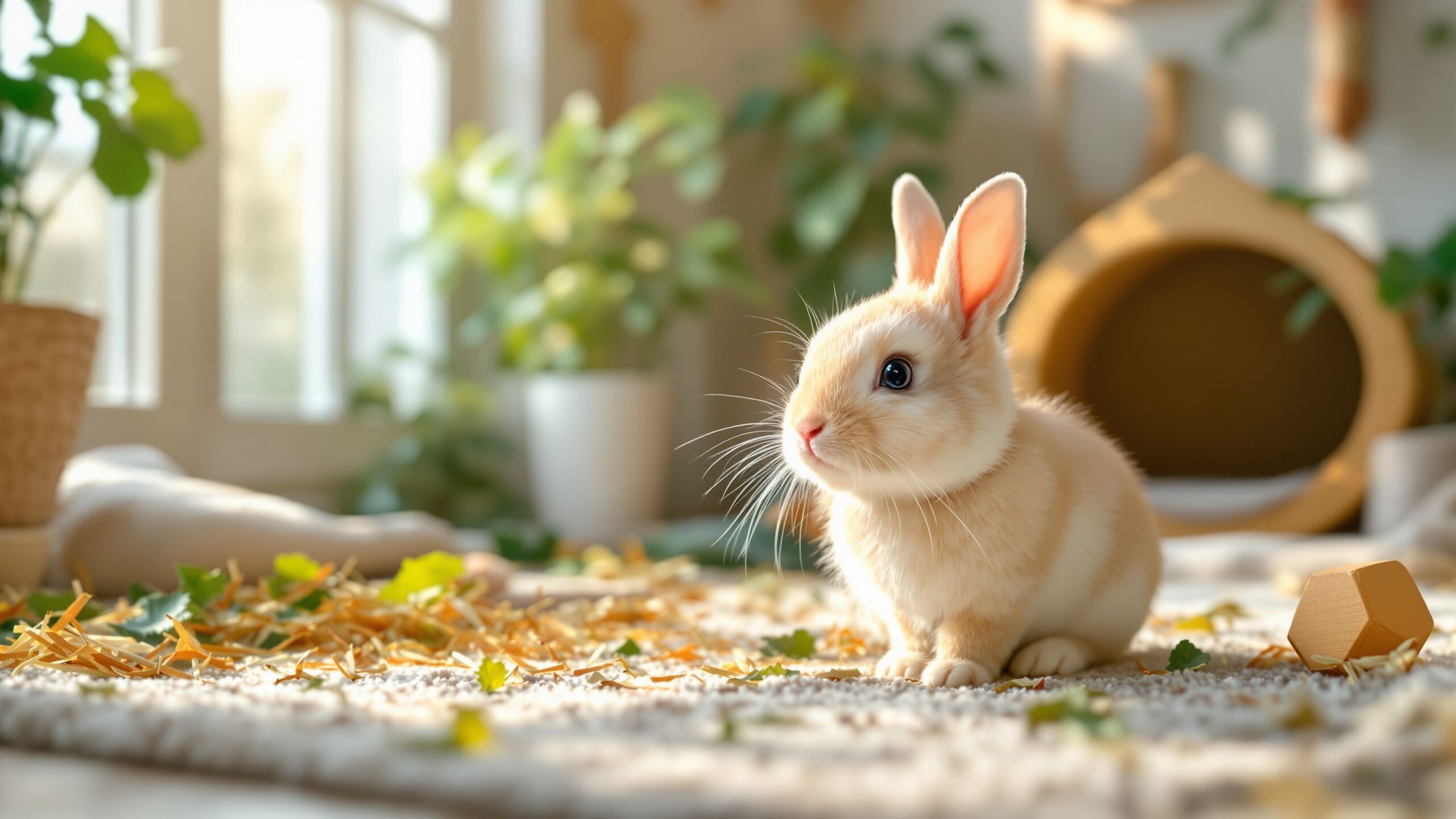
Few pets can capture attention quite like a baby rabbit. With oversized ears, tiny paws, fluffy coats, twitching noses, and sudden bursts of energy, young rabbits can make even the simplest moment entertaining. A baby rabbit is called a kit or kitten, although most pet owners affectionately call them baby bunnies. While rabbits can be incredibly loving and entertaining companions, they are also more complex than many first-time owners expect. They have sensitive digestive systems, continuously growing teeth, delicate skeletons, strong social needs, and surprisingly intelligent personalities. Baby rabbits grow quickly, which means the care they receive during their first months can influence their health and behavior for years. Understanding proper rabbit nutrition, housing, handling, veterinary care, and enrichment from the beginning is one of the best ways to help a young bunny become a healthy and confident adult.
A: Once weaned and eating independently, young rabbits generally need unlimited hay, fresh water, and age-appropriate plain rabbit pellets, with vegetables introduced carefully when appropriate.
A: Kits should remain with their mother through the natural nursing and weaning period rather than being separated too early.
A: No. Cow's milk is not an appropriate substitute for rabbit milk and can cause digestive problems.
A: Remove heavily soiled bedding and litter daily and perform more thorough cleanings regularly depending on enclosure size and litter habits.
A: Rabbits are prey animals, so hiding is natural, especially when they are adjusting to unfamiliar people or surroundings.
A: This behavior is known as a binky and is commonly associated with excitement and playful energy.
A: Yes. Rabbits naturally prefer certain bathroom areas, and consistent placement of a litter box can encourage good habits as they grow.
A: Rabbits are social animals and many benefit greatly from a properly introduced and bonded rabbit companion.
A: Refusing food, producing fewer droppings, diarrhea, unusual breathing, severe lethargy, bloating, or sudden behavioral changes require prompt veterinary attention.
A: Spend quiet time sitting at floor level, allow the rabbit to approach you voluntarily, offer appropriate food by hand, and avoid chasing or frequently picking it up.
How Fast Do Baby Rabbits Grow?
That tiny bundle of fluff will not stay tiny for long. Rabbits grow rapidly during their first several months, although the exact growth rate depends heavily on breed and genetics. Small breeds may reach adult size relatively quickly, while large and giant breeds can continue growing for considerably longer. During this period, young rabbits develop stronger muscles, become increasingly adventurous, establish eating habits, learn household routines, and begin displaying their individual personalities. Their nutritional needs also change as they mature, so owners should avoid assuming that the diet appropriate for a young rabbit will remain exactly the same throughout adulthood. Regular veterinary wellness examinations and weight monitoring can help owners determine whether their bunny is developing appropriately.
Preparing Your Home Before Bringing a Baby Rabbit Home
Preparing before your bunny arrives makes the transition safer and considerably less stressful. Decide where your rabbit will sleep, eat, use the litter box, hide, exercise, and spend supervised time exploring. Rabbits need enough room to stretch completely, stand comfortably on their hind legs, hop several times in succession, and move between different areas of their environment. A tiny cage should not be considered a rabbit’s entire living space. Many owners create spacious exercise pens, bunny-proofed rooms, or large indoor setups that provide substantially more freedom of movement. The environment should be kept indoors and protected from extreme temperatures, direct sunlight, drafts, predators, electrical cords, toxic plants, and household hazards. Giving your rabbit an appropriately sized home from the beginning can make exercise, enrichment, litter training, and bonding much easier.
Why Tiny Rabbit Cages Are Not Enough
Rabbits are built to move. Their powerful hind legs allow them to sprint, leap, twist, and explore, and confining those bodies to a tiny enclosure prevents them from expressing many natural behaviors. A suitable rabbit environment should include generous floor space along with opportunities for daily activity. Think of the rabbit’s enclosure as its secure home base rather than somewhere it should remain trapped all day. The setup should contain hay, water, a litter area, comfortable resting surfaces, hiding places, and safe enrichment. Slick flooring can make rabbits feel insecure and may make normal movement difficult, so provide surfaces that offer appropriate traction. Rugs, mats, and other rabbit-safe flooring can help create comfortable walking and running areas while protecting household floors.
Baby Rabbits Need a Safe Place to Hide
Even the most curious bunny needs somewhere to disappear when the world feels overwhelming. Rabbits are prey animals, so having access to secure hiding places can help them feel safe. Cardboard houses, rabbit-safe tunnels, wooden shelters, and other appropriately sized hideaways can give a young rabbit somewhere to rest without feeling exposed. Hideouts with more than one entrance can be particularly useful because rabbits often feel more secure when they have multiple escape routes. Avoid constantly pulling a rabbit out of its hiding place simply because you want to interact. Allowing the bunny to choose when it approaches you can actually build trust more effectively. As confidence develops, you may notice your young rabbit spending more time stretched out in the open rather than immediately running for cover.
What Should a Baby Rabbit Eat?
Nutrition is one of the most important parts of baby rabbit care because rabbits have highly specialized digestive systems. A rabbit’s diet should be centered around fiber, particularly hay. However, a very young rabbit that is still nursing has different needs from a weaned bunny living independently. Baby rabbits should not be separated from their mothers prematurely, and orphaned newborn kits require specialized care rather than simply being given cow’s milk or an improvised homemade diet. Once a young rabbit is old enough to be weaned, its diet typically includes age-appropriate hay and high-quality rabbit pellets. Alfalfa hay is commonly used for growing young rabbits because it provides additional calories, protein, and calcium needed during development. As rabbits approach adulthood, their diet is gradually transitioned toward grass hays such as Timothy, orchard grass, or other appropriate varieties based on veterinary recommendations.
Why Hay Is So Important for Young Rabbits
If there is one item that should become a permanent feature of your rabbit’s home, it is hay. Rabbits are natural grazers whose digestive systems are designed for frequent consumption of fibrous plant material. Appropriate hay supports normal digestive function while providing the prolonged chewing necessary to help wear down continuously growing teeth. A rabbit should have easy access to fresh, clean hay throughout the day. Replace hay that becomes wet, dirty, or heavily soiled and provide enough that the rabbit can comfortably eat whenever it wants. Some bunnies carefully select individual strands, while others enthusiastically bury their entire face in the pile. Encouraging a strong hay-eating habit while a rabbit is young can help establish one of the most important foundations for lifelong rabbit health.
Choosing Healthy Pellets for a Baby Bunny
Pellets can play an important role in a young rabbit’s diet, particularly during growth, but quality matters. Choose a plain pellet formulated specifically for rabbits and appropriate for the animal’s age. Avoid colorful mixtures filled with seeds, dried fruit, nuts, corn pieces, and sugary extras that resemble breakfast cereal more than rabbit food. Young rabbits have specific nutritional requirements, and pellet quantity and formulation may need to change as the animal matures. Owners should follow guidance appropriate for their rabbit’s age, breed, size, body condition, and health rather than assuming every rabbit requires the same amount. A rabbit-savvy veterinarian can help determine when and how to transition from a growth-focused diet to an adult maintenance diet.
When Can Baby Rabbits Start Eating Vegetables?
Fresh greens can eventually become an important part of a rabbit’s diet, but introducing them should be done thoughtfully. Very young rabbits have particularly sensitive digestive systems, and suddenly feeding large amounts of unfamiliar vegetables can cause problems. If you adopt an older baby bunny that is already eating certain greens without difficulty, maintaining familiar foods initially can reduce unnecessary dietary changes. When new greens are introduced, add them gradually and one at a time so you can monitor your rabbit’s response. Appropriate leafy greens can eventually provide nutrition, variety, moisture, and enrichment, while sugary fruits and vegetables should generally be considered treats rather than dietary staples. Because recommendations vary with age and individual health, discuss the timing of fresh-food introduction with a rabbit-experienced veterinarian.
Fresh Water Is Essential Every Day
Clean drinking water should always be available to your rabbit. Some rabbits prefer sturdy ceramic bowls, while others are accustomed to bottles. Bowls can allow rabbits to drink naturally but need to be heavy enough that an enthusiastic bunny cannot immediately flip them over. Whatever method you choose, check the water frequently, clean the container regularly, and refill it with fresh water. Pay attention to your rabbit’s usual drinking habits as well. A sudden major increase or decrease in water consumption can sometimes signal a problem and is worth discussing with a veterinarian, especially when accompanied by changes in appetite, urination, or behavior.
Bunny-Proofing Your Home Is Absolutely Essential
A baby rabbit can transform into a tiny demolition expert faster than many new owners expect. Rabbits explore their environment with their mouths, and chewing is a normal behavior rather than an act of disobedience. Electrical cords are particularly dangerous because rabbits may chew through them quickly. Protect or completely block access to cords, chargers, cables, houseplants, medications, cleaning products, small plastic objects, carpet edges, baseboards, and other potentially dangerous materials. Check underneath furniture for spaces where a rabbit could become trapped. Recliners and other furniture with moving mechanical components require special caution because rabbits may crawl underneath them unnoticed. Bunny-proofing should be completed before free-roaming or exercise time rather than after the first expensive cable mysteriously disappears.
Bonding With a Baby Rabbit Takes Patience
Many people imagine bringing home a baby rabbit and immediately spending hours cuddling it. Some rabbits may enjoy close interaction, but others need considerably more time before trusting people. Because rabbits are prey animals, being chased, grabbed, or lifted can feel frightening. One of the best ways to begin bonding is simply sitting on the floor near your bunny and allowing it to investigate you. Read, work on your laptop, or quietly relax while the rabbit explores nearby. Resist the urge to constantly reach for it. Eventually, curiosity often wins. Your bunny may sniff your clothing, hop around your legs, nudge your hand, or even climb onto you. These voluntary interactions are important steps toward building genuine trust.
How to Pick Up a Baby Rabbit Safely
Rabbits have powerful hind legs but relatively delicate skeletal structures, making proper handling extremely important. A frightened rabbit that kicks forcefully while unsupported can seriously injure itself. When lifting is necessary, support both the front and hindquarters securely and hold the rabbit close to your body. Never pick a rabbit up by its ears, legs, scruff, or another unsupported body part. Avoid placing rabbits on high surfaces where a sudden jump could lead to a dangerous fall. Children should always be closely supervised while interacting with rabbits and are often safer sitting on the floor. Many rabbits simply do not enjoy being carried, and respecting that preference can improve your relationship.
Understanding Baby Rabbit Body Language
Rabbits may not bark or meow, but they communicate constantly. Learning rabbit body language can completely change how you understand your pet. A relaxed rabbit may stretch out dramatically, lie with its feet extended behind it, gently grind its teeth while content, or flop onto its side in a surprisingly theatrical movement. An alert rabbit may sit upright with ears focused toward a sound, while a frightened rabbit may freeze, flatten its body, or run for cover. Thumping a hind foot can communicate alarm, frustration, or warning. Rabbits may also nudge people for attention, circle feet when excited, lick trusted companions, or gently push hands away when they have had enough interaction. Paying attention to these signals helps owners respect boundaries while developing a stronger bond.
What Is a Bunny Binky?
One of the most delightful behaviors a young rabbit can display is the famous binky. A bunny may suddenly sprint across the room, leap into the air, twist its body, kick its feet outward, land, and immediately race away again. To someone unfamiliar with rabbits, the movement can look completely chaotic. In many cases, however, binkies are associated with excitement and playful energy. Young rabbits may combine binkies with high-speed bursts sometimes called zoomies. Providing enough safe space for running and jumping allows rabbits to express these natural movements. Few sights reassure a new owner quite like a bunny enthusiastically launching itself through the air during playtime.
Can Baby Rabbits Be Litter Trained?
Rabbits can often learn to use a litter box, making them surprisingly tidy indoor companions. Many naturally choose one or a few areas for urination and droppings, which owners can use to their advantage. Place a rabbit-safe litter box in the area your bunny already prefers and provide suitable rabbit-safe litter. Hay is often positioned in or immediately beside the litter area because rabbits frequently enjoy eating while using the box. Avoid clumping cat litter and other products that may be dangerous if inhaled or swallowed. Young rabbits may not be perfectly consistent immediately, and hormonal changes can affect litter habits as they mature. Patience and routine usually work much better than punishment.
Cleaning Your Baby Rabbit’s Living Space
A clean environment supports both rabbit health and a more pleasant household. Spot clean the litter area and remove wet bedding, spoiled vegetables, and heavily soiled hay regularly. Food and water containers should also be cleaned frequently. More thorough cleaning can be performed as needed depending on the size of the setup and the rabbit’s habits. Rabbits often prefer familiar environments, so there is usually no need to completely dismantle and rearrange everything every day. Maintaining a consistent cleaning routine can help control odors while allowing you to monitor urine, droppings, appetite, and other signs that provide valuable information about your rabbit’s health.
Rabbit Teeth Never Stop Growing
A rabbit’s teeth grow continuously throughout its life. This is one reason proper nutrition and chewing opportunities are so important. Hay provides the repetitive grinding action necessary to support natural dental wear. Rabbits should also have access to appropriate rabbit-safe chewing materials and enrichment. Dental problems can interfere with eating and become extremely painful. Warning signs may include dropping food, reduced appetite, excessive drooling, wet fur around the mouth, abnormal chewing, weight loss, or suddenly avoiding harder foods. Dental issues require veterinary evaluation. Owners should never attempt to trim rabbit teeth themselves with household tools because fractures and serious injuries can occur.
Why You Should Monitor Your Baby Rabbit’s Weight
Regular weight monitoring can provide valuable information about your bunny’s growth and health. A digital scale capable of accurately measuring your rabbit can help establish a baseline as the animal develops. Record measurements periodically so changes become easier to recognize. Rabbits are prey animals and can instinctively hide signs of illness, which means weight loss may sometimes appear before dramatic behavioral symptoms. Normal growth patterns vary substantially between breeds, so there is no single ideal weight for every baby rabbit. Sudden or unexplained weight loss, particularly when combined with reduced appetite or smaller droppings, deserves prompt veterinary attention.
Watch Your Bunny’s Poop—It Tells You a Lot
It may not be the most glamorous part of rabbit ownership, but paying attention to droppings is incredibly useful. Healthy rabbits normally produce plenty of round, fibrous fecal pellets. Changes in their size, shape, quantity, or consistency can provide clues about digestive health. Rabbits also produce nutrient-rich cecotropes, which look different from ordinary fecal pellets and are normally eaten directly by the rabbit. This behavior is natural and essential for obtaining certain nutrients. A major reduction in normal droppings, especially when accompanied by poor appetite, lethargy, or signs of abdominal discomfort, can indicate a serious digestive problem and should not be ignored.
Understanding GI Stasis in Rabbits
One of the most important health conditions new rabbit owners should recognize is gastrointestinal stasis, commonly called GI stasis. This occurs when normal movement through the digestive tract slows significantly or stops and can be associated with pain, dental problems, stress, dehydration, inappropriate diet, or other illnesses. A rabbit that suddenly stops eating, produces very few or no droppings, appears hunched, becomes unusually quiet, or seems uncomfortable needs prompt veterinary evaluation. Rabbits should not simply be left for a day or two to “see if they get hungry.” Because their digestive systems depend on regular movement and food intake, appetite loss can become a genuine emergency.
Finding a Rabbit-Savvy Veterinarian
Not every veterinarian has extensive experience treating rabbits. Rabbits are commonly classified as exotic pets in veterinary medicine, so finding a rabbit-savvy or exotic-animal veterinarian before an emergency occurs is one of the smartest things a new owner can do. Schedule an initial wellness examination after bringing home your bunny and use the appointment to discuss nutrition, housing, weight, dental health, parasite concerns, vaccinations appropriate to your location, and future spaying or neutering. Keep the veterinarian’s phone number and emergency instructions easily accessible. Trying to locate an experienced rabbit veterinarian at midnight while your bunny refuses food is far more stressful than preparing in advance.
Spaying and Neutering Your Growing Rabbit
As baby rabbits approach adolescence, hormones can dramatically influence behavior. Previously perfect litter habits may suddenly deteriorate, territorial behavior can appear, and rabbits housed together may begin fighting. Spaying or neutering is an important topic to discuss with a rabbit-experienced veterinarian. Beyond preventing unwanted litters, altering rabbits can provide behavioral and health benefits, particularly for females because unspayed female rabbits face significant reproductive health risks as they age. The appropriate timing depends on factors including sex, breed, size, health, and veterinary assessment, so owners should develop an individualized plan with their veterinarian rather than choosing an arbitrary age.
Grooming Your Baby Bunny
Rabbits are naturally clean animals and spend considerable time grooming themselves, but they still need help from their owners. Regular brushing removes loose fur, which is especially important during shedding periods because rabbits cannot vomit hairballs the way cats can. Long-haired breeds may require considerably more frequent grooming to prevent mats. Nails also need routine trimming as the rabbit grows. Rabbits generally should not receive routine baths. Immersing a rabbit in water can cause intense stress and other complications, so bathing should only occur when medically necessary and under appropriate guidance. Consistent brushing, nail care, and a clean environment are far safer approaches to everyday grooming.
Fun Toys and Enrichment for Young Rabbits
A bored rabbit can quickly invent its own entertainment, and your furniture may not appreciate the result. Rabbits benefit from tunnels, cardboard boxes, digging opportunities, chew toys, hay-based toys, food puzzles, and safe objects they can toss or manipulate. Rearranging enrichment occasionally can make familiar surroundings feel new again. Cardboard castles with multiple entrances can provide hiding, chewing, climbing, and exploration opportunities in one inexpensive structure. You can also encourage natural foraging by safely distributing portions of food or hay throughout an enrichment area. Mental stimulation is just as important as physical exercise for an intelligent and curious young rabbit.
Can Baby Rabbits Live With Other Rabbits?
Rabbits can form incredibly strong social bonds, but pairing rabbits is more complicated than simply placing two babies together. Young rabbits that appear inseparable can experience behavioral changes when puberty begins, particularly if they are not spayed or neutered. Sex must also be correctly identified because accidental litters can happen quickly. Successful rabbit bonding generally requires thoughtful introductions, appropriate veterinary care, sufficient space, and patience. Once properly bonded, compatible rabbits may groom one another, sleep together, explore together, and develop remarkably close relationships. Owners interested in adding a companion should work with a rabbit rescue or other knowledgeable professional familiar with safe bonding practices.
Common Baby Rabbit Care Mistakes to Avoid
Many rabbit care mistakes come from outdated information. Tiny cages, diets dominated by pellets, sugary treats, inappropriate bedding, unsafe handling, insufficient hay, and lack of exercise can all create problems. Another common mistake is assuming rabbits are low-maintenance starter pets for children. Rabbits are delicate animals that require knowledgeable adult care, financial commitment, specialized veterinary treatment, daily cleaning, enrichment, and years of responsibility. Owners should also avoid giving rabbits hamster-style exercise wheels or balls, which are not appropriate ways to provide exercise. Safe open floor space is far more suitable for natural rabbit movement.
Watching Your Baby Bunny’s Personality Develop
Every rabbit has a personality, and discovering it can be one of the most rewarding parts of bunny ownership. Some rabbits are fearless explorers who immediately inspect every new box and tunnel. Others carefully observe from a safe distance before deciding whether something deserves investigation. One rabbit may adore forehead rubs, while another prefers sitting beside you without being touched constantly. As trust develops, your bunny may follow you through the house, nudge your ankle for attention, flop dramatically beside you, or sprint toward you when it hears a familiar food container. Respecting your rabbit’s individual personality rather than forcing interaction creates a much stronger relationship.
Helping Your Baby Rabbit Grow Into a Happy Adult
The first months with your bunny are about much more than keeping an adorable baby animal entertained. You are establishing habits that can influence its entire life. Encourage hay consumption, provide appropriate age-based nutrition, maintain fresh water, create generous exercise space, bunny-proof carefully, introduce litter training patiently, provide enrichment, practice gentle handling, and monitor health closely. Learn your rabbit’s normal appetite, droppings, activity level, weight, posture, and personality. Those everyday observations can help you notice when something is wrong much sooner.
Final Thoughts on Caring for a Baby Rabbit
Baby rabbits are irresistibly cute, but responsible rabbit ownership goes far beyond fluffy ears and adorable photographs. These intelligent, sensitive animals require specialized nutrition, spacious housing, daily exercise, mental stimulation, patient bonding, regular grooming, and knowledgeable veterinary care. When their needs are understood, rabbits can become extraordinary companions with surprisingly expressive personalities. The nervous little bunny hiding inside a cardboard house today may eventually become the confident rabbit racing through the living room, launching into spectacular binkies, flopping beside your feet, and appearing from nowhere the second it hears the hay container open. Give your baby rabbit a thoughtful beginning filled with proper care, patience, safety, and enrichment, and you can build the foundation for many happy years together.
Pet Product Reviews
Explore Duffy Street’s Pet Product Reviews! Sniff out the top-rated toys, treats, gear, and gadgets for your pets with our fun, easy-to-read comparisons. We’ve done the digging so you can find the perfect products for your pet friends!