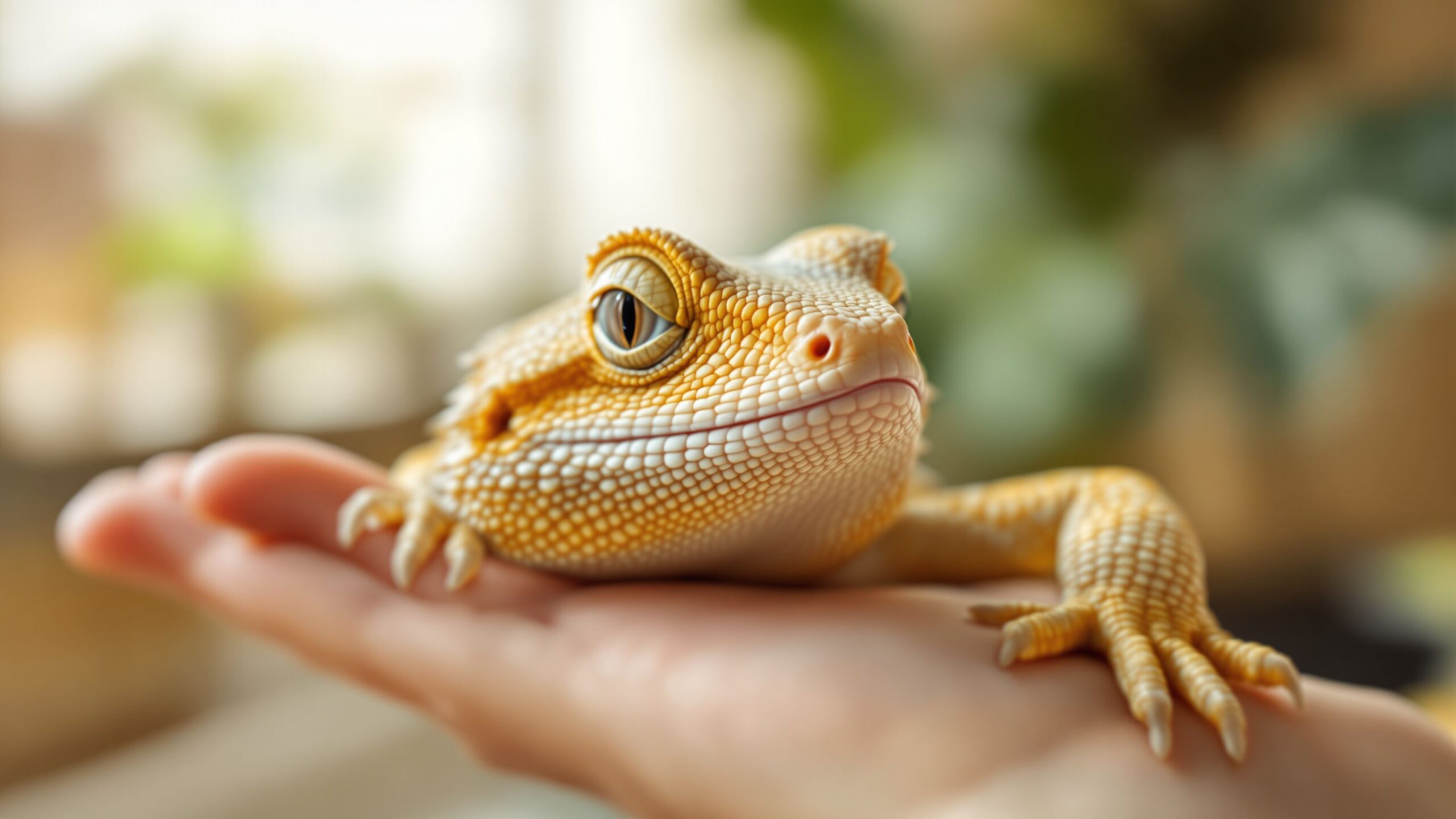
Training a tortoise to recognize you begins with understanding how it perceives the world. Unlike mammals, tortoises do not form bonds through affection in the same way, but they are highly capable of learning patterns, routines, and associations. A Tortoise relies on sight, smell, and environmental cues to identify familiar elements in its surroundings. Over time, it can learn to associate a specific person with food, safety, and consistency. This form of recognition is subtle but very real, and it forms the foundation of your relationship. Instead of expecting emotional attachment, the goal is to create a predictable and positive presence that your tortoise learns to trust.
A: Yes, many tortoises recognize their keeper through sight, routine, and feeding association.
A: It can take weeks or months depending on consistency and the tortoise’s personality.
A: It may feel startled or unfamiliar with your presence and needs more time to adjust.
A: Not exactly—tortoises learn through routine and repetition rather than commands.
A: Limit handling, as too much can cause stress; focus more on ground-level interaction.
A: Use consistent feeding times and gentle presence to build positive association.
A: Approaching you, eating in your presence, and exploring nearby are good signs.
A: Some tolerate or enjoy gentle shell contact, but it depends on the individual.
A: Yes, consistent voice exposure can help build familiarity.
A: Continue consistent routines; some tortoises simply take longer or show subtle responses.
Creating a Comfortable and Secure Habitat
Before any training can begin, your tortoise must feel safe in its environment. A properly set up enclosure with the correct temperature, lighting, and space allows your tortoise to relax and behave naturally. Stress from improper conditions can make your tortoise withdrawn or inactive, which slows down any learning process. The enclosure should provide a balance of warmth and cooler areas, along with access to proper lighting that supports overall health. A stable, quiet location in your home also helps reduce stress. When your tortoise feels secure in its surroundings, it becomes more aware of and responsive to external interactions.
The Power of Routine and Consistency
Tortoises thrive on routine, and consistency is one of the most powerful tools for teaching recognition. Feeding your tortoise at the same time each day, using the same approach and movements, helps it begin to associate you with a predictable event. Over time, your tortoise may start to anticipate your presence, becoming more alert or even moving toward you when it expects food. This is one of the clearest signs that recognition is forming. Consistency in your behavior, timing, and interaction builds a sense of familiarity that encourages trust.
Using Feeding Time to Build Recognition
Food is the strongest motivator when training a tortoise to recognize you. Offering food by hand or placing it in the same location while you are present helps create a direct association between you and something positive. At first, your tortoise may be cautious, but repeated exposure will gradually reduce hesitation. Over time, it may begin to approach you more confidently during feeding. This process should always be calm and unhurried, allowing the tortoise to move at its own pace. By linking your presence with nourishment, you create a reliable connection that reinforces recognition.
Introducing Gentle Interaction
While tortoises are not typically handled as frequently as other pets, gentle interaction can still play a role in recognition. When handling your tortoise, always support its body fully and avoid sudden movements. Keep sessions short and calm, allowing your tortoise to remain relaxed. Some tortoises may enjoy light interaction, while others prefer minimal contact. Observing your tortoise’s response helps you determine the appropriate level of handling. The goal is not to force interaction but to provide positive, low-stress experiences that reinforce your presence as safe.
Recognizing Signs of Familiarity
As your tortoise begins to recognize you, its behavior may change in subtle ways. It may become more active when you approach, move toward you during feeding times, or remain calm in your presence. These behaviors indicate that your tortoise is associating you with its routine and environment. Unlike more expressive animals, tortoises communicate recognition through consistency in behavior rather than obvious displays. Paying attention to these small changes helps you understand the progress being made.
Avoiding Stress and Overhandling
One of the most important aspects of training a tortoise is knowing when to step back. Overhandling or excessive interaction can cause stress and slow down the learning process. Tortoises value stability and routine, and too much change can disrupt their sense of security. Always allow your tortoise to retreat when it chooses and avoid forcing interaction. Respecting its boundaries helps maintain trust and encourages positive associations over time.
Building Long-Term Trust Through Presence
Trust with a tortoise is built gradually through repeated, positive experiences. Simply being present during feeding, cleaning, and routine care helps reinforce your role in its environment. Over time, your tortoise will come to recognize not just your actions but your presence itself. This recognition is built on familiarity and consistency rather than emotional bonding, but it is no less meaningful. Each calm interaction strengthens the connection between you and your pet.
Creating a Predictable Environment
A predictable environment supports both recognition and overall well-being. Keeping feeding times, lighting schedules, and enclosure conditions consistent helps your tortoise feel secure. Sudden changes in routine can cause confusion or stress, making it harder for your tortoise to maintain learned associations. Stability allows your tortoise to focus on its environment and interactions, reinforcing the patterns it has learned.
Strengthening Recognition Over Time
As weeks and months pass, your tortoise’s recognition of you will become more noticeable. It may respond more quickly during feeding, show less hesitation when you approach, and remain calm during routine interactions. These changes reflect the gradual learning process that defines tortoise behavior. While progress may seem slow, it is steady and reliable. Patience is essential, as rushing the process can create setbacks.
Long-Term Interaction and Care
Maintaining recognition requires ongoing consistency and care. Continuing your established routines and interactions ensures that your tortoise retains its familiarity with you. As your tortoise grows, its behavior may evolve, but the foundation you have built will remain. Providing a stable, enriching environment supports both its health and its ability to respond positively to your presence.
Final Thoughts on Training a Tortoise to Recognize You
Training a tortoise to recognize you is a unique and rewarding process that emphasizes patience, consistency, and respect for the animal’s natural behavior. By focusing on routine, positive associations, and a calm environment, you can build a meaningful connection with your tortoise. Recognition may not be expressed in dramatic ways, but it is present in the quiet moments of familiarity and trust that develop over time. With dedication and understanding, your tortoise will learn to see you as a reliable and safe part of its world.
.
Pet Product Reviews
Explore Duffy Street’s Pet Product Reviews! Sniff out the top-rated toys, treats, gear, and gadgets for your pets with our fun, easy-to-read comparisons. We’ve done the digging so you can find the perfect products for your pet friends!