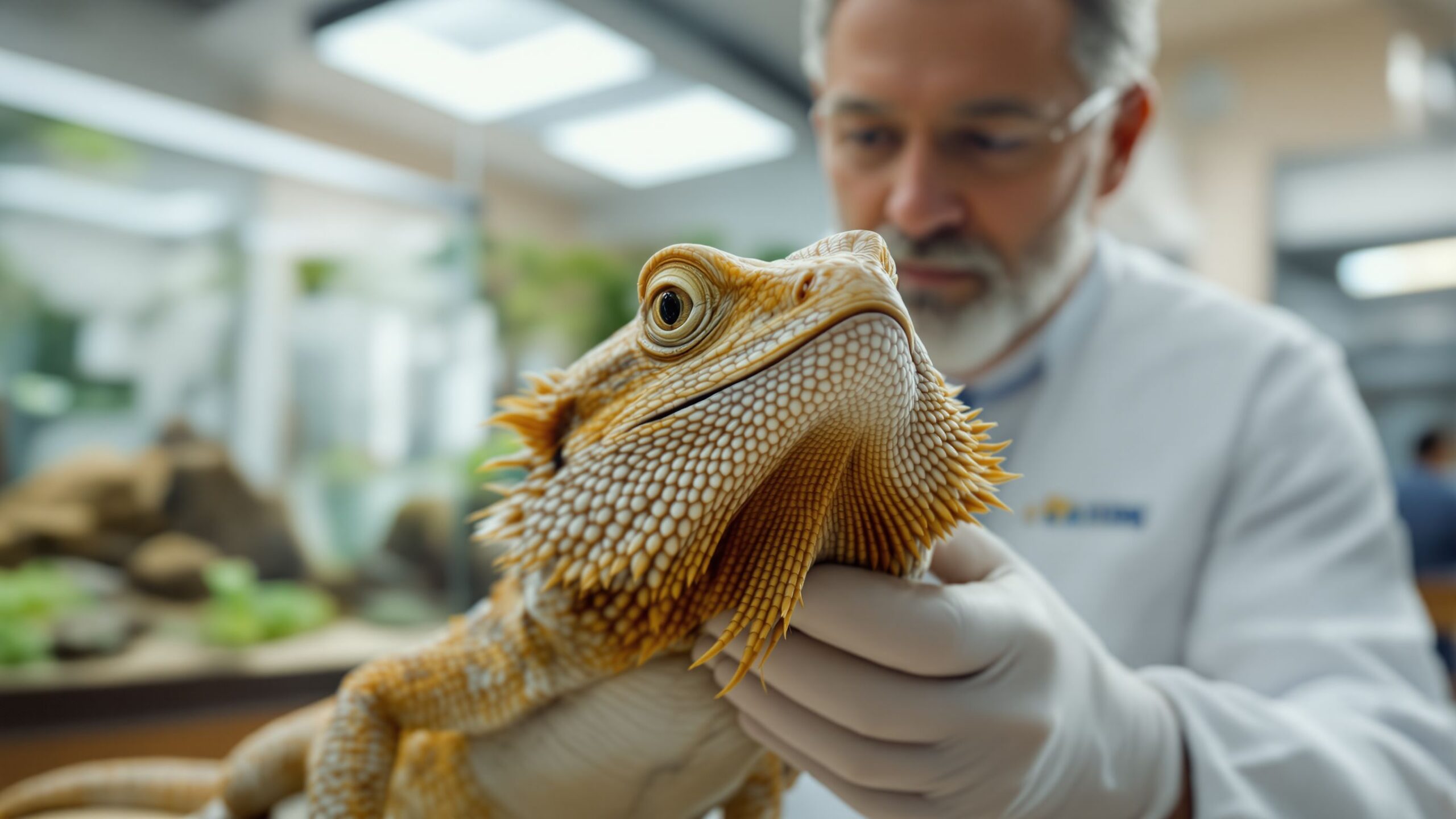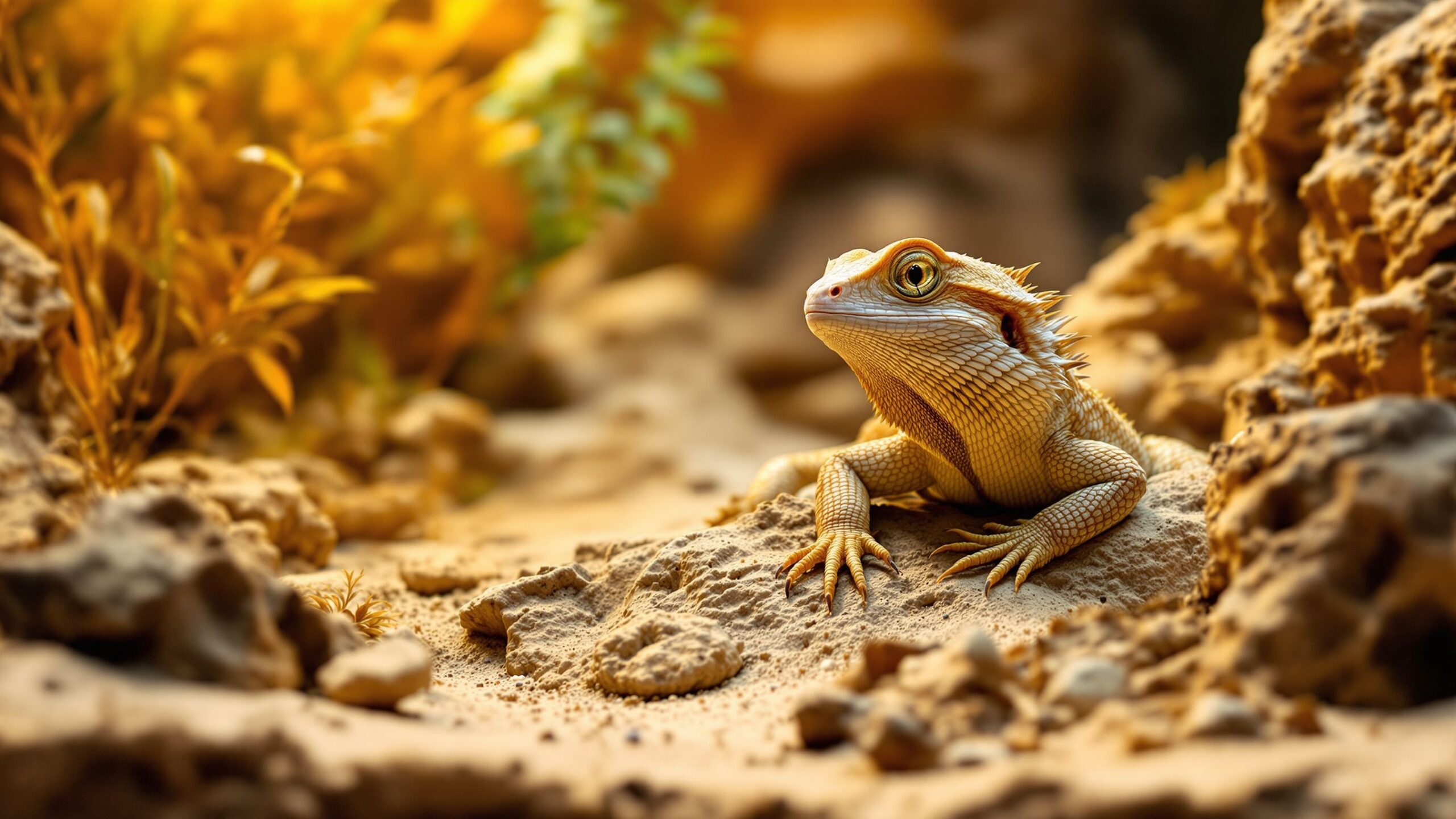
Bearded dragons are among the most popular reptile pets in the world. Their calm personalities, expressive faces, manageable size, and curious behavior make them favorites for both beginner and experienced reptile keepers. Despite their hardy reputation, however, bearded dragons can suffer from a wide range of health problems if their care, diet, lighting, or enclosure conditions are not properly maintained. Many illnesses develop slowly and may remain hidden until symptoms become severe, making early recognition extremely important for successful treatment.
Healthy bearded dragons are usually alert, active, curious, and eager to bask or eat. They maintain healthy body weight, clear eyes, smooth movement, and regular bathroom habits. When something changes in these routines, it may indicate stress, illness, or improper husbandry conditions. Learning to identify common health problems early can dramatically improve a bearded dragon’s quality of life and prevent serious complications.
A: Appetite loss can come from stress, low temperatures, illness, parasites, shedding, or brumation.
A: Poor UVB lighting, lack of calcium, and incorrect diet are the most common causes.
A: Not always—dragons may darken their beard from stress, excitement, dominance, or discomfort.
A: Look for wrinkled skin, sticky saliva, sunken eyes, and low energy.
A: Signs may include constipation, bloating, dragging legs, weakness, or refusing food.
A: Yes, especially in cool or overly humid enclosures.
A: This can happen from stress, illness, poor lighting, eye irritation, or exhaustion.
A: Repeated loose stool can suggest parasites, stress, or dietary imbalance.
A: Many UVB bulbs lose effectiveness over time and often need replacement every 6–12 months.
A: Seek veterinary care for weight loss, breathing trouble, severe lethargy, weakness, swelling, or ongoing appetite loss.
Metabolic Bone Disease
One of the most common and dangerous health problems affecting bearded dragons is metabolic bone disease. This condition usually develops from calcium deficiencies, improper UVB lighting, or poor nutrition. Since bearded dragons rely on UVB exposure to produce vitamin D3 and absorb calcium correctly, inadequate lighting can slowly weaken their bones over time.
Early symptoms of metabolic bone disease may include twitching, weakness, trembling limbs, or reduced movement. As the disease progresses, dragons may develop swollen jaws, curved spines, soft bones, difficulty walking, or deformities in the legs and tail. In severe cases, fractures can occur from normal movement alone because the skeleton becomes extremely fragile.
Young bearded dragons are especially vulnerable because their growing bodies require large amounts of calcium and proper UVB exposure. Incorrect lighting setups are one of the biggest causes of this disease. Weak or expired UVB bulbs often fail to provide enough ultraviolet light, even when they still appear functional.
Proper prevention includes high-quality UVB lighting, calcium supplementation, balanced nutrition, and correct basking temperatures. Routine veterinary examinations can also help detect early signs before permanent damage occurs.
Respiratory Infections
Respiratory infections are another common problem in bearded dragons. These infections often develop when enclosure temperatures are too low, humidity levels are too high, or the immune system becomes weakened by stress or poor care.
Symptoms usually begin subtly. Owners may notice wheezing, clicking sounds, mucus around the nose or mouth, excessive yawning, or open-mouth breathing. A healthy bearded dragon should breathe quietly through its nostrils, so visible breathing difficulties should always be taken seriously.
Lethargy and appetite loss often accompany respiratory illness. Some dragons may spend excessive time hiding or basking because they are trying to regulate body temperature while fighting infection. In advanced cases, mucus buildup can make breathing extremely difficult.
Respiratory infections can become life-threatening if untreated. Immediate veterinary care combined with habitat corrections is usually necessary for recovery. Maintaining proper enclosure temperatures and humidity levels is one of the best ways to prevent these infections from developing.
Impaction and Digestive Blockages
Impaction is a serious digestive condition that occurs when material becomes trapped inside the digestive tract. This problem is especially common in bearded dragons housed on loose substrates like sand, gravel, crushed walnut shells, or wood chips that may be accidentally swallowed during feeding.
Low basking temperatures can also contribute to impaction because digestion slows dramatically without proper heat. Dehydration, poor diet, and oversized food items may increase the risk as well.
Symptoms of impaction often include bloating, constipation, appetite loss, lethargy, straining during bowel movements, or dragging the back legs. Severe impactions can place pressure on nerves and organs, leading to paralysis or life-threatening complications.
Prevention focuses heavily on proper husbandry. Many reptile owners avoid loose substrates entirely and instead use safer enclosure surfaces such as reptile carpet, tile, paper towels, or non-adhesive shelf liner. Proper temperatures, hydration, and feeding appropriately sized food items are also critical for healthy digestion.
Dehydration
Dehydration is one of the most overlooked health issues in bearded dragons. Because they originate from arid environments, many owners assume they require very little water. In reality, hydration plays a major role in digestion, shedding, kidney health, and overall body function.
Signs of dehydration may include wrinkled skin, sunken eyes, lethargy, thick saliva, poor appetite, and difficulty shedding. Some dragons become weak or less active when dehydrated, while others may soak excessively in their water dishes.
Poor hydration can contribute to constipation, kidney problems, and severe stress on internal organs. Inadequate humidity, lack of fresh water, poor diet, or illness can all lead to dehydration.
Fresh water should always be available, even if some dragons rarely drink directly from bowls. Hydrating vegetables and occasional supervised baths can also help support healthy hydration levels. Monitoring enclosure temperatures is equally important because overheating may increase water loss.
Parasites
Internal parasites are common in bearded dragons, particularly in young dragons, newly purchased reptiles, or dragons exposed to contaminated environments. Parasites may include pinworms, coccidia, and other microscopic organisms that affect the digestive system.
Mild parasite levels sometimes produce no symptoms at all, but heavy infestations can become dangerous. Signs may include diarrhea, foul-smelling waste, weight loss, poor appetite, weakness, and abnormal stool consistency.
Stress and poor husbandry often weaken the immune system, allowing parasites to multiply more aggressively. Regular fecal examinations performed by exotic veterinarians are one of the best ways to identify hidden parasite problems before they become severe.
Good sanitation practices are essential for prevention. Dirty enclosures, contaminated food dishes, and poor hygiene can all increase parasite risks. Quarantining new reptiles before introducing them to existing collections is also extremely important.
Mouth Rot
Mouth rot, also known as infectious stomatitis, is a bacterial infection affecting the mouth and gums. It can develop from injuries, poor hygiene, stress, nutritional deficiencies, or weakened immune systems.
Early symptoms may include swollen gums, excess saliva, redness around the mouth, or difficulty eating. As the infection worsens, pus, bleeding, tissue damage, and foul odors may develop.
Bearded dragons with mouth rot often rub their mouths against enclosure surfaces or repeatedly open their mouths due to discomfort. Severe infections may spread deeper into the jaw and bloodstream if untreated.
Maintaining a clean enclosure, providing proper nutrition, and reducing stress are important preventive measures. Veterinary treatment is usually necessary to fully eliminate the infection.
Shedding Problems
Shedding is a normal process for growing and healthy bearded dragons, but shedding complications can indicate husbandry or health problems. Healthy sheds typically occur in patches over several days, revealing fresh skin underneath.
Retained shed may occur when humidity levels are too low or when the dragon is dehydrated. Old skin that remains trapped around toes, tails, or spikes can restrict circulation and damage tissue over time.
Signs of shedding problems include dry patches of skin, tight bands of retained shed, excessive scratching, and irritation. Dragons experiencing poor nutrition or illness may also shed abnormally.
Providing rough surfaces for rubbing, maintaining proper hydration, and ensuring balanced nutrition can help support healthy shedding cycles. Owners should never forcefully peel stuck skin because this may injure the reptile.
Yellow Fungus Disease
Yellow fungus disease is one of the most serious infections affecting bearded dragons. This aggressive fungal infection creates yellow, brown, or crusty patches on the skin and may spread quickly if untreated.
The disease often weakens the immune system and can invade deeper tissues over time. Infected dragons may appear lethargic, lose appetite, and develop worsening skin lesions.
Yellow fungus disease is highly contagious among reptiles and requires immediate veterinary attention. Treatment often involves antifungal medications and strict sanitation procedures. Early diagnosis greatly improves survival chances.
Adenovirus
Adenovirus is a viral infection commonly seen in young bearded dragons, although adults can also carry the virus. Symptoms vary widely depending on the severity of infection and the dragon’s immune system.
Some infected dragons experience weakness, neurological issues, poor growth, appetite loss, or digestive problems. Others may show very few symptoms while still carrying the virus.
Unfortunately, there is no direct cure for adenovirus. Supportive care, proper husbandry, stress reduction, and veterinary monitoring are usually the main treatment approaches. Maintaining strong overall health can help infected dragons live longer and more stable lives.
Obesity and Poor Nutrition
Improper diets are a major contributor to long-term health problems in bearded dragons. Many owners accidentally overfeed insects, fatty foods, or treats while neglecting vegetables and balanced nutrition.
Obesity may lead to reduced movement, liver disease, joint stress, and shortened lifespan. Overweight dragons often develop large fat pads around the head and tail base while becoming less active over time.
Nutritional deficiencies are equally dangerous. Diets lacking calcium, vitamins, or proper variety may weaken the immune system and contribute to serious disease development.
Healthy diets for bearded dragons usually include a combination of leafy greens, vegetables, appropriate insects, and calcium supplementation. Nutritional needs also change as dragons age, making proper feeding schedules extremely important.
Eye Problems
Eye issues are relatively common in bearded dragons and may result from infections, injuries, dehydration, poor shedding, or vitamin deficiencies. Swollen eyes, discharge, crusting, or excessive closing of the eyes should always be monitored carefully.
Improper lighting setups may also contribute to eye irritation. Some bulbs produce excessive brightness or incorrect ultraviolet exposure that stresses the eyes over time.
Vitamin A deficiencies can cause swelling and vision problems as well. Maintaining proper nutrition and using high-quality reptile lighting products are important preventive steps.
Persistent eye issues should always be evaluated by an exotic veterinarian because untreated infections may worsen rapidly.
Stress and Environmental Problems
Stress is one of the most underestimated causes of health issues in bearded dragons. Poor enclosure setups, excessive handling, loud environments, aggressive tank mates, incorrect temperatures, or constant visual stress can weaken the immune system significantly.
Stress often appears through appetite loss, darkened coloration, hiding behavior, glass surfing, lethargy, or defensive behavior. Chronic stress may eventually contribute to more severe illnesses by weakening the body’s natural defenses.
Creating a stable and species-appropriate habitat is essential for long-term health. Proper basking areas, hiding spots, temperature gradients, lighting, and quiet environments help reduce stress and support healthy behavior.
Emergency Warning Signs
Some symptoms should always be treated as emergencies in bearded dragons. Severe breathing difficulty, seizures, paralysis, major wounds, bloody stool, sudden collapse, inability to move, or prolonged refusal to eat require immediate veterinary attention.
Rapid weight loss, severe dehydration, blackened beards combined with weakness, or extreme lethargy may also indicate critical illness. Because reptiles naturally hide symptoms, serious disease is often more advanced than it initially appears.
Quick action can dramatically improve survival chances. Delaying treatment may allow infections, organ failure, or metabolic complications to worsen rapidly.
Preventing Health Problems
The majority of bearded dragon illnesses are linked directly to husbandry mistakes. Proper temperatures, UVB lighting, balanced diets, hydration, sanitation, and enclosure design are the foundations of reptile health.
UVB bulbs should be replaced regularly according to manufacturer recommendations because ultraviolet output decreases over time even when bulbs still emit visible light. Temperature gradients must also be monitored carefully using reliable thermometers.
Routine cleaning helps prevent bacterial growth and parasite buildup. Fresh vegetables, proper supplementation, and hydration support long-term immune health and organ function.
Annual veterinary examinations with reptile specialists are highly recommended, even for apparently healthy dragons. Preventive care can identify hidden problems before they become serious illnesses.
Final Thoughts
Bearded dragons are incredible reptiles with unique personalities and rewarding companionship, but they depend heavily on proper care to remain healthy. Many illnesses develop slowly and may go unnoticed until symptoms become severe, which is why careful observation is so important.
Understanding common health problems such as metabolic bone disease, respiratory infections, dehydration, impaction, parasites, and nutritional deficiencies allows owners to recognize warning signs early and respond quickly. In reptile care, prevention is often far easier and safer than treatment.
By providing correct lighting, temperatures, diet, hydration, sanitation, and regular veterinary care, owners can dramatically improve the health and lifespan of their bearded dragons. Healthy dragons are active, curious, alert, and full of personality, making attentive care one of the most rewarding parts of reptile ownership.
Pet Product Reviews
Explore Duffy Street’s Pet Product Reviews! Sniff out the top-rated toys, treats, gear, and gadgets for your pets with our fun, easy-to-read comparisons. We’ve done the digging so you can find the perfect products for your pet friends!